
Free tent camping is totally possible if you know where to look. From Bureau of Land Management (BLM) sites to national forest campgrounds, there are countless places to pitch your tent at no cost. With a little planning and respect for nature, you can enjoy the great outdoors without breaking the bank.
Key Takeaways
- BLM Land Offers Free Camping: The Bureau of Land Management manages over 245 million acres of public land where dispersed camping is often free. These areas are perfect for tent campers seeking solitude and adventure.
- National Forests Provide Free Options: Most national forests allow free dispersed camping outside of designated fee-based campgrounds. Check with local ranger stations for rules and availability.
- State Parks Sometimes Allow Free Camping: While many state parks charge fees, some offer free primitive camping or have special events like “Free Camping Days.”
- Military Bases May Welcome Tent Campers: Some military installations allow public access to their land for free tent camping. Always call ahead to confirm rules and reservations.
- Use Apps and Websites to Find Spots: Tools like FreeRoam, Campendium, and FreeCamping.us help locate verified free camping locations with user reviews and GPS coordinates.
- Practice Leave No Trace Principles: Even on free land, follow outdoor ethics: pack out all trash, minimize fire impact, and respect wildlife and other visitors.
📑 Table of Contents
- Where Can You Tent Camp for Free?
- 1. Bureau of Land Management (BLM) Lands
- 2. National Forests: A Treasure Trove of Free Campsites
- 3. State Parks with Free Camping Options
- 4. Military Bases: Surprising Free Camping Spots
- 5. National Monuments and Public Lands
- 6. Tips for Successful Free Tent Camping
- 7. Apps and Resources to Find Free Camping Spots
- Conclusion: Adventure Awaits—Without the Price Tag
Where Can You Tent Camp for Free?
There’s something magical about waking up under a canopy of stars, listening to the wind rustle through pine trees, and starting your day with coffee brewed over an open fire. For many of us, that dream is within reach—even on a budget. Tent camping for free isn’t just possible; it’s a growing trend among outdoor enthusiasts who want to explore the wild without spending a fortune.
Check the latest prices and available rooms before they sell out.
Whether you’re a weekend warrior or a seasoned backpacker, finding a place to pitch your tent without paying a fee can transform your next getaway. From remote desert vistas to mountain lakeshores, the United States offers thousands of acres of public land open to responsible recreation. But how do you find these hidden gems? And more importantly, where exactly can you legally and ethically set up camp without a fee?
In this guide, we’ll walk you through the best places to tent camp for free, share practical tips for success, and explain the rules so you can enjoy nature safely and respectfully.
—
1. Bureau of Land Management (BLM) Lands
Visual guide about Where Can You Tent Camp for Free
Image source: static.wixstatic.com
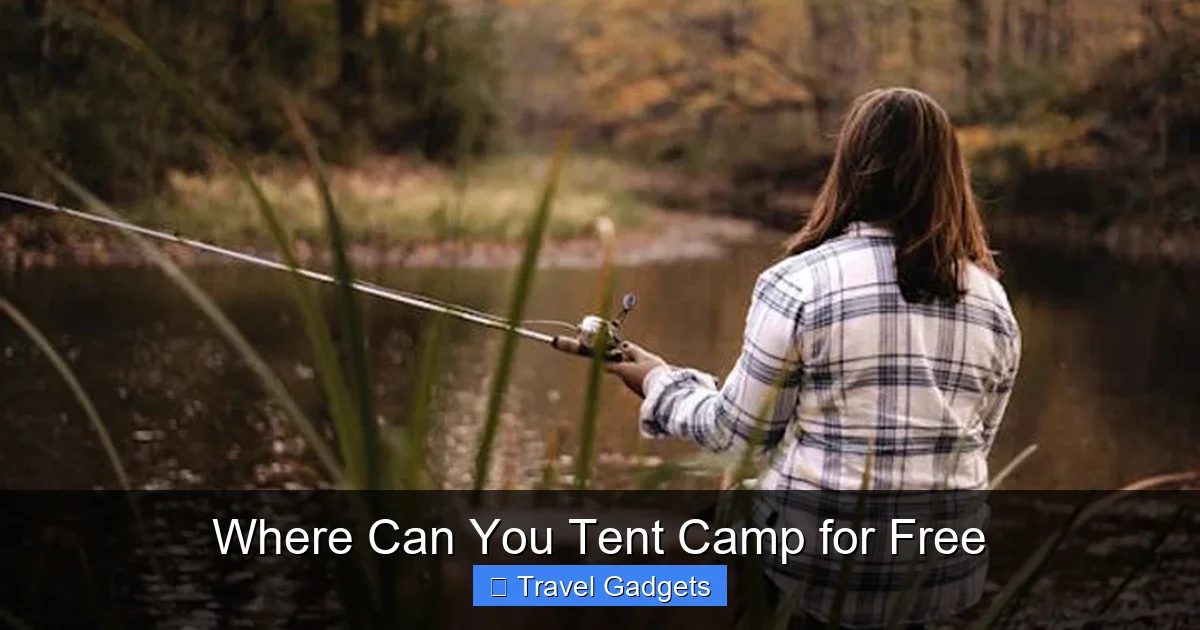
One of the most accessible and abundant sources of free tent camping is the Bureau of Land Management (BLM). Managing over 245 million acres across 12 western states, BLM land is designed for public use and includes vast stretches of wilderness ideal for dispersed camping.
Find the Best Accommodation Deals
Compare prices from multiple booking platforms and find the best option for your stay.
Compare Hotel PricesWhat Is Dispersed Camping?
Dispersed camping means setting up camp outside of official campgrounds, typically in backcountry or remote areas. On BLM land, this is allowed as long as you stay at least 1/4 mile from roads and trails, and follow the Leave No Trace principles.
Popular BLM Areas for Free Camping
- Lake Mead National Recreation Area (NV/AZ): While parts require fees, many BLM-adjacent zones near the lake allow free camping along the Nevada side.
- Red Rock Canyon (NV): Just west of Las Vegas, this area offers free BLM land with stunning red rock formations and desert trails.
- San Juan Islands (WA): Though primarily parkland, adjacent BLM zones near the islands allow tent camping in quiet, scenic spots.
Pro tip: Always check the BLM website or visit a local field office before heading out. Some areas may have seasonal restrictions or fire bans.
Find the Best Accommodation Deals
Compare prices from multiple booking platforms and discover the best stay options available.
⭐ Trusted by thousands of travelers
💰 Budget to luxury options available
—
2. National Forests: A Treasure Trove of Free Campsites
Visual guide about Where Can You Tent Camp for Free
Best Stay Deals Available
Compare prices across top booking platforms and find the best deal for your stay.
Check Available RoomsImage source: motorhomehirenottingham.co.uk
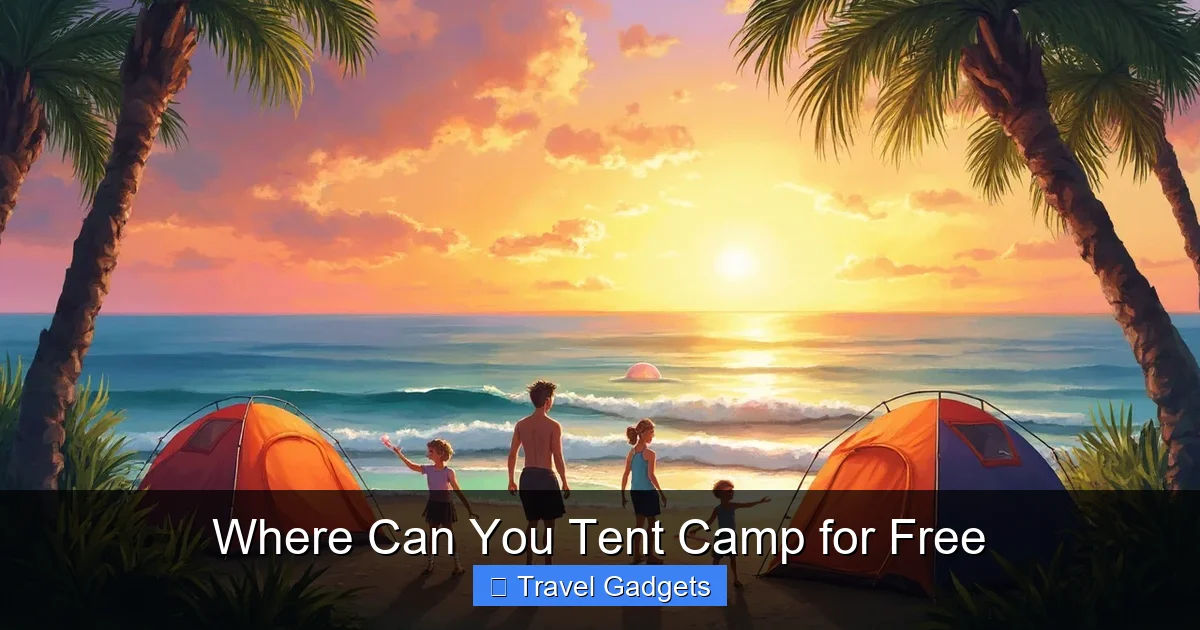
Another excellent option for free tent camping is the U.S. Forest Service’s national forests. These lands cover nearly 193 million acres and are managed to provide public access to outdoor recreation.
Free Dispersed Camping in National Forests
Most national forests allow dispersed camping in undeveloped areas. This means you can camp up to 15 days in any 30-day period in most cases, as long as you’re at least 1/4 mile from roads and water sources.
Top National Forests for Free Camping
- Sawtooth National Forest (ID): Famous for its rugged peaks and alpine lakes, this forest allows free camping in many backcountry zones.
- Shoshone National Forest (WY): Known as the first national forest, it offers wide-open spaces and minimal crowds for true solitude.
- Cibola National Forest (NM): Home to the Sandia Mountains and high-desert landscapes, it’s perfect for tent campers seeking elevation and views.
How to Find Openings
Use apps like FreeRoam or CamperContact, which track real-time availability and user reports. You can also call the local ranger station—many have up-to-date info on road conditions and closures.
—
3. State Parks with Free Camping Options
Visual guide about Where Can You Tent Camp for Free
Image source: motorhomehirenottingham.co.uk
While most state parks charge entrance or camping fees, some offer free tent camping under specific conditions.
Primitive Camping
Some state parks designate certain areas as “primitive” or “backcountry” zones where camping is free but facilities are nonexistent. These sites often require a hike-in and strict packing rules.
Free Camping Events
Many states host annual “Free Camping Days” or “Open House” weekends where admission is waived. Examples include:
- Colorado State Parks: Offers free camping every September during “Colorado State Parks Week.”
- Georgia State Parks: Hosts “Free Camping Saturdays” monthly in summer.
- Virginia State Parks: Provides free entry on select Fridays each month.
Always verify dates and rules on official state park websites. Some still require permits even during free events.
—
4. Military Bases: Surprising Free Camping Spots
Did you know some U.S. military bases allow public access for free tent camping? While not common everywhere, several installations welcome outdoor enthusiasts.
Examples of Base Camping Programs
- Fort Bragg (NC): Offers free camping in designated areas for active-duty and retired personnel, with limited public access during off-hours.
- Joint Base Lewis-McChord (WA): Allows free tent camping in certain training areas with prior permission.
- Yuma Proving Ground (AZ): Occasionally opens land for public camping during low-use periods.
How to Apply
Contact the base’s public affairs office or visitor control. Be prepared to provide identification and possibly fill out a form. Rules vary widely, so don’t assume access without confirmation.
—
5. National Monuments and Public Lands
Beyond forests and BLM land, national monuments often allow free dispersed camping. These protected areas preserve cultural, historical, and natural resources while offering access to the public.
Examples
- Grand Staircase-Escalante National Monument (UT): Vast wilderness with miles of free camping along dirt roads.
- Organ Pipe Cactus National Monument (AZ): Remote desert terrain allows tent camping in designated areas.
- Carson-Ironton Caldera (CA): Less known but open for free camping in rugged volcanic landscapes.
Check the National Park Service (NPS) website for current regulations. Some monuments restrict camping near archaeological sites or sensitive habitats.
—
6. Tips for Successful Free Tent Camping
Finding a spot is only half the battle. To make your trip safe, enjoyable, and sustainable, follow these essential tips.
Pack Light, Pack Smart
Bring only what you need: a lightweight tent, sleeping bag rated for the season, headlamp, and compact stove. Avoid leaving any trace behind.
Know the Rules
Each agency has different regulations. For example:
- BLM: Max 14 nights in one area
- National Forests: 15 nights per 30-day period
- State Parks: Often shorter stays
Use Technology Wisely
Download offline maps (like Gaia GPS or Maps.me) because cell service is rare. Bring a physical map and compass as backup.
Practice Fire Safety
In dry regions, campfires may be prohibited. Use a portable stove instead. If you must have a fire, keep it small and fully extinguish it with water.
Respect Wildlife
Store food in bear-proof containers or hang it properly. Never feed animals—it’s illegal and dangerous.
—
7. Apps and Resources to Find Free Camping Spots
Technology makes finding free camping easier than ever. Here are some top tools:
- FreeRoam: Tracks real-time availability of free and paid campsites across national forests and BLM land.
- Campendium: User-driven reviews of campsites, including free ones, with photos and GPS coordinates.
- FreeCamping.us: Dedicated directory of free camping locations in the U.S., updated regularly by users.
- iOverlander: Great for road trippers, showing free overnight parking and camping spots nationwide.
Bookmark these before your trip. They save time and help you avoid overcrowded or closed areas.
—
Conclusion: Adventure Awaits—Without the Price Tag
Tent camping for free is more than a money-saving trick—it’s a gateway to deeper connection with nature. Whether you’re stargazing in the Mojave Desert, hiking into a sequoia grove, or waking up beside a mountain stream, free camping brings you closer to the soul of the outdoors.
With millions of acres of public land open to responsible recreation, there’s no excuse not to go. Just remember: with freedom comes responsibility. Follow Leave No Trace principles, respect wildlife, and leave no trace of your visit.
So pack your tent, grab your boots, and start planning your next adventure. The wilderness is calling—and it won’t cost you a cent.
Frequently Asked Questions
Can I camp for free on BLM land year-round?
Yes, but always check for seasonal restrictions. Some areas close due to snow or fire danger. Visit the BLM website or call the local office for updates.
Is dispersed camping legal on national forest land?
Yes, in most cases. You can camp up to 15 days in a 30-day period, as long as you’re at least 1/4 mile from roads and trails. Always follow posted signs and agency guidelines.
Are there free tent campsites near major cities?
Absolutely. Areas like Red Rock Canyon near Las Vegas or the Chattahoochee National Forest near Atlanta offer free camping just hours from city life.
Do I need a permit for free camping?
In most cases, no. However, some state parks or special-use areas may require a permit even for free camping. Always check local regulations before setting up.
Can I camp for more than two weeks for free?
Typically, no. Federal and state agencies limit stays to protect the environment and ensure fair access. Usually, it’s 14–15 days per 30-day period.
What should I do if I find someone else camping illegally?
If you see unsafe or unethical camping (like too close to water or roads), report it to the nearest ranger station. Avoid confrontation and prioritize safety.