
Finding the right tent can make or break your camping experience. Whether you’re a beginner camper or a seasoned explorer, knowing where to get a tent is essential. This guide walks you through trusted local and online retailers, tips for choosing the perfect model, and smart shopping strategies to save money without sacrificing safety or comfort.
There’s something magical about stepping into the great outdoors—breathing in fresh air, listening to birds chirp, and falling asleep under a canopy of stars. But before you can enjoy those peaceful moments, you need shelter. A good tent protects you from wind, rain, and wildlife, turning a campsite into a cozy retreat. So where do you go to find one? The answer depends on how much time you want to spend shopping, how serious you are about camping, and whether you prefer to see and test gear in person.
Check the latest prices and available rooms before they sell out.
Whether you’re planning your first backpacking trip or upgrading your gear for a family camping weekend, knowing where to get a tent is the first step toward a successful adventure. You could head straight to the nearest big-box store, but that might not be your best bet. Instead, consider a mix of local shops, trusted online retailers, and even secondhand markets—each offering unique advantages. In this guide, we’ll walk you through all the top places to buy a tent, what to look for, and how to score the best deal without compromising on quality.
Key Takeaways
- Local outdoor stores offer hands-on advice: Staff are often experienced campers who can help you pick the right tent for your needs and budget.
- Online retailers provide convenience and reviews: Websites like REI, Amazon, and Backcountry let you compare models, read real user feedback, and shop from home.
- Check seasonal sales for big savings: Look for end-of-season clearances or holiday deals to snag high-quality tents at discounted prices.
- Consider secondhand options carefully: Platforms like Facebook Marketplace or GearTrade can offer great deals, but inspect condition before buying.
- Don’t overlook brand reputation: Reputable brands like Coleman, REI Co-op, and The North Face offer reliable warranties and durable designs.
- Read customer reviews thoroughly: Real-world experiences from other campers help you avoid common pitfalls and choose a tent that performs well in the wild.
📑 Table of Contents
1. Local Outdoor Specialty Stores
If you want expert advice and the chance to feel the fabric and setup a tent before buying, local outdoor stores are your best friend. These shops specialize in hiking, camping, and outdoor gear, so their staff usually have real-world experience. They can ask you questions like, “How many people will be sleeping in it?” or “Will you be backpacking or car camping?” and recommend models that match your needs.
Stores like REI Co-op, Academy Sports + Outdoors, or independent shops in your area often carry top brands such as The North Face, MSR, and Big Agnes. Plus, many offer free workshops on tent setup and camping basics—perfect if you’re just starting out. Shopping locally also supports small businesses and reduces your carbon footprint from shipping.
One advantage of visiting a physical store is that you can test the tent’s weight, ease of assembly, and ventilation. You’ll also get immediate answers to questions about waterproof ratings, pole materials, and warranty policies. Just remember to call ahead—some stores may require appointments for tent demonstrations.
Benefits of Buying Locally
- Expert guidance: Knowledgeable staff help you avoid costly mistakes.
- Hands-on testing: Try before you buy to ensure comfort and usability.
- Support local business: Keep money in your community.
- Immediate support: Get repairs or returns done quickly if issues arise.
2. Major Online Retailers
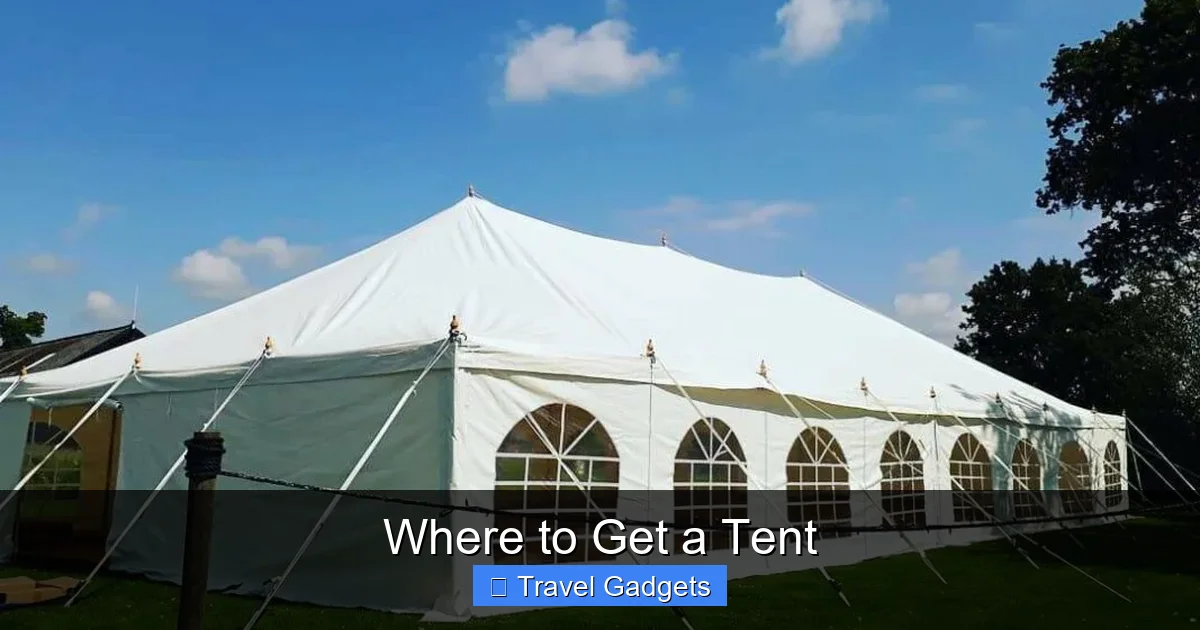
Visual guide about Where to Get a Tent
Image source: tentwarehouse.co.za
Find the Best Accommodation Deals
Compare prices from multiple booking platforms and find the best option for your stay.
Compare Hotel PricesFor most people, convenience is king—and when it comes to shopping for a tent, online retailers deliver. Websites like Amazon, REI.com, Backcountry.com, and Coleman.com offer thousands of models, detailed product descriptions, customer photos, and honest reviews. You can compare prices, check return policies, and even track your order—all from your couch.
Online shopping is especially useful during off-seasons. For example, after summer camping season ends in September, retailers often discount tents by 30% or more. You might find a $200 tent for $140. These sites also frequently run flash sales, especially around holidays like Memorial Day or Black Friday.
Find the Best Accommodation Deals
Compare prices from multiple booking platforms and discover the best stay options available.
⭐ Trusted by thousands of travelers
💰 Budget to luxury options available
Another perk? Free shipping over certain amounts (usually $50–$75). And if you’re an REI member, you get access to exclusive deals and free shipping on almost every order. Be sure to read the fine print—some tents come with limited warranties, and returns may require original packaging.
Tips for Safe Online Tent Shopping
- Check seller ratings: Stick to verified sellers with 4+ star ratings.
- Read recent reviews: Focus on comments posted within the last year.
- Look for video demos: Some products include setup videos that clarify complex instructions.
- Verify dimensions: Make sure the tent fits your vehicle and campsite layout.
3. Big-Box Sporting Goods Stores
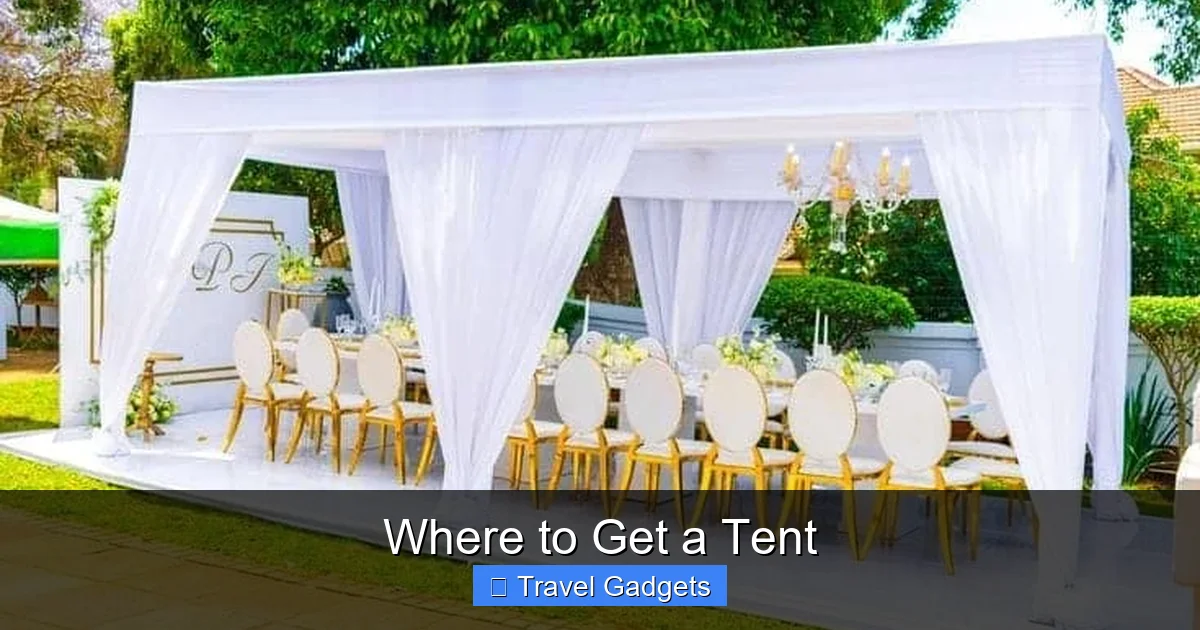
Visual guide about Where to Get a Tent
Best Stay Deals Available
Compare prices across top booking platforms and find the best deal for your stay.
Check Available RoomsImage source: tentwarehouse.co.za
Stores like Walmart, Dick’s Sporting Goods, and Target aren’t just for casual shoppers—they also stock a wide range of affordable tents. Walmart, in particular, has become a surprising hotspot for budget-friendly outdoor gear. You’ll find everything from pop-up tents for tailgating to four-season expedition models.
While these stores may not offer the same level of expertise as specialty shops, they’re ideal if you want a quick, no-frills purchase. Prices are often lower than online or specialty stores, and you can grab your tent while picking up snacks, coolers, or camping chairs.
Keep in mind that cheaper doesn’t always mean better. Low-cost tents may use thinner fabrics, weaker poles, or less reliable zippers. If you plan to camp regularly, investing in a slightly higher-priced model from a reputable brand will pay off in durability and comfort.
Best Tents Under $100 at Big-Box Stores
- Coleman Sundome: Great for beginners; sets up in minutes.
- ALPS Mountaineering Lynx: Lightweight option under $150.
- Eureka! QuickPitch: Compact and easy to assemble.
4. Secondhand and Resale Markets
Visual guide about Where to Get a Tent
Image source: s3.amazonaws.com
Thrifting a tent might sound odd—after all, you’ll be sharing it with bugs and dirt. But with proper cleaning and inspection, used tents can be a steal. Platforms like Facebook Marketplace, Gazelle, GearTrade, and eBay are full of gently used camping gear.
When buying secondhand, focus on condition. Ask for detailed photos, especially of seams, zippers, and rainfly. Check for mold, tears, or stretched fabric. If possible, meet in person and test the setup. Most sellers are open to negotiation, especially if the tent has minor wear.
Another benefit: eco-friendliness. Giving a second life to outdoor gear reduces waste and helps you save money. Just remember to wash the tent with mild soap and water after purchase, then dry it completely before storing.
How to Spot a Good Used Tent
- No mildew smell: Musty odors indicate poor drying and potential mold.
- Zippers work smoothly: Stiff or broken zippers ruin the experience.
- Poles aren’t bent or cracked: Replaceable poles are a plus.
- Original packaging included: Makes returns easier if needed.
5. Direct from Manufacturer Websites
Some brands sell directly to consumers, cutting out middlemen and often offering exclusive discounts. Companies like Coleman, Eureka!, and Kelty allow you to buy directly from their websites. This route ensures authenticity and lets you access special promotions, bundles (like tent + stakes + footprint), and extended warranties.
Manufacturer sites also provide the most accurate product information, including specs, materials, and care instructions. You’ll rarely find misleading reviews or counterfeit products here. Plus, if something goes wrong, you can contact support directly.
However, shipping costs and longer delivery times may be drawbacks. Still, for serious campers, buying direct often means better value and peace of mind.
Top Brands to Consider
- Coleman: Reliable, affordable, great for beginners.
- REI Co-op: High-quality, eco-conscious, excellent warranties.
- Big Agnes: Ultra-lightweight, innovative designs.
- MSR: Durable, weather-resistant, ideal for harsh conditions.
6. Rental Services and Gear Sharing
Not ready to commit to a tent? Consider renting. Many outdoor outfitters and national parks offer tent rentals for day trips or short-term stays. This is perfect if you only camp occasionally or want to try different styles before buying.
Some companies even allow you to “rent-to-own,” where part of your rental fee counts toward ownership. While this isn’t available everywhere, it’s worth asking about if you’re unsure which tent suits you best.
Renting also lets you test gear in real conditions—say, a three-season tent on a mountain hike—before investing. Just make sure to follow return policies and clean the tent properly to avoid fees.
Rental Options to Explore
- Local outdoor outfitters: Often offer guided trips with gear included.
- National park concessionaires: Provide rentals near trailheads.
- Peer-to-peer platforms: Try Tentrr or CampStay to rent from fellow campers.
Final Tips Before You Buy
Once you know where to get a tent, focus on what matters most: fit, function, and durability. Start by asking yourself:
– How many people will sleep inside?
– Will you be backpacking or car camping?
– What weather conditions will you face?
– How often will you use it?
Then, compare prices across platforms. Set up a price-tracking tool (like Honey or CamelCamelCamel) to alert you when deals drop. And never skip reading reviews—even on the manufacturer’s site, third-party opinions reveal hidden flaws.
Remember, a tent is more than a piece of nylon and poles. It’s your sanctuary in nature. Choose wisely, and it will serve you well for years of adventures.
Frequently Asked Questions
Can I buy a tent online and return it if it doesn’t fit?
Yes, most major retailers like REI and Amazon offer generous return policies. Just keep the original packaging and return within the specified window. Always check the return terms before purchasing.
Are used tents safe to buy?
Used tents can be safe if inspected carefully. Look for no mold, working zippers, and intact poles. Meet in person when possible and ask detailed questions about usage and storage.
What’s the difference between a 2-person and 3-person tent?
A 3-person tent offers more space for two people plus gear, while a 2-person tent is lighter and easier to set up. Choose based on your group size and how much room you need for comfort.
Should I prioritize weight or durability?
It depends on your trip type. For backpacking, weight matters most. For car camping, durability and space are more important. Balance both based on your primary use case.
Do I need a separate footprint for my tent?
Not always, but a footprint (an extra ground cloth) adds protection and extends the tent’s life. Many high-end tents include one, but if yours doesn’t, it’s a worthwhile add-on.
How do I clean and maintain my tent?
Spot-clean with mild soap and water. Avoid machine washing. Dry completely before storing in a breathable bag. Never fold when wet—this causes mildew and fabric damage.