
Ready to trade city lights for starry skies? Finding the perfect spot to go camping in a tent near you doesn’t have to be hard. Whether you’re a seasoned camper or trying it for the first time, local parks, forests, and lakes offer easy access to nature’s beauty—without the long drive. This guide walks you through how to find, choose, and enjoy your nearest wilderness getaway with confidence.
There’s something magical about waking up to birdsong instead of car alarms, breathing fresh air, and falling asleep under a canopy of stars. If you’ve ever thought, “Where can I go camping in a tent near me?”, you’re not alone. More people than ever are rediscovering the joy of simple outdoor adventures—and the great news is, you don’t need to travel far to enjoy them.
Check the latest prices and available rooms before they sell out.
Whether you’re escaping the daily grind for a weekend or looking for a budget-friendly family outing, local camping options are often just a short drive away. The key is knowing where to look and what to bring. In this guide, we’ll walk you through everything you need to know to find, prepare for, and enjoy your next tent camping trip—right in your own backyard (or nearby).
Key Takeaways
- Know your location: Use apps like AllTrails or Google Maps to find nearby campgrounds with tent sites.
- Check regulations: Some parks require permits or restrict tent camping to specific areas.
- Practice Leave No Trace: Pack out all trash, use established fire rings, and respect wildlife.
- Bring essential gear: A good tent, sleeping bag, flashlight, and first aid kit are non-negotiable.
- Plan for weather: Check forecasts before you go and pack layers, rain gear, and bug spray.
- Test your setup: Practice pitching your tent at home to avoid midnight struggles in the dark.
📑 Table of Contents
- How to Find Camping Spots Near You
- Types of Tent Camping Locations
- What to Bring When You Go Camping in a Tent Near You
- How to Prepare for Your First Tent Camping Trip
- Best Practices for Safe and Respectful Camping
- Top Tips for a Comfortable Night Under the Stars
- When Is the Best Time to Go?
- Making It a Regular Adventure
How to Find Camping Spots Near You
Finding a place to go camping in a tent near you starts with knowing where to look. With so many resources available, you don’t need to rely on word of mouth or outdated guidebooks anymore.
Start by using online tools like AllTrails, ReserveAmerica, or even Google Maps. These platforms let you filter by distance, amenities, and activity type—like hiking, fishing, or just relaxing by the water. Simply enter your ZIP code, and you’ll get a list of public and private campgrounds within a few miles. Many also include photos, reviews, and real-time availability.
If you prefer national parks, check the NPS website for campsites near you. While some popular spots fill up months in advance, lesser-known parks often have walk-in options. For example, if you live near the Midwest, consider places like Custer State Park in South Dakota or Shawnee National Forest in Illinois—both offer scenic tent sites with minimal crowds.
Don’t forget state parks! They’re usually close to urban centers and often have affordable or free tent-only zones. A quick search for “tent camping near me [your state]” will reveal hidden gems that locals love but tourists rarely discover.
Using Apps to Simplify Your Search
Apps have revolutionized how we find camping spots. AllTrails isn’t just for hikers—it has a robust camping section where users share detailed reviews, site conditions, and even photos of actual tent pads. You can sort by “best rated,” “closest to me,” or “most affordable.”
Another favorite is Hipcamp, which includes everything from BLM land to private ranches. It’s especially useful for off-the-grid experiences, like glamping in a field with solar-powered lights. And since it’s user-generated, you’ll get honest feedback about restrooms, water access, and noise levels.
Find the Best Accommodation Deals
Compare prices from multiple booking platforms and find the best option for your stay.
Compare Hotel PricesTypes of Tent Camping Locations
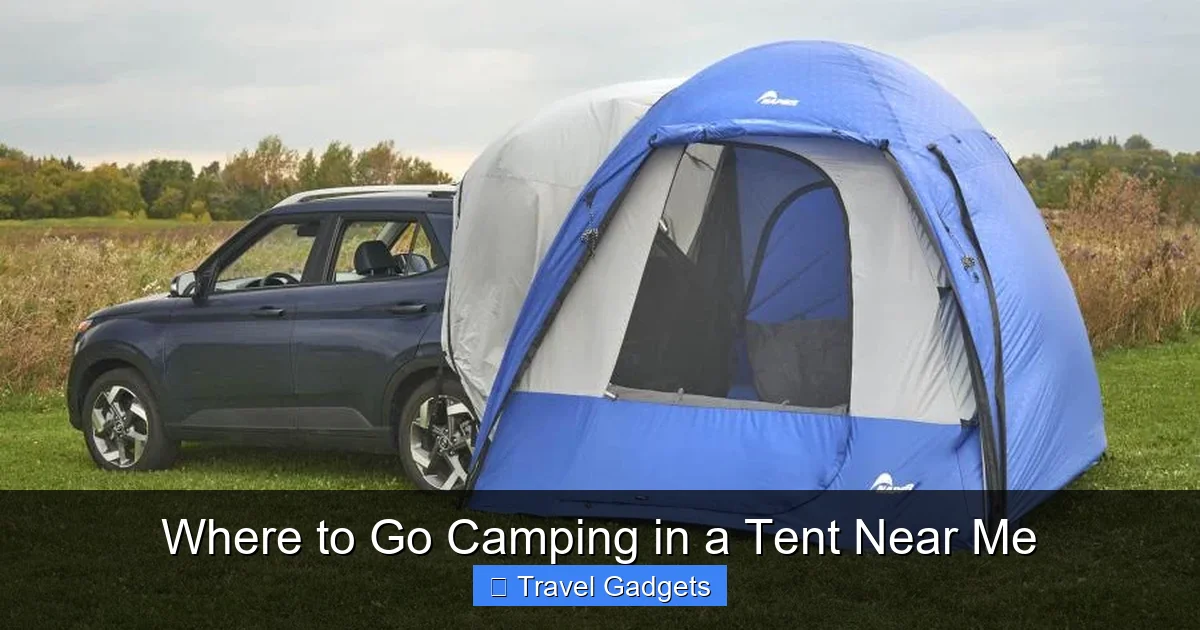
Visual guide about Where to Go Camping in a Tent Near Me
Find the Best Accommodation Deals
Compare prices from multiple booking platforms and discover the best stay options available.
⭐ Trusted by thousands of travelers
💰 Budget to luxury options available
Image source: shop.torontohyundai.com
Not all camping spots are created equal. Depending on your needs and experience level, you might prefer different types of locations. Here are the most common options:
1. Public Campgrounds
These are managed by local governments and are usually the most accessible. They often have restrooms, picnic tables, and fire pits. Some charge a small fee per night; others are free. Look for ones that allow overnight tent stays without requiring a reservation.
Best Stay Deals Available
Compare prices across top booking platforms and find the best deal for your stay.
Check Available Rooms2. National Forests
Administered by the U.S. Forest Service, these lands allow dispersed camping (setting up anywhere along a road or trail). There’s no fee, but facilities are minimal. Perfect for privacy-seekers who don’t mind roughing it a bit.
3. State Parks
Great balance between accessibility and natural beauty. Most have designated tent sites with basic amenities. Examples include Lake Mead in Nevada or Myrtle Beach State Park in South Carolina. Reservations are often recommended during peak seasons.
4. Private Campgrounds
Think KOA, Yogi Bear Jellystone Parks, or boutique outdoor resorts. These usually cost more but offer showers, Wi-Fi, and sometimes guided activities. Ideal if you want comfort while still being outdoors.
What to Bring When You Go Camping in a Tent Near You
Visual guide about Where to Go Camping in a Tent Near Me
Image source: thumbs.dreamstime.com
Packing smart saves stress and keeps you safe. Start with the essentials:
- Tent: Choose one rated for at least two people and appropriate for the season. Practice setting it up before you leave.
- Sleeping bag and pad: A warm bag (rated to 30–40°F) and an insulated pad prevent heat loss from the ground.
- Headlamp or flashlight: Hands-free lighting is a game-changer when gathering wood or using the bathroom at night.
- First aid kit: Include bandages, antiseptic wipes, tweezers, and any personal medications.
- Portable stove or fire starter: Cooking over a fire is fun, but a compact stove works better in windy or wet conditions.
- Water and filtration system: Carry at least 2 liters per person per day. A water filter or purification tablets help if refilling from streams.
- Weather-appropriate clothing: Pack moisture-wicking base layers, insulating mid-layers, and a waterproof shell.
Don’t forget food! Bring easy-to-prepare meals like pasta, eggs, canned beans, or pre-made foil packets. Avoid leaving strong-smelling items in your tent—bears and raccoons will investigate!
Pro Tip: The “Pack Light, Pack Right” Rule
Overpacking leads to discomfort and extra weight. Stick to the basics, and remember: every ounce matters if you’re hiking to your site. Use packing cubes to stay organized, and keep frequently used items (like your headlamp or snacks) in easy-to-reach pockets.
How to Prepare for Your First Tent Camping Trip
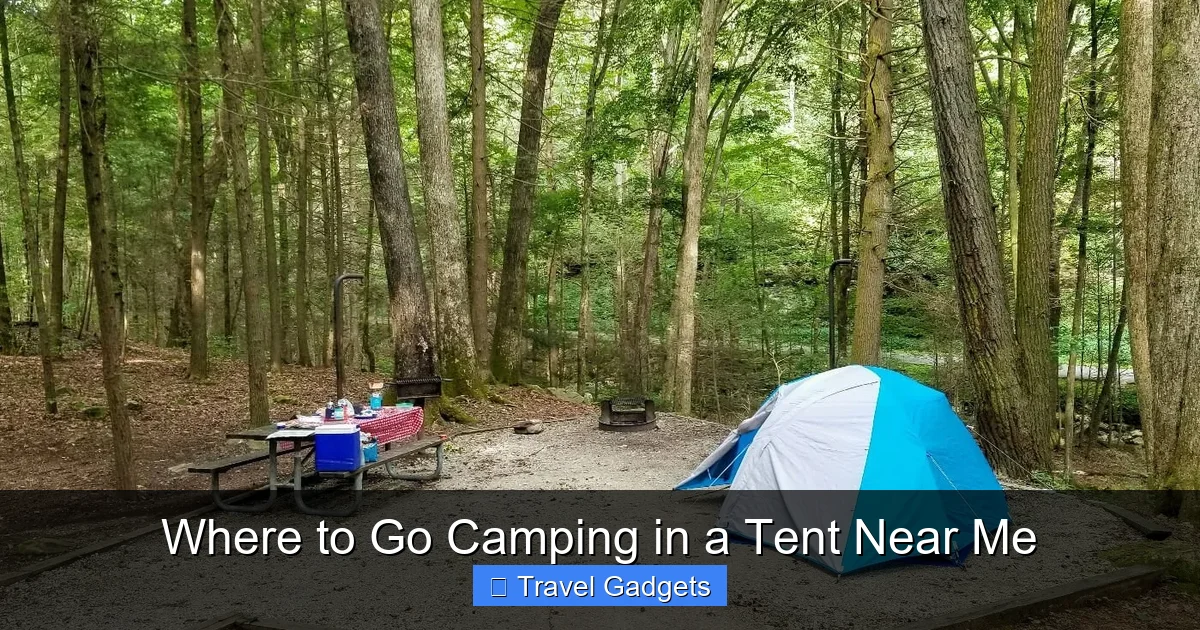
Visual guide about Where to Go Camping in a Tent Near Me
Image source: images.squarespace-cdn.com
If you’ve never camped before, the idea can feel overwhelming. But starting local makes it manageable. Here’s how to prep like a pro:
Step 1: Scout the Location
Before your trip, visit the site during daylight hours (if possible). Walk the trail to your tent spot, note water sources, and identify potential hazards like loose rocks or poison ivy. This reduces surprises later.
Step 2: Tell Someone Your Plans
Always let a friend or family member know where you’re going and when you expect to return. Include the name of the campground, your site number (if reserved), and your cell phone number. Better yet, carry a fully charged power bank—cell service may be spotty.
Step 3: Test Your Gear
Set up your tent in your driveway or backyard. Practice cooking on your stove, and test your headlamp batteries. Nothing ruins a trip like a tent that won’t stand up or a broken zipper.
Step 4: Follow Local Rules
Every park has its own rules. Some ban open fires after drought warnings. Others require you to hang food in bear bags. Read the posted guidelines or ask a ranger before settling in.
Best Practices for Safe and Respectful Camping
Camping should leave the environment cleaner than you found it. Follow these principles:
Leave No Trace
This means:
- Packing out all trash—even apple cores and orange peels.
- Using biodegradable soap sparingly and 200 feet away from water sources.
- Staying on designated trails to protect vegetation.
- Keeping noise levels low so wildlife isn’t disturbed.
Bear Safety Basics
In bear country, store food properly:
- Use bear-proof containers if provided.
- If not, hang food at least 10 feet high and 4 feet out from tree trunks.
- Avoid cooking near your tent—use a fire ring at least 100 feet away.
Fire Safety
Only build fires in designated rings. Never leave a fire unattended, and ensure it’s completely extinguished before bedtime. Drown it, stir the ashes, and repeat until cool to the touch.
Top Tips for a Comfortable Night Under the Stars
Even experienced campers can struggle with discomfort. Here’s how to sleep well:
Choose the Right Spot
Avoid low-lying areas where cold air drains. Pitch your tent on slightly elevated ground. Also, position it so the entrance faces away from prevailing winds.
Insulate From Below
A thick foam sleeping pad can make a huge difference. It blocks cold from the ground and adds cushioning for back support.
Ventilate Your Tent
Keep one vent open at night to reduce condensation. Too much moisture inside your tent makes everything damp and uncomfortable.
Dress for Bed
Wear moisture-wicking pajamas and bring a hat—your head loses heat fast. If it’s chilly, add a fleece or down jacket to your sleeping bag liner.
Use Earplugs and Eye Masks
Wildlife sounds or rustling leaves might keep you awake—but earplugs help. An eye mask blocks out light, simulating nighttime even on bright moonlit nights.
When Is the Best Time to Go?
Timing affects both comfort and crowd levels. Late spring and early fall are ideal—mild temperatures, fewer bugs, and beautiful foliage. Summer offers longer days but can mean heat, bugs, and full campsites. Winter camping is peaceful and quiet, but requires specialized gear and preparation.
Check seasonal advisories before heading out. Snow, flooding, or fire bans can close trails or sites unexpectedly.
Making It a Regular Adventure
Once you’ve had one great trip, you’ll want more. Make it easy by keeping a “camping checklist” handy. Save your favorite spots in a digital notebook or map app. Invite friends or family regularly—turn it into a tradition.
And don’t worry about being “roughing it.” Modern camping gear lets you enjoy nature without sacrificing comfort. Think solar lanterns, portable Wi-Fi hotspots (for emergencies!), and lightweight cots for extra sleep support.
The truth is, going camping in a tent near you isn’t about distance—it’s about connection. To the trees, the sky, the quiet hum of life outside the screen. Every trip teaches something new: patience, observation, gratitude. And honestly? That’s worth more than any gadget.
So pack up your tent, grab your coffee thermos, and step outside. Your next adventure starts just beyond your doorstep.
Frequently Asked Questions
How do I find free tent camping near me?
Search “free camping near me” on Google Maps or check websites like FreeCampsites.net. Many BLM and national forest areas allow dispersed camping without fees. Always verify current regulations and practice Leave No Trace.
Can I camp legally in my backyard?
In most residential areas, zoning laws prohibit overnight camping in private yards. However, some rural or agricultural zones may allow it. Check with your local municipality—some cities even offer tiny lot camping programs for residents.
Is it safe to camp solo?
Yes, with preparation. Tell someone your plans, carry a whistle and flashlight, and choose a well-reviewed site. Trust your instincts—if something feels off, leave. Solo camping builds confidence and independence.
What if I don’t have a car?
Look for campgrounds near public transit lines or towns with shuttle services. Some cities offer bike-in camping or even pop-up sites in parks. Apps like Campendium filter by accessibility.
Do I need a permit to camp in national forests?
No permit is needed for dispersed camping on most national forest land—just follow Leave No Trace principles and camp at least 100 feet from waterways. Some areas may have seasonal restrictions, so always check signage.
How do I keep bugs away while camping?
Use EPA-approved insect repellents containing DEET or picaridin. Wear long sleeves and pants, especially at dawn and dusk. Hang a mosquito net over your tent if needed. Citronella candles work well around dining areas.