
Banff National Park offers some of Canada’s most stunning tent camping experiences, from lakeside shores to rugged backcountry trails. Whether you’re a first-time camper or a seasoned adventurer, these carefully selected sites blend natural beauty with essential amenities. With breathtaking mountain views, crystal-clear rivers, and abundant wildlife, your tent awaits under Alberta’s open skies.
Key Takeaways
- Wilderness Access: Banff offers both front-country and backcountry tent camping options for all experience levels.
- Reservations Required: Popular sites like Lake Louise and Johnston Canyon fill up months in advance—book early!
- Amenities Vary: Some campgrounds offer showers and potable water; others are truly remote and rustic.
- Safety First: Always carry bear spray, know park regulations, and practice Leave No Trace principles.
- Best Time to Visit: Summer (June–August) is ideal, but shoulder seasons offer fewer crowds and cooler temps.
- Permits Needed: Backcountry camping requires permits, which can be reserved online or at ranger stations.
- Gear Essentials: Pack layers, a quality tent, sleeping bag rated for cold nights, and a reliable stove.
Nestled in the heart of the Canadian Rockies, Banff National Park is more than just a destination—it’s a sanctuary for outdoor lovers, nature enthusiasts, and anyone craving an escape from city life. With jagged peaks reflecting off glacial lakes, winding rivers cutting through forests, and wildlife roaming freely across vast wilderness areas, Banff delivers on every promise of a true Canadian adventure. And when it comes to experiencing this majesty up close, few things compare to pitching a tent beneath a canopy of stars.
Check the latest prices and available rooms before they sell out.
Tent camping in Banff isn’t just about putting down a sleeping bag—it’s about immersion. You wake with the sunrise over turquoise waters, hear the call of eagles overhead, and feel the crisp mountain air fill your lungs. Whether you’re setting up near the shore of Moraine Lake or nestled in a quiet forest clearing, each night spent under the stars in Banff creates memories that last a lifetime.
But where exactly should you pitch your tent? With so many incredible spots to choose from, it helps to have a guide. In this article, we’ll walk you through the best tent camping locations in Banff—from well-equipped campgrounds to remote backcountry gems—so you can plan your next mountain getaway with confidence.
Key Takeaways
- Understanding where to tent camp in banff: Provides essential knowledge
📑 Table of Contents
Top Front-Country Tent Camping Sites in Banff
For most visitors, front-country camping strikes the perfect balance between accessibility and adventure. These established campgrounds offer paved roads, basic amenities, and easy access to trailheads and attractions—all while still feeling like you’re deep in nature.
Lake Louise Campground
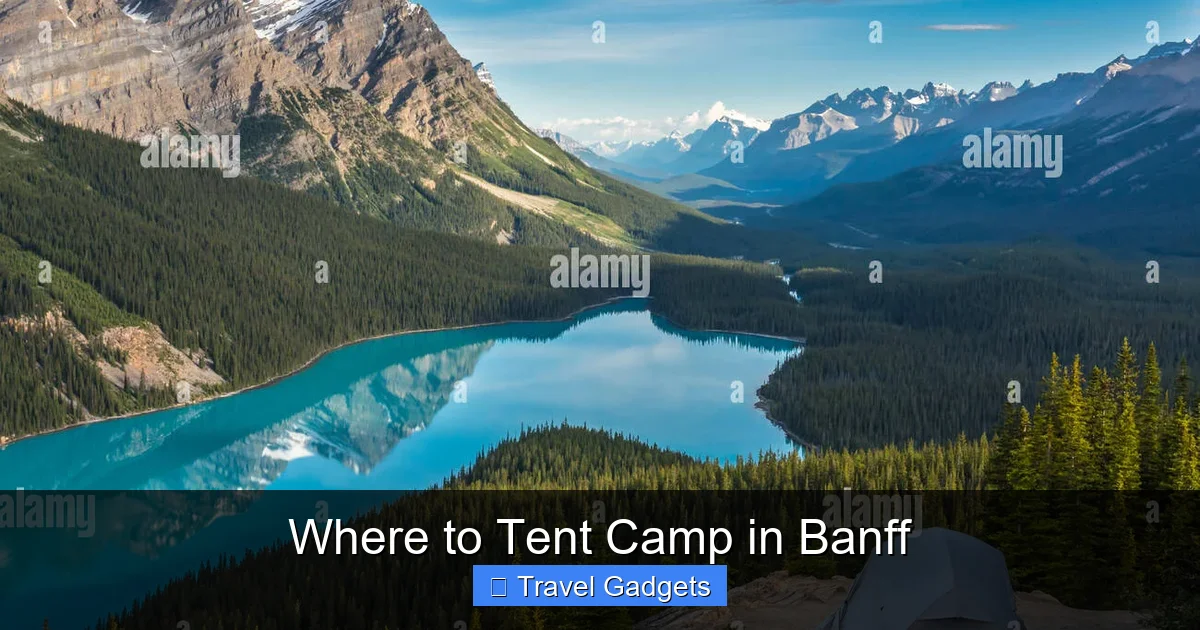
If there’s one place synonymous with Banff magic, it’s Lake Louise. The iconic turquoise lake framed by snow-capped peaks draws photographers from around the world—and campers too. While the campground fills fast, arriving early or booking months ahead can secure you a spot.
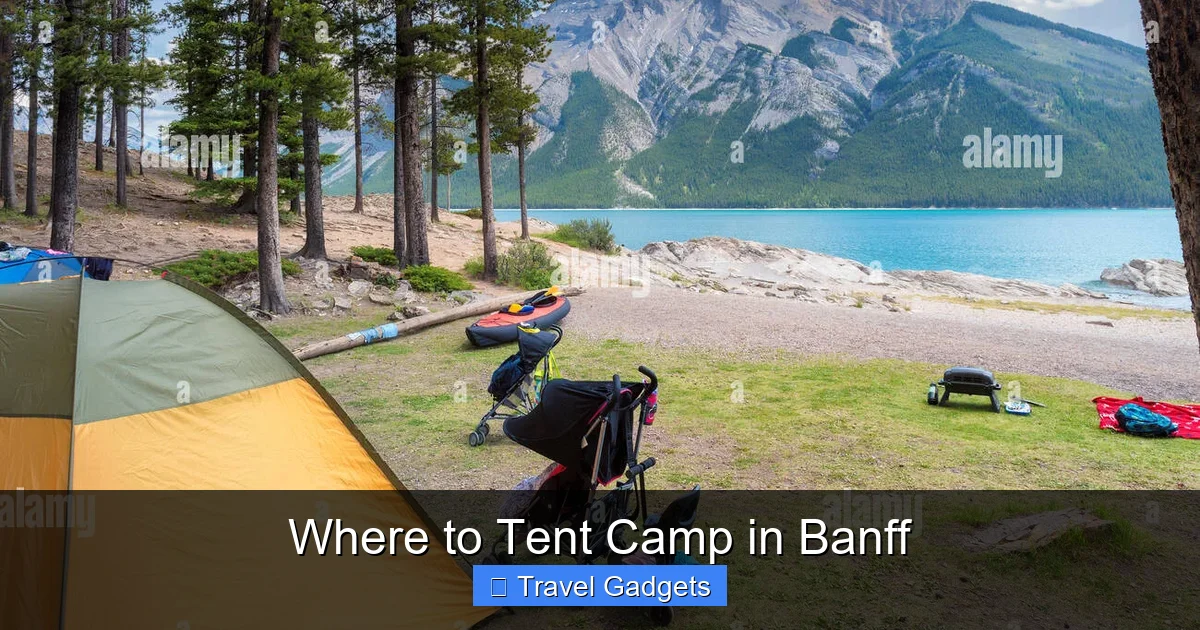
Located just 5 km from the village center, Lake Louise Campground has 400 tent and RV sites spread along the western shore. Amenities include flush toilets, potable water, a playground, and a dump station. Showers are available nearby at the Fairmont Chateau Lake Louise (for a fee). The campground operates from late May to early October.
Pro tip: Reserve via Parks Canada’s reservation system as soon as bookings open (usually in January). Even if you don’t stay here, consider day-tripping from another site to watch the sunrise over the lake—it’s unforgettable.
Two Jack Lake Campground
Just 10 km east of Banff Village, Two Jack Lake offers a quieter alternative with equally stunning scenery. This smaller campground sits on the edge of the lake, surrounded by pine forests and hiking trails.
Find the Best Accommodation Deals
Compare prices from multiple booking platforms and find the best option for your stay.
Compare Hotel PricesWith 89 sites, including 67 for tents, it rarely feels crowded. Facilities include pit toilets, potable water, and fire pits at each site. No showers, but the nearby town of Banff is only a short drive away if you need them.
The real draw? Trails like the Two Jack Lakeshore Trail and Healy Pass start right from the campground. It’s ideal for families or couples who want proximity to Banff without sacrificing solitude.
Find the Best Accommodation Deals
Compare prices from multiple booking platforms and discover the best stay options available.
⭐ Trusted by thousands of travelers
💰 Budget to luxury options available
Tunnel Mountain Lookout Campground
Want panoramic views without hiking far? Tunnel Mountain Lookout Campground sits at 1,950 meters elevation, offering sweeping vistas of Banff, Bow Valley, and beyond. It’s also home to the historic Mount Norquay Ski Area, even in summer.
This campground has 100 sites, mostly for tents and small RVs. Facilities include vault toilets and potable water. Firewood is not provided, so bring your own or buy locally. The site is open year-round—perfect for cross-country skiing or snowshoeing in winter.
Note: Access via the Trans-Canada Highway is narrow and winding. Drive slowly and pull over if needed. But the payoff? Watching the sunset paint the mountains pink is worth every cautious turn.
Best Stay Deals Available
Compare prices across top booking platforms and find the best deal for your stay.
Check Available RoomsBackcountry Camping: For the True Wilderness Explorer
If you’re ready to leave the trail behind and sleep under the stars miles from the nearest road, backcountry camping in Banff is for you. These sites require planning, permits, and self-sufficiency, but reward you with unspoiled landscapes and profound solitude.
How to Get a Backcountry Permit
All backcountry campsites in Banff require a permit, which can be obtained through Parks Canada’s online reservation system or in person at visitor centers. Permits are limited per site and time period, especially during peak season.
Visual guide about Where to Tent Camp in Banff
Image source: c8.alamy.com
You’ll need to specify your entry/exit points, duration, group size (max 12 people), and whether you’ll use a bear cache. Fees range from $10–$20 CAD per night depending on location.
Popular routes include the Johnston Canyon to Lake O’Hara loop and the Wapta Icefield trek. Always check current conditions and avalanche forecasts before heading out.
Must-See Backcountry Spots
- Lake O’Hara: One of the most beautiful alpine lakes in Banff, accessible via a challenging hike (or shuttle service). Permits required.
- Sunshine Meadows: A high-elevation grassland dotted with wildflowers in summer. Great for multi-day hikes.
- Bennett Creek: A lesser-known area along the Bow River with easy access and good fishing.
Remember: In bear country, store food properly using bear-proof containers or hang it at least 4 meters high and 2 meters from any branch. Carry bear spray and make noise while hiking.
Seasonal Considerations for Tent Camping in Banff
When you visit Banff depends on what kind of experience you want—and what’s even possible.
Summer (June to August)
This is peak season. Days are long, trails are clear, and wildflowers bloom across meadows. However, popular campgrounds fill up quickly, and mosquitoes can be fierce near water.
Visual guide about Where to Tent Camp in Banff
Image source: c8.alamy.com
Pack lightweight clothing for warm days but always bring layers—evenings drop below freezing. Rain is common, so waterproof gear is non-negotiable.
Shoulder Seasons (May & September)
Fewer crowds, lower prices, and milder weather make these months ideal for those seeking solitude. Wildflowers may still be in bloom, and snowmelt feeds rivers to their fullest.
Some facilities close early or late, so confirm operating dates before arrival. Nights are chilly even in September—bring a four-season sleeping bag.
Winter (November to April)
While most front-country sites close, Banff transforms into a winter wonderland. Cross-country skiing, snowshoeing, and ice climbing draw adventurers year-round.
Winter camping is rare due to extreme cold and limited access, but backcountry skiing routes remain open. Only experienced campers should attempt winter overnight trips—safety gear like avalanche transceivers is mandatory.
Essential Gear for Tent Camping in Banff
Visual guide about Where to Tent Camp in Banff
Image source: c8.alamy.com
Even the most beautiful campsite won’t save you if you’re unprepared. Here’s what you absolutely need:
- Quality Tent: Choose one rated for 3-season use or higher. Test it before your trip.
- Sleeping Bag: Down or synthetic rated to at least -7°C (20°F). Cold nights are common.
- Stove & Fuel: A compact backpacking stove works well for cooking and boiling water.
- Navigation Tools: Map, compass, and GPS app (download offline maps—cell service is spotty).
- Bear Spray: Required in many areas. Know how to use it.
- First Aid Kit: Include blister treatment, antiseptic, and personal meds.
- Water Purification: Filter or tablets—never rely on untreated stream water.
Bonus: Bring a headlamp with red-light mode (preserves night vision), a trowel for bathroom duties, and a reusable water bottle or hydration bladder.
Leave No Trace: Camp Responsibly in Banff
As a national park, Banff’s ecosystem is fragile. Follow these principles to protect it for future generations:
- Pack It In, Pack It Out: Carry out all trash, including food scraps.
- Cook Away from Water: Build a fire ring at least 60 meters from lakes or streams.
- Stay on Trails: Prevent soil erosion and protect plant life.
- Respect Wildlife: Observe from a distance; never feed animals.
- Keep Noise Low: Enjoy the silence—wildlife and other campers appreciate it.
Parks Canada enforces strict rules against littering and illegal fires. Violators face fines up to $25,000.
Final Thoughts: Your Banff Tent Awaits
Tent camping in Banff isn’t just an activity—it’s a gateway to connection with nature. Whether you choose the bustling energy of Lake Louise or the serene silence of a backcountry ledge, every night spent under the stars in the Rockies leaves you changed.
Plan ahead, pack smart, and respect the land. With the right preparation, your Banff adventure will be everything you dreamed of—and more. So grab your gear, lace up your boots, and step into one of Canada’s greatest gifts: wild, untamed beauty waiting just outside your tent door.
Frequently Asked Questions
Is it legal to camp anywhere in Banff National Park?
No, camping is only permitted in designated campgrounds or backcountry sites with valid permits. Unauthorized camping can result in fines. Always check current regulations at visitor centers.
Do I need reservations for front-country camping?
Yes, popular sites like Lake Louise require advance bookings through Parks Canada’s website. Walk-up availability is very limited during peak season.
Can I camp without a reservation?
In some cases, yes—especially at non-reservable sites like Two Jack Lake or Tunnel Mountain. However, arrive early and be flexible. Backcountry camping requires permits regardless.
Are there shower facilities at Banff campgrounds?
Most front-country sites do not include showers, but they’re available nearby at lodges or community centers. Plan accordingly if cleanliness is important to you.
What’s the best time of year to tent camp in Banff?
July and August offer warm days and full access, but May and September provide fewer crowds and stunning scenery. Winter camping is possible for experienced adventurers only.
How do I stay safe from bears while camping?
Store food in bear-proof containers or hang it properly. Carry bear spray, make noise while hiking, and never leave food unattended. Familiarize yourself with Parks Canada’s safety guidelines.