
Tented camps are a favorite among safari lovers because they blend luxury, comfort, and deep connection to nature. These camps offer a unique way to experience Africa’s wild landscapes without sacrificing style or convenience. Whether you’re watching lions at sunrise or sleeping under the stars, tented camps make every moment unforgettable.
Imagine waking up to the sound of elephants trumpeting just outside your tent. The air is cool, filled with the scent of acacia trees and distant fireflies. You step outside to see a giraffe grazing peacefully across the savanna. This isn’t a dream—it’s what thousands of safari travelers experience every year at tented camps across Africa.
Check the latest prices and available rooms before they sell out.
Tented camps have become the gold standard for luxury safari travel. They combine the thrill of being immersed in nature with the comforts of a five-star retreat. Whether you’re a first-time visitor or a seasoned adventurer, these camps offer something special: an authentic, intimate, and unforgettable connection to the wild heart of Africa.
But what makes tented camps so popular? It’s not just about the views or the wildlife. It’s about how they balance adventure, comfort, and responsibility. Let’s explore why more travelers are choosing the tent life for their next African safari.
Key Takeaways
- Sustainable and Eco-Friendly: Many tented camps operate with minimal environmental impact, using solar power and composting toilets to preserve fragile ecosystems.
- Authentic Wildlife Experience: Located deep within national parks or private reserves, tented camps provide close encounters with wildlife while maintaining safety and respect for animals.
- Luxury Meets Simplicity: Despite their rustic appearance, tented camps offer high-end amenities like en-suite bathrooms, fine dining, and personalized service.
- Exclusive Locations: Most tented camps are set in remote, untouched areas, offering privacy and fewer crowds compared to traditional lodges.
- Supports Local Communities: Tented camps often employ local guides, staff, and artisans, contributing directly to regional economies and conservation efforts.
- Flexible and Mobile: Some tented camps are mobile, moving between different locations to give guests a variety of wildlife viewing opportunities.
- Perfect for Photography and Romance: The open skies, natural backdrops, and intimate settings make tented camps ideal for photographers and honeymooners alike.
📑 Table of Contents
The Allure of Authenticity
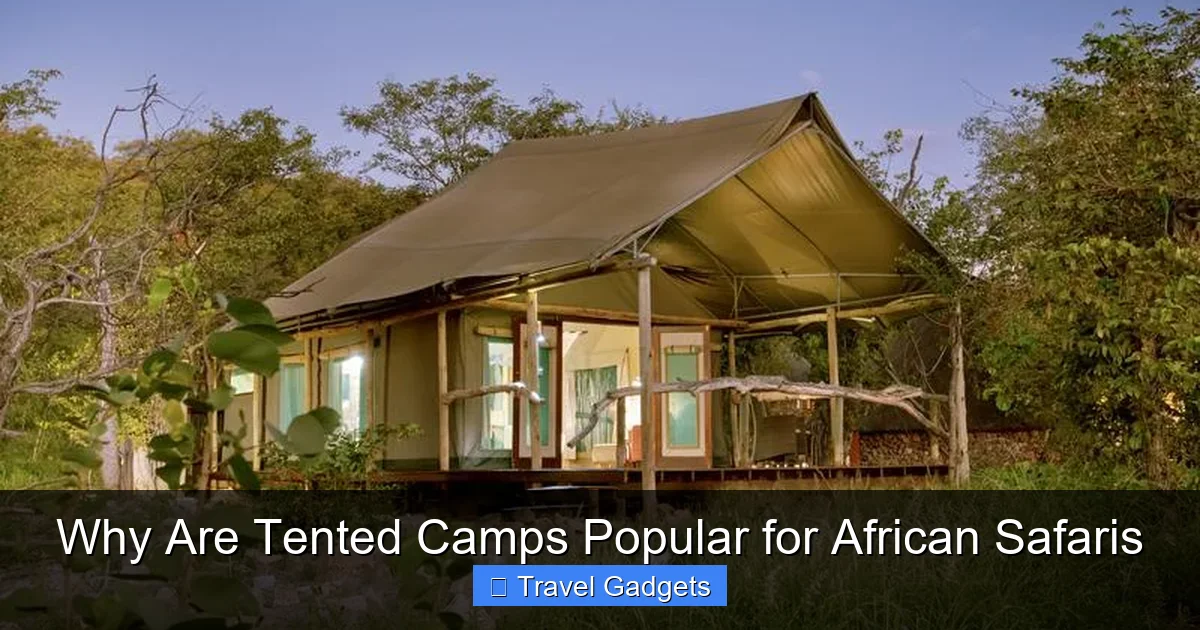
One of the biggest draws of tented camps is their ability to deliver an authentic safari experience. Unlike large, concrete lodges that can feel disconnected from nature, tented camps are designed to disappear into the landscape. Their low-profile tents blend seamlessly with the environment, offering panoramic views without blocking them.
Many tented camps are built on wooden platforms or raised decks, allowing guests to enjoy the scenery from above while staying dry during rains. The canvas walls roll up, turning your tent into an outdoor lounge. You can sip coffee at sunrise with the entire savanna stretching out before you. At night, you fall asleep to the sounds of the bush—crickets, hyenas, and maybe even a distant lion’s roar.
This sense of immersion is powerful. When you’re surrounded by nature without barriers, you start to feel part of the ecosystem, not just a spectator. That’s why many travelers describe tented safaris as “life-changing.”
Blending Luxury with Nature
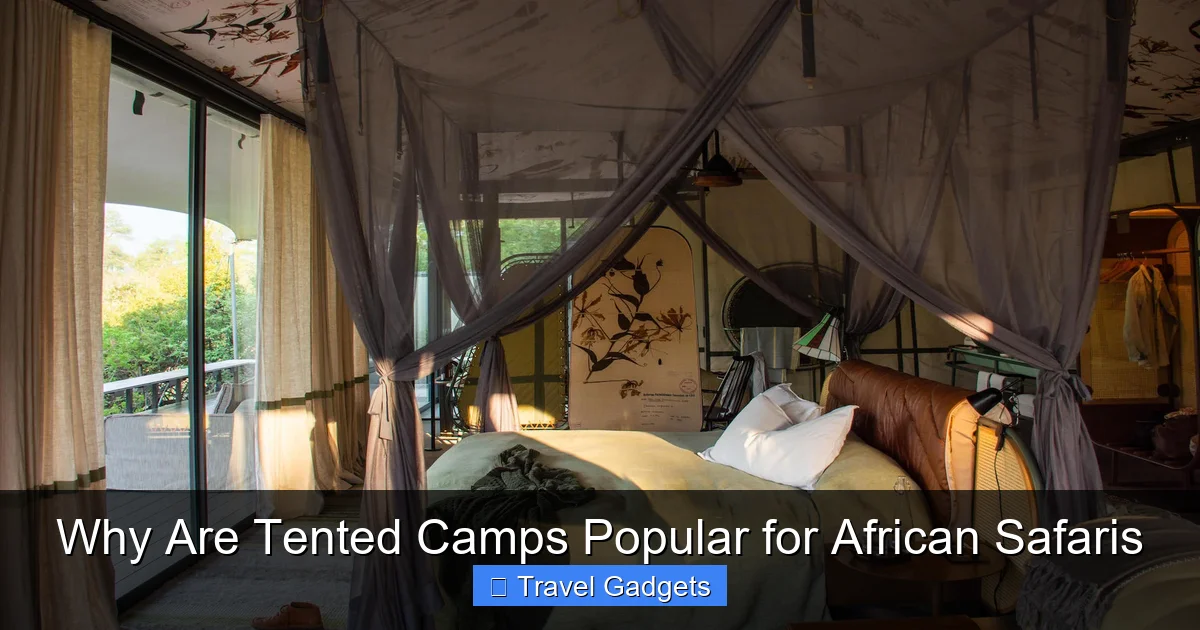
It might surprise you to learn that tented camps don’t sacrifice comfort for authenticity. In fact, many rival traditional hotels when it comes to amenities. Think plush beds with high-thread-count linens, gourmet meals prepared by expert chefs, and en-suite bathrooms with hot showers.
Some camps even feature plunge pools, fire pits, and outdoor bathtubs where you can soak under the Milky Way. The difference is that everything is wrapped in a canvas shell that opens up to the sky. This creates a rare kind of luxury—one that feels earned, not indulgent.
Find the Best Accommodation Deals
Compare prices from multiple booking platforms and find the best option for your stay.
Compare Hotel PricesFor example, &Beyond’s Ngorongoro Crater Lodge uses elegant tents with stone fireplaces and butler service, all while offering unobstructed views of the crater below. Or consider Singita’s Sabi Sands camps, where private game drives end with champagne under the stars. These aren’t rustic tents—they’re refined retreats with a wild soul.
Strategic Placement in Prime Wildlife Areas
Location is everything in a safari, and tented camps excel here. Most are situated in or near national parks, private reserves, or conservancies known for exceptional wildlife sightings. Because they’re smaller and more discreet, they can access areas larger lodges can’t.
Find the Best Accommodation Deals
Compare prices from multiple booking platforms and discover the best stay options available.
⭐ Trusted by thousands of travelers
💰 Budget to luxury options available
Take the Maasai Mara in Kenya or the Serengeti in Tanzania—both famous for the Great Migration. Tented camps like Governors’ Camp or Four Seasons Safari Lodge Serengeti offer front-row seats to wildebeest calving season. In Botswana, camps in the Okavango Delta float on stilts above waterways, giving guests access to hippos, crocodiles, and rare bird species.
Being close to wildlife means shorter drive times, more spontaneous sightings, and a deeper understanding of animal behavior. Guides at tented camps often know individual animals by name—a sign of long-term research and conservation partnerships.
Sustainability That Protects the Wild
Best Stay Deals Available
Compare prices across top booking platforms and find the best deal for your stay.
Check Available RoomsVisual guide about Why Are Tented Camps Popular for African Safaris
Image source: africansafaris.co.nz
Another reason tented camps are so appealing is their commitment to sustainability. As tourism grows, so does pressure on Africa’s ecosystems. Tented camps are often pioneers in eco-friendly practices.
Many use solar panels to power operations, reducing reliance on diesel generators. Water is conserved through rainwater harvesting and greywater recycling. Waste is minimized with composting toilets and biodegradable products. Even food is sourced locally when possible, supporting community farms and reducing carbon footprints.
For instance, Wilderness Safaris’ camps in South Africa use geothermal energy and have won international eco-certifications. Similarly, &Beyond employs waterless composting systems and trains staff in conservation biology. These efforts ensure that tourism benefits both people and wildlife.
By choosing a tented camp, travelers support businesses that prioritize the planet—not just profits. It’s a chance to explore Africa responsibly.
Community Benefits and Cultural Respect
Safari travel has a complex history, but modern tented camps are helping change that. Many now partner with local communities, employing Maasai guides, Hadza trackers, and village artisans. Guests often participate in cultural visits or conservation projects, gaining insight into indigenous ways of life.
In Tanzania, camps like Lemala Mpingo suggest guests buy handmade beadwork from local women—directly funding education and healthcare. In Namibia, community-run camps let visitors stay in homes built by residents, sharing meals and stories.
This approach creates jobs, preserves culture, and builds trust. It also gives travelers a richer understanding of the land they’re visiting. Instead of seeing Africa only through a jeep window, you’re invited to walk its paths with those who call it home.
Flexibility and Personalization
Visual guide about Why Are Tented Camps Popular for African Safaris
Image source: africaninspiredsafaris.com
One of the lesser-known perks of tented camps is their flexibility. While fixed lodges have set schedules, many tented camps offer customizable itineraries. Some are even mobile—moving between campsites every few days to follow migration patterns or weather conditions.
For example, &Beyond’s mobile camps in Botswana shift locations based on elephant movements. This dynamic approach ensures guests always see the best of the bush. It also reduces environmental impact by rotating sites instead of overbuilding.
Personalized service is another hallmark. With fewer guests than large lodges, staff can tailor every detail—from meal preferences to game drive timing. Want to watch the sun rise over a watering hole? Your guide will arrange it. Prefer a quiet dinner in your tent? Just ask.
This level of care transforms a trip from a vacation into a deeply personal journey.
Perfect for Special Occasions
Tented camps are especially popular for milestones—honeymoons, anniversaries, or family reunions. The intimacy and romance of sleeping under the stars make them ideal for couples. Picture a private candlelit dinner on your deck, with nothing but the glow of fireflies and the hoot of an owl nearby.
Families also thrive in tented camps. Many offer spacious tents with separate bedrooms, kid-friendly activities, and educational programs about wildlife. Children can learn tracking skills or help prepare meals over a fire—experiences that stay with them for life.
Photographers love tented camps too. The open layouts, natural lighting, and proximity to wildlife create stunning backdrops. Whether you’re shooting lions in golden hour or capturing the Milky Way above the savanna, the setting is pure magic.
Overcoming Common Misconceptions
Despite their growing popularity, some travelers still assume tented camps are rough or outdated. But that couldn’t be further from the truth. Modern tents are engineered for comfort and durability, using reinforced frames, waterproof canvas, and climate control systems.
Others worry about bugs or cold nights. However, most camps include mosquito nets, electric fans, and insulated bedding. In cooler regions like the Ethiopian Highlands or South Africa’s Drakensberg, guests wear warm layers—but they’re cozy inside heated tents.
Privacy is another concern, but many camps are spread out across vast areas, ensuring solitude. Others offer private decks or secluded dining spots. It’s all about choosing the right camp for your needs.
The bottom line? Tented camps have evolved far beyond their early, basic roots. Today, they represent the perfect fusion of adventure and elegance.
Tips for Choosing the Right Tented Camp
With so many options, how do you pick the best tented camp for your safari? Start by considering your priorities:
– **Wildlife Focus:** Choose a camp near famous parks like Kruger, Serengeti, or Masai Mara.
– **Luxury Level:** Look for reviews mentioning bedding quality, dining, and bathroom standards.
– **Sustainability:** Ask if the camp uses renewable energy or supports conservation.
– **Group Size:** Smaller camps (under 20 guests) offer more personal attention.
– **Activities:** Check if guided walks, night drives, or cultural visits are included.
– **Budget:** Tented camps range from mid-range to ultra-luxury—find one that fits your spending.
Book through reputable operators like &Beyond, Singita, or Wilderness Safaris. They vet camps for quality and ethics, saving you time and stress.
Remember, the best tented camp is one that aligns with your values—whether that’s luxury, adventure, or environmental responsibility.
Conclusion: Why Tented Camps Are More Than Just Tents
Tented camps aren’t just places to sleep—they’re gateways to wonder. They invite you to slow down, breathe deeply, and truly see Africa. From the moment you arrive until your final sunset, every detail is crafted to enhance your connection to the wild.
They prove that you don’t need concrete walls to feel luxurious, or crowds to feel special. Instead, tented camps offer simplicity, beauty, and a profound respect for nature. And in a world that often feels rushed and disconnected, that’s incredibly valuable.
So the next time you plan an African safari, consider skipping the ordinary lodge. Step into a tent, open the flaps, and let the bush unfold around you. You might just find that the most memorable part of your trip isn’t the game drive—it’s the peace of knowing you’ve slept beneath the same stars as the animals you came to see.
Frequently Asked Questions
Are tented camps comfortable?
Absolutely! Modern tented camps offer luxury amenities like king-sized beds, en-suite bathrooms, and gourmet dining. Despite their rustic look, they rival traditional hotels in comfort.
Do tented camps have electricity?
Most use solar power or small generators. Lighting and charging devices are common, and many camps have USB ports and reading lamps inside tents.
Can families stay in tented camps?
Yes! Many camps welcome families with spacious tents, kids’ menus, and child-focused activities. Some even offer babysitting services.
Are tented camps safe?
Yes, they’re professionally managed with trained staff, secure fencing, and experienced guides. Safety protocols are strict, especially near wildlife.
How much do tented camps cost?
Prices vary widely—from $300 to over $2,000 per person per night. Mid-range camps typically cost $500–$1,000, depending on location and inclusions.
Can I customize my safari at a tented camp?
Many camps offer flexible itineraries, private dinners, and personalized game drives. Staff work with guests to tailor experiences to their interests.