
Tent camping offers a deeper connection to nature, lower costs, and unmatched flexibility compared to RVs or cabins. Whether you’re seeking adventure, quiet, or a break from modern life, pitching a tent lets you experience the great outdoors in its purest form. It’s not just about sleeping under the stars—it’s about simplicity, sustainability, and unforgettable memories.
There’s something magical about waking up to the sound of rustling leaves, the distant call of a loon on a lake, or the crackle of a campfire under a sky full of stars. While RVs offer comfort and cabins promise convenience, there’s a growing movement toward simpler ways to explore the outdoors—and that movement starts with tent camping. More than just a temporary shelter, a tent becomes your front-row seat to nature’s daily show. It strips away the noise of modern life and replaces it with the honest sounds of wind, water, and wildlife. In an age where we’re constantly plugged in, tent camping offers a rare chance to truly unplug—and reconnect.
Check the latest prices and available rooms before they sell out.
For many, the idea of sleeping in a tent brings back childhood memories of family trips or inspires new ones. But beyond nostalgia, tent camping is making a strong case as the superior way to experience the wilderness. With advancements in gear technology, even beginners can enjoy safe, comfortable nights under the open sky. So whether you’re planning your first solo adventure or returning after years away, here’s why tent camping might just be better than any alternative.
Key Takeaways
- Greater Connection to Nature: Tent camping removes barriers between you and the environment, letting you hear birds at dawn and feel every breeze.
- Cost-Effective Adventure: Save hundreds (or even thousands) by choosing tents over RVs or resort cabins.
- Portability & Flexibility: Lightweight tents let you camp anywhere—backcountry trails, lakesides, or national parks.
- Improved Sleep Quality: Sleeping on the ground enhances rest and reduces exposure to indoor allergens.
- Eco-Friendly Experience: Minimal impact on the environment means you leave no trace behind.
- Builds Resilience & Skills: Setting up camp teaches problem-solving, teamwork, and outdoor preparedness.
- Enhanced Digital Detox: No Wi-Fi distractions—just you, nature, and real-life moments.
📑 Table of Contents
The Immersive Power of Being Close to Nature
One of the most compelling reasons why tent camping is better is the level of immersion it offers. When you sleep in an RV or cabin, you’re often separated from the environment by glass, metal, and insulation. You might see wildlife from a distance, but you don’t feel it. With a tent, every element becomes part of your experience.
Sensory Engagement Like Never Before
Tent camping engages all five senses in ways that motorhome stays simply can’t match. Imagine feeling the cool morning dew on your face, smelling pine needles after rain, or hearing frogs begin their evening chorus. These sensory details build a deeper emotional connection to place. You’re not observing nature from afar—you’re living inside it.
Even small things make a difference. The way moonlight filters through fabric at night, the crunch of gravel underfoot as you walk to the trailhead, or the warmth of the sun on your tent walls at noon—each sensation grounds you in the present moment. This mindfulness is rare when you’re driving a climate-controlled vehicle miles away from the trailhead.
Wildlife Encounters Are More Real
When you’re tucked into a tent, animals don’t treat you like a tourist. A curious deer might pause nearby, or a fox might dart across your campsite. These interactions feel authentic because they happen without barriers. There’s no windshield separating you from the world. That proximity fosters respect and wonder—qualities that enrich the entire camping experience.
Of course, safety comes first. Always store food properly and follow park guidelines. But when done responsibly, these close encounters become cherished memories. They remind us that we’re guests in someone else’s home.
Cost Savings That Last Beyond Your Trip
Find the Best Accommodation Deals
Compare prices from multiple booking platforms and find the best option for your stay.
Compare Hotel PricesVisual guide about Why Tent Camping Is Better
Image source: battlbox.com
Find the Best Accommodation Deals
Compare prices from multiple booking platforms and discover the best stay options available.
⭐ Trusted by thousands of travelers
💰 Budget to luxury options available
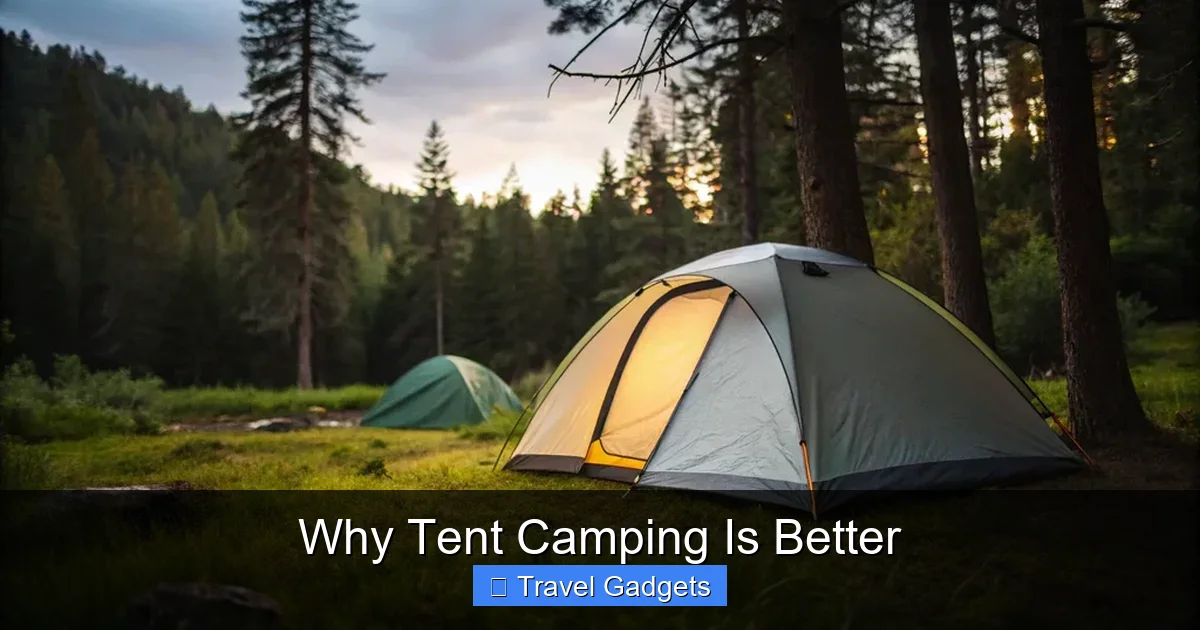
Let’s talk money. One of the biggest advantages of tent camping is how much cheaper it is compared to other forms of travel. While RVs require fuel, insurance, parking fees, and maintenance, a quality tent can last for decades with proper care. Even high-end tents rarely exceed $500–$800, and you can start with a budget model under $200.
No Hidden Fees or Fuel Costs
RVs come with ongoing expenses that add up fast. Gas prices fluctuate, and you’ll pay premium rates for fuel. Parking near attractions often costs extra, and some areas restrict overnight stops. Tent campers avoid all that. Once you own your gear, your biggest cost is usually the campsite fee—which is often lower for tents anyway.
Plus, you’re not limited to developed campgrounds. Many public lands allow dispersed camping (camping outside designated sites), where fees are minimal or nonexistent. That freedom means more destinations and fewer financial surprises.
Best Stay Deals Available
Compare prices across top booking platforms and find the best deal for your stay.
Check Available RoomsAffordable Upgrades Over Time
You don’t need top-of-the-line everything to enjoy tent camping. Start simple: a basic 2-person dome tent, a sleeping bag rated for expected temperatures, and a portable stove. As you gain experience, you can gradually invest in better gear—like a four-season tent or a lightweight backpacking setup.
This incremental approach keeps initial costs low while still allowing for comfort. And since you control what you buy, you avoid overspending on features you won’t use. No need for satellite TV or a full kitchen unless you really want them.
Freedom to Roam Wherever You Want
Visual guide about Why Tent Camping Is Better
Image source: us03-imgcdn.ymcart.com
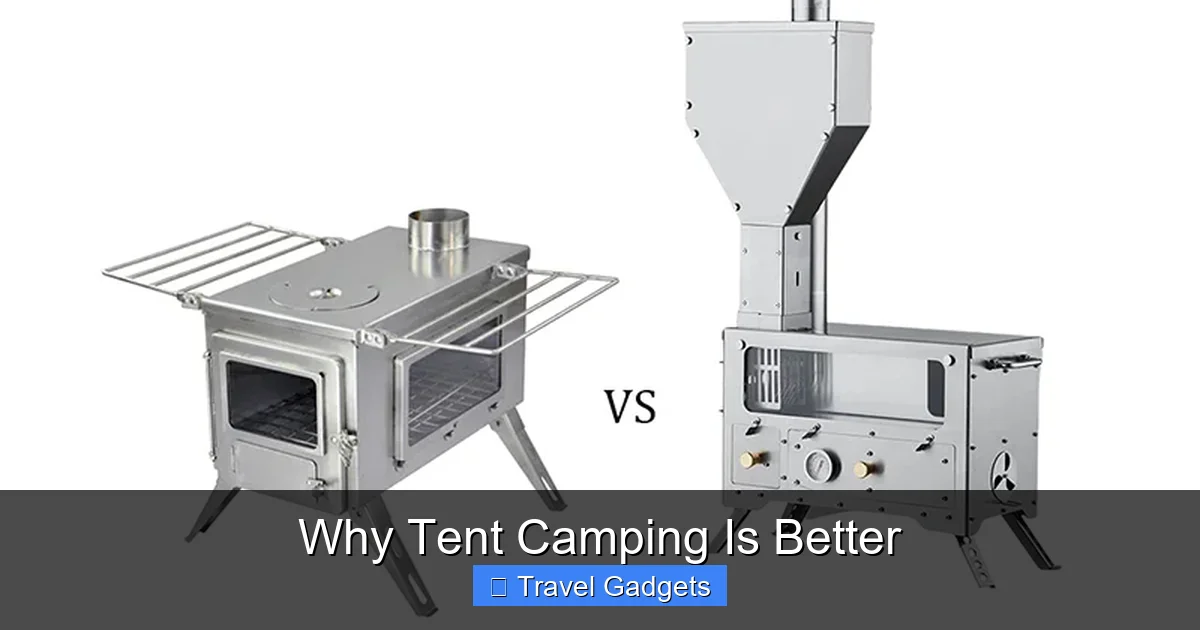
Flexibility is another reason why tent camping is better than many alternatives. RVs need roads, bridges, and hookups. Cabins require reservations months in advance and often limit your stay length. Tents? They go almost anywhere.
Access to Remote Locations
Want to camp at the edge of a glacier-fed lake in Glacier National Park? Or pitch your tent in a meadow above tree line in the Rockies? With a tent, those dreams become reality. Backcountry permits may be required, but they’re far easier to obtain than RV access.
Backpacking with a lightweight tent means you can hike deeper into wilderness areas, where solitude and scenery await. No waiting in line at crowded sites. No noise from generators or passing vehicles. Just you, your companions, and miles of untouched landscape.
Spontaneity Is Built-In
Planning a weekend getaway doesn’t have to mean booking weeks ahead. If the weather looks promising or an opportunity arises, you can pack up and go. No rental agencies. No mileage limits. Just grab your gear and hit the road—or trail.
This spontaneity encourages exploration beyond tourist hotspots. You might discover hidden waterfalls, abandoned mine shafts, or quiet coves perfect for swimming. Those off-the-beaten-path finds are priceless.
Health Benefits Beyond Fresh Air
Visual guide about Why Tent Camping Is Better
Image source: i.pinimg.com
Modern life is sedentary. We sit at desks, drive everywhere, and stare at screens. Tent camping breaks that cycle in powerful ways.
Better Sleep on the Ground
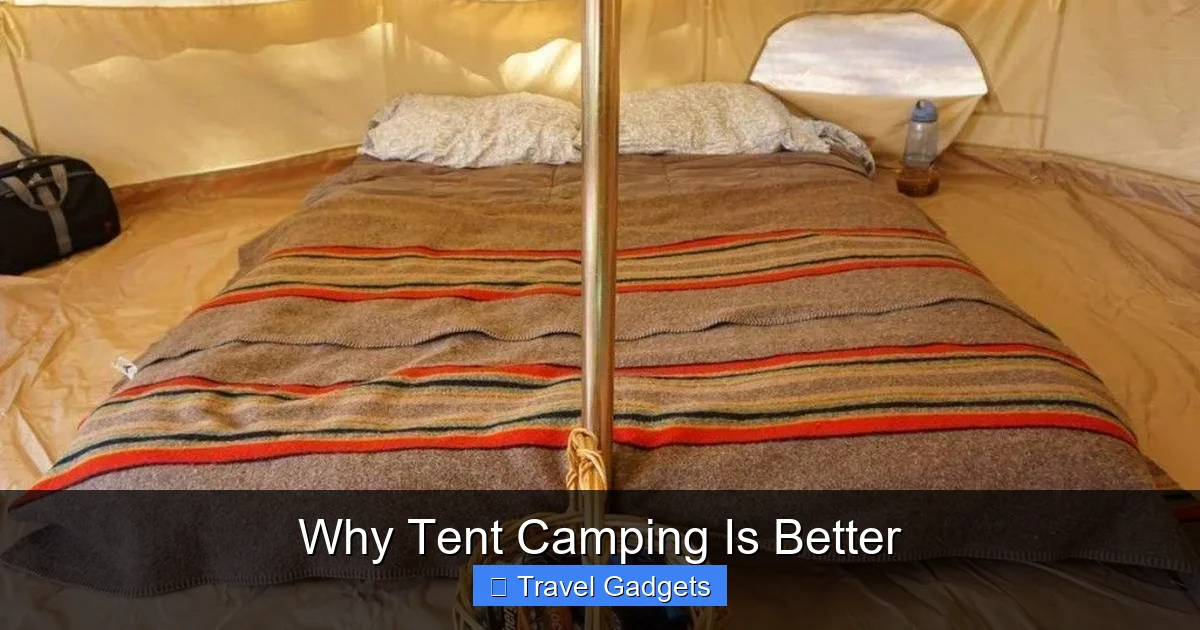
Studies show that sleeping directly on the ground improves blood flow and reduces inflammation. Unlike air mattresses or bunk beds, your body makes direct contact with cool earth, which regulates temperature naturally. Many campers report falling asleep faster and waking up more refreshed after a night in a tent.
Physical Activity Without Trying
Setting up a tent involves lifting poles, spreading tarps, and securing stakes. Hiking to your site burns calories. Cooking over a fire builds core strength. Even walking around the campsite keeps you moving. It’s exercise disguised as recreation.
And unlike gym workouts, this activity feels effortless because it’s tied to purpose and enjoyment. You’re not chasing a fitness goal—you’re enjoying nature.
Mental Health Reset
Nature has proven psychological benefits. Exposure to green spaces lowers stress hormones, boosts mood, and improves focus. Tent camping amplifies these effects by removing artificial environments entirely.
Without Wi-Fi, phones, or TVs, your mind isn’t bombarded with notifications or content. Instead, it rests. You think clearer. Creativity flows. Anxiety fades. It’s not uncommon for campers to return home feeling renewed and centered.
Sustainability Starts With Minimal Impact
Environmental responsibility matters more than ever. Tent camping aligns perfectly with Leave No Trace principles—because your footprint is naturally smaller.
Lighter Gear, Less Waste
RVs generate significant waste: sewage, graywater, plastic packaging, and excess energy use. Tents produce almost none. Most materials are reusable, recyclable, or biodegradable. And since you’re not consuming resources continuously, your overall environmental impact drops dramatically.
Preserving Natural Spaces
By avoiding developed sites when possible, you help protect sensitive ecosystems. Dispersed camping spreads out human presence, reducing erosion and habitat disruption. Parks and forests remain wilder because fewer people concentrate in one area.
Many campers also adopt practices like packing out trash, using solar chargers, and minimizing firewood use. These choices reflect a deeper respect for the land.
Building Skills That Last a Lifetime
Tent camping isn’t just fun—it’s educational. Every trip teaches practical skills that serve you well beyond the wilderness.
Problem-Solving Under Pressure
Weather changes. Gear fails. Bears wander close. Learning to adapt builds confidence. Need to fix a torn seam? Use duct tape like a pro. Can’t find dry wood? Try fatwood or battery-powered fire starters. Each challenge becomes a lesson.
These abilities translate to everyday life. You’ll handle car trouble, home repairs, or travel hiccups with greater ease.
Teamwork and Communication
Camping with friends or family strengthens relationships. Assign tasks: who sets up the tent? Who gathers firewood? Who cooks dinner? Sharing responsibilities teaches cooperation and accountability.
Even solo campers benefit. Journaling, sketching, or simply sitting quietly helps develop self-reliance and introspection.
Creating Meaningful Memories
Finally, nothing beats the stories you bring home. A tent doesn’t just provide shelter—it becomes the stage for unforgettable moments.
Picture this: roasting marshmallows until they catch fire, telling ghost stories around flickering flames, or watching meteor showers streak across the sky. These experiences aren’t possible in a sterile hotel room or a noisy RV park. They happen because you chose simplicity.
Memories formed in nature tend to be deeper and longer-lasting. You don’t just remember the trip—you remember how it *felt*. The cold morning chill. The smell of coffee brewing outside. The joy of spotting your first bear from a safe distance.
That’s why tent camping is better—not because it’s harder, but because it’s richer. It invites you to participate fully in the journey, not just observe it.
—
In a world overflowing with options, sometimes less truly is more. Tent camping strips away the unnecessary so you can focus on what matters: connection, discovery, and peace. Whether you’re a seasoned adventurer or a beginner, there’s never been a better time to embrace this timeless tradition. Grab your gear, pick a spot, and step outside. The great outdoors is waiting.
Frequently Asked Questions
Is tent camping safer than other forms of camping?
Yes, especially when you follow safety guidelines. Modern tents are designed for durability and weather resistance. Always check forecasts, store food properly, and let someone know your plans. With preparation, tent camping is very safe.
Do I need expensive gear to start tent camping?
Not at all. You can begin with affordable, entry-level gear like a $150 tent, a good sleeping bag, and a portable stove. Invest in quality basics first—your comfort and safety depend on reliable equipment.
Can I camp in winter with a tent?
Absolutely. Winter camping requires specialized gear—like four-season tents, insulated sleeping bags, and cold-weather clothing—but it’s rewarding. Just research techniques and choose safe, sheltered sites.
How do I keep bugs away while tent camping?
Use EPA-approved repellents, wear long sleeves, and avoid standing water. Set up away from dense vegetation. Some campers also use netting over their tent or hang bug-repellent sachets.
Is tent camping suitable for families?
Yes! Choose a spacious family-sized tent with multiple rooms if needed. Kids love the adventure. Just plan ahead: pack extra snacks, involve them in setup, and ensure safety rules are clear.
What’s the best way to learn tent camping?
Start local—visit a nearby state park or national forest. Practice setting up your tent at home. Bring a friend or take a beginner class. Gradually increase difficulty as you gain confidence.