
Tent camping beats RV travel in many ways. It’s cheaper, more immersive, and allows you to truly disconnect and reconnect with nature. Whether you’re chasing sunrises or stargazing under open skies, a tent gives you freedom, simplicity, and unforgettable memories without the hassle of motorhomes.
There’s something magical about waking up to birdsong instead of highway noise, isn’t there? When you pitch a tent, you trade the convenience of a motorhome for something deeper—a true connection to the wilderness. While RVs offer comfort and space, they also come with limitations: weight, cost, and the constant hum of engines. Tent camping strips away those distractions, letting you focus on what really matters: the trail, the sky, and the quiet moments between.
Check the latest prices and available rooms before they sell out.
In recent years, tent camping has seen a quiet renaissance. More people are trading their RVs for backpacks and lightweight gear, seeking authenticity over automation. Why? Because when you’re sleeping on the ground, wrapped in a sleeping bag, you become part of the landscape. You feel the wind, hear every rustle in the bushes, and watch the stars move across the sky without glass walls blocking your view. That kind of immersion is hard to replicate in an RV, no matter how cozy it looks on Instagram.
Let’s dive into why tent camping might just be the smarter, more rewarding way to explore the great outdoors.
Key Takeaways
- Cost savings: Tent camping is far less expensive than owning or renting an RV, with lower fuel, maintenance, and parking costs.
- Greater adventure: You can camp in wilder, less developed areas that RVs can’t access, offering a more rugged experience.
- Simpler living: With no complex systems to manage, tents require less planning and fewer worries about breakdowns or fuel.
- Deeper connection: Sleeping under the stars, hearing forest sounds, and feeling the breeze creates a stronger bond with nature.
- Flexibility: You can set up camp almost anywhere—forests, mountains, lakesides—without size restrictions.
- Eco-friendly: Minimal impact on the environment compared to the carbon footprint of large vehicles and generators.
- Skill-building: Camping in a tent teaches essential outdoor skills like fire-building, navigation, and shelter setup.
📑 Table of Contents
The Freedom to Roam Without Limits
One of the biggest advantages of tent camping over RV travel is sheer mobility. An RV needs wide roads, level ground, and often electrical hookups. A tent, however, fits almost anywhere. Want to camp at the edge of a cliff overlooking a valley? Go for it. How about a secluded lakeside spot with no cell service? Perfect. Most national forests and public lands allow dispersed camping in open areas as long as you follow Leave No Trace principles—something impossible for most RVs.
This flexibility means you can change plans on a whim. Missed a popular campsite? Drive 10 minutes down the road and find your own private paradise. Want to hike a remote trail at dawn? Just pack your gear and go—no need to unhitch or check out of a site. This spontaneity is rare with RVs, which often require reservations weeks in advance and are tied to specific amenities.
Plus, you avoid the stress of finding RV-friendly spots. Many beautiful locations simply don’t have the infrastructure to support large vehicles. With a tent, you’re not limited by size, so you can explore hidden gems off the beaten path.
Access to Wild, Undeveloped Areas
While RVs dominate developed campgrounds, tents open doors to untouched wilderness. Imagine setting up camp beside a rushing river, miles from the last restroom. Or nestled in a pine forest where sunlight filters through the canopy. These experiences are possible with a tent but nearly impossible with an RV due to size and noise restrictions.
Many state parks and national forests reserve certain areas for backpackers and tent campers only. These sites are quieter, cleaner, and far more scenic. You’ll rarely see another camper, giving you a sense of solitude that’s hard to find in crowded RV parks. And because tents are lightweight, you can hike to your destination—adding an extra layer of adventure to your trip.
Find the Best Accommodation Deals
Compare prices from multiple booking platforms and find the best option for your stay.
Compare Hotel PricesFor example, in places like the Adirondack Mountains or the White Mountains, tent camping is the only way to reach true backcountry experiences. You carry your shelter, food, and water on your back, making every step part of the journey. That kind of effort pays off with a deep sense of accomplishment and a closer connection to nature.
Lower Costs Mean More Adventures
Find the Best Accommodation Deals
Compare prices from multiple booking platforms and discover the best stay options available.
⭐ Trusted by thousands of travelers
💰 Budget to luxury options available
Visual guide about Why Tent Camping Is Better Than Rv
Image source: images.squarespace-cdn.com
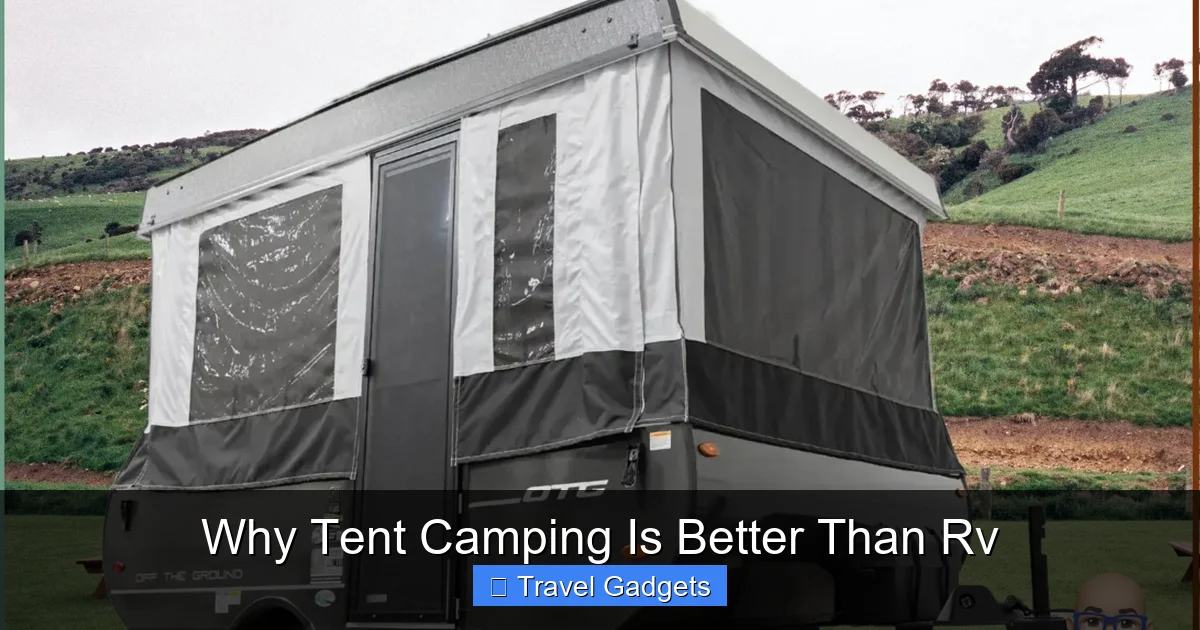
Let’s talk money. RV ownership is expensive. The initial purchase price, insurance, fuel, maintenance, and storage add up quickly. Then there’s the cost of full-time RV living if you’re on the road for months. Even renting an RV for a weekend can run $200–$400 per day, plus fuel and dump fees.
Best Stay Deals Available
Compare prices across top booking platforms and find the best deal for your stay.
Check Available RoomsCompare that to tent camping. A quality tent and sleeping bag combo can cost less than half the daily rate of an RV rental. Add a portable stove, water filter, and headlamp, and you’ve got everything you need for under $500 total. Maintenance? Almost none. No engine oil changes, brake checks, or propane refills.
And let’s not forget fuel. An RV burns gas like a small car, especially on steep terrain or with heavy loads. Tent campers drive to a trailhead or parking area and leave the vehicle behind. That saves hundreds—or even thousands—over time.
Of course, you’ll spend a bit on gear upfront, but once you own it, the savings compound. Plus, you can take more trips. With an RV, budgeting includes hookup fees, laundry services, and sometimes even campground memberships. With a tent, you can camp anywhere with minimal cost—sometimes for free.
Affordable Gear Options
You don’t need top-of-the-line equipment to enjoy tent camping. Many successful campers use budget-friendly, durable gear that performs just as well as expensive models. For example, a $100 four-season tent from a reputable brand like REI Co-op can handle snow and rain just fine. Pair it with a good sleeping bag rated for the season, and you’re ready for most conditions.
Even better, you can buy secondhand gear from online marketplaces or local outdoor stores. Many people upgrade their camping setups annually, selling old tents and sleeping bags at low prices. This makes it easy to build a reliable kit without breaking the bank.
And because tent camping is simpler, you won’t feel pressured to buy unnecessary gadgets. No need for a built-in generator, satellite TV, or a full kitchen. Just bring what you need, keep it light, and save money.
A Deeper Connection to Nature
Visual guide about Why Tent Camping Is Better Than Rv
Image source: f7e5m2b4.delivery.rocketcdn.me
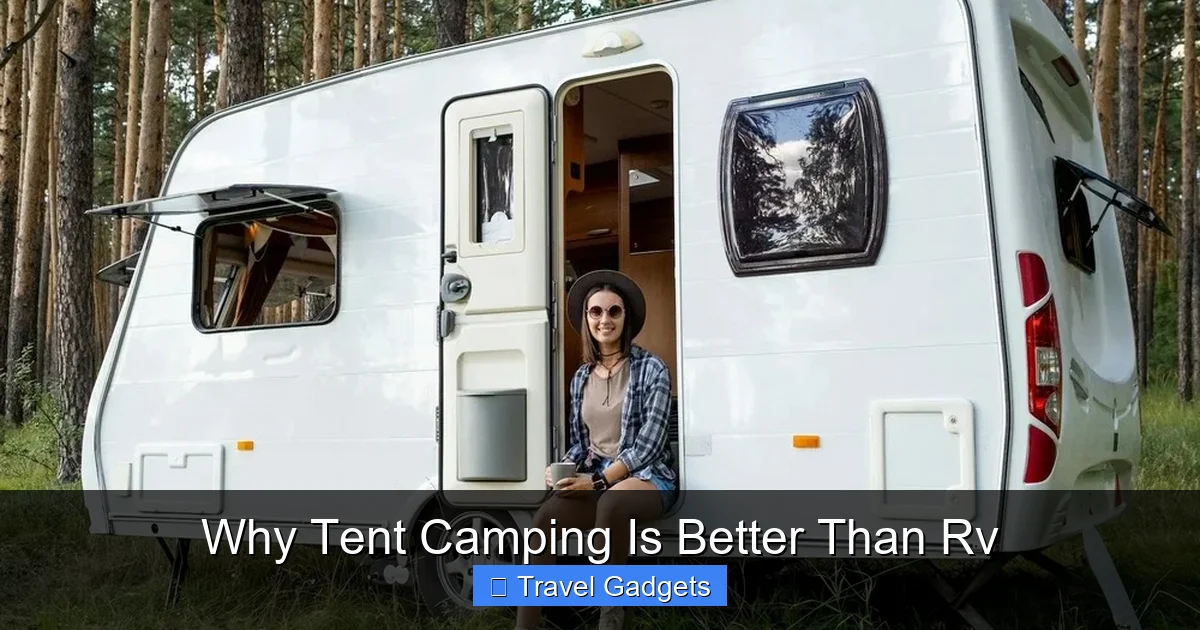
There’s no substitute for being fully present in nature. In an RV, you’re always aware of your surroundings through windows and screens. You eat meals in air-conditioned comfort, shower in heated bathrooms, and sleep in climate-controlled beds. It’s convenient—but it also keeps you separate from the world.
Tent camping, on the other hand, puts you in direct contact with the elements. You feel the cold morning air, smell the earth after rain, and listen to the symphony of nocturnal animals. You wake up with the sun and fall asleep under a blanket of stars. There’s no buffering, no Wi-Fi, no distractions.
This sensory overload is intentional. By removing modern comforts, you’re forced to engage with your environment. You learn to read weather patterns, identify constellations, and appreciate silence. Over time, you develop a deeper respect for nature and a greater sense of peace.
Studies show that spending time in natural environments reduces stress, improves mood, and boosts creativity. But that benefit is strongest when you’re fully immersed—not glancing out a window every five minutes. Tent camping delivers that immersion naturally.
Mindfulness in the Wild
When you’re setting up a tent, gathering firewood, and cooking over a flame, you’re in the moment. Every action requires attention: tying knots, building a stable fire, purifying water. These tasks anchor you in the now, helping you forget about work, bills, or social media.
Even simple routines like washing dishes in a stream or reading under a tree become meditative. You notice details you’d miss in an RV—the way light dances on leaves, the sound of a distant waterfall, the taste of fresh air. These small moments add up to a richer experience.
And because there’s no internet, you’re free to disconnect completely. No notifications, no emails, no endless scrolling. Just you, the landscape, and the rhythm of the seasons.
Less Hassle, More Fun
Visual guide about Why Tent Camping Is Better Than Rv
Image source: i.ytimg.com
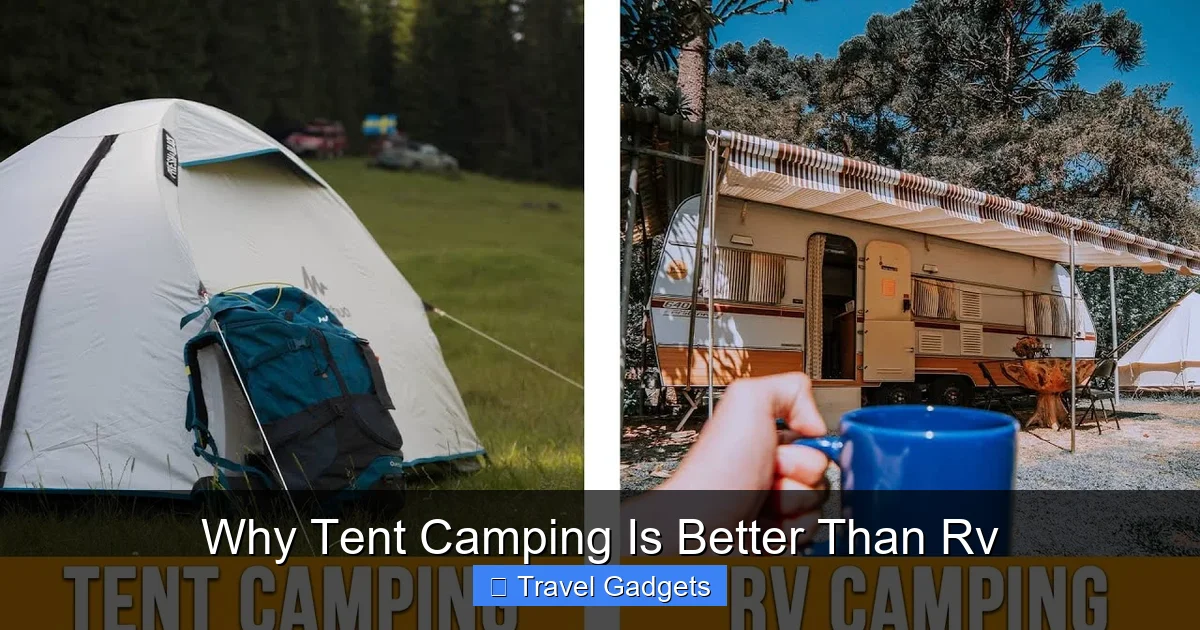
RVs come with a long list of potential headaches: mechanical issues, propane leaks, generator noise, and the constant need for leveling. Tent camping avoids all of this. No engine to maintain. No plumbing to worry about. No need to connect to utilities unless you want to.
Setting up a tent takes minutes. Unhitching an RV? That can take an hour, especially if you’re new to it. And once you arrive, you’re free to explore immediately. No waiting for water pressure to kick in or the microwave to heat up.
Of course, tent camping isn’t without its challenges. Weather can be unpredictable, and you’ll need to pack appropriately. But with the right gear and preparation, these obstacles become part of the adventure—not sources of frustration.
Many experienced campers say the simplicity of tent camping is liberating. There’s no checklist of systems to monitor. Just you, your gear, and the great outdoors.
Minimalist Living on the Trail
Tent camping encourages a minimalist lifestyle. You learn to pack only what you need, nothing more. This forces you to prioritize essentials and avoid clutter. Over time, you develop a lighter, more efficient way of traveling.
For example, instead of bringing a full kitchen, you might cook one-pot meals on a portable stove. Instead of multiple layers of clothing, you choose versatile pieces that adapt to changing weather. This mindset spills over into daily life—you become more intentional with your possessions and less dependent on technology.
And because everything is compact and lightweight, you can carry it all on your back or in a small vehicle. That means you can reach destinations that would be impossible with an RV—mountain peaks, dense forests, or remote coastlines.
Eco-Friendly Adventure
If you care about the environment, tent camping is the greener choice. RVs consume significant amounts of fuel and produce emissions, contributing to climate change. They also require infrastructure—roads, sewage systems, electrical grids—that strain natural resources.
Tent camping, by contrast, has a much smaller footprint. You don’t burn fossil fuels to move or power your shelter. You can camp off-grid without harming the land. And because you’re often hiking to your campsite, you reduce traffic congestion near popular areas.
Additionally, tent campers tend to follow Leave No Trace principles more closely. Without the temptation to rely on campground amenities, you’re more likely to pack out all trash, minimize campfire use, and respect wildlife.
For eco-conscious travelers, this responsibility is part of the appeal. You’re not just visiting nature—you’re protecting it.
Building Skills and Confidence
Every time you set up a tent, start a fire, or navigate with a map, you’re learning something new. Tent camping builds practical skills that last a lifetime. You become more self-reliant, confident in your ability to handle unexpected situations.
For kids, this is especially valuable. Teaching them to tie knots, identify edible plants, or read a compass prepares them for future adventures and emergencies. For adults, it’s a chance to unplug and rediscover resilience.
And unlike RV living, which often feels automated, tent camping requires active participation. You’re not just driving to a destination—you’re earning your place in it.
Real-World Preparedness
The skills you gain from tent camping apply beyond the wilderness. Knowing how to build a shelter could help in a disaster situation. Understanding weather patterns makes you a better planner. And learning to live with less fosters gratitude and resourcefulness.
Plus, the physical challenge of carrying gear and navigating rough terrain strengthens your body and mind. It’s a workout disguised as fun.
Conclusion: Why Tent Camping Wins
So, why tent camping is better than RV? Because it offers freedom, affordability, and a deeper connection to nature. It lets you escape the noise of modern life and embrace the raw beauty of the outdoors. Whether you’re a seasoned hiker or a first-time camper, pitching a tent opens up a world of possibilities—one campsite at a time.
Yes, RVs provide comfort and convenience. But they also limit where you can go, how you experience the world, and what you learn along the way. Tent camping strips away the unnecessary and leaves only the essential: adventure, simplicity, and wonder.
Next time you plan a trip, consider leaving the motorhome behind. Pack your tent, lace up your boots, and step into the wild. You might just find that the best part of your journey isn’t the destination—it’s the freedom to get there on your own terms.
Frequently Asked Questions
Is tent camping safe?
Yes, tent camping is safe when you take proper precautions. Always research your destination, pack essential gear like a first-aid kit and flashlight, and let someone know your plans. Avoid risky areas and practice Leave No Trace principles to stay safe and respectful.
What do I need to start tent camping?
Start with a sturdy tent, a comfortable sleeping bag, a sleeping pad, a portable stove, a headlamp, and a water filter. As you gain experience, you can add items like a camp chair or solar charger. Quality gear makes a big difference in comfort.
Can I camp in bad weather?
Absolutely—with the right gear. Invest in a waterproof tent, a sleeping bag rated for cold temperatures, and moisture-wicking clothing. Learn how to secure your tent in wind and stay dry during rain. Weather adds to the adventure!
How does tent camping compare environmentally?
Tent camping has a much smaller environmental impact than RV travel. You don’t burn fuel or require infrastructure, and you can camp in sensitive areas without damage. It’s a more sustainable way to enjoy nature.
Is tent camping suitable for families?
Yes! Many families love tent camping for its simplicity and bonding opportunities. Choose family-friendly gear like larger tents and involve kids in setup and cleanup. It teaches responsibility and creates lasting memories.
Do I need to hike to camp in a tent?
Not necessarily. You can drive to a trailhead and park nearby, then walk to your campsite. Many beautiful spots are accessible by car. Backpacking is optional—just pick your level of adventure.