
Discover the 9 most stunning Arizona canyons! From iconic Grand Canyon adventures to hidden gems, this guide makes exploring Arizona’s awe-inspiring natural wonders easy and unforgettable for beginners.
Arizona is a land painted with dramatic landscapes, and its canyons are truly the masterpieces. If you’re dreaming of vast, colorful gorges and breathtaking views, you’re in the right place.
Check the latest prices and available rooms before they sell out.
Juggling all the options can feel a bit overwhelming, right? Don’t worry! This guide will walk you through the most spectacular canyons Arizona has to offer, making your trip planning a breeze.
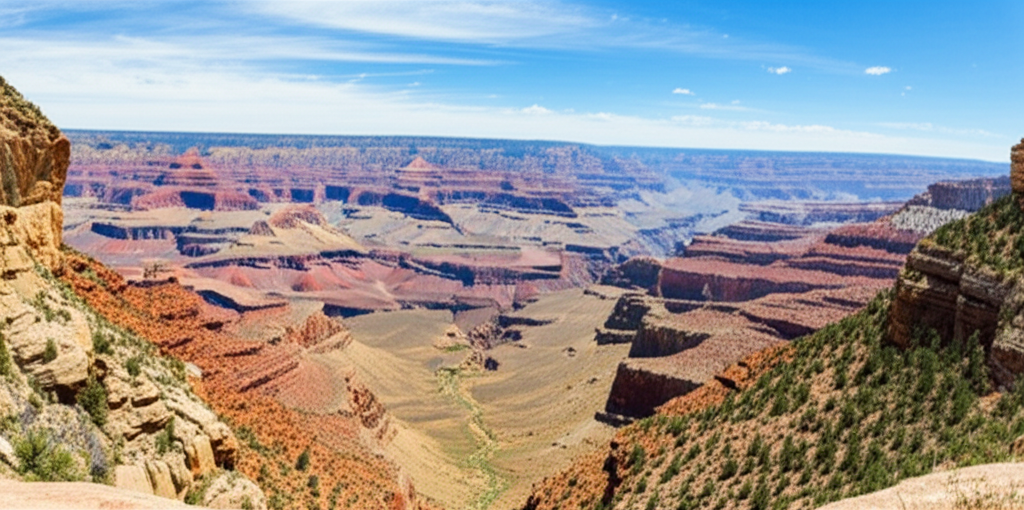
Get ready to be amazed by the sheer beauty and unique character of each incredible canyon. Let’s dive into your Arizona adventure!
Your Arizona Canyon Adventure Awaits!
Planning a trip to Arizona is exciting, especially when you picture yourself standing on the edge of a colossal canyon. These natural wonders are some of the most photographed and visited spots in the entire United States. They tell stories of ancient rivers, geological time, and the incredible power of erosion.
But where do you start? With so many incredible canyons, choosing which ones to visit can be tough. This guide is designed to simplify your planning. We’ll introduce you to nine must-see canyons in Arizona, each with its own unique charm and set of activities.
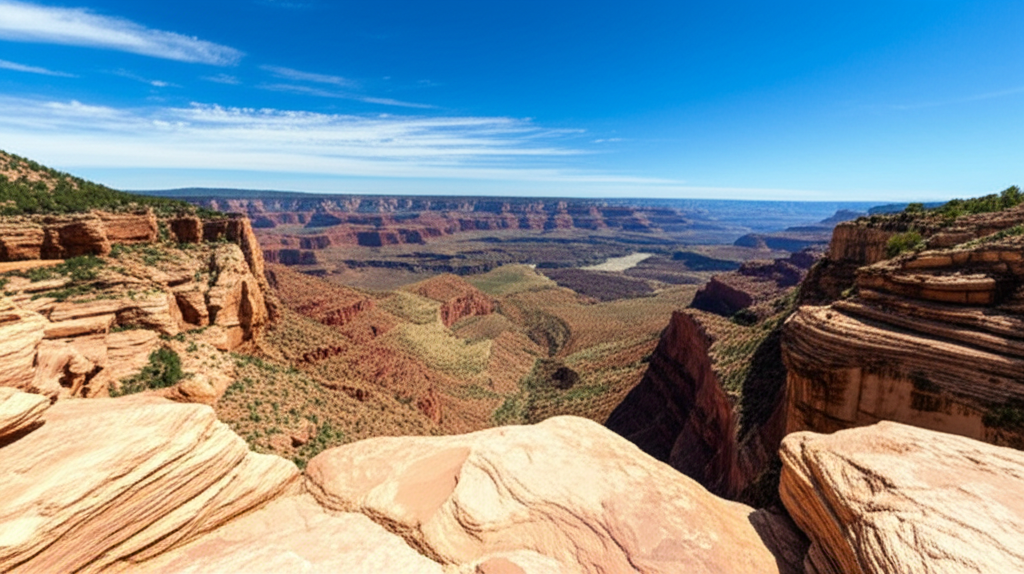
Think jaw-dropping vistas, incredible hiking opportunities, and memorable photo moments. We’ll cover everything you need to know, from the world-famous to the wonderfully wild, ensuring your Arizona canyon exploration is everything you dreamed of and more.
Find the Best Accommodation Deals
Compare prices from multiple booking platforms and find the best option for your stay.
Compare Hotel PricesThe Big Nine: Arizona’s Most Stunning Canyons
Arizona’s diverse terrain has carved out some of the most incredible canyons you’ll ever see. From the immense scale of the Grand Canyon to the vibrant hues of Antelope Canyon, each offers a unique experience. Let’s explore the top nine that should be on every traveler’s list.
1. Grand Canyon National Park
No list of Arizona canyons is complete without the Grand Canyon. It’s a true icon, a UNESCO World Heritage site, and an absolute must-see. Its sheer scale is almost impossible to comprehend until you’re standing right there.
Find the Best Accommodation Deals
Compare prices from multiple booking platforms and discover the best stay options available.
⭐ Trusted by thousands of travelers
💰 Budget to luxury options available
Formed over millions of years by the Colorado River, the canyon stretches for 277 river miles and reaches depths of over a mile. The colorful rock layers tell a story of Earth’s ancient history, visible from various viewpoints along the South and North Rims.
Best for: First-time visitors, iconic views, diverse activities, families, hikers of all levels.
Must-do: Watch the sunrise or sunset from Mather Point or Yavapai Point on the South Rim. Consider a mule ride or a hike partway down into the canyon (be prepared for exertion and carry plenty of water!). For a different perspective, visit the North Rim (open seasonally) for quieter, more expansive views.
Best Stay Deals Available
Compare prices across top booking platforms and find the best deal for your stay.
Check Available Rooms2. Antelope Canyon
Located on Navajo Nation land near Page, Arizona, Antelope Canyon is famous for its breathtaking slot canyon formations. Weathered by wind and water into stunning, flowing shapes, the canyon walls glow with vibrant oranges, reds, and purples.
There are two main sections: Upper Antelope Canyon and Lower Antelope Canyon. Upper Antelope Canyon is easier to access and known for the light beams that pierce through the narrow openings, especially around midday in summer. Lower Antelope Canyon requires navigating stairs and narrow passages, offering a more adventurous experience.
Best for: Photographers, unique natural beauty, easy walking (Upper), adventurous exploration (Lower).
Must-do: You must book a guided tour to visit Antelope Canyon. Tours are mandatory for safety and to protect the delicate environment. The light beam phenomenon in Upper Antelope Canyon is a highlight for many, so book accordingly if this is a priority.
Pro Tip: Be aware that flash floods can occur, and tours will be canceled if there’s any risk. Always check weather forecasts and tour operator updates.
3. Horseshoe Bend
Also near Page, Arizona, Horseshoe Bend is another visually stunning location carved by the Colorado River. This iconic U-shaped meander of the river is a sight to behold from the overlook, about a quarter-mile walk from the parking lot.
The contrast between the deep blue-green Colorado River and the red rock desert landscape is striking. It’s a relatively easy and accessible site, making it a popular stop for many travelers.
Best for: Incredible photo opportunities, easy accessibility, families, quick scenic stops.
Must-do: Visit during the late afternoon for beautiful lighting that illuminates the canyon walls. The short, paved trail makes it a great addition to a trip to Antelope Canyon. Remember to bring water and wear comfortable shoes.
4. Sedona’s Red Rock Country (Canyons & Gorges)
Sedona is renowned for its surreal red rock formations, and while it might not have a single massive canyon like the Grand Canyon, its entire landscape is a tapestry of mesmerizing canyons and gorges. Think places like Boynton Canyon, Soldier Pass, and the area around Oak Creek Canyon.
These aren’t deep ravines but rather sculpted canyons and vast amphitheaters of vibrant red sandstone, sculpted into towering spires, arches, and mesas. The area is also famous for its spiritual vortex sites.
Best for: Hiking, spiritual exploration, stunning scenery, jeep tours, photography.
Must-do: Take a jeep tour to explore off-road trails and hidden canyons. Hike trails like Devil’s Bridge or Cathedral Rock for panoramic views. Explore Oak Creek Canyon Scenic Drive (Highway 89A) for spectacular vistas and picnic spots. Learn more about the geology of Sedona from USGS.
5. Canyon de Chelly National Monument
Located in northeastern Arizona on Navajo Nation land, Canyon de Chelly offers a unique blend of natural beauty and rich cultural history. It’s one of the longest continuously inhabited areas in North America, with ancient Anasazi cliff dwellings still visible.
The canyon features dramatic sandstone cliffs, some reaching over 1,000 feet. Unlike many other canyons, visitors can only drive to the rim overlooks or take a guided tour into the canyon floor with a Navajo guide. This ensures the preservation of the cultural sites and the land.
Best for: History buffs, cultural immersion, unique canyon exploration, photography. Offers a quieter, more intimate experience.
Must-do: Drive the South Rim Drive for stunning viewpoints like Tunnel Overlook and Spider Rock Overlook. Consider booking a Navajo-guided tour to descend into the canyon and see the ancient dwellings like the White House Ruin up close. Respect the land and its inhabitants.
6. Petrified Forest National Park
While not a traditional canyon carved by water, Petrified Forest National Park boasts stunning badlands and painted deserts that feel canyon-like in their erosion and color. The highlight is the abundance of petrified wood, fossilized trees that are millions of years old.
The park includes the Painted Desert, a vast expanse of colorful badlands with rolling hills and vibrant hues of red, orange, purple, and pink. There are also short trails that wind through colorful badlands formations, creating a canyon-esque experience.
Best for: Unique geological wonders, fossils, short interpretive trails, scenic drives, families.
Must-do: Drive the scenic park road and stop at various overlooks. Hike the Crystal Forest, Giant Logs, or Blue Mesa trails to get up close with petrified wood and badlands. Visit the Rainbow Forest Museum to learn more about the park’s history. Remember, it is illegal to take any petrified wood from the park.
7. Chiricahua National Monument
In southeastern Arizona, Chiricahua National Monument protects a remarkable “Wonderland of Rocks.” This area features an eight-mile scenic drive and numerous hiking trails that wind through an incredible collection of hoodoos, balanced rocks, and towering pinnacles carved from rhyolite.
These bizarre and beautiful rock formations were created by a massive volcanic eruption and subsequent erosion. The surreal landscape feels otherworldly and offers excellent opportunities for hiking and exploration amidst unique geological sculptures.
Best for: Hiking, unique geology, photography, scenic drives, a less crowded experience.
Must-do: Drive the Bonanza Trail (paved scenic drive) and stop at overlooks. Hike trails like the Big Loop Trail, which combines several shorter trails to showcase the best formations, or the Echo Canyon Trail for more rugged terrain. Look for wildlife like javelina and various bird species.
8. Mogollon Rim Canyons
The Mogollon Rim is a dramatic escarpment that forms the southern edge of the Colorado Plateau. It’s not one single canyon but a series of canyons and steep-sided valleys that plunge thousands of feet below the rim. Areas like Tonto National Monument and Rim Country offer access to these stunning geological features.
This vast region provides breathtaking views from the rim and numerous opportunities for hiking into the canyons below, revealing a different ecosystem and unique rock formations. It’s a less touristy area compared to the Grand Canyon, offering a more wild and natural experience.
Best for: Hikers, campers, scenic drives, vast vistas, experiencing Arizona’s forested highlands.
Must-do: Drive the scenic Rim Country National Scenic Byway (State Route 87 and State Route 260). Hike trails that descend from the rim, such as those near Payson or Pine, to explore forests and smaller gorges. Visit Tonto National Monument for its cliff dwellings nestled within canyon alcoves.
9. Havasu Canyon (Havasupai Indian Reservation)
While technically a side canyon of the Grand Canyon, Havasu Canyon is a world unto itself and deserves a special mention due to its famous turquoise waterfalls and pools. Managed by the Havasupai Tribe, it’s a trek to get there, requiring a hike or mule ride into the canyon.
The highlight is Havasu Falls, Mooney Falls, and Beaver Falls, cascading into brilliant blue-green pools. The contrast with the red canyon walls is stunning. Access is highly restricted and requires reservations booked far in advance.
Best for: Adventure hikers, breathtaking waterfalls, unique swimming experiences, nature lovers.
Must-do: This requires significant planning. You must obtain a permit and make reservations for lodging (camping or the lodge) well in advance. The hike to the village of Supai is about 10 miles from the trailhead, and then further to the famous falls. Respect the Havasupai culture and regulations.
Important Note: Due to its popularity and the need to manage visitor impact, getting reservations for Havasu Canyon can be extremely challenging. Check the official Havasupai Tourism website for the latest information on permits and booking.
Planning Your Arizona Canyon Trip
Now that you’re inspired by these incredible canyons, let’s talk logistics. Planning ahead will make your adventure smoother and more enjoyable, especially for your first time exploring these natural wonders.
Best Time to Visit
Arizona’s weather varies greatly. For most of these canyons, spring (March-May) and fall (September-November) offer the most pleasant temperatures for exploring. Summers can be extremely hot, especially at lower elevations, while winter brings cooler temperatures and potential snow at higher elevations, like the Grand Canyon’s North Rim.
If visiting the desert canyons like Antelope Canyon or Horseshoe Bend, avoid the peak summer heat. For the Grand Canyon, shoulder seasons give you great weather without the biggest summer crowds and heat.
What to Pack
Being prepared is key to enjoying your canyon adventures. Here’s a quick checklist:
- Plenty of water: This cannot be stressed enough! Dehydration is a serious risk. Carry more water than you think you’ll need.
- Sun protection: Sunscreen, a wide-brimmed hat, and sunglasses are essential.
- Sturdy hiking shoes: Even for short walks, comfortable, supportive shoes are important.
- Layers of clothing: Temperatures can change rapidly, especially in canyons.
- Snacks: High-energy snacks will keep you going on hikes.
- Camera: You’ll want to capture every moment!
- First-aid kit: For minor scrapes or blisters.
- Map and compass/GPS: Especially if you plan to hike trails.
Navigating and Getting Around
Most of the major canyons, like the Grand Canyon South Rim, are easily accessible by car. Many have shuttle bus systems within the park to help you get to various viewpoints and trailheads.
For places like Antelope Canyon, guided tours are mandatory, as are Navajo guides for specific areas of Canyon de Chelly. Havasu Canyon requires a significant hike in or a mule ride, and securing permits is vital.
Renting a car is generally the best way to explore Arizona’s diverse landscapes at your own pace. Ensure your rental agreement allows you to travel where you plan to go, especially if considering unpaved roads (though most popular spots are well-maintained).
Budget-Friendly Canyon Exploration
Exploring Arizona’s canyons doesn’t have to break the bank. Here are a few tips to keep your budget happy:
- National Park Passes: If you plan to visit multiple national parks and monuments, consider an “America the Beautiful” annual pass. It covers entrance fees for a year and can save you money.
- Free Activities: Many viewpoints and scenic drives are free or have a minimal entrance fee. Horseshoe Bend, for example, has a modest day-use fee.
- Pack Your Own Food: Eating out can get expensive. Pack lunches and snacks, especially for day trips to the canyons.
- Camp or Stay Outside Park Boundaries: Camping inside parks can be convenient but also pricier. Look for campgrounds or budget hotels in nearby towns.
- Visit During Shoulder Seasons: Accommodation and flight prices are often lower outside of peak summer months.
Frequently Asked Questions About Arizona Canyons
Q1: What is the best time of year to visit Arizona canyons?
Spring (March-May) and Fall (September-November) offer the most comfortable temperatures for exploring most Arizona canyons. Summers can be extremely hot, and winters can be cold with snow at higher elevations.
Q2: Do I need reservations for all Arizona canyons?
Reservations are mandatory for places like Antelope Canyon (guided tours) and Havasu Canyon (permits and lodging). For National Parks like the Grand Canyon, reservations are generally not needed for day entry, but it’s wise to book lodging or campsites well in advance.
Q3: How much hiking is involved in visiting these canyons?
The hiking varies greatly. Some canyons, like Horseshoe Bend and Upper Antelope Canyon, involve short, easy walks. Others, like Havasu Canyon or attempting to hike to the bottom of the Grand Canyon, require strenuous, all-day hikes.
Q4: Are Arizona canyons safe for families with young children?
Many areas offer safe, accessible viewpoints suitable for families. For hiking, choose shorter, well-maintained trails. Always supervise children closely near edges and in varied terrain. National Parks and monuments have good visitor information on suitable family activities.
Q5: What should I do if I encounter wildlife in an Arizona canyon?
Maintain a safe distance and never feed wildlife. Observe them quietly. If you encounter larger animals like elk or bighorn sheep, give them plenty of space and do not approach them. Report any aggressive or unusual animal behavior to park rangers.
Q6: Are there any dress codes for visiting canyons on tribal lands?
When visiting canyons on tribal lands like Antelope Canyon or Canyon de Chelly, it’s respectful to dress modestly. This typically means covering shoulders and knees. You will also be required to follow the specific rules and guidance provided by your Navajo guide.
Q7: What is the difference between a canyon and a slot canyon?
A canyon is a general term for a deep gorge, typically one with a river flowing through it. A slot canyon is a specific type of narrow canyon, often carved by water over long periods, where the walls are very close together, creating unique passage-like features.
Conclusion
From the majestic expanse of the Grand Canyon to the sculpted beauty of Antelope Canyon and the historic allure of Canyon de Chelly, Arizona’s canyons offer an unparalleled journey into the heart of the American Southwest. Each one presents a unique vista, a different story, and an unforgettable adventure.
We’ve explored nine stunning must-see canyons, blending iconic landmarks with hidden gems, and armed you with practical tips for planning your trip. Whether you’re seeking thrilling hikes, photographic wonders, or a moment of quiet awe, Arizona’s canyons deliver.
Remember to plan ahead, pack smart, and most importantly, go with a spirit of adventure. These natural cathedrals are waiting to share their grandeur with you. Your extraordinary Arizona canyon experience is just one step away. Happy travels!