
Discover Colorado’s 10 incredible national parks for your next Western adventure. This guide makes planning easy, from stunning mountains to unique desert landscapes, perfect for beginners exploring America’s natural wonders.
Colorado. Just the name conjures up images of towering mountains, crisp air, and endless blue skies. If you’re dreaming of an unforgettable trip to the American West but feel a bit overwhelmed by where to start, you’re in the right place!
Check the latest prices and available rooms before they sell out.
Planning a trip can seem like a lot, especially when there are so many amazing places to see. But don’t worry, exploring Colorado’s national parks is simpler and more exciting than you might think.
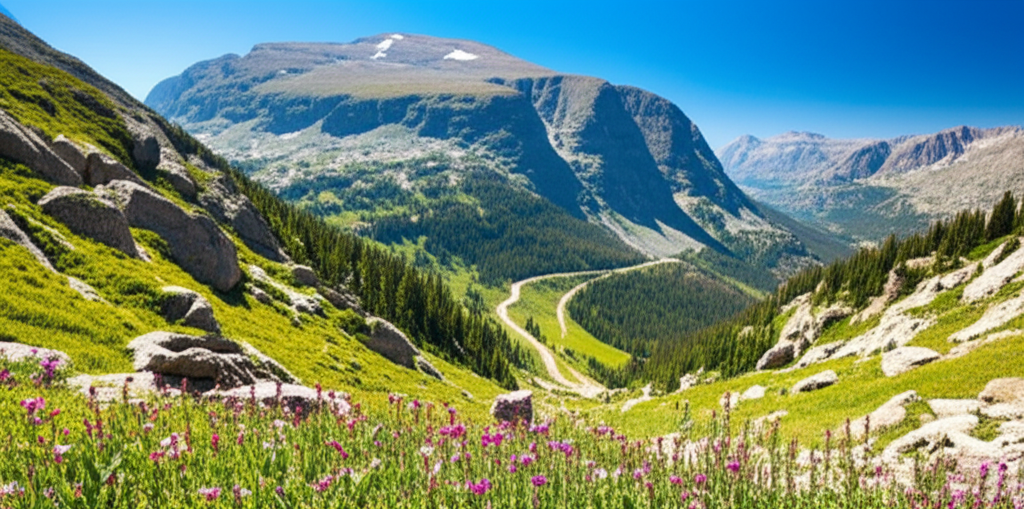
We’ll break down ten of the most breathtaking national parks Colorado has to offer. Get ready for stunning scenery and adventures that are perfect for your first visit to the Centennial State.
Frequently Asked Questions About Colorado National Parks
How Many National Parks Are In Colorado?
Colorado is home to four designated National Parks: Rocky Mountain National Park, Mesa Verde National Park, Great Sand Dunes National Park and Preserve, and Black Canyon of the Gunnison National Park. This article also explores other significant protected areas managed by the National Park Service, bringing the total to 10 amazing Western escapes.
What Is The Most Popular National Park In Colorado?
Rocky Mountain National Park is consistently the most popular national park in Colorado, drawing millions of visitors each year. Its accessibility from Denver and its iconic alpine scenery make it a top destination for many travelers.
When Is The Best Time To Visit Colorado National Parks?
The best time to visit Colorado’s national parks really depends on which park you’re exploring and what you want to do. Generally, summer (June-August) offers the warmest weather and full access to most areas, but it’s also the busiest. Spring and fall can be ideal for fewer crowds and beautiful scenery, though some higher-elevation roads might be closed.
Find the Best Accommodation Deals
Compare prices from multiple booking platforms and find the best option for your stay.
Compare Hotel PricesDo I Need A Reservation To Enter Colorado National Parks?
Some Colorado national parks, most notably Rocky Mountain National Park, require timed entry reservations during peak seasons. It’s crucial to check the official National Park Service website for each park you plan to visit well in advance to see if reservations are needed.
Are Colorado National Parks Good For Beginners?
Absolutely! Many Colorado national parks offer a fantastic introduction to the wonders of nature. Parks like Rocky Mountain and Great Sand Dunes have accessible trails, visitor centers with helpful rangers, and scenic drives that allow beginners to enjoy the beauty without strenuous effort. Mesa Verde offers fascinating historical insights with guided tours suitable for all.
Find the Best Accommodation Deals
Compare prices from multiple booking platforms and discover the best stay options available.
⭐ Trusted by thousands of travelers
💰 Budget to luxury options available
Are Colorado National Parks Expensive To Visit?
While park entrance fees are generally affordable, the overall cost depends on your travel style. The America the Beautiful Pass is a great value if you plan to visit multiple national parks within a year. Budget considerations include accommodation, food, and transportation. Many parks offer free or low-cost activities like ranger programs and scenic drives.
What Should I Pack For A Trip To Colorado National Parks?
Packing essentials include comfortable walking shoes, layers of clothing (weather can change quickly at high altitudes), sun protection (hat, sunglasses, sunscreen), a reusable water bottle, snacks, a basic first-aid kit, and a camera. For specific parks, consider insect repellent, bear spray (if hiking in bear country), and rain gear.
Exploring the Gems of Colorado: Our Top 10 National Park Escapes
Colorado is a treasure trove of natural beauty, and its national parks are the crown jewels. From ancient cliff dwellings to the highest sand dunes in North America, there’s an adventure waiting for everyone. Let’s dive into ten must-visit destinations that will make your Western escape truly unforgettable.
Best Stay Deals Available
Compare prices across top booking platforms and find the best deal for your stay.
Check Available RoomsRocky Mountain National Park: Towering Peaks and Alpine Lakes
Rocky Mountain National Park is arguably Colorado’s most iconic natural wonder. Imagine vast alpine tundra, majestic peaks that kiss the sky, and crystal-clear lakes reflecting the surrounding mountains. It’s a place where elk roam freely and the air is as fresh as it gets.
Here, Trail Ridge Road, the highest continuous paved road in North America, offers breathtaking panoramic views without requiring strenuous hikes. For beginners, easy trails like the Sprague Lake loop provide stunning scenery that’s easily accessible.
Pro Tip: Always check the timed entry permit system requirements on the NPS website before your visit, especially during peak season. It’s essential for entering the park during busy times.
Mesa Verde National Park: Ancient Cliff Dwellings and Rich History
Step back in time at Mesa Verde National Park, a UNESCO World Heritage site. This park preserves the architectural and cultural heritage of the Ancestral Pueblo people, who built incredible dwellings into the sides of canyons centuries ago.
You can explore these fascinating structures through various tours. Some tours require climbing ladders and navigating steep paths, but many visitor-friendly options are available. The Chapin Mesa Museum and the Far View sites offer more accessible ways to learn about this ancient civilization.
Why it’s great for beginners: Visitor centers and ranger-led programs provide excellent context. Driving the Mesa Top Loop Road and stopping at overlooks offers incredible views of the cliff dwellings without strenuous activity.
Arches National Park: Unique Sandstone Formations
(Note: Arches National Park is in Utah, but it’s a very popular and accessible day trip or short add-on for those visiting western Colorado, often included for those exploring the Four Corners region.)
While technically in neighboring Utah, Arches National Park is a natural extension for any western Colorado exploration, especially if you’re visiting Mesa Verde. It’s famous for its more than 2,000 natural sandstone arches, including the iconic Delicate Arch. The vibrant red rock landscapes are simply mesmerizing.
The park offers a range of trails, from short, easy walks to challenging hikes. The Balanced Rock loop is a very short, flat trail suitable for all fitness levels. The Windows Section offers several accessible arch viewpoints.
Traveler Tip: Arches is extremely popular. Timed entry reservations may be required, so plan ahead and check the NPS website for Arches for the latest information.
Canyonlands National Park: Vast Canyons and River Canyons
(Note: Canyonlands National Park is also in Utah, but its proximity makes it a common addition to a Colorado Western trips.)
Canyonlands National Park, also in Utah, offers a dramatically different, rugged beauty near southwestern Colorado. It’s divided into four districts, each with its own character. The Island in the Sky district is the most accessible, offering stunning viewpoints over vast canyons carved by the Colorado and Green Rivers.
Mesa Arch, accessible via a short, easy hike, is a photographer’s dream, especially at sunrise. Grand View Point offers sweeping vistas with minimal walking. This park is about immense scale and raw, natural power.
Beginner’s Choice: Island in the Sky provides numerous pull-offs and short walks to incredible overlooks, perfect for soaking in the grandeur without needing to be an experienced hiker.
Great Sand Dunes National Park & Preserve: America’s Largest Sand Dunes
Prepare to be amazed by the largest sand dunes in North America. Great Sand Dunes National Park & Preserve offers a surreal landscape where towering sand mountains meet the Sangre de Cristo Mountains. It’s a place where you can sandboard, sled, or simply marvel at the scale of nature.
The main dune area is easily accessible from the parking lot, allowing visitors of all ages to experience the sand. Medano Creek, when flowing, offers a refreshing place to splash around at the base of the dunes.
Insider Scoop: Visiting at sunrise or sunset provides incredible light for photos and cooler temperatures for exploring the dunes. Check the park’s visitor information for seasonal creek flow and ranger programs.
Black Canyon of the Gunnison National Park: Dramatic Gorges and Steep Walls
For sheer dramatic beauty, the Black Canyon of the Gunnison National Park is unparalleled. This park features a deep, narrow gorge with sheer cliffs that plunge down to the Gunnison River, carved over millions of years.
The South Rim offers the most accessible viewpoints and a scenic drive with several short, easy trails to overlooks like Tomichi Point and Pulpit Rock. South Rim is open year-round, while the North Rim is seasonally accessible and more remote.
Photographer’s Paradise: The way the light plays on the canyon walls creates stunning visual effects. Don’t miss emerging sunlight or late afternoon for the best photographic opportunities.
Zion National Park: Iconic Canyons and Hiking Trails
(Note: Zion National Park is in Utah, but a very popular addition to any Colorado itinerary due to its stunning landscapes and accessibility from the Four Corners region.)
Zion National Park, also a Utah gem, is world-renowned for its massive sandstone cliffs of cream, pink, and red that dominate the landscape. The Virgin River carves its way through the canyon, creating breathtaking scenery.
While many associate Zion with challenging hikes like Angels Landing, there are plenty of beginner-friendly options. The Pa’rus Trail is a paved, relatively flat path perfect for a leisurely stroll or bike ride. The Riverside Walk leads to the start of the famous Narrows, offering incredible canyon views.
Plan Ahead: Zion is very popular. Use the park’s transportation and planning guide to navigate the shuttle system and understand any entry requirements.
Curecanti National Recreation Area: Lakes and Canyons
Curecanti National Recreation Area is Colorado’s largest body of water, comprised of three stunning reservoirs: Dillon Reservoir, Blue Mesa, and Ridgway. It’s a paradise for water sports, fishing, and enjoying the dramatic landscapes of the Gunnison River valley.
The area offers scenic drives, short hikes to overlooks, and opportunities for boating and swimming. The numerous marinas and access points make it easy to enjoy the water. Visit the visitor centers to learn about the geology and history of the region.
Summer Fun: Blue Mesa Reservoir is the largest and offers fantastic opportunities for boating, swimming, and fishing. The Dillon Pinnacles trail provides a short, moderate hike with unique geological features.
Mount Elbert & Florissant Fossil Beds National Monument: Geological Wonders
While Mount Elbert is Colorado’s highest peak and not a national park itself, its proximity to many protected areas highlights Colorado’s geological grandeur. Florissant Fossil Beds National Monument, located nearby, offers a glimpse into a different kind of natural history.
Florissant Fossil Beds preserves remarkable fossils of ancient plants and insects. The monument features easy walking trails through meadows and forests, including the Petrified Forest loop and the Fossil Beds Trail, where you can see ancient trees and unique rock formations.
Educational Experience: The visitor center at Florissant has exhibits that make learning about paleontology fun and accessible for all ages. It’s a great spot to understand Colorado’s prehistoric past.
Pueblo Chemical Depot National Historical Monument: A Unique Conservation Story
(Note: While not a traditional “park” with hiking trails, this site is managed by the NPS and represents a unique aspect of American history and land stewardship.)
The Pueblo Chemical Depot National Historical Monument tells a fascinating story of national security and environmental stewardship. This site was once a U.S. Army chemical weapons storage facility and is now being converted into a public space with a focus on conservation and public access.
As this site transforms, it offers a unique opportunity to learn about industrial history and the ongoing efforts to protect and restore the natural landscape. Informational displays and ranger talks explain the historical significance and the site’s evolution into a place of public trust.
A Different Kind of Visit: This monument offers a chance to explore a unique chapter of American history and witness a remarkable transformation of land. Check the NPS site for Pueblo Chemical Depot for current access and programs.
Planning Your Colorado National Park Adventure
Tip 1: Get an America the Beautiful Pass
If you plan to visit more than one national park within a year, the America the Beautiful Pass is an excellent investment. For a one-time fee of $80, this pass grants you entrance to all national parks and federal recreational lands for a full 12 months.
This pass covers entrance fees for a vehicle and its occupants, making it ideal for families and groups. It’s a fantastic way to save money and encourage more exploration of America’s natural treasures.
Tip 2: Check Park Conditions and Reservations in Advance
Colorado’s weather can be unpredictable, especially at higher elevations. Always check the official National Park Service website for each park a few days before your visit. Look for information on road closures, trail conditions, and any required reservations, such as timed entry permits for Rocky Mountain National Park.
Early planning ensures a smoother experience. Websites like NPS.gov are your best resource for the most up-to-date information. Being prepared means less stress and more enjoyment when you arrive.
Tip 3: Pack Smart for All Weather
Colorado weather can change rapidly, especially in the mountains. Layers are your best friend. Pack moisture-wicking base layers, an insulating middle layer (like fleece), and a waterproof and windproof outer shell. Even in summer, evenings can be cool at higher altitudes.
Don’t forget essentials like sunscreen, a hat, sunglasses, and lip balm with SPF, as the sun is more intense at elevation. Comfortable, sturdy walking shoes or hiking boots are a must for exploring trails comfortably.
Tip 4: Stay Hydrated and Acclimated to Altitude
Many of Colorado’s national parks are at high elevations, which can affect visitors who aren’t used to it. Drink plenty of water starting the day before you arrive and throughout your visit. Avoid excessive alcohol and caffeine, which can dehydrate you.
Take it easy on your first day. Short walks and avoiding strenuous activity can help your body adjust to the lower oxygen levels. Symptoms of altitude sickness can include headaches, nausea, and fatigue. If you experience severe symptoms, descend to a lower elevation.
Tip 5: Respect Wildlife and Leave No Trace
National parks are home to diverse wildlife. Always maintain a safe distance from animals; never feed them, as this can harm their health and alter their natural behaviors. Use binoculars for a closer look from