
Discover Georgia’s stunning coastal gems with these 9 amazing island escapes, perfect for a refreshing getaway that’s easy to plan and incredibly rewarding.
Planning a trip to the coast can feel a little overwhelming, right? With so many beautiful spots, it’s tough to know where to start. You want that perfect blend of relaxation and adventure, but wading through endless reviews and travel guides can be exhausting.
Check the latest prices and available rooms before they sell out.
Don’t worry, I’ve got you covered! Georgia’s coastline is dotted with incredible islands, each offering a unique slice of paradise. From pristine beaches to charming towns, these escapes are easier to explore than you might think.
Get ready to discover your next favorite destination. We’re diving into the 9 most amazing islands Georgia has to offer, making your coastal getaway planning a breeze.
—
Why Georgia’s Islands Are a Must-Visit for Beginners
Georgia might be known for its peaches and Southern charm, but its coastline is a hidden treasure trove waiting to be explored. For first-time travelers or those looking for a less complicated escape, Georgia’s islands offer a perfect introduction to coastal beauty without the massive crowds or overwhelming logistics often found elsewhere.
These islands are generally accessible and offer a relaxed pace of life. Imagine soft sand between your toes, the gentle sound of waves, and delicious local seafood – all within easy reach. They provide a fantastic mix of natural beauty, outdoor activities, and charming small-town vibes, making them ideal for everyone from solo adventurers to families.
The Allure of the Georgia Barrier Islands
Georgia is home to a stunning chain of barrier islands, known collectively as the Golden Isles. These islands act as a natural protector for the mainland coast, creating unique ecosystems and beautiful, calm waters. They offer a truly authentic Southern coastal experience that’s both invigorating and peaceful.
Each island has its own personality. Some are renowned for their historic districts and vibrant communities, while others are dedicated to preserving natural landscapes for exploration. This variety means you can find an island that perfectly matches your vacation dreams, whether you’re seeking thrilling water sports or serene nature walks.
Find the Best Accommodation Deals
Compare prices from multiple booking platforms and find the best option for your stay.
Compare Hotel PricesYour Guide to 9 Amazing Islands in Georgia
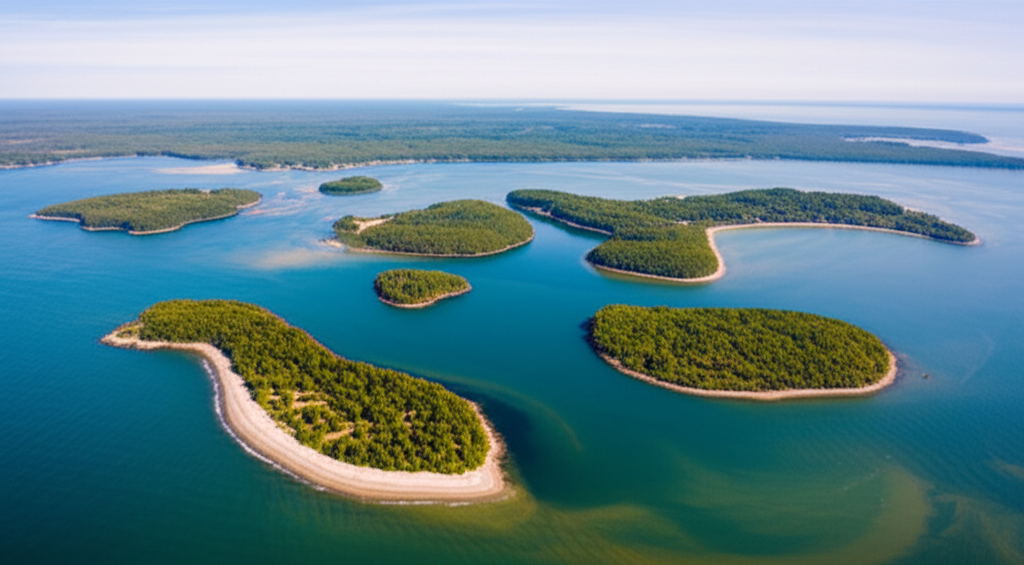
Let’s explore the captivating islands that make up Georgia’s stunning coastline. Each one offers a unique experience, from wild, natural beauty to charming, historic towns.
Find the Best Accommodation Deals
Compare prices from multiple booking platforms and discover the best stay options available.
⭐ Trusted by thousands of travelers
💰 Budget to luxury options available
1. Tybee Island: The Perfect Starting Point
Just a short drive from Savannah, Tybee Island is Georgia’s easternmost point and a fantastic introduction to island life. It’s famous for its laid-back atmosphere, wide beaches, and the iconic Tybee Island Light Station, Georgia’s oldest and tallest lighthouse.
Activities: Beachcombing, swimming, fishing, visiting the lighthouse, exploring the marine science center, dolphin watching tours.
Vibe: Family-friendly, casual, historic.
Why visit: Easy to access from Savannah, offers a classic beach town feel with plenty to do for all ages.
The Tybee Island Marine Science Center is a wonderful place to learn about the local marine life. It’s an engaging experience for kids and adults alike, offering insights into the coastal ecosystem. For a memorable experience, climb to the top of the lighthouse for breathtaking panoramic views of the Atlantic Ocean and surrounding marshes.
Best Stay Deals Available
Compare prices across top booking platforms and find the best deal for your stay.
Check Available Rooms2. St. Simons Island: Charm and History Abound
St. Simons Island is the largest of the Golden Isles and a hub of activity, blending historic charm with modern amenities. You can explore its quaint shops, dine at fantastic restaurants, and discover historical sites like Fort Frederica National Monument.
Activities: Cycling, shopping, dining, exploring historic sites, kayaking, visiting the pier.
Vibe: Lively, historic, upscale casual.
Why visit: A great balance of activities, relaxation, and history, with a beautiful natural setting.
Fort Frederica National Monument preserves the ruins of a colonial-era fort and settlement, offering a fascinating glimpse into Georgia’s past. The island is also known for its majestic live oak trees draped in Spanish moss, creating picturesque drives and pathways. Don’t miss a stroll down to the Pier, a popular spot for fishing and enjoying the ocean breeze.
3. Jekyll Island: Nature and Recreation
Jekyll Island offers a unique blend of natural beauty and recreational opportunities, with a focus on preserving its environment. It’s a State Park, meaning development is carefully managed to protect its delicate ecosystems.
Activities: Biking on over 30 miles of trails, exploring Driftwood Beach, swimming at Great Dunes Beach, birdwatching, golf, historic trolley tours.
Vibe: Natural, relaxed, family-oriented.
Why visit: Incredible natural beauty, abundant wildlife, and plenty of activities for outdoor enthusiasts.
Driftwood Beach is a photographer’s dream, with hauntingly beautiful, weathered trees scattered along the shore. Great Dunes Beach is perfect for families, with its wide sandy expanse and gentle waves. Jekyll Island is also a nesting ground for sea turtles, and visitors can learn more about these amazing creatures at the Georgia Sea Turtle Center.
4. Cumberland Island: Untamed Wilderness
For the truly adventurous spirit seeking raw, unspoiled nature, Cumberland Island is the ultimate escape. It’s a National Seashore, accessible only by ferry, and the island is largely undeveloped, home to wild horses and a rich history.
Activities: Hiking, camping, wildlife viewing (especially horses and birds), exploring ruins, beachcombing.
Vibe: Wild, remote, historic, natural.
Why visit: Experience a truly wild and pristine barrier island, with minimal development and abundant wildlife.
Plan your visit carefully as amenities are virtually non-existent. Visitors can explore the remnants of old plantations and the famous Dungeness mansion ruins. The island’s diverse habitats support a rich array of flora and fauna, making it a paradise for nature lovers. Remember to book the ferry in advance as it has limited capacity.
5. Sapelo Island: A Cultural and Ecological Gem
Sapelo Island offers a unique look into Georgia’s Gullah/Geechee heritage and its remarkable natural environment. Much of the island is a protected research and educational sanctuary managed by the University of Georgia.
Activities: Cultural tours exploring the Gullah/Geechee community, visiting the Sapelo Island Lighthouse, exploring diverse habitats, wildlife viewing.
Vibe: Cultural, natural, educational, remote.
Why visit: A rare opportunity to experience authentic Gullah/Geechee culture and explore a largely pristine ecological zone.
Access to Sapelo Island is primarily through guided tours to ensure the preservation of its delicate environment and cultural heritage. These tours offer invaluable insights into the island’s unique history and the traditions of its inhabitants. The Sapelo Island National Estuarine Research Reserve is a vital component of the island’s eco-tourism.
6. Little St. Simons Island: Exclusive Nature Preserve
This private island offers an exclusive and intimate nature experience. Accessible only by boat from St. Simons Island, Little St. Simons is a pristine sanctuary focused on conservation and providing guests with a peaceful, immersive natural escape.
Activities: Birdwatching, kayaking, hiking, fishing, wildlife viewing, relaxing on secluded beaches.
Vibe: Exclusive, tranquil, natural, luxurious eco-lodge feel.
Why visit: Offers an unparalleled opportunity for solitude and immersion in nature on a beautifully preserved island.
The island is home to diverse wildlife, including over 300 species of birds. Guests can enjoy the unspoiled beaches, lush maritime forests, and tidal creeks. Accommodations are limited to a charming, historic lodge, ensuring a quiet and personal experience. It’s a place to disconnect and reconnect with the natural world.
7. Ossabaw Island: A Living Laboratory
Ossabaw Island is Georgia’s third-largest barrier island and is largely managed as a wildlife preserve and a living laboratory for environmental research. Its development is restricted, focusing on conservation and education.
Activities: Guided nature tours, birdwatching, primitive camping (by permit), historical site exploration (limited access).
Vibe: Wild, educational, conservation-focused, remote.
Why visit: Explore a vast natural landscape with significant cultural and historical importance, dedicated to preservation.
Visiting Ossabaw requires advance planning and often involves specific guided tours. The island is a haven for migratory birds and a critical habitat for many coastal species. Its history includes Native American settlements, colonial periods, and plantation eras, with archaeologists continuing to study its rich past.
8. St. Catherines Island: A Sanctuary for Wildlife and History
St. Catherines Island is privately owned and primarily serves as a wildlife sanctuary and a site for archaeological research. It’s not generally open to the public for casual tourism, but limited educational and research-oriented visits can sometimes be arranged.
Activities: Primarily focused on research and conservation, including wildlife studies and archaeological surveys.
Vibe: Highly protected, natural, historic, inaccessible to general public.
Why visit: Its importance lies in its role as a protected habitat for wildlife and a site of ongoing historical discovery.
The island is home to a significant population of white-tailed deer and is crucial for loggerhead sea turtle nesting. Its historical significance includes early Spanish missions and later plantation history. Due to its protected status, planning a visit requires specific arrangements through research institutions or authorized programs.
9. Blackbeard Island: A Remote Wilderness Refuge
Named after the infamous pirate, Blackbeard Island is now a National Wildlife Refuge. It’s a remote, undeveloped island accessible only by boat, offering a truly wild experience for those who appreciate untamed nature.
Activities: Hiking, birdwatching, fishing (in designated areas), primitive camping (by permit).
Vibe: Remote, wild, undeveloped, natural.
Why visit: Experience one of the most undeveloped barrier islands, a haven for migratory birds and coastal wildlife.
Blackbeard Island is a significant stopover for migratory birds during their journeys. The island’s landscape is a mix of maritime forest, salt marsh, and tidal flats, creating diverse habitats. Visitors should be prepared for a primitive experience, as amenities are scarce. It’s a destination for those seeking solitude and immersion in nature’s raw beauty.
—
Planning Your Island Adventure: Essential Tips for Beginners
Now that you know about these amazing islands, let’s talk about making your trip smooth and enjoyable. Planning ahead is key, especially for island destinations.
Best Time to Visit Georgia Islands
The spring (March-May) and fall (September-November) offer the most pleasant weather. Expect warm temperatures, lower humidity, and fewer crowds. Summer can be hot and humid, while winter is mild but cooler, with some attractions potentially having reduced hours.
Getting To and Around the Islands
Mainland Access: Most islands are accessible via bridges from the mainland, like St. Simons, Jekyll, and Tybee.
Ferry Services: Islands like Cumberland and Sapelo require a ferry, which often needs to be booked in advance. Check the official ferry schedules and book your tickets early, as they have limited capacity.
Transportation on Islands:
Cars: You can usually drive your car onto islands like Tybee, St. Simons, and Jekyll.
Biking: Many islands are very bike-friendly, with dedicated trails, making it a great way to explore.
Walking: For smaller islands or specific areas, your own two feet are the best way to get around.
Golf Carts: Available for rent on some islands for a convenient way to cruise.
What to Pack for Your Island Getaway
Packing smart will make your trip much more comfortable! Think layers and essentials for sun and water.
Clothing: Lightweight, breathable clothing. Swimsuits, shorts, t-shirts, and a light jacket or sweater for cooler evenings.
Footwear: Comfortable walking shoes or sandals. Water shoes are great for rocky areas or water activities.
Sun Protection: Sunscreen (reef-safe if possible), hats, sunglasses.
Insect Repellent: Especially important for marshy areas and evenings.
Beach Gear: Beach towels, a beach bag, and perhaps a good book.
Camera: To capture all those beautiful island moments!
Reusable Water Bottle: Stay hydrated and reduce plastic waste.
Binoculars: Excellent for birdwatching and spotting dolphins.
Booking Accommodation
Accommodation options vary from charming bed and breakfasts and boutique hotels to vacation rentals and campgrounds. It’s crucial to book accommodation well in advance, especially during peak season or if you’re visiting a smaller, more exclusive island. Some remote islands like Little St. Simons offer all-inclusive lodge experiences.
Respecting the Environment
Georgia’s islands are home to sensitive ecosystems and wildlife. Always follow Leave No Trace principles.
Stay on marked trails.
Do not feed or disturb wildlife. Observe from a distance.
Properly dispose of all trash.
Avoid collecting shells or natural items from protected areas like National Seashores.
—
Comparing Georgia’s Islands: A Quick Overview
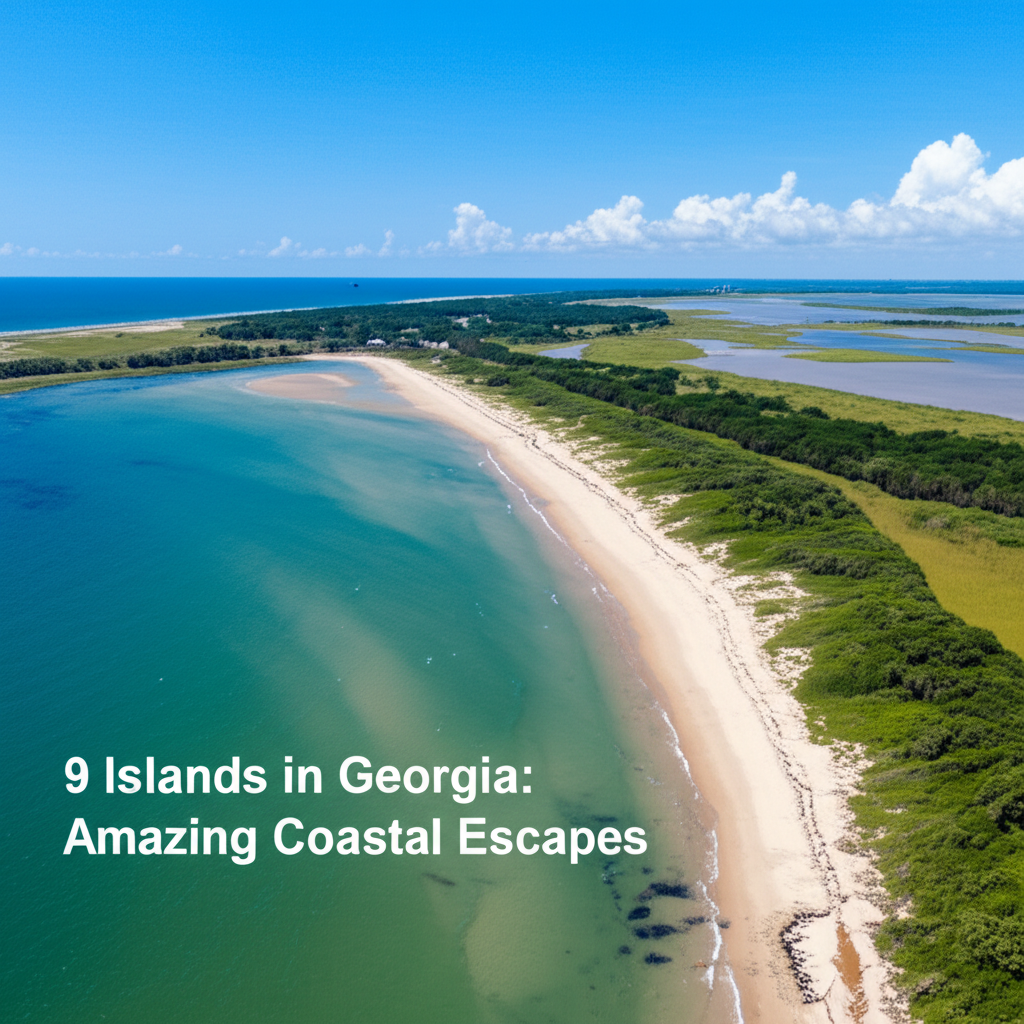
To help you choose, here’s a quick comparison of some key features.
| Island | Location | Primary Appeal | Accessibility | Best For |
|---|---|---|---|---|
| Tybee Island | Near Savannah | Beaches, Lighthouse, Family Fun | Car Bridge | Easy day trips, families, classic beach vacation |
| St. Simons Island | Golden Isles | History, Shopping, Dining, Activities | Car Bridge | Couples, families, history buffs, foodies |
| Jekyll Island | Golden Isles | Nature Trails, Beaches, Wildlife, Recreation | Car Bridge | Nature lovers, families, cyclists, outdoor enthusiasts |
| Cumberland Island | Southern Coast | Wilderness, Wild Horses, Ruins | Ferry Only | Adventurers, nature photographers, hikers, campers |
| Sapelo Island | Mid-Coast | Gullah/Geechee Culture, Nature, Research | Ferry Only (guided tours) | Cultural explorers, researchers, those seeking authentic experiences |
| Little St. Simons Island | Near St. Simons | Exclusive Nature, Birding, Solitude | Boat Access (private) | Nature enthusiasts, birdwatchers, those seeking quiet luxury |
| Ossabaw Island | Mid-Coast | Conservation, Wildlife, Research | Guided Tours / Permit Required | Researchers, nature observers, eco-tourists |
| St. Catherines Island | Mid-Coast | Wildlife Sanctuary, Archaeology | Restricted Access | Researchers, wildlife biologists |
| Blackbeard Island | Mid-Coast | Remote Wilderness, Migratory Birds | Boat Access Only | Remote hikers, serious birdwatchers, primitive campers |
—
Frequently Asked Questions About Georgia Islands
Q1: Which Georgia island is the easiest to visit for a beginner?
Tybee Island is often considered the most beginner-friendly. It’s very close to Savannah, easily accessible by car, and offers a classic, bustling beach town experience with plenty of amenities and activities for all ages. You don’t need extensive planning to enjoy a day or weekend here.
Q2: Are Georgia’s islands expensive to visit?
The cost can vary greatly. Tybee, St. Simons, and Jekyll Islands can range from budget-friendly to more upscale depending on your accommodation and dining choices. Islands like Cumberland and Blackbeard, which require ferry access and offer primitive camping or limited facilities, can be more budget-friendly for the adventurous traveler if you bring your own gear and food. Little St. Simons is an exclusive and consequently more expensive option.
Q3: Can I see wild horses on any of Georgia’s islands?
Yes! The most famous place to see wild horses roaming freely is Cumberland Island National Seashore. They are also occasionally spotted on other less developed islands like Sapelo Island. Remember to observe them from a safe distance and never feed them.
Q4: Which islands are best for birdwatching?
Cumberland Island, Blackbeard Island, Ossabaw Island, and Little St. Simons Island are exceptional for birdwatching, especially during migratory seasons. These islands are vital habitats for a vast array of coastal and migratory bird species, offering incredible opportunities for enthusiasts.
Q5: Do I need a car on all the islands?
No, not necessarily. On islands like Tybee, St. Simons, and Jekyll, having a car can be convenient, but many visitors get around happily by bike or even on foot. For islands like Cumberland, you park on the mainland and take a ferry. Once on Cumberland, your best options are hiking or biking. Islands like Sapelo and Blackbeard have limited access and are best explored with local guides or on foot.
Q6: Are there good restaurants and shopping on all these islands?
St. Simons Island and Tybee Island are known for their diverse dining and shopping scenes. Jekyll Island also has good options, especially within its resorts and village areas. For the more remote and undeveloped islands like Cumberland, Ossabaw, and Blackbeard, you’ll find very few, if any, commercial establishments. It’s essential to bring your own supplies to these locations.
—
A Natural Conclusion to Your Georgia Island Journey
As you can see