
Discover the 7 sacred temples in Hawaii to experience their profound peace and natural beauty. This guide makes visiting these spiritual sites easy for beginners, offering a serene and unforgettable part of your island adventure.
Aloha, fellow explorers! Are you dreaming of Hawaii and its incredible beauty? Many travelers visit the islands for beaches and volcanoes, but there’s a deeper magic waiting to be uncovered.
Check the latest prices and available rooms before they sell out.
Hawaii is home to numerous sacred temples and cultural sites that offer a unique glimpse into the islands’ rich spiritual heritage. Finding and respectfully visiting these places can feel a bit overwhelming at first.
Don’t worry, planning your visit is simpler than you think. This guide will walk you through seven amazing sacred temples, making your spiritual journey through Hawaii both exciting and easy. Get ready to discover a side of paradise you might not have imagined!
But first, let’s address some common questions beginner travelers have about exploring Hawaii’s sacred sites.
Frequently Asked Questions
What makes a temple “sacred” in Hawaii?
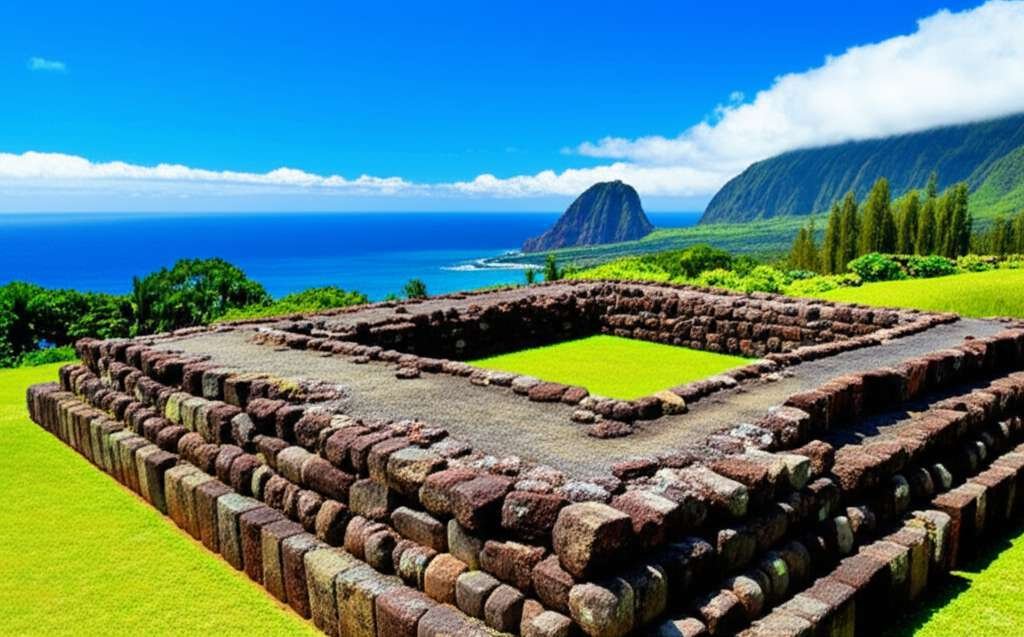
In Hawaii, “sacred” often refers to places deeply connected to ancestral Hawaiian culture, spirituality, and history. These sites might be ancient temples (heiau), significant natural landmarks like certain waterfalls or mountains, or places where important ceremonies took place. They are revered for their spiritual energy and historical importance.
Do I need to dress a certain way when visiting Hawaiian temples?
Yes, it’s important to dress respectfully. This generally means covering your shoulders and knees. Avoid revealing clothing, swimwear, or clothing with offensive graphics. Many ancient temple sites are exposed to the elements, so comfortable walking shoes and sun protection are also wise.
Are there any rules I should follow at these sacred sites?
Absolutely. Always be quiet and respectful. Do not touch, climb on, or remove anything from the sites. Leave no trace – pack out everything you pack in. Some sites may have specific signage with additional rules, so always read and adhere to them. It’s also customary to ask permission before taking photos, especially of any cultural practices you might observe.
Find the Best Accommodation Deals
Compare prices from multiple booking platforms and find the best option for your stay.
Compare Hotel PricesCan I leave offerings at a sacred temple?
It’s generally discouraged for visitors to leave modern offerings unless specifically invited to do so by cultural practitioners. The best offering you can make is your respect, reverence, and adherence to all site rules. If you wish to learn more about appropriate offerings, consult with local cultural organizations.
Are all sacred temples in Hawaii open to the public?
Not all sacred sites are publicly accessible. Some are on private land, are extremely fragile, or are considered too sacred for general visitation. This guide focuses on sites that are generally open to visitors, but always verify current access and hours before your visit.
Find the Best Accommodation Deals
Compare prices from multiple booking platforms and discover the best stay options available.
⭐ Trusted by thousands of travelers
💰 Budget to luxury options available
How can I find out if a temple is genuinely sacred and not just a tourist attraction?
Sacred sites often have a history of continuous cultural reverence or are officially recognized historical landmarks. Reputable sources like the National Park Service, state historic preservation offices, and local cultural organizations can provide accurate information. Look for sites with signage explaining their historical and cultural significance, managed by responsible authorities.
What if I unintentionally disrespect a sacred site?
Mistakes can happen, especially when you’re unfamiliar with customs. If you realize you’ve made a misstep, simply apologize genuinely and learn from it. The spirit of aloha encourages understanding and forgiveness, but it’s always best to educate yourself beforehand and proceed with the utmost care and respect.
7 Sacred Temples in Hawaii: An Amazing Paradise!
Hawaii is a land of breathtaking natural beauty, and alongside its stunning landscapes lies a rich spiritual history. For centuries, the islands have been home to sacred temples, known as heiau, which served as places of worship, healing, and community gathering for the ancient Hawaiians. Visiting these hallowed grounds offers a unique opportunity to connect with the islands’ profound past and their enduring spirit.
Best Stay Deals Available
Compare prices across top booking platforms and find the best deal for your stay.
Check Available RoomsThese sites aren’t just piles of stones; they are living testaments to a vibrant culture. They whisper stories of the people who once walked these lands, their beliefs, and their deep connection to the natural world. Exploring them can be a deeply moving experience, adding a unique dimension to your Hawaiian vacation.
This guide is designed for you, the curious traveler eager to explore beyond the typical tourist path. We’ll introduce you to seven incredible sacred temples across the Hawaiian islands, providing practical tips to help you visit them with respect and wonder. Get ready to embark on a journey of discovery!
1. Puʻukoholā Heiau National Historic Site (Island of Hawaiʻi)
Puʻukoholā Heiau stands proudly on the Kohala Coast of the Island of Hawaiʻi, a powerful monument to Hawaiian history and spirituality. This impressive temple was built by Kamehameha I in the late 18th century, marking a pivotal moment in Hawaiian unification. It’s a place where great leaders sought divine favor before embarking on significant endeavors.
The site is not just about history; it’s a place of profound energy. Standing on the grounds, you can almost feel the echoes of ancient ceremonies and the weight of history. The surrounding landscape, carved by lava flows and kissed by the Pacific breeze, adds to the site’s majestic aura.
Why Visit Puʻukoholā Heiau?
- Historical Significance: It’s one of the largest and most important ancient temples in Hawaii, directly linked to the rise of King Kamehameha I.
- Architectural Marvel: The massive stone structure, built without mortar, showcases incredible ancient Hawaiian engineering.
- Living History Exhibits: The National Park Service provides excellent interpretive programs and exhibits that bring the site’s past to life.
Tips for Visiting:
- Wear comfortable shoes for walking the site.
- Bring water, sunscreen, and a hat, as there is little shade.
- Check the National Park Service website for visitor center hours and ranger program schedules.
- Be quiet and respectful as you explore the temple grounds.
2. Moomomi Dunes Natural Area Reserve (Island of Molokaʻi)
Molokaʻi, known as the “Most Hawaiian Island,” is a treasure trove of ancient sites, and Moomomi Dunes is one of its most serene treasures. This vast coastal area is a protected reserve managed by the Division of State Parks. It’s not a single temple structure but a sacred landscape deeply intertwined with Hawaiian mythology and traditional practices.
The dunes are considered a sacred area where early Hawaiians landed and established significant cultural practices. Ancient burial sites and evidence of early Hawaiian life are found here, making it a place of immense archaeological and spiritual importance. The sheer, undeveloped beauty of the coastline adds to its mystique.
Why Visit Moomomi Dunes?
- Unspoiled Natural Beauty: Experience wild, windswept beaches and dramatic coastal dunes untouched by commercial development.
- Cultural Significance: It’s a vital area for understanding early Hawaiian settlement and spiritual connection to the land.
- Peaceful Contemplation: The remote and quiet atmosphere makes it ideal for peaceful reflection and a deep sense of Hawaiian culture.
Tips for Visiting:
- Access can be challenging and may require a 4WD vehicle or a guided tour, as roads can be rough.
- Respect all signage regarding protected areas and cultural sites.
- Please adhere to “Leave No Trace” principles rigorously.
- Be aware of the ocean conditions; swimming may not always be safe.
3. Mālaʻe Heiau (Island of Kauaʻi)
Located near Kapaʻa on the east side of Kauaʻi, Mālaʻe Heiau is one of the largest and best-preserved ancient temples on the island. This walled temple complex, nestled in lush surroundings, was likely used for both religious ceremonies and as a place for astronomical observation. It offers a palpable sense of history and spiritual resonance.
The complex is divided into several parts, including a main platform and surrounding walls, demonstrating sophisticated planning and construction. Walking through the site, you can imagine the priests and kahuna (priests or experts) who once conducted important rituals here, seeking guidance from the gods.
Why Visit Mālaʻe Heiau?
- Impressive Preservation: It’s a remarkably intact example of ancient Hawaiian temple architecture.
- Accessible Location: It’s relatively easy to find and access, making it a convenient stop for exploring Kauaʻi’s cultural heritage.
- Spiritual Ambiance: The serene setting within tropical vegetation provides a peaceful atmosphere for reflection.
Tips for Visiting:
- Tread carefully as the terrain can be uneven.
- Be mindful of the local flora and fauna.
- This is a sacred place; maintain a quiet demeanor and refrain from touching any stones.
- Consider visiting during daylight hours for better visibility.
4. Ipu o Lono Temple Site (Island of O‛ahu)
On the southeastern coast of Oʻahu, near Makapuʻu Point, lies the Ipu o Lono temple site. This location holds significant historical and spiritual importance, particularly in relation to ancient Hawaiian agriculture and the life-giving rain associated with the goddess Lono. The site consists of earth mounds and stone enclosures that hint at its former use.
While not as grand in stone structure as some other heiau, its spiritual power is deeply felt. Ancient Hawaiians relied heavily on understanding natural cycles, and sites like Ipu o Lono were central to their practices for ensuring bountiful harvests and maintaining harmony with the environment. It’s a place that speaks to the deep wisdom of ancient agriculturalists.
Why Visit Ipu o Lono?
- Connection to Nature: Experience a site deeply tied to the natural elements crucial for sustenance in ancient Hawaiian life.
- Historical Insights: Learn about the agricultural practices and spiritual beliefs that sustained Hawaiian communities.
- Scenic Setting: Enjoy the beautiful coastal views of Oʻahu’s dramatic southeastern shoreline.
Tips for Visiting:
- Wear sturdy walking shoes suitable for uneven terrain and possibly slightly overgrown paths.
- It’s best to visit with a local guide who can share the deeper cultural and historical context.
- Respect the privacy of the site and any private property nearby.
- Check local regulations for access, as some areas might have specific rules.
5. Lānāʻikaʻana Holuʻamu Heiau (Island of Lānaʻi)
Lānaʻi, the least populated of the main Hawaiian Islands, offers an escape into a world of quietude and ancient mysteries. While many associate it with its former pineapple plantations, the island also holds sacred sites like Lānaʻikaʻana Holuʻamu Heiau. This temple complex is found in the central uplands of Lānaʻi and is believed to have played a role in significant ceremonies.
This heiau is significant for its association with spiritual practices and its historical connection to the island’s people. The rugged beauty of Lānaʻi’s interior, with its volcanic rock formations and endemic plants, provides a dramatic backdrop for exploring this ancient site. It offers a uniquely tranquil experience.
Why Visit Lānaʻikaʻana Holuʻamu Heiau?
- Remote Discovery: Explore a less-visited sacred site on an island known for its tranquility.
- Rugged Landscape: Immerse yourself in the stark, natural beauty of Lānaʻi’s interior.
- Sense of Seclusion: Enjoy a peaceful and contemplative visit away from crowds.
Tips for Visiting:
- Accessing Lānaʻi requires specific planning, often involving ferries or flights from Maui or Oʻahu.
- A 4WD vehicle is highly recommended for exploring Lānaʻi’s interior roads.
- Always follow trail markers and respect the fragile environment.
- Consider obtaining a local map or guide to navigate the island’s interior.
6. Puʻu o Mahuka Heiau State Historic Site (Island of Oʻahu)
Perched atop cliffs overlooking the stunning North Shore of Oʻahu is Puʻu o Mahuka, the largest heiau on the island. This expansive temple site offers panoramic views of the Pacific Ocean and the legendary surf breaks below. Its commanding position speaks to its importance in ancient Hawaiian society, likely used for important ceremonies and observation.
The site itself consists of a large, walled enclosure with clearings and stone foundations. Imagine the ancient Hawaiians gathered here, looking out at the vast ocean, performing rituals to ensure success for fishermen and the well-being of the community. The sheer scale and commanding location make it an unforgettable spiritual destination.
Why Visit Puʻu o Mahuka Heiau?
- Breathtaking Views: Enjoy unparalleled vistas of the North Shore coastline and the Pacific Ocean.
- Largest Heiau on Oʻahu: Experience the scale of this historically significant temple complex.
- Peaceful Atmosphere: Despite its popularity for views, the site retains a sense of sacredness and tranquility.
Tips for Visiting:
- Park in the designated areas.
- Stay on marked paths to protect the archaeological features.
- Bring binoculars to take advantage of the incredible ocean views.
- Be aware of strong winds, especially at the cliff edge.
7. ʻAhuʻena Heiau (Island of Hawaiʻi)
Located on a point overlooking Kailua Bay on the Island of Hawaiʻi, ʻAhuʻena Heiau is a beautifully restored ancient temple that was a significant religious and political center. It was once the residence of King Kamehameha I, where he performed sacred ceremonies after conquering the islands. The restoration efforts have made it a prominent and accessible site to experience ancient Hawaiian culture.
This heiau offers a tangible connection to the significant events that shaped modern Hawaii. Standing on its reconstructed platform, you can visualize the royal ceremonies that took place here, seeking divine blessing for the unified kingdom. It is a place that truly embodies the spirit of Aloha and the enduring legacy of Hawaiian royalty.
Why Visit ʻAhuʻena Heiau?
- Royal History: Connect with the history of King Kamehameha I and his significant achievements.
- Beautiful Restoration: See a well-preserved and actively maintained heiau, offering a clear representation of its original form.
- Prime Location: Enjoy its scenic setting in Kailua-Kona, easily accessible for visitors.
Tips for Visiting:
- This site is often busy due to its location; visit early or late for a quieter experience.
- Respect the interpretive signs and any ongoing activities.
- Consider learning a few basic Hawaiian phrases to enhance your appreciation.
- Walk gently and observe the details of the reconstruction.
Planning Your Sacred Site Visit: A Practical Guide
Exploring Hawaii’s sacred temples is a rewarding experience, but it requires careful planning and respect. Here’s a breakdown of essential steps to ensure your visit is both meaningful and responsible.
1. Research and Respect Are Key
Before you go, take time to understand the history and cultural significance of each site you plan to visit. Websites of the National Park Service, Hawaii State Department of Land and Natural Resources, and local cultural organizations are excellent resources. Remember that these are sacred places, not just tourist attractions.
<h3 id="check-