
Discover Idaho’s best five caves for an unforgettable underground adventure! Explore stunning geological formations and learn about unique ecosystems with our beginner-friendly guide.
Ever dreamed of stepping into another world, right beneath your feet? Idaho, a state known for its vast landscapes and natural beauty, also hides incredible secrets underground. Exploring caves might seem a bit daunting for beginners, but it’s an accessible and awe-inspiring way to experience something completely new.
Check the latest prices and available rooms before they sell out.
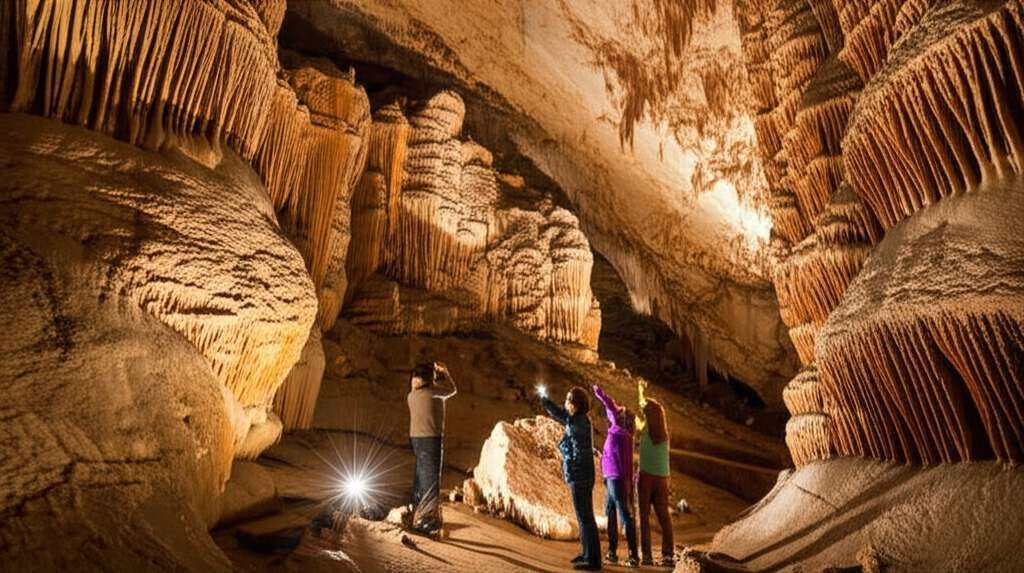
Many travelers want to discover unique natural wonders but aren’t sure where to start. Finding the right places and knowing what to expect can feel overwhelming. This guide will walk you through five amazing caves in Idaho, making your underground adventure simple and exciting.
Get ready to explore the fascinating world of Idaho’s caves. We’ll cover everything you need to know to plan your trip, from the best spots to what you should bring. Your epic subterranean journey begins now!
Why Explore Caves in Idaho?
Idaho is a treasure trove of geographic wonders, and its caves are no exception. These underground realms offer a glimpse into a hidden world shaped over millennia by water, ice, and volcanic activity. For beginners, cave exploration provides a safe and structured introduction to the thrill of discovery.
Think of the unique experience: walking through passages carved by nature, marveling at crystal formations, and learning about the specialized life that thrives in darkness. It’s an unforgettable way to connect with the natural world in a way you can’t on a typical hiking trail.
Many of Idaho’s accessible caves are managed by organizations and park services, ensuring they are safe for visitors with basic guidance. This means you can focus on the wonder, not the worry. You’ll find everything from sprawling lava tubes to intricate limestone caverns, each with its own story to tell.
Essential Tips for Beginner Cave Explorers
Before you don your headlamp and embark on your Idaho cave adventure, a little preparation goes a long way. Safety and comfort are key to enjoying the experience. These tips are designed to make your first underground explorations smooth and memorable.
Find the Best Accommodation Deals
Compare prices from multiple booking platforms and find the best option for your stay.
Compare Hotel PricesThink of this as your checklist to ensure you have a fantastic time without any surprises. We’ll cover what to wear, what to bring, and some basic cave etiquette to help you be a responsible explorer.
Here’s what you need to know for a great start:
Find the Best Accommodation Deals
Compare prices from multiple booking platforms and discover the best stay options available.
⭐ Trusted by thousands of travelers
💰 Budget to luxury options available
- Dress in Layers: Caves maintain a consistent, cool temperature year-round, often between 40-55°F (4-13°C). Wear a base layer, an insulating layer (like fleece), and a waterproof outer layer.
- Sturdy Footwear is Crucial: Opt for closed-toe shoes with good grip, like hiking boots or sturdy athletic shoes. The ground can be uneven, wet, and sometimes muddy.
- Bring Multiple Light Sources: Your primary light source is your headlamp, but always carry a backup flashlight or even your phone’s light as an emergency backup.
- Stay on Designated Paths: Many caves have marked trails or walkways to protect fragile formations and ensure visitor safety. Always follow them.
- Do Not Touch Formations: The natural oils and acids from your skin can damage delicate cave formations over time. Admire them with your eyes.
- Respect the Environment: Take nothing but pictures, leave nothing but footprints (on designated paths!). Avoid disturbing any wildlife you might encounter.
- Stay Hydrated and Bring Snacks: Especially for longer cave tours, having water and a light snack can be helpful.
- Check Cave Conditions and Tours: Some caves are self-guided, while others require guided tours. Always check the operating hours, tour availability, and any accessibility information beforehand.
5 Amazing Caves in Idaho for Underground Exploration
Idaho is home to some truly spectacular subterranean landscapes. From volcanic tunnels to ancient limestone systems, there’s a cave experience waiting for every curious traveler. We’ve picked five diverse and accessible options perfect for those new to cave exploration.
These locations offer a variety of experiences, from easy walks to more adventurous explorations, all while showcasing the incredible geological diversity of Idaho. Let’s dive in!
1. Lava River Cave (Craters of the Moon National Monument & Preserve)
Located within the dramatic landscape of Craters of the Moon National Monument & Preserve, Lava River Cave is Idaho’s longest known lava tube. Formed by molten lava flowing beneath a hardening crust, this cave offers a unique look into volcanic processes.
Best Stay Deals Available
Compare prices across top booking platforms and find the best deal for your stay.
Check Available RoomsWalking through Lava River Cave feels like stepping onto another planet. The cave floor is uneven, littered with rocks, and in some parts, requires careful stepping. The walls tell the story of ancient fiery rivers, with fascinating textures and solidified flows visible in the dim light.
It’s important to note that this cave is unlit and can be quite dark and cool. The National Park Service emphasizes the need for proper preparation. They recommend bringing at least two reliable light sources per person and wearing sturdy shoes. For the most up-to-date information on access and conditions, always check the official Craters of the Moon National Monument website.
Lava River Cave at a Glance
| Feature | Description |
|---|---|
| Type of Cave | Lava Tube |
| Length | Over a mile (1.2 miles or about 1.9 km one way) |
| Accessibility | Moderate. Uneven floor, requires careful walking. |
| Temperature | Consistently around 40°F (4°C) |
| Unique Aspects | Smooth, wave-like walls, evidence of ancient lava flow, self-guided exploration with proper gear. |
| Best For | Adventure seekers, geology enthusiasts, those wanting a unique volcanic experience. |
Visitors often describe the experience as humbling, walking inside a literal river of ancient lava. The scale of the tube can be surprising, with ceilings in places so high you can barely see them, and in others, so low you’ll need to duck. It’s an immersive journey into Idaho’s fiery past.
2. Crystal Ice Cave (Sublimity Recreation Area)
Prepare to be amazed at Crystal Ice Cave, a truly unique destination near Arco, Idaho. What makes this cave so special is its remarkable ice formations, which can persist well into the summer months. It’s a cool refuge and a natural wonder that draws visitors seeking something extraordinary.
The cave itself is a lava tube, similar to Lava River Cave, but its cooler, moist environment allows for the formation and preservation of stunning ice formations. You’ll find ice stalactites, stalagmites, and flowing curtains of ice that shimmer and sparkle under your flashlight.
Access to Crystal Ice Cave is generally self-guided, but the terrain can be challenging. It’s recommended for those who are comfortable navigating rocky, potentially slippery surfaces. Always wear sturdy shoes and bring reliable lighting. The U.S. Forest Service manages the area, and it’s always a good idea to check their local advisories for road conditions and any specific recommendations before your visit.
Crystal Ice Cave Highlights
| Category | Details |
|---|---|
| Cave Type | Lava Tube with Ice Formations |
| Key Attraction | Stunning, persistent ice formations (stalactites, stalagmites, flowstone) |
| Best Time to Visit for Ice | Late spring through summer |
| Difficulty | Moderate to Difficult (uneven, rocky, slippery terrain) |
| Required | Sturdy footwear, headlamp/flashlight (at least two per person), warm clothing. |
| Location Note | Near Arco, within the Sublimity Recreation Area. |
The sheer beauty of the ice, especially when illuminated, is breathtaking. It’s like stepping into a frozen wonderland. The constant cool temperature makes it a refreshing escape, even on a hot Idaho day. Remember, touching the ice can cause it to melt and can damage its delicate structure, so observe with care.
3. Minnetonka Cave (Bear Lake Ranger District)
Nestled in the Bear Lake Ranger District on the western slope of the Bear River Mountains, Minnetonka Cave is a true gem for those who appreciate detailed geological artistry. This limestone cave is renowned for its diverse and abundant cave formations, often referred to as speleothems.
What makes Minnetonka Cave exceptionally special for beginners is that it offers guided tours. Park rangers lead groups through the cave, explaining its natural history and pointing out the incredible formations. This makes it an easy and educational experience, perfect for families and those new to caving.
The cave is home to a variety of formations, including stalactites, stalagmites, flowstone, and draperies. It’s also a hibernaculum for bats, so visits are typically managed to protect their habitat. Wearing sturdy shoes and a light jacket is recommended, as the cave temperature is a constant 40°F (4°C). For tour schedules and to book your spot, check the U.S. Forest Service page for Minnetonka Cave. Photography is usually permitted, but flash is often discouraged to protect the bats and the cave environment.
Minnetonka Cave Tour Experience
| Aspect | Details |
|---|---|
| Cave Type | Limestone Cave |
| Tours | Guided tours seasonally (typically summer months) |
| Key Features | Abundant and diverse speleothems (stalactites, stalagmites, draperies), bat habitat. |
| Temperature | ~40°F (4°C) year-round |
| Accessibility | Moderate. Requires walking and some stairs; not fully ADA accessible. |
| Best For | Families, beginners, geology enthusiasts, educational experiences. |
The guided tours at Minnetonka Cave provide invaluable insights, turning a visual spectacle into a learning opportunity. You’ll hear about how the cave was formed, the life it supports, and the importance of conservation. It’s a magical journey that connects you deeply with the natural processes sculpting our world beneath the surface.
4. Thousand Springs State Park – Thousand Springs Ice Caves
While not a single, distinct cave in the traditional sense, the area around Thousand Springs State Park along the Snake River offers a unique geological phenomenon: numerous springs that emerge from cliff faces, some creating small cave-like openings and alcoves that often freeze into spectacular ice formations during winter.
During the colder months, water cascading from these springs freezes, creating temporary, ethereal ice caves and formations. These can range from delicate ice curtains to larger, temporary chambers formed by the sheer volume of frozen water. It’s a highly seasonal attraction, best experienced when temperatures are consistently below freezing.
This is an area for very light exploration, primarily appreciating the natural ice art from safe vantage points. The formations are fragile and dynamic, changing daily with temperature and water flow. Always exercise caution when exploring areas with ice, and check local conditions. The Idaho Parks and Recreation department oversees the state park, and while specific ice cave trail information might be limited, general park information can be found on their Thousand Springs State Park webpage.
Thousand Springs Ice Formations
| Element | Details |
|---|---|
| Location | Thousand Springs State Park and surrounding areas along the Snake River |
| Natural Phenomenon | Springs emerging from cliffs, freezing into ice formations. |
| Best Viewing Season | Winter (when temperatures are consistently below freezing) |
| Type of “Cave” | Temporary, naturally formed ice alcoves and curtains, not traditional caves. |
| Difficulty | Easy to Moderate (depending on accessibility to viewpoints; ice can be slippery). |
| What to Expect | Beautiful, dynamic ice sculptures created by freezing spring water. |
The magic of Thousand Springs lies in its ephemeral beauty. Each winter offers a slightly different display of frozen water art. It’s a perfect spot for photographers and nature lovers who appreciate fleeting natural wonders. Remember, safety is paramount, and these are not caves to enter deeply, but rather to admire from a safe distance.
5. Palouse Falls State Park – Cave Like Features
While not a traditional cave system, Palouse Falls State Park contains dramatic basalt cliffs and rock formations, including alcoves and overhangs, that can feel cave-like, especially behind the astounding Palouse Falls themselves. The sheer power of the waterfall carves out these formations over countless years.
Standing near the main overlook, you can feel the mist and power of the falls. In some areas, small overhangs and recesses offer a sense of enclosure, a natural shelter from the elements, albeit temporary due to the spray. These are not deep caverns but fascinating geological features shaped by water erosion.
The park is very accessible, with well-maintained trails and viewing platforms. For those interested in geology and the erosive power of water, observing how these features are shaped is a captivating experience. The park itself is a stunning display of nature’s artistry. Find more information on the Idaho Parks and Recreation page for Palouse Falls.
Palouse Falls Geological Interest
| Aspect | Information |
|---|---|
| Location | Palouse Falls State Park, near Rosalia |
| Geological Features | Basalt cliffs, erosional alcoves, overhangs, behind the waterfall. |
| “Cave-like” Nature | Natural recesses and overhangs created by waterfall erosion. |
| Accessibility | Very High. Paved paths and overlooks. |
| Best For | Scenery lovers, geologists, photographers, those seeking dramatic natural beauty. |
| Cave Exploration Level | Minimal; observation of natural formations. |
Visiting Palouse Falls is less about deep cave exploration and more about experiencing the raw power and beauty of water shaping the landscape. The feeling of being near the mist and the roar of the falls, with the eroded basalt cliffs surrounding you, provides a unique sense of enclosure and wonder. It’s a testament to the ongoing geological forces at play in Idaho.
Frequently Asked Questions About Idaho Caves
1. Do I need special equipment to visit these caves?
For most beginner-friendly caves like Minnetonka Cave, sturdy shoes and a light jacket are usually sufficient, as tours provide guidance and some lighting. For unlit lava tubes like Lava River Cave or Crystal Ice Cave, a headlamp and a backup light source are essential. Always check the specific requirements for the cave you plan to visit.
2. Are Idaho caves safe for children?
Many Idaho caves are family-friendly, especially those with guided tours like Minnetonka Cave. However, caves with uneven terrain, like lava tubes, require extra supervision for young children. Always assess the cave’s difficulty level and your children’s capabilities before visiting.
3. Can I explore caves on my own (self-guided)?
Some caves, particularly lava tubes like Lava River Cave and Crystal Ice Cave, are self-guided. This requires you to be more prepared with your own gear and safety knowledge. Caves with delicate formations or complex passages, like Minnetonka, are best explored with a guide for safety and educational value.
4. What is the best time of year to visit Idaho caves?
Cave temperatures are generally consistent year-round, making them accessible anytime. However, accessibility to cave areas might be affected by winter snow and road conditions. Summer is peak season for most caves, especially those offering guided tours. Crystal Ice Cave is best visited in late spring/summer to see its ice formations at their peak.