
Discover 6 Amazing Idaho National Forests for Unforgettable Escapes; perfect for beginners seeking adventure and natural beauty.
Planning a trip to Idaho? You’re in for a treat! The Gem State is bursting with wild, open spaces that offer incredible adventures for everyone.
Check the latest prices and available rooms before they sell out.
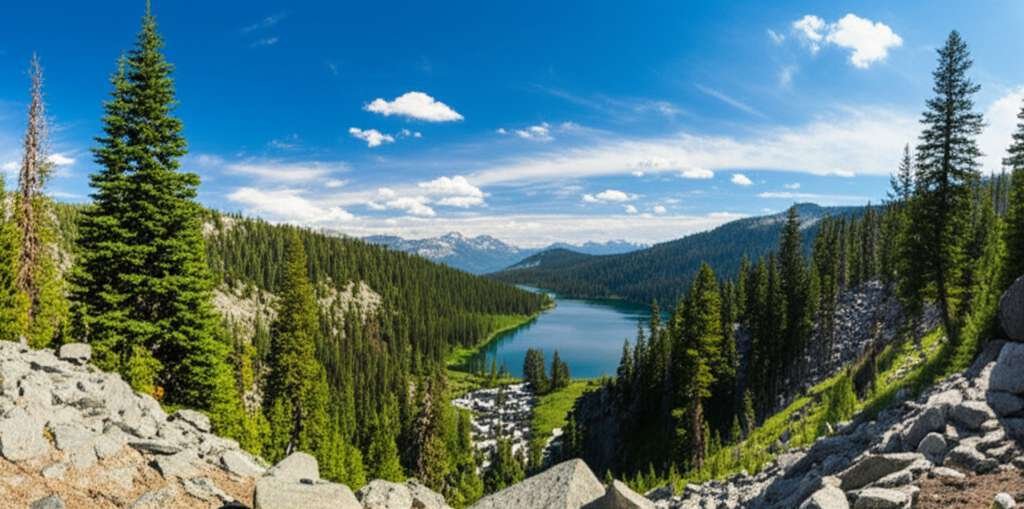
But with so many options, choosing the right spot can feel a little overwhelming, right? Don’t worry, I’m here to help make it simple and exciting.
Let’s dive into six of Idaho’s most breathtaking national forests. Get ready to find your perfect escape!
Your Guide to Idaho’s Majestic National Forests
Idaho is a land of towering mountains, sparkling rivers, and vast, untouched wilderness. Its national forests are the crown jewels, offering a peaceful retreat from everyday life. Whether you’re dreaming of hiking through ancient forests, spotting wildlife, or simply breathing in the crisp mountain air, these public lands have something special for you.
As James, your travel storyteller, I want to make exploring America easy and fun. We’ll break down six incredible Idaho national forests, giving you the inside scoop to plan your next stress-free adventure. These places are perfect for first-time visitors, families, or anyone looking for a dose of nature’s finest.
1. Boise National Forest: Close to the Capital City
The Boise National Forest is a fantastic starting point for any Idaho adventure, especially if you’re arriving through the capital city. It’s incredibly accessible and offers a wide variety of activities for all skill levels. Summer is glorious here, with wildflowers and clear skies.
This forest is home to dramatic landscapes, from rugged peaks to serene alpine lakes. It’s a popular spot for hiking, camping, and fishing. You might even spot some elk or deer!
Find the Best Accommodation Deals
Compare prices from multiple booking platforms and find the best option for your stay.
Compare Hotel PricesThe nearby city of Boise makes it easy to grab supplies or enjoy a meal before or after your forest adventures. It’s the perfect blend of wild and convenient.
Things to Do in Boise National Forest
Hiking: Trails range from easy strolls to challenging mountain climbs. Check out the popular Shafer Butte trail system for great views.
Camping: Numerous campgrounds are available, from developed sites with amenities to primitive spots for a more rustic experience.
Fishing & Boating: Many lakes and reservoirs, like Lucky Peak Lake and Arrowrock Reservoir, are perfect for a day on the water.
Scenic Drives: Enjoy routes like the Banks-Lowman Road, offering stunning vistas.
Find the Best Accommodation Deals
Compare prices from multiple booking platforms and discover the best stay options available.
⭐ Trusted by thousands of travelers
💰 Budget to luxury options available
Pro Tip for Beginners:
Always check forest road conditions, especially in spring and fall, as they can change rapidly. The official Boise National Forest website is your best resource for current alerts and maps.
2. Sawtooth National Forest: Idaho’s Crown Jewel
Prepare to be amazed by the Sawtooth National Forest. This is where Idaho’s iconic jagged mountain peaks, shimmering alpine lakes, and vast meadows truly shine. It’s often considered the most scenic of all Idaho’s forests, and for good reason!
The Sawtooth Wilderness area is a hiker’s paradise, drawing visitors from around the globe. Its rugged beauty feels like stepping into a postcard.
Best Stay Deals Available
Compare prices across top booking platforms and find the best deal for your stay.
Check Available RoomsPlanning your trip here is exciting because the opportunities for adventure are endless, from backpacking into remote wilderness to enjoying a leisurely picnic by a crystal-clear lake.
Must-Visit Spots in Sawtooth National Forest
Redfish Lake: One of the most famous and beautiful lakes, perfect for swimming, boating, and hiking.
Alice Lake: A breathtaking hike leads to this stunning alpine gem, surrounded by granite peaks.
Stanley Lake: Offers incredible views of the Sawtooth Mountains and is great for fishing and camping.
Pioneer Mountains: Explore this sub-range for more remote hiking and incredible stargazing.
Planning your Sawtooth Adventure:
Backcountry permits might be required for overnight stays in the wilderness areas. It’s best to research and book popular campsites or obtain necessary permits well in advance, especially for summer travel.
3. Payette National Forest: Wild Rivers and Rugged Terrain
The Payette National Forest is a wonderland for those who love wild rivers and dramatic mountain scenery. It’s known for its pristine wilderness areas and the Middle Fork of the Salmon River, one of North America’s premier whitewater rafting destinations.
This forest is a fantastic place for adventure seekers who enjoy challenging hikes, multi-day backpacking trips, and exploring remote corners of Idaho.
For a beginner, it’s a place to be inspired by raw, untamed nature. You can enjoy less strenuous activities too, like fishing in clear streams or simply taking in the views from accessible overlooks.
Adventures in Payette National Forest
Rafting the Middle Fork: An epic adventure for experienced rafters or guided trips. Book well in advance!
Hiking in the Seven Devils Mountains: Offers challenging trails with panoramic views, adjacent to Hells Canyon.
Munson Creek Falls: A beautiful, easily accessible waterfall for a short walk and picnic.
Exploring Hells Canyon: While much of Hells Canyon is in Oregon, access points and trails are abundant from the Idaho side managed by the Payette.
Important Note for Payette:
Hells Canyon is the deepest river gorge in North America. Be prepared for steep terrain and variable weather if you explore its edges. Always carry bear spray and know how to use it.
4. Nez Perce-Clearwater National Forests: Rich History and Diverse Landscapes
This expansive forest is a treasure trove of history and diverse natural beauty. The Nez Perce-Clearwater National Forests combine the rugged wilderness of the Selkirk and Rocky Mountains with the historical significance of the land once traveled by the Nez Perce people.
It’s a place where you can hike through old-growth forests, discover cascading waterfalls, and learn about the rich cultural heritage of the region.
For beginners, its vastness offers less crowded opportunities to connect with nature. You can find easier trails and beautiful lakes for a more relaxed immersion into Idaho’s wild heart.
Discoveries in Nez Perce-Clearwater National Forests
Selway-Bitterroot Wilderness: One of the largest wilderness areas in the lower 48 states, offering unparalleled solitude.
Lolo Motorway: A historic route offering incredible views and access to hiking trails.
Fish Hook Creek Trail: A moderate trail leading to beautiful alpine scenery and potential wildlife sightings.
Dworshak State Park & Reservoir: While technically a state park, it’s surrounded by the national forest and offers great boating and fishing access.
Historical Insights:
This area is deeply connected to the Lewis and Clark Expedition. Look for interpretive sites and trails that highlight their journey through this magnificent landscape. Learn more from Lewis and Clark National Historical Park.
5. St. Joe National Forest: The “Coolest Little Forest”
Often called the “coolest little forest” in Idaho, the St. Joe National Forest, part of the larger Idaho Panhandle National Forests, is renowned for its stunning beauty and cooler, wetter climate. This leads to lush, verdant forests quite different from the drier southern Idaho mountains.
It’s a fantastic destination for those who love water activities, with the St. Joe River offering excellent fishing and opportunities for scenic float trips. The higher elevations are great for hiking and experiencing true mountain wilderness.
Beginners will appreciate the accessibility of some areas, with beautiful drives and easy-to-reach viewpoints that showcase the forest’s emerald embrace.
Highlights of the St. Joe National Forest
St. Joe River: A designated Wild and Scenic River, perfect for fishing cutthroat trout and enjoying peaceful rafting.
Avery Area: A gateway to hiking trails and scenic overlooks, with a charming historic lodge.
Emerald Lake Trail: A relatively moderate hike leading to a beautiful,
clear alpine lake.
Palisades Trail: Offers a longer, more immersive hiking experience through varied forest terrain.
Visitor Tip:
The weather can change quickly, even in summer. Pack layers and rain gear. Insect repellent is also a good idea, especially near water.
6. Salmon-Challis National Forest: Vast Wilderness and Outdoor Recreation
The Salmon-Challis National Forest is a colossal expanse of wilderness, predominantly managed for its primitive and wild characteristics. This is the heart of Idaho’s backcountry, offering vast opportunities for true immersion in nature.
This forest is a playground for hearty adventurers, featuring rugged mountain ranges, the scenic Salmon River, and deep canyons. It’s ideal for experienced backpackers, hunters, and anglers seeking solitude and a genuine wilderness experience.
For beginners, this forest offers a chance to dip their toes into backcountry exploration via shorter day hikes from accessible trailheads or to enjoy the services in towns like Salmon that border this immense natural area.
Exploring Salmon-Challis National Forest
Frank Church-River of No Return Wilderness: The largest wilderness area in the contiguous United States. Access points offer incredible hiking and backpacking.
Salmon River: Famous for its challenging whitewater, but also offers opportunities for scenic drives and fishing.
Hyde Creek: A popular trailhead for moderate hikes leading into the wilderness.
Challis Hot Springs: A great place to relax and soak after a day of exploring nearby trails.
Safety First:
Due to its vast and remote nature, always be prepared if venturing into the Salmon-Challis. Inform someone of your plans, carry a map and compass (and know how to use them), and be aware of wildlife. The Salmon-Challis National Forest website provides detailed information on wilderness areas and safety.
Planning Your Idaho National Forest Adventure: Essential Tips
Now that you’ve peeked at these amazing Idaho national forests, let’s talk about making your trip happen smoothly. Planning ahead is key to a stress-free and enjoyable experience, especially for first-time visitors.
Here’s a simple checklist to get you started:
Pre-Trip Planning Checklist:
Choose Your Forest: Based on the descriptions, which one calls to you the most? Consider the types of activities you want to do.
Best Time to Visit: Summer (June-September) typically offers the best weather for most activities. Spring and fall can be beautiful but may have snow at higher elevations and limited road access.
Permits & Reservations: Some popular campgrounds, specific trails, or backcountry areas require permits or advance reservations. Always check the specific forest’s website.
Gear Up: Pack appropriate clothing layers, sturdy hiking boots, rain gear, sunscreen, insect repellent, and a first-aid kit.
Navigation: Download offline maps or carry a physical map and compass, as cell service is often unavailable.
Food & Water: Plan your meals and carry plenty of water, or know where to safely refill if you have a water filter.
* Leave No Trace: Familiarize yourself with the principles of Leave No Trace to protect these beautiful natural areas.
Understanding Forest Passes:
Many areas within National Forests require a pass for parking or access, especially at developed recreation sites. An America the Beautiful Pass is a fantastic value if you plan to visit multiple National Parks and Forests within a year. Otherwise, you can purchase day-use permits at various locations.
When to Visit Which Idaho National Forest?
Idaho’s national forests offer distinct experiences throughout the year, but for beginners, a summer visit is often the most straightforward.
Here’s a general guide:
| Forest | Best For (Beginner Friendly) | Highlights | Summer Activities | Fall Activities |
|---|---|---|---|---|
| Boise National Forest | Easy access, varied activities | Alpine lakes, scenic drives | Hiking, camping, fishing, boating | Fall color drives, shorter hikes |
| Sawtooth National Forest | Iconic scenery, accessible trails | Jagged peaks, crystal lakes | Hiking, backpacking, fishing, photography | Photography, crisp air hikes |
| Payette National Forest | River access, moderate hikes | Wild rivers, Hells Canyon views | Hiking, fishing, scenic drives | Autumn colors, less crowded trails |
| Nez Perce-Clearwater | History, lush forests | Old-growth forests, waterfalls | Hiking, exploring historical sites | Forest walks, wildlife viewing |
| St. Joe National Forest | Cooler temps, water activities | Lush forests, St. Joe River | Fishing, boating, easy hikes | Quiet streams, forest immersion |
| Salmon-Challis NF | Remote beauty, short day hikes | Vast wilderness, Salmon River | Day hiking, scenic drives, fishing access | Stargazing, potential for wildlife |
Packing Essentials for Your Trip
A little preparation goes a long way in ensuring your comfort and safety. Here’s what I always pack for a trip to an Idaho National Forest:
- Layers of Clothing: Synthetic or wool base layers, an insulating layer (fleece or puffy jacket), and a waterproof/windproof outer shell.
- Footwear: Broken-in hiking boots or sturdy walking shoes.
- Sun Protection: Sunscreen, sunglasses, and a wide-brimmed hat.
- Navigation Tools: A physical map and compass, or a reliable GPS device/app with downloaded offline maps.
- Water: A reusable water bottle or hydration reservoir, plus a water filter or purification tablets for longer excursions.
- First-Aid Kit: Include bandages, antiseptic wipes, pain relievers, blister treatment, and any personal medications.
- Bug Spray: Especially important for mosquitoes and biting flies, particularly near water.
- Snacks: High-energy snacks like trail mix, energy bars, and fruit.
- Bear Spray: If you plan to hike in backcountry areas, know how to use it and carry it accessible.
Frequently Asked Questions About Idaho National Forests
Q1: Are Idaho National Forests safe for solo travelers?
Yes, with proper preparation. Solo travel is possible, but always inform someone of your itinerary, stick to marked trails during daylight hours, be aware of your surroundings, and carry essential safety gear, including navigation tools and a first-aid kit.
Q2: Can I camp anywhere in Idaho’s National Forests?
Dispersed camping (camping outside of designated campgrounds) is often allowed in National Forests, but there are rules. Look for signs indicating restrictions, camp at least 100-200 feet from water sources and trails, and pack out everything you pack in. Developed campgrounds usually require reservations.
Q3: What kind of wildlife can I expect to see?
Idaho’s forests are home to a rich variety of wildlife, including elk, deer, black bears, mountain goats (in some areas), various bird species, and smaller mammals like marmots and squirrels. Always maintain a safe distance, never feed wildlife, and store food properly.
Q4: Do I need a fishing license?
Yes, if you plan to fish in any Idaho National Forest waters, you will need a valid Idaho fishing license. These can typically be purchased online from Idaho Fish and Game or at local retailers.
Q5: Are campfires allowed?
Campfire restrictions vary widely depending on the season, current fire danger, and specific location. Always check the current fire restrictions for the specific forest you are visiting before planning to have a campfire. Many areas prohibit fires during dry seasons.
Q6: What are the best beginner-friendly hiking trails?
Many forests have designated “easy” or “moderate” trails. For example, in the Boise National Forest, trails around Shafer Butte are popular. In the Nez Perce-Clearwater, looking for trails near lakes or rivers with minimal elevation gain will be ideal. Always consult the forest’s visitor information for trail recommendations suited to skill levels.
Your Idaho Adventure Awaits!
Idaho’s national forests are more than just trees and mountains; they are gateways to adventure, tranquility, and unforgettable memories. From the accessible trails near Boise to the profound wilderness of the Salmon-Challis, there’s a perfect escape waiting for you.
Each of these six incredible national forests offers a unique slice of Idaho’s natural splendor, accessible enough for beginners yet wild enough to awe seasoned explorers. Remember to plan ahead, pack smart, and embrace the spirit of adventure.
So, which forest will you explore first? Whether you’re hiking to a pristine alpine lake, casting a line in a rushing river, or simply enjoying a quiet moment surrounded by nature, your Idaho journey is sure to be spectacular. Happy trails!