
Discover 6 Idaho National Forests for Unforgettable Adventures! Get easy-to-plan tips for hiking, camping, and exploring Idaho’s stunning natural beauty.
Dreaming of vast forests, towering mountains, and crystal-clear lakes? Idaho is a wonderland of natural beauty, but with so much to explore, planning your first trip can feel a little overwhelming. Where should you start? Which forests offer the best beginner-friendly trails? Don’t worry, I’ve got you covered!
Check the latest prices and available rooms before they sell out.
This guide breaks down six incredible national forests in Idaho, making it super simple to plan your adventure. We’ll focus on activities perfect for newcomers, offering clear advice so you can explore with confidence.
Get ready to discover breathtaking scenery and plan your perfect Idaho escape!
Your Guide to Idaho’s Majestic National Forests
Idaho is often called the “Gem State,” and its true gems are its stunning national forests. These protected lands offer incredible opportunities for recreation and reconnecting with nature. For beginners, choosing the right forest can make all the difference between a trip you talk about for years and one that feels stressful.
We’ll walk through six amazing national forests, highlighting why they’re fantastic for first-time visitors and what kinds of adventures await. Think easy hikes, accessible campgrounds, and plenty of chances to see Idaho’s iconic wildlife. It’s all about making your exploration enjoyable and stress-free.
1. Sawtooth National Forest: The Crown Jewel
The Sawtooth National Forest is often considered Idaho’s most iconic natural treasure. Its dramatic mountain peaks, alpine lakes, and sprawling wilderness make it a top destination for outdoor enthusiasts. It’s a place of raw, rugged beauty that can feel intimidating, but its accessible areas are perfect for beginners.
You’ll find a variety of trails here, from short, scenic walks to more challenging multi-day hikes. The stunning alpine lakes, like those around Redfish Lake, offer breathtaking views and opportunities for easy strolls or picnics.
What to Do in Sawtooth National Forest
- Hiking: Explore popular trails like the Bench Lakes Trail or the easy loop around Redfish Lake. These offer incredible views without extreme difficulty.
- Camping: Numerous campgrounds are available, many with amenities like picnic tables and fire rings. Redfish Lake and Stanley Lake offer particularly scenic spots.
- Stargazing: The Sawtooths are part of an International Dark Sky Park, offering unparalleled views of the night sky.
- Scenic Drives: The drive to the Sawtooth Scenic Byway provides panoramic views of the Sawtooth Range.
Planning Your Sawtooth Adventure
When visiting Sawtooth National Forest, it’s wise to book campground reservations in advance, especially during peak season (summer). Be prepared for changing mountain weather by packing layers. For beginner hikers, sticking to well-marked, lower-elevation trails is a great way to start.
Find the Best Accommodation Deals
Compare prices from multiple booking platforms and find the best option for your stay.
Compare Hotel PricesThe Sawtooth National Forest website has detailed information on trails, campgrounds, and current conditions.
2. Boise National Forest: Close to the Capital
Find the Best Accommodation Deals
Compare prices from multiple booking platforms and discover the best stay options available.
⭐ Trusted by thousands of travelers
💰 Budget to luxury options available
Just a short drive from Idaho’s capital city, Boise, this national forest offers incredible accessibility. It’s a fantastic option for a day trip or a weekend getaway, providing a quick escape into nature. This forest boasts diverse landscapes, from pine-covered hills to rushing rivers.
The Boise National Forest is excellent for beginners because it features many well-maintained trails and picnic areas that are easy to access. You can experience forest bathing or a refreshing hike without needing extensive travel time or specialized gear.
Beginner-Friendly Activities in Boise National Forest
- Day Hikes: Trails like the popular Hulls Gulch Trail or the Bogus Basin trails (accessible in summer) offer great views and varying difficulty levels.
- Picnicking: Numerous designated picnic areas with tables and fire pits make for a perfect family outing.
- Fishing: Many streams and reservoirs are stocked and offer good fishing opportunities.
- Scenic Drives: Explore sections of the Banks-Lowman Road for stunning river and forest scenery.
Getting Ready for Boise National Forest
Forest road conditions can vary, so check the forest service website for updates, especially before heading out on less-traveled routes. Pack plenty of water, especially on warmer days, and always let someone know where you’re going.
Best Stay Deals Available
Compare prices across top booking platforms and find the best deal for your stay.
Check Available RoomsFind more details on the Boise National Forest official page.
3. Challis National Forest: Wild Heart of Idaho
Covering a vast area in central Idaho, the Challis National Forest is known for its rugged beauty and extensive wilderness areas. While it offers challenging backcountry adventures, it also has accessible areas for those new to forest exploration. This forest is a haven for wildlife and offers a true sense of wildness.
For beginners, focusing on areas near the Salmon River or accessible trails from smaller communities can provide a rewarding experience. Look for designated recreation sites that ensure easier access and amenities.
Adventures in Challis National Forest
- Hiking: Explore trails around the charming town of Stanley’s outskirts or sections of the Salmon River.
- Scenic Drives: The scenic byways running through Challis, like the Salmon River Scenic Byway, offer breathtaking vistas.
- Wildlife Viewing: Keep an eye out for elk, deer, and bighorn sheep, especially in less-traveled areas.
- River Access: Enjoy the sound and sight of the Salmon River, a federally designated Wild and Scenic River.
Tips for Challis Exploration
Cell service can be very spotty in Challis National Forest, so download maps offline and inform someone of your plans. Be prepared for more remote conditions and carry essential survival gear, even on shorter trips.
Learn more at the Challis National Forest website.
4. Frank Church River of No Return Wilderness: America’s Largest Wilderness
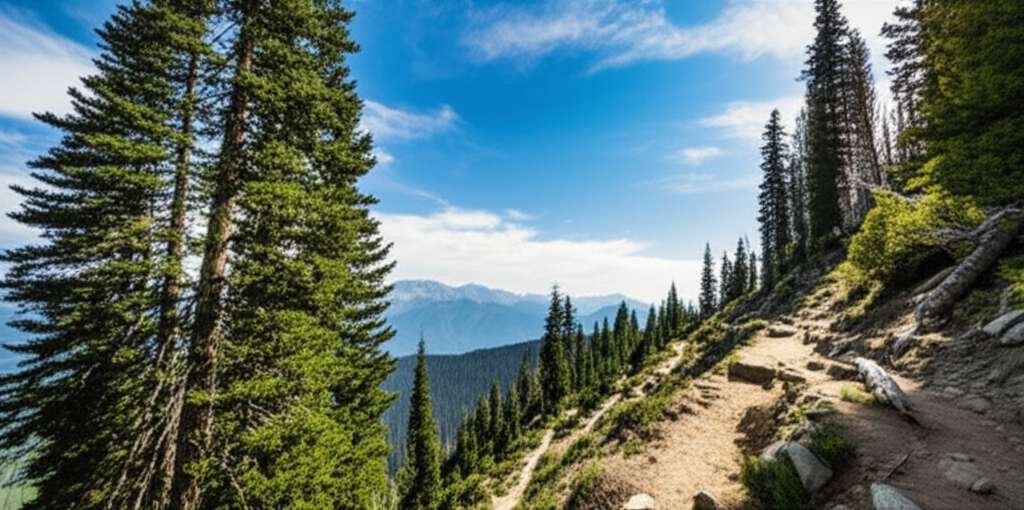
This is the largest designated wilderness area in the contiguous United States, and it’s part of the Salmon-Challis National Forest. It’s named after the late Senator Frank Church and is primarily accessible by foot, horse, or float trip. While the heart of the wilderness is for experienced adventurers, its edges offer spectacular views and easier access points.
For beginners, experiencing the splendor of this wilderness doesn’t mean a deep trek into the backcountry. You can enjoy its grandeur from overlooks, short trails near access points, or by learning about its history and significance. The sheer scale and untamed nature are impressive from any vantage point.
Ways to Experience the Frank Church Wilderness (Beginner-Friendly)
- Scenic Overlooks: Drive along roads that skirt the wilderness for impressive views.
- Short Trails: Many trailheads leading into the larger wilderness offer short introductory loops or viewpoints.
- Visitor Centers: Learn about the wilderness’s ecology, history, and geology at local ranger stations.
- Salmon River Float Trip (Guided): While challenging to plan independently, guided float trips can offer access to stunning canyon scenery in a controlled environment.
Navigating the Frank Church Area
This area requires significant preparation due to its vastness and remoteness. For beginners, consider visiting ranger districts that manage portions of the wilderness, like those in the Salmon or Challis National Forests, to get advice on safe, accessible exploration experiences.
More information is available through the wilderness program page which covers areas like the Frank Church.
5. Nez Perce-Clearwater National Forests: Rich History and Diverse Landscapes
These two forests, now managed as one, offer a remarkable diversity of landscapes and a rich cultural history. From the rolling Palouse hills in the north to the rugged peaks of the Rockies in the south, this forest area provides varied experiences. It’s a great place to combine natural beauty with learning about the history of the Nez Perce people and the Lewis and Clark Expedition.
Beginners will appreciate the mix of accessible trails, historical sites, and opportunities for both gentle walks and more adventurous outings. The Clearwater River corridor offers particularly scenic and accessible routes.
Discoveries in Nez Perce-Clearwater National Forests
- Historical Trails: Walk sections of the Nez Perce National Historical Park trails or learn about the Lewis and Clark expedition at interpretive sites.
- Waterfalls: Explore trails leading to beautiful waterfalls, like those in the northern parts of the forest.
- Scenic Drives: The Lolo Motorway and other scenic routes offer stunning views and access to various trailheads.
- Camping: Find campgrounds along rivers and lakes, perfect for a relaxing outdoor experience.
Your Nez Perce-Clearwater Trip
Check for seasonal closures, especially on higher elevation roads. Many historical points of interest are well-marked and offer interpretive information, making them ideal for beginner explorers interested in history.
Visit the Nez Perce-Clearwater National Forests website for planning.
6. Panhandle National Forests: Northern Idaho’s Wilderness Playground
Located in the Idaho Panhandle, this forest is a vast expanse of dense forests, pristine lakes, and rugged mountains in northern Idaho. It borders Montana, Washington, and Canada, offering a unique, northern wilderness experience. It’s known for its abundant water resources and incredible biodiversity.
This forest is excellent for beginners looking for stunning lake access, gentle hiking trails, and opportunities to enjoy the tranquility of abundant forests. Many areas offer a sense of remoteness without requiring extreme effort to reach.
Panhandle Forest Highlights
- Lake Activities: Explore the shores of Lake Pend Oreille and Lake Coeur d’Alene, offering opportunities for swimming, boating, and easy lakeside walks.
- Waterfalls and Rivers: Hike to scenic waterfalls or enjoy the beauty of rivers like the St. Joe.
- Scenic Drives: Drive along the scenic routes, taking in the vastness of the evergreen forests.
- Wildlife Viewing: Keep an eye out for moose, elk, and various bird species.
Preparing for Panhandle Forests
Mosquitoes can be prevalent in certain areas during the summer, especially near water, so pack insect repellent. Trails can be muddy after rain, so waterproof footwear is recommended.
Discover more at the Idaho Panhandle National Forests site.
Comparing Idaho’s National Forests for Beginners
Each of Idaho’s national forests offers unique charms. For absolute beginners seeking the most convenience and variety, the Boise National Forest, with its proximity to the city and well-developed recreation sites, is a top choice. If you’re drawn to dramatic alpine scenery and don’t mind a bit more travel, the Sawtooth National Forest offers unparalleled beauty with accessible options.
For those interested in history alongside nature, the Nez Perce-Clearwater National Forests provide a rich cultural dimension. The Challis and Frank Church areas offer a wilder experience, which can be enjoyed from accessible edges even by wilderness novices. The Panhandle Forests are perfect if you love lakes and lush, northern woodlands.
| National Forest | Best For Beginners Seeking… | Key Beginner Activities | A Note on Accessibility |
|---|---|---|---|
| Sawtooth | Iconic alpine beauty & stunning lakes. | Easy hikes around lakes, scenic drives, stargazing. | Popular areas like Redfish Lake are accessible; requires more planning for remote access. |
| Boise | Quick escapes & diverse landscapes near a city. | Day hikes, picnics, fishing, short scenic drives. | Very accessible from Boise, well-maintained trails. |
| Challis | Wild, remote feel with accessible river access. | Short trails near Salmon River, scenic drives. | Can be remote; stick to main roads and developed sites. |
| Frank Church (Wilderness Area) | Experiencing vast, untamed nature (from the edges). | Overlooks, short introductory trails, visitor centers. | Entry requires significant planning; beginners should stick to designated access points. |
| Nez Perce-Clearwater | History, diverse terrain, and river access. | Historical walks, waterfall hikes, riverside camping. | Good mix of accessible and more remote options; historical sites are easy to visit. |
| Panhandle | Lakes, lush forests, and northern charm. | Lakeside walks, easy forest hikes, scenic drives. | Excellent lake access and well-developed campgrounds. |
Essential Tips for First-Time Explorers
No matter which forest you choose, a little preparation goes a long way to ensure a fantastic trip. These tips are designed to keep your adventure smooth and enjoyable.
Before You Go:
- Check Conditions: Always visit the official U.S. Forest Service website for the specific forest you plan to visit. Look for alerts about trail closures, fire restrictions, or weather changes.
- Download Maps: Cell service is unreliable in many forest areas. Download offline trail maps and general area maps using apps like AllTrails, Gaia GPS, or Google Maps.
- Pack Smart: Essentials include plenty of water, snacks, a first-aid kit, sunscreen, insect repellent, and appropriate clothing layers (weather can change quickly in the mountains).
- Reservations: For popular campgrounds, especially in Sawtooth or Boise National Forests during peak season, make reservations well in advance.
While You’re There:
- Leave No Trace: Pack out everything you pack in, stay on marked trails, respect wildfire rules, and leave nature as you found it.
- Wildlife Safety: Keep a safe distance from all wildlife, and store food properly to avoid attracting animals.
- Tell Someone Your Plans: Let a friend or family member know your itinerary, including where you are going and when you expect to be back.
- Know Your Limits: Choose trails that match your fitness level and experience. It’s better to have a shorter, enjoyable hike than an overly ambitious, difficult one.
Best Time to Visit:
The most popular season for visiting Idaho’s national forests is typically from late spring through early fall (June to October). Summer offers the warmest weather and full access to trails, but can be crowded. Fall brings beautiful foliage and fewer crowds but shorter daylight hours and cooler temperatures. Spring can be unpredictable, with snow lingering at higher elevations.
Frequently Asked Questions About Idaho National Forests
What is the easiest national forest in Idaho to visit for the first time?
The Boise National Forest is generally the easiest for first-time visitors due to its proximity to Boise, well-maintained trails, and numerous developed recreation sites like picnic areas and campgrounds.
Do I need a permit to hike in Idaho’s national forests?
Generally, you do not need a permit for day hiking in most national forests. However, overnight camping may require permits or fees, and some specific highly-used areas or trails might have special regulations. Always check the specific forest’s website.
Are there any fees to enter Idaho’s national forests?
Most national forests do not charge an entrance fee. However, there are often fees for specific developed recreation sites like campgrounds, day-use picnic areas, and boat launches. These fees are usually paid per vehicle.
What should I pack for a beginner day hike in Idaho?
For a beginner day hike, pack essentials like water, snacks, a small first-aid kit, sunscreen, insect repellent, a map (downloaded offline), and wear comfortable, sturdy hiking shoes. A light jacket is also a good idea as weather can change.
Is it safe to camp in Idaho’s national forests?
Yes, camping in Idaho’s national forests is generally safe, provided you follow standard safety precautions. This includes properly storing food to avoid attracting wildlife, being aware of your surroundings, informing someone of your plans, and checking for any current alerts or advisories.
What kind of wildlife can I expect to see?
Idaho’s national forests are home to diverse wildlife. You might see deer, elk, bighorn sheep, black bears, coyotes, and a variety of birds and smaller mammals. Always maintain a safe distance and never feed wildlife.