
Discover Louisiana’s rich past! Explore 10 incredible historic sites, from antebellum mansions to Civil War battlegrounds, uncovering amazing secrets and stories that bring the state’s vibrant history to life for every traveler.
Louisiana is a treasure chest waiting to be opened, filled with stories from centuries past. But where do you even begin to explore such a deep and diverse history? It can feel overwhelming to pick just a few spots from so many amazing places.
Check the latest prices and available rooms before they sell out.
Don’t worry! Planning your Louisiana historical adventure is easier than you think. We’ll guide you through ten must-visit sites, each with its own unique charm and secrets to reveal.
Get ready to step back in time and create unforgettable memories. Let’s uncover the magic of Louisiana’s history together!
Uncover Amazing Secrets: 10 Historic Sites in Louisiana
Louisiana’s history is a captivating blend of French, Spanish, African, and American influences, creating a cultural tapestry unlike any other. From the majestic plantations along the Mississippi River to the storied streets of New Orleans, the state offers a journey through time for curious explorers. These historic sites are not just buildings; they are living testaments to the events, people, and cultures that shaped this unique corner of America.
Planning a trip can feel like a puzzle, but we’ve done the research for you. We’ve selected ten incredible historic sites that offer a fantastic introduction to Louisiana’s rich heritage. Each location promises a unique experience, from grand architecture to poignant stories of resilience and change.
1. Oak Alley Plantation: A Vision of Antebellum Grandeur
Nestled on the banks of the Mississippi River, Oak Alley Plantation is arguably one of Louisiana’s most iconic and picturesque historic sites. Its breathtaking avenue of 28 giant live oak trees, planted over 300 years ago, leads to a stunning Greek Revival mansion. Walking under these majestic oaks feels like stepping onto a movie set, but behind the beauty lies a complex history.
Find the Best Accommodation Deals
Compare prices from multiple booking platforms and find the best option for your stay.
Compare Hotel PricesThe plantation offers guided tours that delve into the lives of the people who lived and worked here. You’ll learn about the wealthy families who owned the estate and, importantly, the enslaved individuals whose labor built and sustained its grandeur. Understanding both aspects provides a more complete picture of plantation life.
- What to See: The iconic oak alley, the grand manor house, restored outbuildings.
- Secrets to Uncover: Stories of the enslaved people, the architectural evolution of the house, and the daily life on a sugar plantation.
- Insider Tip: Visit during the spring for blooming flowers, or consider a nighttime tour for a different perspective.
2. The French Quarter, New Orleans: A Living Museum
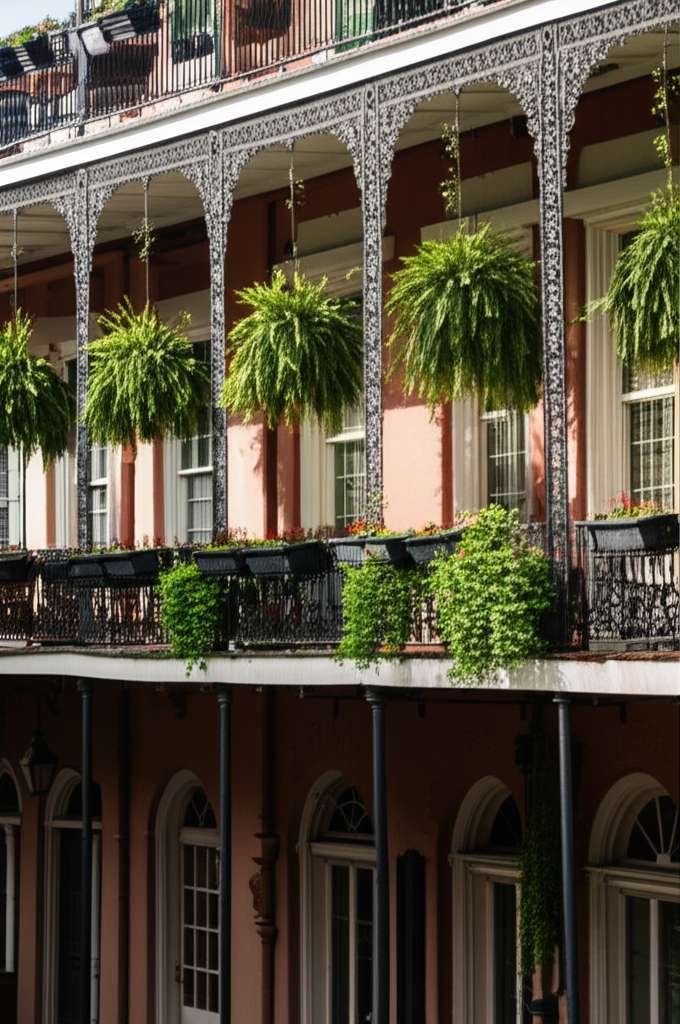
The French Quarter, or Vieux Carré, is the heart of historic New Orleans and a National Historic Landmark District. This vibrant neighborhood is a sensory delight, with its colorful Creole townhouses, wrought-iron balconies, bustling courtyards, and the intoxicating sounds of jazz music drifting through the air. It’s a place where history is not just preserved but lived.
Find the Best Accommodation Deals
Compare prices from multiple booking platforms and discover the best stay options available.
⭐ Trusted by thousands of travelers
💰 Budget to luxury options available
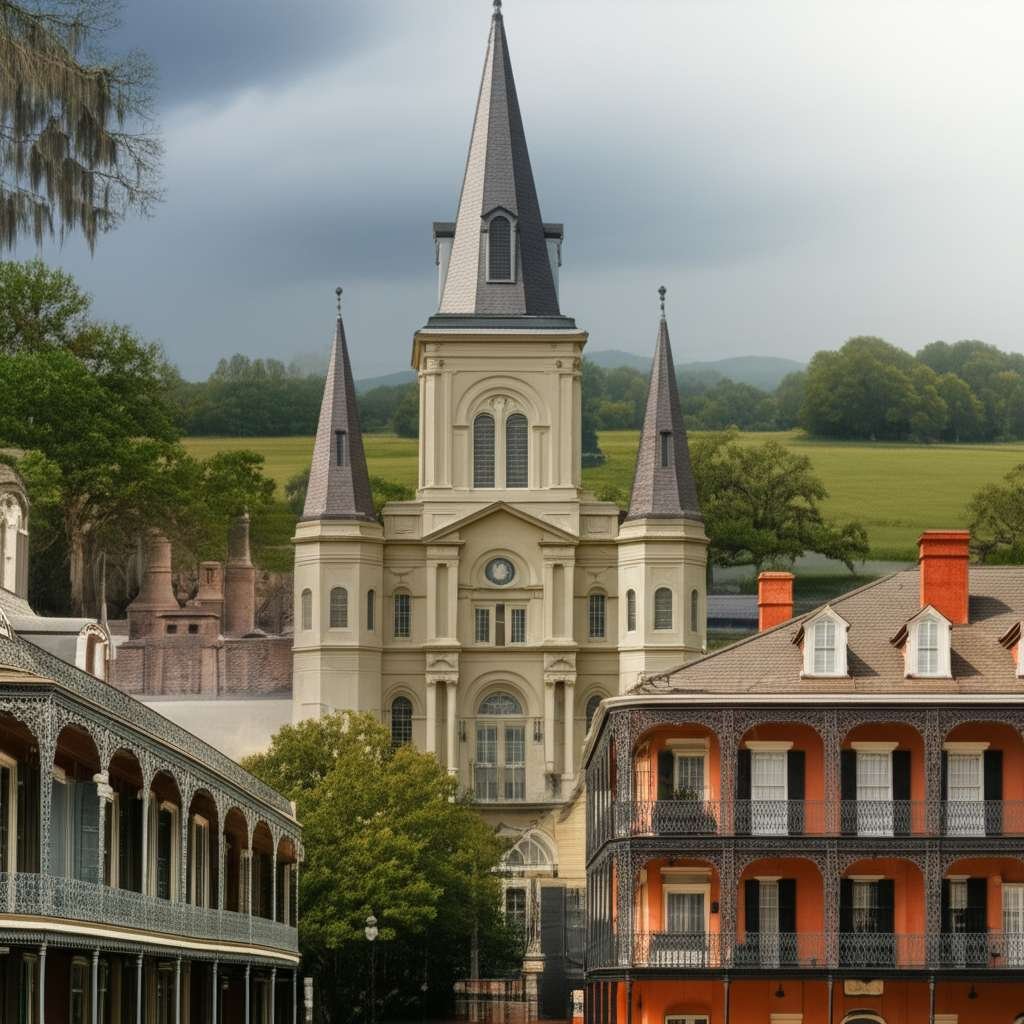
Wandering through its streets, you’ll encounter architecture reflecting French, Spanish, and Caribbean influences. From the grandeur of Jackson Square to the mysteries of St. Louis Cathedral and the lively atmosphere of Bourbon Street, every corner tells a story. Don’t miss exploring the smaller streets and hidden courtyards for a more intimate glimpse into the past.
- Must-Visit Spots: Jackson Square, St. Louis Cathedral, Preservation Hall, historic houses like the Hermann-Grima House and the Beauregard-Keyes Historic House.
- Secrets to Uncover: The city’s founding, the impact of various cultural groups, ghost stories, and the evolution of Creole cuisine.
- Budget Tip: Many of the most enjoyable historical experiences in the French Quarter, like simply walking and soaking in the atmosphere, are free!
3. Laura Plantation: A Glimpse into Creole Life
Laura Plantation offers a unique perspective on Louisiana’s past, focusing on the Creole culture that flourished along the Atchafalaya Basin. This historic sugar plantation, named after the daughter of its original owner, is one of the oldest in the region and has been meticulously preserved. Its distinctive “big house” is a beautiful example of French Colonial architecture.
The tours here are particularly insightful, emphasizing the lives of the Dubois family, who were free people of color, and the enslaved individuals who worked the fields. The plantation’s oral histories and extensive research provide a nuanced understanding of the complex social structures and daily realities of plantation life.
Best Stay Deals Available
Compare prices across top booking platforms and find the best deal for your stay.
Check Available Rooms- Key Features: The main house with its vibrant colors, the slave cabins, and the extensive gardens.
- Historical Insights: The distinct Creole culture, the experiences of free people of color, and the brutal realities of slavery.
- Planning Ahead: Check their schedule for special events or cooking demonstrations that offer deeper cultural immersion.
4. Mansfield State Historic Site: Echoes of the Civil War
For those interested in military history, Mansfield State Historic Site is a poignant destination. This location marks the site of the Battle of Mansfield, a crucial Confederate victory during the Red River Campaign of the Civil War in 1864. The battle significantly impacted the outcome of the campaign and the war in the Western Theater.
The site features a museum that details the events leading up to, during, and after the battle. You can walk the grounds where soldiers fought and imagine the intensity of the conflict. Informative exhibits and interpretive trails help bring the history of this significant battle to life, offering a somber yet essential look at a pivotal moment in American history.
- What to Expect: A visitor center with exhibits, a reconstructed battlefield, and interpretive signage.
- Historical Significance: The pivotal Battle of Mansfield and its impact on the Civil War.
- For Students: This site is excellent for understanding the strategic importance of battles and the human cost of war.
5. St. Francisville and The Myrtles Plantation: Mysteries and Mansions
St. Francisville, a charming historic town, is home to several stunning antebellum homes, but The Myrtles Plantation often steals the spotlight, famed for its beauty and alleged hauntings. This beautiful estate, with its distinctive raised veranda and moss-draped oaks, is considered by many to be one of America’s most haunted homes.
Beyond the ghost stories, The Myrtles Plantation offers guided tours that explore its history, architecture, and the lives of the families and enslaved people who resided there. The town of St. Francisville itself is a delightful place to explore, with its historic architecture and serene atmosphere, offering a peaceful contrast to the more bustling tourist spots.
- Attractions: The main house tour, exploring the grounds, and the unique gift shop.
- Local Lore: The legendary ghost stories and the historical accounts of the families who lived there.
- Explore Further: Drive through the scenic countryside and visit other historic homes in the area like Rosedown Plantation.
6. Fort Pulaski National Monument: A Coastal Defense Story
Located on Cockspur Island near Savannah, Georgia (though often visited by those traveling through Louisiana’s nearby coastal regions or as part of a broader Southern history tour), Fort Pulaski National Monument is a remarkable example of 19th-century coastal fortification. This impressive masonry fort played a significant role during the Civil War.
The fort’s history is a fascinating tale of innovation and warfare. It was considered virtually impenetrable until the Union army employed new rifled cannons, demonstrating how technological advancements could render old defenses obsolete. Exploring the fort’s ramparts, casemates, and grounds offers a tangible connection to military engineering and battlefield history.
- Highlights: The massive brick structure, cannon demonstrations, and scenic island setting.
- Historical Lesson: The evolution of siege warfare and the impact of new weaponry.
- Visitor Info: Check the National Park Service website for current hours, fees, and ranger program schedules.
7. Old State Capitol, Baton Rouge: A Seat of Power and Intrigue
The Old Louisiana State Capitol in Baton Rouge stands as a magnificent Gothic Revival structure overlooking the Mississippi River. This building served as the state’s capitol from the mid-19th century until 1932 and has witnessed pivotal moments in Louisiana’s history, including the Civil War and Reconstruction. It’s now a museum dedicated to political history.
Inside, you’ll find stunning architecture, including a breathtaking stained-glass dome. The museum offers exhibits on Louisiana’s governors, legislative history, and political scandals, providing a unique insight into the state’s dynamic past. It’s a place where political battles and architectural beauty intertwine.
- Architectural Marvel: The stunning stained-glass dome and the Gothic Revival exterior.
- Museum Experience: Exhibits on Louisiana’s political history, governors, and key legislative moments.
- Unique Aspect: Rumors of hauntings add a layer of intrigue to its already rich history.
8. Natchitoches National Historic Landmark District: Louisiana’s Oldest Settlement
Step back in time in Natchitoches, the oldest permanent settlement in the Louisiana Purchase territory, founded by the French in 1714. This charming city boasts a beautifully preserved historic district along Cane River Lake, filled with unique shops, art galleries, and restaurants housed in historic buildings. It offers a tranquil and authentic glimpse into early Louisiana life.
The Cane River Creole National Historical Park preserves plantations and historic structures in the area, showcasing the unique Creole culture. Walking Front Street, you’ll feel the centuries of history beneath your feet, imagining the bustling trade and cultural exchanges that once defined this riverfront town.
- Key Features: Front Street, Cane River Lake, historic Creole architecture.
- Cultural Heritage: The blend of French, Spanish, and African influences that shaped the region.
- Don’t Miss: The Kaffie-Frederick General Store, one of the oldest general stores in Louisiana, for a taste of old-time commerce.
9. The Whitney Plantation: A Powerful Look at Slavery
The Whitney Plantation offers a profound and essential experience, dedicated to understanding the lives of enslaved people on Louisiana sugar plantations. It is the only plantation museum in Louisiana focusing exclusively on slavery, providing a vital counter-narrative to the romanticized views often associated with antebellum estates.
Through powerful exhibits, reconstructed slave cabins, and poignant slave quarters, Whitney Plantation confronts the brutal realities of slavery. The plantation’s narrative is told from the perspective of the enslaved, offering a deeply moving and educational journey that is crucial for understanding the full scope of American history. It’s a site that encourages reflection and remembrance.
- Focus: The true stories and experiences of enslaved people.
- Impactful Exhibits: The memorial to enslaved children, the “Field of Crosses,” and the detailed accounts of daily life.
- Emotional Journey: Be prepared for a deeply moving and thought-provoking visit.
10. Breaux Bridge: A Gateway to Cajun Culture and History
While not a single site, the town of Breaux Bridge serves as a vibrant gateway to the heart of Cajun Country and its rich history. Known as the “Crawfish Capital of Louisiana,” this area is steeped in the traditions, music, and cuisine of the Acadians who settled here after being exiled from Canada.
Exploring Breaux Bridge and the surrounding Atchafalaya Basin allows you to connect with the living history of Cajun culture. Visit local restaurants for authentic gumbo and boudin, listen to lively Zydeco music, and explore the unique landscape. Historic churches and local museums offer glimpses into the resilient spirit of the Cajun people.
- Experience: Authentic Cajun food, Zydeco music, and the unique bayou landscape.
- Cultural Immersion: Connect with the descendants of the Acadians and learn about their traditions.
- Nearby Exploration: Consider a swamp tour to experience the natural beauty of the Atchafalaya Basin.
Planning Your Louisiana Historic Adventure
Exploring Louisiana’s historic sites is an incredibly rewarding experience. To make your trip smooth and enjoyable, here are a few tips:
- Book Ahead: For popular plantations and tours, especially during peak season, booking tickets in advance is highly recommended.
- Comfortable Shoes: You’ll be doing a lot of walking on uneven terrain and cobblestone streets.
- Stay Hydrated: Louisiana can be hot and humid, so carry water, especially when visiting outdoor sites.
- Check Hours: Historic sites often have specific operating hours and may close on certain holidays or days of the week.
- Embrace the Local Pace: Louisiana has a unique rhythm. Allow yourself time to savor the experiences and enjoy the local culture.
Louisiana Historic Sites: A Comparison
To help you choose, here’s a quick look at some key features of the sites we’ve discussed:
| Historic Site | Primary Focus | Key Experience | Best For |
|---|---|---|---|
| Oak Alley Plantation | Antebellum Grandeur, Slavery | Iconic Oak Avenue, Mansion Tour | Photography, Architecture Lovers |
| French Quarter, New Orleans | Colonial History, Creole Culture, Music | Walking Tours, Jackson Square, Live Music | Culture Vultures, First-time Visitors |
| Laura Plantation | Creole Life, Slavery | Creole Architecture, Oral Histories | Cultural Deep Dives, Families |
| Mansfield State Historic Site | Civil War Battle | Battlefield Exploration, Museum | History Buffs, Students |
| The Myrtles Plantation | Antebellum Life, Folklore | Historic House Tour, Grounds | Those interested in history and ghost stories |
| Fort Pulaski National Monument | Coastal Fortifications, Civil War | Exploring the Fort, History of Warfare | Military History Enthusiasts |
| Old State Capitol, Baton Rouge | Political History, Architecture | Museum Exhibits, Stained-Glass Dome | Political History Fans |
| Natchitoches Historic District | Early Colonial Settlement, Creole Culture | Historic Streetscape, Cane River | Relaxed Exploration, History Enthusiasts |
| The Whitney Plantation | Slavery, Enslaved Experience | Powerful Exhibits, Slave Quarters | Those seeking a profound historical understanding |
| Breaux Bridge (Cajun Country) | Cajun Culture, Music, Food | Local Cuisine, Zydeco Music, Bayou Scenery | Foodies, Music Lovers, Cultural Explorers |
Frequently Asked Questions About Louisiana’s Historic Sites
Q1: What is the best time of year to visit historic sites in Louisiana?
The spring (March-May) and fall (September-November) offer the most pleasant weather for exploring, with milder temperatures and lower humidity. However, each season offers a unique charm; winter can be cooler and less crowded, while summer brings lush greenery and vibrant festivals.
Q2: Are these historic sites suitable for families with children?
Many sites, like Oak Alley Plantation and the French Quarter, offer engaging experiences for families. Sites like The Whitney Plantation provide important lessons but may be emotionally intense for very young children. Always check individual site recommendations for age appropriateness.
Q3: How much does it typically cost to visit these sites?
Admission fees vary greatly. Plantation tours often range from $20-$30 per adult. National Parks like Fort Pulaski may have entrance fees or passes. Exploring areas like the French Quarter or Natchitoches Historic District can be free, with costs incurred for specific tours or attractions. Budgeting $50-$100 per person per day for entrance fees and activities is a good starting point.
Q4: What is the difference between a plantation tour and a historical district tour?
Plantation tours focus on the history of a specific estate, often highlighting the architecture, agricultural practices, and the lives of both the owners and the enslaved people. Historical district tours, like in the French Quarter or Natchitoches, offer a broader overview of a city’s development, architecture, and cultural influences across multiple buildings and streets.
Q5: How do I get around to visit multiple historic sites?
Renting a car is often the most convenient way to visit sites, especially plantations located outside major cities. For New Orleans, using ride-sharing services, streetcars, or walking is ideal within the French Quarter. Some tour companies offer multi-day packages that include transportation.
Q6: What kind of secrets can I expect to uncover at these sites?
You can uncover secrets about the daily lives of people from different social strata, architectural innovations, forgotten historical events, fascinating ghost stories, the evolution of cuisine, and the complex social dynamics that shaped Louisiana. Each site holds layers of history waiting to be discovered.
Q7: Are there any budget-friendly ways to experience Louisiana’s history?
Absolutely! Walking tours in historic districts are often free or low-cost. Many state historic sites have lower admission fees than private plantations. Visiting local parks with historical significance, exploring public squares, and enjoying the atmosphere of historic towns can also be very budget-friendly. Look for free museum days or student discounts where available.
Conclusion: Your Journey Through Louisiana’s Storied Past Awaits
Louisiana’s historic sites offer an unparalleled journey through a past that is as rich and diverse as the state itself. From the majestic avenues of Oak Alley to the poignant stories of The Whitney Plantation, and the vibrant pulse of the French Quarter, each location provides a unique window into the events and people that have shaped this captivating region.
You’ve seen that exploring these ten incredible sites is not just about sightseeing; it’s about connecting with history on a deeper level, understanding complex narratives, and appreciating the cultural tapestry that makes Louisiana so special. Whether you’re a seasoned traveler or embarking on your first major USA trip, these destinations are accessible, enlightening, and sure to leave you with lasting memories.
So pack your bags, bring your curiosity, and get ready to uncover the amazing secrets held within Louisiana’s historic treasures. Your adventure into the heart of American history is just beginning!