
Hiking boots are often the ideal footwear for uneven trails. They provide essential support, traction, and stability needed on rough terrains. This guide explains how to choose, wear, and maintain hiking boots to ensure a safe and enjoyable outdoor experience.
Are Hiking Boots Good for Uneven Trails
If you love exploring rugged, uneven trails, you might wonder if hiking boots are your best footwear option. The good news is, hiking boots are generally excellent for uneven terrains. They’re designed to handle the challenges of rough ground, providing support, traction, and protection. This comprehensive guide will walk you through everything you need to know about using hiking boots on uneven trails, from choosing the right pair to maintaining them for long-term use.
Check the latest prices and available rooms before they sell out.
Key Takeaways
- Support and Stability: Hiking boots are designed to offer ankle support and stability on uneven terrain, reducing the risk of sprains.
- Traction Matters: The outsole pattern and material of hiking boots provide better grip on rocky, muddy, or slippery surfaces.
- Proper Fit is Crucial: Well-fitting hiking boots prevent blisters and discomfort during long hikes on uneven trails.
- Material Choices: Waterproof and breathable materials keep your feet dry and comfortable on challenging terrains.
- Maintenance: Regular cleaning and conditioning extend the lifespan of hiking boots and maintain their performance.
- Alternative Options: For very technical or specialized trails, consider trail running shoes or mountaineering boots as alternatives.
Quick Answers to Common Questions
Tip 1: How tight should hiking boots be?
They should fit snugly without pinching. Your toes should have enough space to wiggle, and the heel shouldn’t slip when walking.
Tip 2: Can I wear trail running shoes on uneven trails?
Trail running shoes are lighter and more flexible but may lack the ankle support and durability of hiking boots for very rugged terrain.
Tip 3: How often should I replace my hiking boots?
If the tread is worn out, sole separation occurs, or the boots no longer support your ankles, it’s time for new ones—typically every 500-800 miles.
Tip 4: Are waterproof hiking boots necessary?
Yes, if you often hike in wet conditions or muddy trails. Waterproof boots keep your feet dry and prevent blisters.
Tip 5: What is the best way to dry wet hiking boots?
Air dry in a well-ventilated area away from direct heat. Stuffing them with newspaper can help absorb moisture faster.
Understanding Why Hiking Boots Are Suitable for Uneven Trails
Uneven trails can be unpredictable—rocky paths, muddy sections, steep inclines, and loose gravel. Hiking boots are specifically built to address these challenges. They feature sturdy soles with deep lugs for grip, ankle support to prevent injuries, and durable materials that protect your feet from rough surfaces. Whether you’re trekking through mountain trails or uneven forest paths, hiking boots can significantly improve your safety and comfort.
Step 1: Choose the Right Hiking Boots for Uneven Trails
Identify Your Trail Type and Conditions
Before buying, consider the terrain you’ll encounter. Will you face rocky mountain paths, muddy trails, or loose gravel? Different terrains require different features in hiking boots. For example, rocky trails benefit from boots with reinforced toe caps and aggressive tread patterns, while muddy trails need waterproofing and slip-resistant soles.
Find the Best Accommodation Deals
Compare prices from multiple booking platforms and find the best option for your stay.
Compare Hotel Prices
Visual guide about Are Hiking Boots Good for Uneven Trails
Find the Best Accommodation Deals
Compare prices from multiple booking platforms and discover the best stay options available.
⭐ Trusted by thousands of travelers
💰 Budget to luxury options available
Image source: fitseer.com
Look for Proper Support and Fit
A good pair of hiking boots should fit snugly without pinching. Ensure there’s enough room in the toe box for wiggle room but not so loose that your foot slides inside. Proper support around the ankles helps prevent sprains on uneven surfaces. Try on boots at the end of the day when your feet are slightly swollen to get the best fit.
Check Out the Sole and Traction
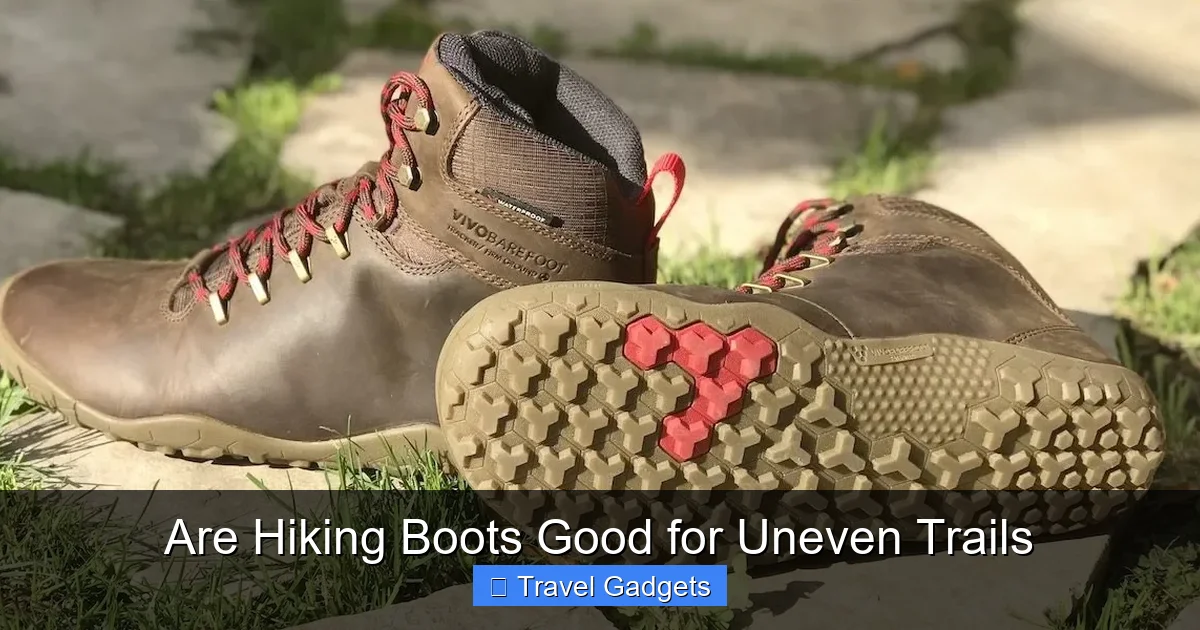
The outsole should have deep, multidirectional lugs for grip. Vibram soles are popular for their durability and traction. A stiff sole provides stability over rocky terrain, but it shouldn’t be so rigid that it hampers flexibility. Test the sole by pressing it on different surfaces and looking for good grip.
Best Stay Deals Available
Compare prices across top booking platforms and find the best deal for your stay.
Check Available RoomsMaterial Matters
Choose waterproof materials like Gore-Tex if you’ll encounter wet or muddy sections. Breathable fabrics prevent excessive sweating, reducing the risk of blisters. Leather offers durability and support, while synthetic materials are lighter and quicker-drying.
Step 2: Break In Your Hiking Boots
Wear Them Around the House
Before hitting the trail, wear your new boots around your home or during short walks. This helps mold the boots to your feet and prevents blisters during long hikes.
Visual guide about Are Hiking Boots Good for Uneven Trails
Image source: i0.wp.com
Gradually Increase Hiking Distance
Start with short, easy hikes. Gradually increase the distance and difficulty. This allows your boots to soften and your feet to adapt to the footwear.
Use Proper Socks
Invest in moisture-wicking hiking socks. They provide extra cushioning and reduce friction, which is vital on uneven trails.
Step 3: Use and Maintain Your Hiking Boots Effectively
Wearing the Right Gear
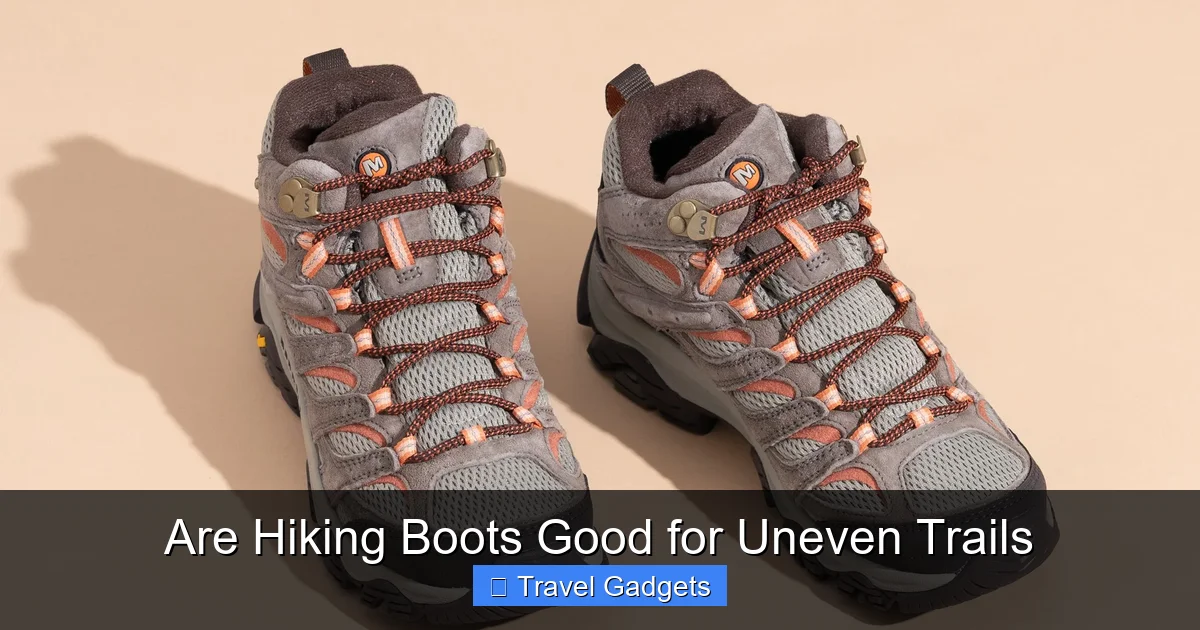
Always lace your boots tightly, especially around the ankles, to prevent slipping. Use gaiters if your trail has lots of mud or snow.
Visual guide about Are Hiking Boots Good for Uneven Trails
Image source: cdn.thewirecutter.com
Trail Tips for Uneven Terrain
- Watch Your Step: Look ahead and choose stable footing.
- Use Trekking Poles: They provide extra stability and reduce strain on your ankles.
- Take Your Time: Rushing increases the chance of slips and falls.
Cleaning and Maintenance
- Clean After Each Hike: Remove mud and dirt with a soft brush and water.
- Dry Properly: Air-dry your boots away from direct heat to prevent cracking.
- Condition Leather: Use leather conditioner to keep it supple and waterproof.
- Store Correctly: Keep boots in a cool, dry place. Use boot trees to maintain shape.
Troubleshooting Common Issues
- Blisters or Hot Spots: Ensure proper fit and wear moisture-wicking socks. Use blister prevention tape if needed.
- Slipping on Slippery Surfaces: Check the tread for wear. Consider adding grip pads or replacing worn-out soles.
- Heel Slippage: Try different lacing techniques or insoles for a better fit.
- Wet Feet: Use waterproof boots and waterproofing sprays. Allow boots to dry thoroughly after exposure to water.
Conclusion: Are Hiking Boots Good for Uneven Trails?
Absolutely. Hiking boots are designed to handle the demands of uneven trails. They provide essential support, grip, and protection, making your hikes safer and more comfortable. With the right pair, proper fit, and maintenance, your hiking boots can be your best companions on even the most challenging terrains. Remember to choose wisely, break them in properly, and follow good trail practices to maximize their benefits. Happy hiking!