
The best months to visit Texas are typically March through May (spring) and September through October (fall). These periods offer pleasant temperatures, fewer crowds, and a vibrant atmosphere perfect for exploring everything the Lone Star State has to offer, from its bustling cities to its wide-open spaces.
Planning a trip to Texas can feel like a big adventure, and figuring out the perfect time to go is a common question for first-time visitors. With its vast size and diverse climate, Texas can offer a unique experience depending on when you arrive.
Check the latest prices and available rooms before they sell out.
Check AvailabilityDon’t let the endless possibilities overwhelm you! We’re here to break down the best times to visit Texas, making your trip planning simple and exciting. Get ready to discover when Texas shines brightest for your unforgettable adventure.
Understanding Texas Weather: A Big State, Big Differences
Texas is enormous, spanning over 268,000 square miles. This means the weather can vary quite a bit from the Panhandle in the north to the Gulf Coast in the south, and from the arid West Texas to the humid East Texas. Because of this, there isn’t a single “perfect” month that suits every single part of the state for every single traveler.
But, there are definitely sweet spots that offer the most enjoyable conditions for most people.
The Sweet Spot: Spring and Fall
Most travel experts and Texans themselves agree that the shoulder seasons – spring and fall – are the prime times to visit. Let’s dive into why.
Spring in Texas (March – May)
Spring is often considered the absolute best time to visit Texas. The state comes alive with color, and the weather is generally delightful across most regions.
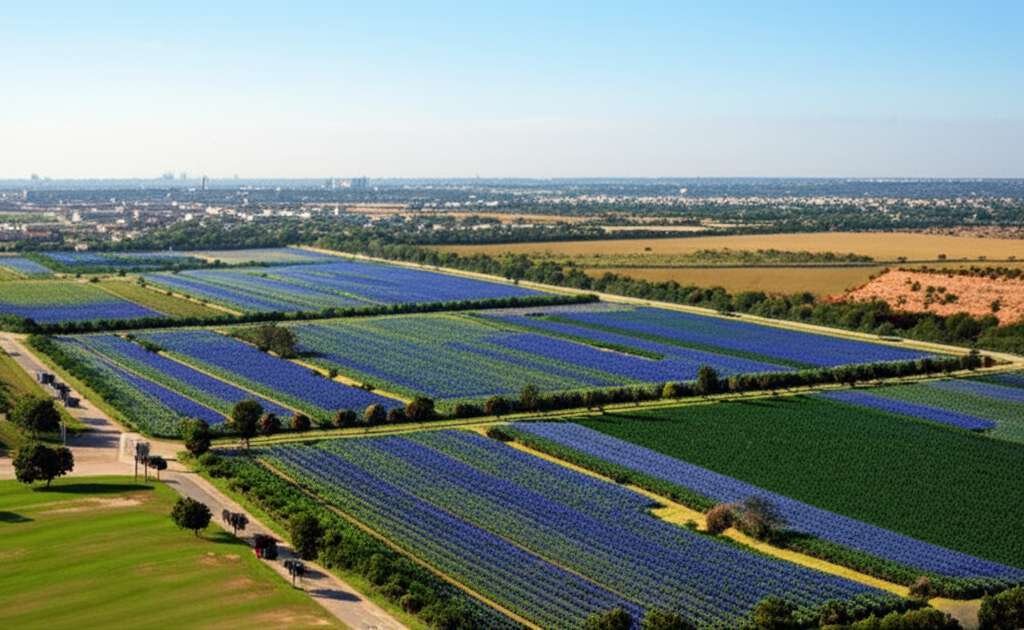
- Blooming Wildflowers: From late February through April, Texas is famous for its vibrant wildflower displays, especially the iconic bluebonnets. Areas like the Texas Hill Country transform into a breathtaking sea of color, making for incredible scenic drives and photo opportunities.
- Pleasant Temperatures: Spring brings mild temperatures that are perfect for outdoor activities. You can explore cities like Austin, San Antonio, and Houston without the oppressive heat of summer or the chill of winter. Average highs in March might be in the 60s and 70s, warming up into the 80s by May.
- Outdoor Adventures: This is the ideal time for hiking in Big Bend National Park, exploring the San Antonio River Walk, or enjoying outdoor festivals. The weather is usually sunny and comfortable for sightseeing.
- Fewer Crowds (Early Spring): While popular spots will still have visitors, early spring (March) can be less crowded than peak summer or major holiday periods. As the wildflowers bloom and spring break hits, crowds will increase, especially in popular destinations.
Pros of Visiting in Spring:
Find the Best Accommodation Deals
Compare prices from multiple booking platforms and find the best option for your stay.
Compare Hotel Prices- Beautiful wildflowers.
- Comfortable temperatures for outdoor activities.
- Lush green landscapes.
- Many festivals and outdoor events.
Cons of Visiting in Spring:
- Potential for spring storms (tornado season in some parts).
- Can get crowded, especially during wildflower season and spring break.
- Prices for flights and accommodation might be higher during peak times.
Fall in Texas (September – October)
As the scorching summer heat begins to wane, fall emerges as another fantastic time to explore Texas. The cooler, crisp air makes it a pleasure to be outdoors.
Find the Best Accommodation Deals
Compare prices from multiple booking platforms and discover the best stay options available.
⭐ Trusted by thousands of travelers
💰 Budget to luxury options available
- Comfortable Climate: September and October offer relief from the summer heat. Temperatures typically range from the 70s to the 80s, making it ideal for exploring cities, visiting historical sites, or enjoying the coast.
- Harvest Season: Many parts of Texas celebrate harvest festivals, especially in wine regions like the Hill Country. It’s a great time to enjoy local produce and culinary events.
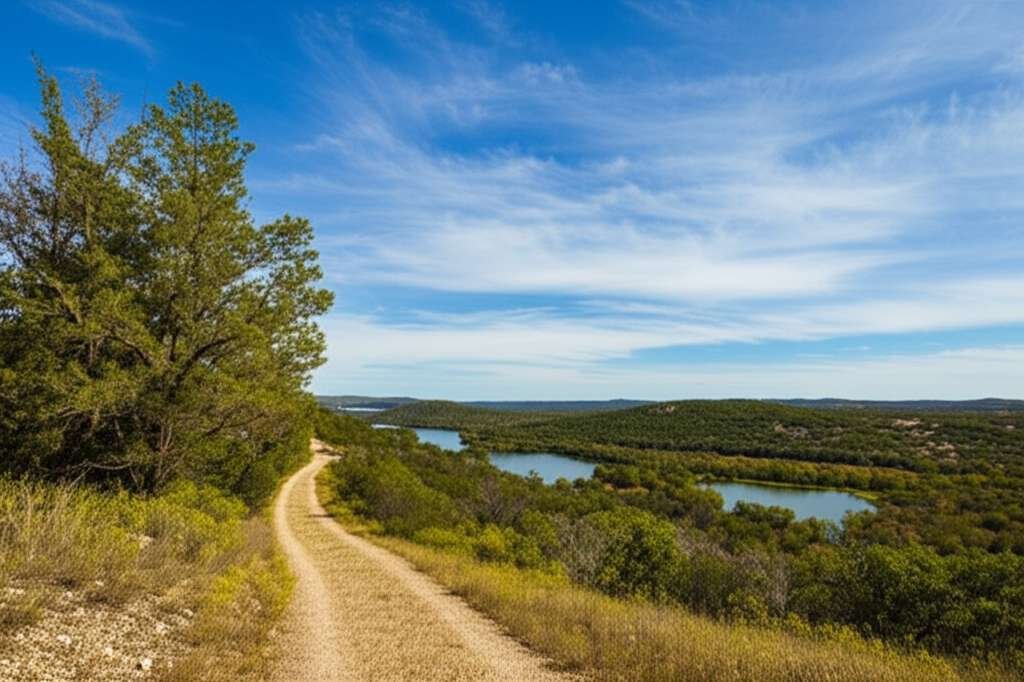
- Outdoor Recreation: This is a prime time for activities like camping, hiking, and biking. The humidity drops, and the air feels fresher.
- Less Humidity: Compared to the sticky summers, fall offers a much more pleasant humidity level across the state.
- Football Season: For many Texans, fall means football! Experiencing a high school or college football game is a quintessential Texas experience.
Pros of Visiting in Fall:
- Cooler, more comfortable temperatures.
- Lower humidity.
- Beautiful autumn foliage in some regions.
- Great for outdoor sports and activities.
Cons of Visiting in Fall:
Best Stay Deals Available
Compare prices across top booking platforms and find the best deal for your stay.
Check Available Rooms- Can still be warm in early September.
- Popular attractions can still be busy.
- Hurricane season technically extends through November on the Gulf Coast, though major threats are less common by October.
When to Avoid Texas (Or Visit with Caution)
While Texas is a year-round destination, there are certain times when the weather might make your trip less comfortable or more challenging.
Summer in Texas (June – August)
Summer in Texas is notoriously hot and humid, especially in the eastern and southern parts of the state.
- Intense Heat: Daytime temperatures regularly soar into the 90s and can easily exceed 100°F (38°C). The humidity makes it feel even hotter, which can limit outdoor activities.
- Crowds: Summer is peak vacation season, meaning popular attractions will be crowded.
- High Energy Costs: Keeping accommodations cool requires a lot of air conditioning, which can lead to higher electricity bills and potentially higher prices for lodging.
If you must visit in summer, plan your activities for early mornings and late evenings. Focus on indoor attractions, water parks, or destinations known for cooler climates like the Texas Panhandle.
Winter in Texas (November – February)
Winter in Texas is generally mild compared to many other parts of the U.S., but it’s not without its own considerations.
- Variable Temperatures: While many days are sunny and pleasant (60s°F), Texas can experience cold fronts. Temperatures can drop significantly, and sometimes snow or ice can occur, particularly in North Texas and the Panhandle.
- Shorter Daylight Hours: Like anywhere else in the Northern Hemisphere, days are shorter in winter, meaning less time for outdoor exploration.
- Less Humidity: This can be a plus for some! However, winter can be a great time for budget travelers, as prices for flights and accommodation tend to be lower. You can enjoy cities without the summer crowds, and the holiday decorations in December are often spectacular.
Best Months by Texas Region
Given the state’s size, the “best” month can also depend on where in Texas you plan to go.
North Texas (Dallas-Fort Worth, Panhandle)
- Spring (April-May): Pleasant temperatures before the summer heat. Wildflowers are less prevalent here than in Central Texas.
- Fall (September-October): Ideal temperatures for exploring cities and enjoying outdoor events. Fall colors can be nice.
- Winter (November-February): Can get cold with occasional ice and snow. Daytime highs often in the 50s.
Central Texas (Austin, San Antonio, Hill Country)
- Spring (March-April): Prime time! Mild weather and spectacular wildflower season. Very popular.
- Fall (September-October): Excellent weather, perfect for exploring cities, wineries, and outdoor activities.
- Summer (June-August): Very hot and humid. Best for indoor activities or early/late outdoor excursions.
South Texas (Houston, San Antonio, Corpus Christi, South Padre Island)
- Spring (March-May): Warm and sunny, great for beaches and outdoor exploration before the intense summer heat and humidity. March and April are particularly lovely.
- Fall (September-October): Still warm, but the oppressive humidity of summer starts to recede. Excellent for beach vacations and city exploring.
- Winter (November-February): Mildest winter in the state. Often pleasant enough for beach activities, making it a popular escape for those seeking warmer weather.
West Texas (El Paso, Big Bend National Park)
- Spring (March-May): Pleasant daytime temperatures, though evenings can still be cool. Excellent for hiking and exploring desert landscapes.
- Fall (September-October): Similar to spring, with comfortable days and cooler nights. Ideal for stargazing in Big Bend.
- Summer (June-August): Extremely hot. Daytime temperatures can easily exceed 100°F (38°C). Hiking is best done very early or late.
- Winter (November-February): Can be cold, with freezing temperatures at night, especially at higher elevations. Daytime highs can be in the 60s. Snow is possible but not common.
A Month-by-Month Snapshot
To give you a clearer picture, here’s a general overview of what to expect month by month:
| Month | Average High Temp (°F) | Average Low Temp (°F) | Humidity | Key Events/Considerations |
|---|---|---|---|---|
| January | 50s-60s | 30s-40s | Low | Mild winter, fewer crowds, potential for cold snaps. |
| February | 60s | 40s | Low-Med | Warming up, early wildflowers in South Texas. |
| March | 70s | 50s | Medium | Excellent! Wildflowers begin, pleasant temps, festivals. |
| April | 70s-80s | 50s-60s | Medium | Peak Spring! Wildflowers, great for outdoors. Crowded. |
| May | 80s-90s | 60s-70s | High | Warming up significantly, still pleasant early in the month. |
| June | 90s+ | 70s | High | Hot and humid, start of summer heat. |
| July | 90s-100s+ | 70s-80s | Very High | Hottest month, intense heat and humidity. |
| August | 90s-100s+ | 70s-80s | Very High | Continues intense heat and humidity. |
| September | 80s-90s | 60s-70s | High | Good Fall! Heat starts to break, still warm. |
| October | 70s-80s | 50s-60s | Medium | Excellent Fall! Comfortable temps, less humidity. |
| November | 60s-70s | 40s-50s | Medium | Cooler, pleasant, potential for early cold fronts. |
| December | 50s-60s | 30s-40s | Low-Med | Mild winter, holiday festivities, fewer crowds. |
Temperatures are averages and can vary greatly by region and specific year.
Planning Your Trip: Tips for Beginners
Now that you have a better idea of the best times to visit, here are some tips to make your Texas trip planning smooth and enjoyable.
1. Book in Advance
Especially if you’re aiming for the popular spring months (March-April) or fall (September-October), it’s wise to book flights and accommodations several months ahead of time. This is especially true if you’re traveling during major holidays or festivals.
2. Consider Your Interests
- Nature Lovers: Spring for wildflowers, fall for hiking in cooler weather. Big Bend National Park is stunning in both seasons.
- City Explorers: Spring and fall offer the most comfortable weather for exploring Austin’s music scene, San Antonio’s historic missions, Dallas’s arts district, or Houston’s museums.
- Beach Goers: Spring and fall are generally best for coastal visits. South Padre Island is pleasant well into the fall and mild in winter.
- Budget Travelers: Consider the off-peak seasons like winter (excluding holidays) or early summer (June) before the most intense heat and crowds arrive.
3. Pack Appropriately
Even in milder months, Texas weather can be unpredictable. Layers are your best friend!
- Spring/Fall: Light jackets, sweaters, t-shirts, comfortable walking shoes, and rain gear are recommended. Don’t forget sunscreen!
- Summer: Lightweight, breathable clothing, hats, sunglasses, and plenty of sunscreen. Stay hydrated!
- Winter: A warm coat, sweaters, long pants, and possibly gloves and a hat, especially for North Texas.
4. Stay Hydrated
This is crucial year-round, but especially in the warmer months. Always have water with you when you’re out exploring.
5. Embrace Texas Hospitality
Texans are known for their friendliness. Don’t hesitate to ask locals for recommendations – they often know the best hidden gems!
Must-See Texas Destinations and When to Visit Them
Here’s a quick guide to some popular spots:
- Austin:
- Best Months: March-May (live music outdoors, festivals), September-October (pleasant weather for exploring).
- Avoid: Mid-summer due to extreme heat.
- San Antonio:
- Best Months: March-April (mild, historical sites, River Walk), October-November (comfortable, fewer crowds).
- Avoid: Peak summer heat.
- Big Bend National Park:
- Best Months: March-May (wildflowers, pleasant hiking temps), October-November (cooler evenings, great for stargazing).
- Avoid: Mid-summer due to extreme heat and potential for flash floods.
- Houston:
- Best Months: March-May (pleasant temps for museums and outdoor spaces), October-November (cooler, less humid).
- Avoid: Summer humidity and heat.
- Texas Hill Country (Wineries, Bluebonnets):
- Best Months: March-April (peak wildflower season!), May (still good before intense heat), October (wine harvest, pleasant weather).
- Avoid: Mid-summer and mid-winter if seeking warm weather.
External Resources for Planning
For official travel information and updates, these resources are invaluable:
- Travel Texas: The official tourism website for the state. You can find information on destinations, events, and travel guides. Visit them at TravelTexas.com.
- National Park Service (Big Bend): For detailed information on visiting Big Bend National Park, including weather forecasts and advisories, check the official NPS site: NPS.gov/bibe.
Frequently Asked Questions About Visiting Texas
Q1: Is Texas too hot to visit in the summer?
A1: Yes, for most people, Texas summers (June-August) are extremely hot and humid, with temperatures frequently exceeding 100°F (38°C). Outdoor activities can be challenging unless done very early or late in the day.
Q2: When is the best time to see Texas wildflowers like bluebonnets?
A2: The peak bluebonnet season is typically from mid-March to mid-April, especially in Central Texas and the Texas Hill Country. However, the exact timing can vary each year depending on rainfall and temperature.
Q3: Can I visit Texas in winter? Is it cold?
A3: Texas winters are generally mild, with daytime temperatures often in the 50s and 60s (°F). However, cold fronts can bring freezing temperatures, especially to North Texas. It’s rarely severe for extended periods, but it’s not beach weather in most of the state.
Q4: Are there many festivals in Texas? When are they?
A4: Yes, Texas has festivals year-round! Spring and fall are particularly popular for outdoor festivals celebrating music, food, arts, and culture. Major events like South by Southwest (SXSW) happen in March in Austin, and various Oktoberfests take place in the fall.
Q5: Is it cheaper to visit Texas during the off-season?
A5: Generally, yes. Visiting during the winter (outside of Christmas holidays) or the shoulder months of early summer (June) can offer lower prices for flights and accommodations compared to the