
Discover Texas’s stunning natural beauty with our guide to the best nature spots. From vast canyons and rolling hills to crystal-clear rivers and unique desert landscapes, find your perfect unforgettable escape for hiking, wildlife viewing, and pure relaxation.
Texas, the Lone Star State, is so much more than just sprawling ranches and bustling cities. It’s a land of incredible natural diversity, offering breathtaking landscapes that might surprise you.
Check the latest prices and available rooms before they sell out.
Check AvailabilityPlanning a trip to see these natural wonders can feel a little overwhelming, especially if you’re new to exploring the great outdoors. Where do you even begin to find the most scenic spots?
Don’t worry, I’m here to help! We’ll explore some of the most spectacular nature spots Texas has to offer, making it easy for you to plan your next adventure.
Get ready to discover hidden gems and iconic destinations that will leave you in awe. Let’s dive into the wild heart of Texas!
Why Texas is a Nature Lover’s Paradise
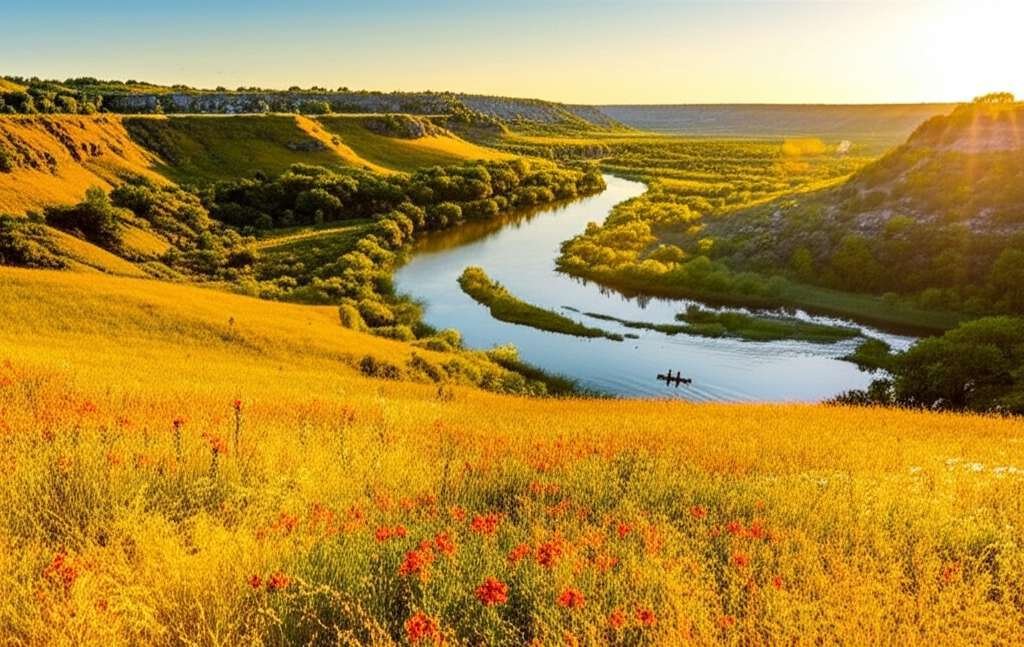
When you think of Texas, you might picture wide-open spaces and perhaps a desert or two. While that’s true, the state’s natural beauty is incredibly varied. From the piney woods of East Texas to the rugged mountains of Big Bend, Texas offers a surprising range of ecosystems.
This diversity means there’s a perfect nature escape for everyone, no matter your interests. Whether you love challenging hikes, peaceful birdwatching, or simply soaking in stunning views, Texas has a spot waiting for you.
It’s a place where you can truly disconnect from the everyday and reconnect with the natural world. The sheer scale of some of these landscapes is humbling, offering a sense of peace and wonder.
Find the Best Accommodation Deals
Compare prices from multiple booking platforms and find the best option for your stay.
Compare Hotel PricesExploring Texas’s Diverse Ecosystems
Texas is home to several distinct ecological regions, each with its own unique charm and wildlife. Understanding these regions can help you choose the best nature spot for your interests.
Piney Woods: In East Texas, you’ll find dense forests of pine and hardwood trees, crisscrossed by bayous and rivers. This region is perfect for those who love lush greenery, shady trails, and abundant birdlife.
Gulf Coast: The long coastline offers a different kind of natural beauty, with sandy beaches, marshes, and barrier islands. It’s a haven for shorebirds, marine life, and those who enjoy the salty air and ocean breeze.
Hill Country: Central Texas is famous for its rolling hills, clear spring-fed rivers, and charming small towns. This area is ideal for swimming, kayaking, hiking, and enjoying scenic drives.
Chaparral & Brush Country: South Texas features a drier landscape of mesquite, cacti, and thorny shrubs. It’s a unique environment for spotting diverse wildlife, including many bird species and javelinas.
Big Bend Country: West Texas is home to dramatic desert mountains, vast canyons, and arid plains. This rugged region offers challenging hikes, incredible stargazing, and a sense of true wilderness.
Find the Best Accommodation Deals
Compare prices from multiple booking platforms and discover the best stay options available.
⭐ Trusted by thousands of travelers
💰 Budget to luxury options available

Each of these regions provides a unique backdrop for outdoor adventures and a chance to experience the incredible biodiversity of Texas.
Top Nature Spots in Texas for Every Explorer
Ready to explore? Here are some of the best nature spots in Texas that promise unforgettable experiences. We’ve picked a variety to suit different tastes, from iconic national parks to hidden state park gems.
Best Stay Deals Available
Compare prices across top booking platforms and find the best deal for your stay.
Check Available Rooms1. Big Bend National Park: A Desert Wonderland
Located in remote West Texas, Big Bend National Park is a vast and wild expanse of desert mountains, canyons, and the Rio Grande. It’s a place of stark beauty and incredible solitude, perfect for those seeking adventure off the beaten path.
The park offers a wide range of activities, from strenuous hikes to scenic drives. Don’t miss the chance to float the Rio Grande, explore the Chisos Mountains, or marvel at the star-filled night sky, far from city lights.
What to Do in Big Bend
- Hike the Lost Mine Trail: A moderate hike offering spectacular views of the Chisos Mountains.
- Drive the Ross Maxwell Scenic Drive: Wind your way through stunning desert landscapes to the Rio Grande Village.
- Explore Santa Elena Canyon: Hike into this majestic canyon carved by the Rio Grande.
- Stargaze: Big Bend is an International Dark Sky Park, offering some of the best stargazing in the country.
- Visit the Hot Springs: Relax in natural hot springs along the Rio Grande.
Best Time to Visit Big Bend
Spring (March-May) and Fall (September-November) offer the most pleasant temperatures for hiking and exploring.
2. Palo Duro Canyon State Park: The Grand Canyon of Texas
Often called the “Grand Canyon of Texas,” Palo Duro Canyon is the second-largest canyon in the United States. Located in the Texas Panhandle, this park boasts colorful rock formations, scenic overlooks, and a rich history.
It’s a fantastic destination for hiking, biking, and horseback riding. The vibrant layers of rock tell a story millions of years in the making, creating a truly dramatic landscape.
Palo Duro Canyon Highlights
- Hike the Lighthouse Trail: An iconic trail leading to a unique rock formation.
- Drive the Park Road: Offers stunning views and access to various trailheads.
- Attend a “Texas” Outdoor Musical: A popular summer production held in the amphitheater.
- Explore the Caprock Escarpment: Discover diverse flora and fauna.
When to Visit Palo Duro Canyon
Spring and Fall are ideal. Summer can be very hot, so plan early morning or late afternoon visits if traveling during warmer months.
3. Enchanted Rock State Natural Area: A Granite Dome Gem
Nestled in the heart of the Texas Hill Country, Enchanted Rock is a massive pink granite dome that rises dramatically from the surrounding landscape. It’s a popular spot for hiking, rock climbing, and experiencing the unique geology of the region.
The summit offers panoramic views of the rolling hills, and the area is steeped in Native American history and legend, adding a layer of mystique to your visit.
Activities at Enchanted Rock
- Hike to the Summit: The main attraction, offering 360-degree views.
- Explore the Caves: Discover small geological features and learn about the area’s history.
- Stargazing: Another excellent spot for enjoying the night sky.
- Geocaching: A fun way to explore the park’s trails.
Visiting Enchanted Rock
Reservations are often required, especially on weekends and holidays. Check the Texas State Parks website for details. Spring and Fall offer the best weather.
4. Guadalupe River State Park: Hill Country Serenity
If you’re looking for a refreshing escape, the Guadalupe River State Park is a fantastic choice. This park protects a beautiful stretch of the Guadalupe River, known for its clear waters and scenic bluffs.
It’s an ideal spot for swimming, tubing, kayaking, and fishing. The park also features lovely hiking trails through diverse habitats, offering opportunities to spot native wildlife.
Guadalupe River State Park Activities
- River Activities: Swimming, tubing, kayaking, canoeing, and fishing are popular.
- Hiking Trails: Explore trails like the Bauer Nature Trail and the River Overlook Trail.
- Paddling: Rent a kayak or canoe to explore the river at your own pace.
- Wildlife Viewing: Look for white-tailed deer, armadillos, and various bird species.
Best Season for Guadalupe River
Summer is popular for river fun, but spring and fall offer more comfortable temperatures for hiking and wildlife viewing.
5. Caddo Lake State Park: Cypress Swamps and Bayou Beauty
Step into a different world at Caddo Lake State Park in East Texas. This unique ecosystem is characterized by its Spanish moss-draped cypress trees, bayous, and maze-like waterways.
The best way to experience Caddo Lake is by canoe or kayak, gliding through the still waters under the canopy of ancient trees. It’s a truly magical and atmospheric place, brimming with a sense of mystery.
Experiencing Caddo Lake
- Canoe or Kayak: Explore the intricate network of bayous and sloughs.
- Fishing: The lake is known for its excellent bass and crappie fishing.
- Hiking: Follow trails through the beautiful cypress-filled forests.
- Take a Guided Tour: Local guides can show you the best hidden spots.
Visiting Caddo Lake
The park is beautiful year-round, but spring and fall offer mild weather. Be prepared for humidity and potential insects during warmer months.
6. Mustang Island State Park: Coastal Charm
For a taste of the Texas coast, Mustang Island State Park is a pristine stretch of barrier island coastline. It offers miles of undeveloped beach, dunes, and coastal bird habitats.
It’s a perfect place for beachcombing, birdwatching, camping under the stars, and enjoying the simple beauty of the Gulf of Mexico.
Mustang Island Activities
- Beach Camping: Experience the coast up close by camping on the beach.
- Birdwatching: The park is a key stopover for migratory birds along the Great Texas Coastal Birding Trail.
- Kayaking: Explore the Mustang Island Paddling Trail, a 20-mile inland bay system.
- Fishing: Cast a line from the shore or a pier.
Best Time to Visit Mustang Island
Spring and Fall offer the most pleasant weather, avoiding the intense heat and humidity of summer. Winter is also mild and excellent for birdwatching.
7. Caprock Canyons State Park & Trailway: Texas’s Official Bat Cave
In the Texas Panhandle, Caprock Canyons State Park & Trailway is a spectacular landscape of rugged canyons, dramatic escarpments, and the state’s official bat cave. It’s a haven for hikers and a unique spot to witness a natural phenomenon.
The park is also home to the Texas State Bison herd, which you might spot roaming the rugged terrain. The “Trailway” offers a longer, more remote hiking and biking experience.
Caprock Canyons Adventures
- Bat Cave Tour: Witness the incredible exodus of bats at dusk (seasonal).
- Hiking: Explore trails like the Clarity Tunnel (for birds and bats) and the Overlook Trail.
- See the Texas State Bison: Keep an eye out for these magnificent animals.
- Paddling: Explore the park’s lake.
Visiting Caprock Canyons
Spring and Fall are the best times for comfortable weather. Bat flight is typically from May to October.
Planning Your Nature Escape in Texas
To make your trip as smooth as possible, a little planning goes a long way. Here are some tips to help you prepare for your Texas nature adventure.
Best Time to Visit Texas’s Nature Spots
The ideal time to visit most Texas nature spots is during the spring (March-May) and fall (September-November). During these seasons, you’ll typically find pleasant temperatures, fewer crowds, and beautiful natural scenery with blooming wildflowers or changing autumn colors.
Summer (June-August): Can be very hot and humid, especially in East and South Texas. West Texas can also experience extreme heat. It’s ideal for water-based activities but requires early morning or late evening exploration for other pursuits.
Winter (December-February): Generally mild across much of the state, making it excellent for hiking and wildlife viewing, especially birdwatching along the coast. Some areas, like the Panhandle, can experience cold snaps.
What to Pack for Your Texas Nature Trip
Packing the right gear ensures you’re comfortable and prepared for whatever nature throws your way.
Clothing:
Moisture-wicking shirts and pants
Layers for varying temperatures (a fleece or jacket)
Rain gear (a waterproof jacket)
Hat for sun protection
Comfortable hiking boots or sturdy shoes
Swimsuit (if visiting water spots)
Gear:
Backpack
Reusable water bottles or hydration pack
Sunscreen and insect repellent
First-aid kit
Navigation tools (map, compass, GPS device, or reliable app)
Binoculars for wildlife viewing
Camera
Headlamp or flashlight
Essentials:
Plenty of water
Snacks or packed meals
Identification and any necessary permits
Safety Tips for Exploring Texas Nature
Safety is paramount when venturing into natural areas. Always be prepared and aware of your surroundings.
Stay Hydrated: Carry more water than you think you’ll need, especially in hot weather or during strenuous hikes.
Inform Someone: Let a friend or family member know your itinerary and expected return time.
Check the Weather: Be aware of the forecast and any potential hazards like thunderstorms or flash floods.
Hike Smart: Stay on marked trails, know your limits, and be aware of wildlife.
Leave No Trace: Pack out everything you pack in, stay on trails, and respect wildlife.
Cell Service: Be aware that cell service can be spotty or non-existent in many remote natural areas. Download offline maps and information.
Texas Nature Spots: A Comparative Look
To help you choose, here’s a quick look at some key features of popular nature destinations in Texas.
| Nature Spot | Primary Ecosystem | Main Activities | Best For | Key Feature |
|---|---|---|---|---|
| Big Bend National Park | Desert Mountains, Canyons | Hiking, Stargazing, River Floating, Scenic Drives | Adventure Seekers, Solitude, Dramatic Landscapes | Vast, remote wilderness with incredible night skies. |
| Palo Duro Canyon State Park | Canyonlands | Hiking, Biking, Horseback Riding, Scenic Views | Families, Hikers, Photographers | “Grand Canyon of Texas” with colorful rock formations. |
| Enchanted Rock State Natural Area | Granite Dome, Hill Country | Hiking, Rock Climbing, Stargazing | Geology Enthusiasts, Hikers, Families | Massive pink granite dome with panoramic views. |
| Guadalupe River State Park | River Valley, Hill Country | Swimming, Tubing, Kayaking, Hiking | Water Lovers, Families, Nature Walkers | Clear, refreshing Guadalupe River. |
| Caddo Lake State Park | Cypress Swamps, Bayou | Canoeing, Kayaking, Fishing, Hiking | Nature Photographers, Paddlers, Those seeking unique atmosphere | Mystical cypress swamps draped in Spanish moss. |
| Caprock Canyons State Park & Trailway | Canyons, Escarpments | Hiking, Bat Cave Tours, Bison Viewing | Wildlife Enthusiasts, Adventurous Hikers | Texas State Bison herd and the official Texas Bat Cave. |
Resources for Your Texas Nature Trip
To get the most out of your exploration, utilize these helpful resources:
Texas Parks and Wildlife Department: This is your go-to source for official information on all Texas State Parks and natural areas. You’ll find details on reservations, park hours, fees, trail conditions, and safety guidelines. Visit their website at tpwd.texas.gov.
National Park Service (for Big Bend): For specific information on Big Bend National Park, the official National Park Service website is invaluable. Find maps, alerts, ranger programs, and detailed visitor information.
Local Tourism Websites: Many towns and regions in Texas have their own tourism websites that highlight local attractions, including nearby natural areas and activities. A quick search for “[Town Name] Tourism” can often yield great results.
Frequently Asked Questions About Texas Nature Spots
Q1: Do I need a reservation to visit Texas State Parks?
A1: Reservations are often required, especially for popular parks like Enchanted Rock and Big Bend Ranch State Park, and for camping. It’s always best to check the Texas Parks and Wildlife Department website for the specific park you plan to visit before you go.
Q2: What is the best way to see wildlife in Texas?
A2: Early morning and late evening are typically the best times for wildlife viewing. Bring binoculars and be patient. Parks like Caddo Lake, Mustang Island, and Caprock Canyons are excellent for spotting diverse species.
Q3: Are there dangerous animals in Texas nature spots?
A3: While encounters are rare, it’s wise to be aware of potential wildlife such as snakes (rattlesnakes, copperheads), javelinas, and in some areas, alligators. Always maintain a safe distance, never feed wildlife, and be cautious where you step and place your hands.
Q4: Can I bring my dog to Texas State Parks?
A4: Most Texas State Parks allow pets in most outdoor areas, but they are usually not permitted inside park buildings or in certain sensitive wildlife areas. Always check the specific park’s pet policy on the TPWD website.
Q5: What should I do if I get lost in a Texas park?
A5: If you get lost, stay calm and stay put. If you have a cell signal, call for help. If not, try to retrace your steps to a known trail. Conserve your energy and water. It’s crucial to let someone know your plans before you go.
Q