
The best time to visit Dallas, Texas, is generally spring (April-May) and fall (September-October) for pleasant weather. These seasons offer mild temperatures perfect for exploring the city’s outdoor attractions and events without the intense summer heat or winter chill.
Planning a trip to a new city can feel like a puzzle, especially when you’re wondering about the perfect timing. You want sunshine, comfortable strolls, and fun without breaking a sweat or freezing! Dallas, Texas, is a vibrant city with so much to offer, but knowing when to go can make all the difference.
Check the latest prices and available rooms before they sell out.
Check AvailabilityDon’t worry, I’m here to help! We’ll break down the seasons so you can pick the ideal time for your Dallas adventure. Get ready to discover when Dallas truly shines.
Understanding Dallas Weather: A Season-by-Season Guide
Dallas experiences a humid subtropical climate, meaning it has hot summers, mild winters, and distinct spring and fall seasons. Each time of year brings its own unique charm and set of considerations for travelers. Knowing what to expect weather-wise will help you pack smartly and plan activities that make the most of your visit.
Let’s dive into what each season in Dallas has to offer, so you can find the sweet spot that fits your travel style and preferences.
Spring in Dallas: Blooming Beauty and Pleasant Temperatures
Spring in Dallas, typically from April through May, is often hailed as one of the most beautiful times to visit. The city shakes off the cooler winter months and bursts into life with blooming flowers and lush greenery. The temperatures are generally mild and inviting, making it perfect for outdoor exploration.
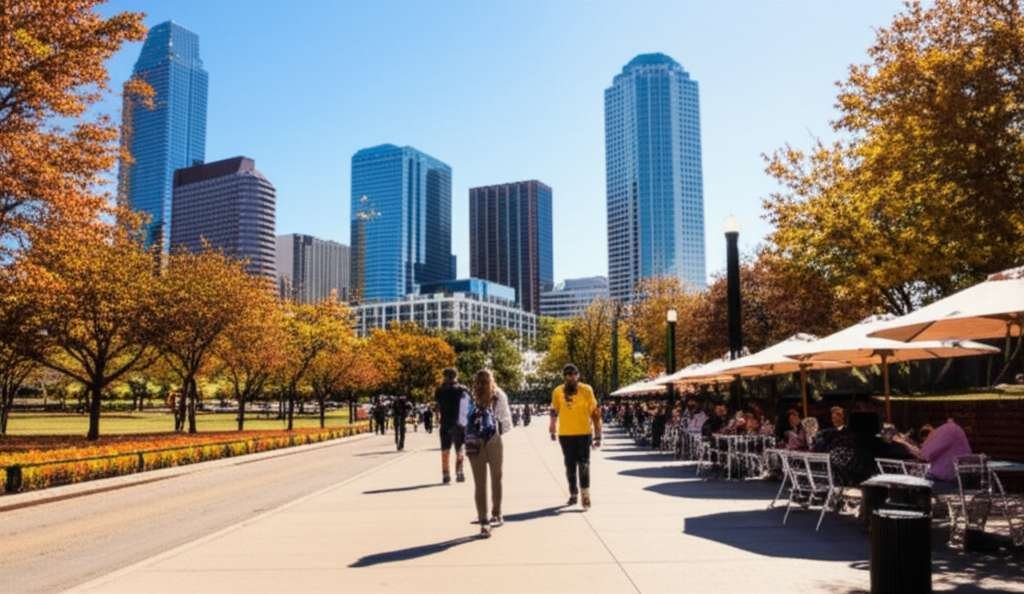
Imagine strolling through the Dallas Arboretum and Botanical Garden as everything is in full bloom, or enjoying a leisurely walk along the Katy Trail without feeling overheated. This season offers a delightful balance of comfortable weather and vibrant city life.
Pros of Visiting in Spring:
- Pleasant Temperatures: Highs typically range from the mid-70s to low 80s Fahrenheit (around 24-28°C). Lows are comfortable, often in the 50s and 60s Fahrenheit (10-15°C).
- Beautiful Scenery: The city’s parks and gardens are at their most vibrant, offering stunning visual appeal.
- Outdoor Events: Many festivals and outdoor events kick off in the spring, taking advantage of the good weather.
- Fewer Crowds (Early Spring): While popular, early spring can be less crowded than peak summer months, offering a more relaxed experience.
Cons of Visiting in Spring:
- Potential for Rain: Spring is also the season for occasional thunderstorms and rain showers, so packing an umbrella is a good idea.
- Allergies: For those sensitive to pollen, the blooming flowers can trigger allergies.
- Increasing Crowds (Late Spring): As the weather gets warmer and school breaks approach, late spring can see an uptick in visitors.
Summer in Dallas: Heat, Sunshine, and Indoor Adventures
Summer in Dallas, from June through August, is synonymous with heat. It gets hot, and we mean really hot. Daytime temperatures frequently soar into the 90s and can often break 100°F (38°C), accompanied by high humidity. If you’re not a fan of intense heat, this might not be your ideal season.
Find the Best Accommodation Deals
Compare prices from multiple booking platforms and find the best option for your stay.
Compare Hotel PricesHowever, summer is also a time for vibrant energy and plenty of indoor activities. Museums, indoor entertainment venues, and fantastic restaurants offer cool escapes. Plus, if you’re traveling with students, summer break means more flexibility for family trips.
Pros of Visiting in Summer:
- Longer Daylight Hours: More daylight means more time for activities, even if they need to be planned around the hottest parts of the day.
- School Holidays: Ideal for families with students on summer break.
- Lively Atmosphere: Many summer events and festivals are scheduled, and the city buzzes with activity.
- Great for Indoor Attractions: Perfect weather for exploring world-class museums, the Dallas World Aquarium, or catching a show.
Cons of Visiting in Summer:
- Extreme Heat: High temperatures and humidity can make outdoor activities uncomfortable or even dangerous if not planned carefully.
- Higher Prices: Summer is peak tourist season, which can mean higher prices for flights and accommodations.
- Crowds: Expect larger crowds at popular attractions due to school holidays and vacationers.
- Need for Hydration: Constant hydration and seeking shade or air-conditioned spaces are essential.
Fall in Dallas: Crisp Air and Festival Fun
As the intense heat of summer begins to fade, fall arrives in Dallas, usually from September through October. This season is often considered another prime time to visit, offering a delightful respite from the heat with crisp, pleasant air. The humidity also tends to decrease, making outdoor adventures even more enjoyable.
Find the Best Accommodation Deals
Compare prices from multiple booking platforms and discover the best stay options available.
⭐ Trusted by thousands of travelers
💰 Budget to luxury options available
Fall brings a colorful change to the landscape and a calendar packed with exciting events, from college football games to harvest festivals. It’s a fantastic time to explore the city’s neighborhoods and enjoy its culinary scene.
Pros of Visiting in Fall:
- Ideal Temperatures: Highs usually settle into the 70s and 80s Fahrenheit (21-28°C), with cooler evenings.
- Lower Humidity: More comfortable for outdoor activities compared to summer.
- Festivals and Events: A hub for fall festivals, farmers’ markets, and the highly anticipated start of college and professional football seasons.
- Beautiful Scenery: While not known for dramatic fall foliage like some northern states, the cooler air and changing light offer a lovely atmosphere.
Cons of Visiting in Fall:
- Popularity: Fall is a very popular time, so expect crowds and potentially higher prices, especially during major event weekends.
- Variable Weather: While generally mild, late fall can sometimes bring cooler fronts.
- Football Season Impact: If you’re not interested in football, be aware that game days can make certain areas busier and accommodations more expensive.
Winter in Dallas: Mild Cold and Festive Cheer
Winter in Dallas, from November through March, is generally mild compared to many other parts of the country. Snow is rare, and while it can get chilly, especially in January and February, prolonged periods of freezing temperatures are uncommon. You might experience frost, and temperatures can drop into the 30s and 40s Fahrenheit (0-7°C) at night, but daytime highs often hover in the 50s and 60s Fahrenheit (10-18°C).
Best Stay Deals Available
Compare prices across top booking platforms and find the best deal for your stay.
Check Available RoomsThis season is wonderful for embracing indoor attractions and enjoying the festive holiday spirit. The cooler weather is perfect for exploring museums without breaking a sweat, and the city lights up with holiday decorations.
Pros of Visiting in Winter:
- Mild Temperatures: Generally cooler but not harsh, making it pleasant for indoor activities and some outdoor exploration.
- Holiday Magic: November and December offer festive decorations, holiday markets, and special events like the Dallas Zoo Lights.
- Fewer Crowds: Outside of the holiday season, winter is often the least crowded time to visit, leading to lower prices and more availability.
- Excellent for Indoor Activities: Perfect for exploring museums, art galleries, and enjoying Dallas’s renowned dining scene.
Cons of Visiting in Winter:
- Chilly Weather: While mild, it can still be too cool for some to enjoy extensive outdoor activities, especially in the early mornings or evenings.
- Shorter Daylight Hours: Days are shorter, limiting outdoor time.
- Potential for Ice: Although rare, occasional ice storms can disrupt travel and make roads hazardous.
- Holiday Travel Peaks: The period around Christmas and New Year’s can be busy and more expensive.
Comparing the Best Times: A Quick Look
To help you visualize when might be the perfect time for your Dallas getaway, let’s break down the key factors in a simple comparison table. This will give you a quick overview of what to expect across the different seasons.
| Season | Best For | Average High Temp (°F / °C) | Average Low Temp (°F / °C) | Crowds | Price Range | Key Activities |
|---|---|---|---|---|---|---|
| Spring (Apr-May) | Outdoor exploration, festivals, blooming scenery | 75-82°F / 24-28°C | 50-65°F / 10-18°C | Moderate (increasing late spring) | Moderate | Gardens, parks, outdoor concerts, sports |
| Summer (Jun-Aug) | Indoor attractions, family vacations, vibrant nightlife | 90-100°F+ / 32-38°C+ | 70-75°F / 21-24°C | High | High | Museums, aquariums, indoor dining, water parks |
| Fall (Sep-Oct) | Comfortable outdoor activities, events, football season | 70-85°F / 21-29°C | 50-65°F / 10-18°C | Moderate to High (especially during events) | Moderate to High | Sports, festivals, farmers markets, dining al fresco |
| Winter (Nov-Mar) | Holiday events, indoor culture, budget travel, fewer crowds | 50-65°F / 10-18°C | 30-45°F / -1-7°C | Low (except holidays) | Low (except holidays) | Museums, holiday lights, cozy dining, arts |
Beyond the Weather: Key Considerations for Your Trip
While weather is a major factor, several other elements can influence the best time for you to visit Dallas. Thinking about these will help you tailor your trip to your specific needs and preferences, ensuring a truly memorable experience.
From major events that draw huge crowds and inflate prices to seasonal attractions, there’s a lot to consider. Let’s look at some of these important details.
Major Events and Festivals
Dallas hosts a variety of events throughout the year that can significantly impact your travel plans. Some are iconic and might be the very reason you choose to visit during a specific time.
- State Fair of Texas: Typically runs from late September to mid-October. This is one of the largest state fairs in the U.S., attracting millions of visitors. If you love fair food, rides, and a quintessential Texas experience, plan around this! Be prepared for large crowds and higher prices for accommodations during this period.
- Big D BBQ Fest: Often held in the spring, celebrating the city’s love for barbecue.
- Oktoberfest Celebrations: Various venues host Oktoberfest events in the fall.
- Holiday Events: Throughout November and December, Dallas sparkles with holiday markets, light displays (like at the Dallas Arboretum and Dallas Zoo), and festive performances.
- College and Professional Sports: The fall and winter months are packed with football games (Dallas Cowboys, SMU Mustangs, Dallas Stars hockey, Dallas Mavericks basketball). If you’re a sports fan, aligning your visit with a game can be a highlight, but book accommodations well in advance.
- Art and Cultural Festivals: Throughout the year, various neighborhoods and institutions host art walks, music festivals, and cultural celebrations. Check local listings closer to your travel dates.
Cost and Budget Considerations
Your budget is a crucial part of trip planning. Generally, you’ll find the sweet spot for affordability in Dallas during the shoulder seasons and off-peak times.
- Peak Season (Higher Prices): Summer months (June-August) and major event periods like the State Fair of Texas or the Christmas holidays will see the highest prices for flights, hotels, and sometimes even attraction tickets.
- Shoulder Seasons (Moderate Prices): Spring (April-May) and Fall (September-October) offer a good balance. Prices are moderate, and you still get excellent weather. Early spring and late fall might be slightly more budget-friendly than late spring.
- Off-Peak Season (Lower Prices): Winter (January-March, excluding holiday weeks) is typically the most budget-friendly time to visit Dallas. You’ll find the best deals on accommodations and flights.
Crowd Levels
If you prefer a more relaxed pace and shorter lines at attractions, consider visiting during less crowded times. Large crowds can impact your ability to see and do everything you want efficiently.
- Busiest Times: Summer vacation months, Thanksgiving week, Christmas and New Year’s holidays, and major event weekends (like the State Fair or significant sporting events).
- Moderate Crowds: Spring and Fall generally see moderate crowds, with a noticeable increase on weekends and during festivals.
- Least Crowded Times: January, February, and early March (outside of any major conventions or events) usually offer the most serene experience.
Planning Your Perfect Dallas Itinerary
Now that we’ve explored the seasons and other key factors, let’s put it all together. Think about what matters most to you. Are you chasing sunshine for outdoor adventures, or are you more interested in cozying up in museums? Do you want to catch a specific event, or are you looking for the best value?
Here’s a way to think about it:
- For the Outdoor Enthusiast & Flower Lover: Spring (April-May) is your prime time. The Dallas Arboretum is spectacular, and the weather is perfect for exploring Klyde Warren Park or walking around the Bishop Arts District.
- For the Family on Summer Break (and Heat Tolerant): Summer (June-August) works if you plan around the heat. Focus on indoor wonders like the Perot Museum of Nature and Science, the Dallas World Aquarium, or indoor shopping malls like NorthPark Center.
- For the Festival-Goer & Football Fan: Fall (September-October) is ideal. You can experience the State Fair of Texas, enjoy pleasant weather for exploring, and catch a thrilling college or professional sports game.
- For the Budget Traveler & Culture Seeker: Winter (November-March, excluding holidays) offers the best value and fewer crowds. It’s perfect for diving into Dallas’s impressive museum scene, enjoying holiday lights, and savoring the local food without the hustle.
Daylight Hours and Activity Planning
The amount of daylight you have will affect how much you can pack into your day, especially for outdoor activities. Longer days in spring and summer mean more flexibility.
- Spring/Summer: Longest daylight hours, allowing for early morning and late evening activities.
- Fall: Daylight hours begin to decrease, but are still sufficient for full days of exploration.
- Winter: Shortest daylight hours, requiring more strategic planning for outdoor excursions.
What to Pack: A Seasonal Hint
Packing smart ensures comfort, no matter when you visit.
- Spring: Light layers, a light jacket or sweater for evenings, comfortable walking shoes, and a rain umbrella.
- Summer: Lightweight, breathable clothing (cotton, linen), sun hat, sunglasses, sunscreen, and light footwear. Always have a water bottle!
- Fall: Layers are key. Include t-shirts, long-sleeved shirts, a sweater or light jacket, and comfortable walking shoes.
- Winter: A medium-weight coat, sweaters, long pants, closed-toe shoes, and a scarf. You might also want gloves and a hat for cooler mornings/evenings.
Is Dallas Worth Visiting in the Heat of Summer?
Absolutely! While the summer heat in Dallas can be intense, it doesn’t mean you can’t have a fantastic trip. The key is smart planning.
Focus on indoor attractions during the hottest parts of the day (typically midday). Dallas has an incredible array of world-class museums, art galleries, and indoor entertainment options. Consider visiting the Perot Museum of Nature and Science, the Dallas Museum of Art, or the Sixth Floor Museum at Dealey Plaza. You can also enjoy fantastic shopping at places like NorthPark Center or explore the Dallas World Aquarium.
In the early mornings and late evenings, when temperatures are more bearable, you can enjoy outdoor activities. Many restaurants and bars also have great patios that are enjoyable in the cooler parts of the day or evening. Hydration is paramount, so always carry water and take advantage of air-conditioned spaces whenever you need a break.
FAQ: Your Dallas Trip Questions Answered
What is the absolute best month to visit Dallas?
Many travelers find April and October to be the best months. April offers beautiful spring blooms and comfortable temperatures before the intense summer heat arrives. October provides pleasant, crisp fall weather, perfect for exploring the city and enjoying outdoor events.
Is Dallas very hot in the summer?
Yes, Dallas summers (June-August) are typically very hot and humid. Daytime temperatures frequently reach the 90s Fahrenheit and can exceed 100°F (38°C). It’s essential to plan outdoor activities for the cooler parts of the day and stay hydrated.
When is the cheapest time to visit Dallas?
The cheapest time to visit Dallas is generally during the winter months, from January to March, excluding the holiday season around Christmas and New Year’s. You’ll often find the best deals on flights and hotels during this period.
Are spring and fall equally good times to visit Dallas?
Yes, both spring and fall are considered ideal times to visit Dallas. They offer comfortable temperatures, pleasant weather for outdoor activities, and a good balance of events without the extreme heat of summer or the chill of winter. The choice between them often comes down to personal preference for blooming flowers versus crisp autumn air.