
The best time to visit Nevada for amazing weather is typically spring (March-May) and fall (September-November). These seasons offer mild temperatures ideal for exploring diverse landscapes, from the Mojave Desert to the Sierra Nevada mountains, avoiding the extreme heat of summer and the chill of winter.
Planning a trip to Nevada can feel a bit overwhelming, especially when you’re unsure about the weather. You want to pack right, plan activities that fit the climate, and truly enjoy your adventure without being caught off guard by a heatwave or a sudden cold snap.
Check the latest prices and available rooms before they sell out.
Check AvailabilityIt’s a common worry for first-time visitors to the USA, but don’t worry! We’re going to break down Nevada’s weather so you can pick the perfect time to visit.
This guide will help you understand the seasons, so you can plan an unforgettable trip with confidence. Get ready to discover the ideal window for your Nevada adventure!
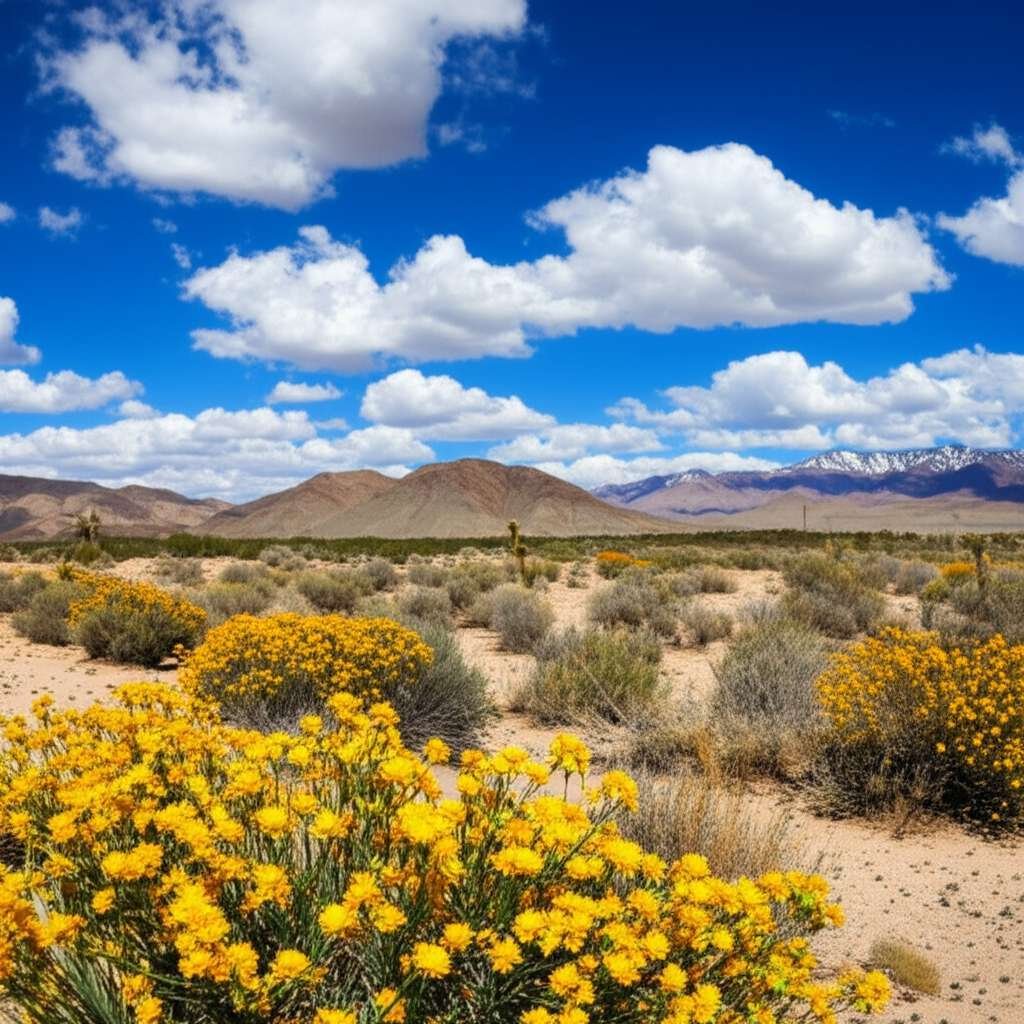
Understanding Nevada’s Diverse Climate
Nevada is a big state with surprisingly varied weather. It’s often called the “Silver State” and the “Battle Born State,” but it’s also known for its deserts, mountains, and vibrant cities. This means the “best time” can depend on where in Nevada you plan to go and what you want to do.
Think about it: Las Vegas sits in the Mojave Desert, which gets incredibly hot in the summer. Meanwhile, Lake Tahoe in the Sierra Nevada mountains experiences snowy winters and pleasant summers. Understanding these regional differences is key to finding your perfect travel window.
We’ll explore the climate for some of Nevada’s most popular destinations to help you make an informed decision.
Las Vegas and Southern Nevada: Desert Delights
Las Vegas is world-famous, and its desert climate plays a big role in the visitor experience. Summers here are scorching, with temperatures frequently soaring above 100°F (38°C) from June through August. This intense heat can limit outdoor activities during the day.
Find the Best Accommodation Deals
Compare prices from multiple booking platforms and find the best option for your stay.
Compare Hotel Prices
However, the spring and fall months offer a much more comfortable experience. You can enjoy the Strip, explore nearby Red Rock Canyon, or take day trips to Hoover Dam without wilting under the sun. Winter is also pleasant, with mild daytime temperatures, though evenings can get cool.
Find the Best Accommodation Deals
Compare prices from multiple booking platforms and discover the best stay options available.
⭐ Trusted by thousands of travelers
💰 Budget to luxury options available
Here’s a quick look at the typical Las Vegas weather:
| Season | Average High Temperature | Average Low Temperature | Notes |
|---|---|---|---|
| Spring (March-May) | 70s – 90s°F (21-32°C) | 40s – 60s°F (4-15°C) | Ideal for outdoor activities, pleasant evenings. |
| Summer (June-August) | 90s – 110s°F (32-43°C) | 70s – 90s°F (21-32°C) | Extremely hot; daytime outdoor activities challenging. |
| Fall (September-November) | 70s – 90s°F (21-32°C) | 40s – 70s°F (4-21°C) | Very comfortable, great for exploring. |
| Winter (December-February) | 50s – 60s°F (10-15°C) | 30s – 40s°F (0-4°C) | Cooler, sunny days; evenings can be chilly. |
Northern Nevada: Mountains and More
Northern Nevada, including areas around Reno and Lake Tahoe, experiences a more distinct four-season climate. Winters here are cold and snowy, making it a prime destination for skiing and snowboarding. The mountainous terrain receives significant snowfall from November through April.
Summers in Northern Nevada are generally warm and dry, but cooler than in the southern deserts. Spring and fall offer beautiful transitional weather, with blooming wildflowers in spring and vibrant foliage in fall. These shoulder seasons are perfect for hiking and enjoying the natural beauty without the extremes of summer heat or winter cold.
Best Stay Deals Available
Compare prices across top booking platforms and find the best deal for your stay.
Check Available RoomsHere’s a general overview for Northern Nevada:
| Season | Average High Temperature | Average Low Temperature | Notes |
|---|---|---|---|
| Spring (March-May) | 40s – 70s°F (4-21°C) | 20s – 40s°F (-6-4°C) | Snowmelt, blooming flowers, cooler but pleasant. |
| Summer (June-August) | 70s – 80s°F (21-27°C) | 40s – 50s°F (4-10°C) | Warm, sunny days, cool nights. Ideal for outdoor activities. |
| Fall (September-November) | 40s – 70s°F (4-21°C) | 20s – 40s°F (-6-4°C) | Beautiful autumn colors, crisp air, potential for early snow. |
| Winter (December-February) | 30s – 40s°F (0-4°C) | 10s – 20s°F (-12- -6°C) | Cold, snowy. Excellent for winter sports. |
The Absolute Best Time to Visit Nevada: Spring (March-May)
If you’re looking for the sweet spot with amazing weather across much of Nevada, spring is your answer. During these months, the state truly comes alive with comfortable temperatures and plenty of sunshine.
In Southern Nevada, like Las Vegas, the intense summer heat hasn’t yet arrived. You can comfortably explore the city, visit outdoor attractions like the Neon Museum, or drive out to the stunning Valley of Fire State Park. The desert blooms with wildflowers, adding a splash of color to the arid landscape.
Up north, spring brings the melting of snow, revealing hiking trails and opening up opportunities for water sports on the lakes. The weather is invigorating, perfect for active adventures before the full heat of summer sets in.
Pros of Visiting in Spring:
- Pleasant temperatures in both desert and mountain regions.
- Fewer crowds than during peak summer or winter holiday seasons.
- Beautiful desert wildflowers in bloom.
- Ideal for a wide range of outdoor activities.
- Potentially lower accommodation prices than peak times.
Cons of Visiting in Spring:
- Late spring can still bring hot days in Southern Nevada.
- Some higher elevation trails in Northern Nevada might still be snow-covered in early spring.
- Weather can be unpredictable, with potential for late-season storms in the mountains.
The Second Best Time: Fall (September-November)
Fall is another fantastic time to visit Nevada, offering a mirror image of spring’s pleasant conditions. As the scorching summer heat subsides, the weather becomes wonderfully mild and comfortable across the state.
Southern Nevada offers a welcome relief from the summer heat, making it perfect for exploring the Las Vegas Strip, visiting Hoover Dam, or taking scenic drives through the desert. The evenings are cool and refreshing, ideal for enjoying outdoor dining or shows.
In Northern Nevada, fall brings crisp air and stunning autumn colors, especially around Lake Tahoe and in the mountain regions. It’s a great time for hiking and enjoying the scenery before the winter snows arrive. Just be prepared for cooler temperatures as November progresses.
Pros of Visiting in Fall:
- Comfortable temperatures perfect for sightseeing and outdoor activities.
- Beautiful fall foliage in Northern Nevada.
- Less intense sun than in summer.
- Good for visiting national and state parks.
- Generally fewer tourists than summer.
Cons of Visiting in Fall:
- Temperatures can drop significantly in late fall, especially at night and in Northern Nevada.
- Some seasonal attractions might begin to close in November.
- Potential for early snow in higher elevations starting in November.
Considering Summer and Winter Visits
While spring and fall are generally the best, summer and winter have their own unique appeal, depending on your interests and tolerance for extreme weather.
Summer (June-August): For the Heat-Seekers and Water Lovers
Summer in Nevada means one thing: heat, especially in the southern desert regions. Las Vegas temperatures routinely exceed 100°F (38°C). If your primary goal is to enjoy the casinos, indoor entertainment, shopping, and fine dining, the heat might not be a major issue. Many resorts have fantastic pools and air-conditioned environments.
However, if you plan on extensive outdoor exploration, summer is best avoided in the south. In contrast, Northern Nevada, particularly around Lake Tahoe, offers pleasant summer weather. Days are warm and sunny, perfect for swimming, boating, hiking, and enjoying the mountain scenery without the oppressive desert heat.
Pros of Visiting in Summer:
- Ideal weather for water activities at Lake Tahoe and other northern lakes.
- Long daylight hours for sightseeing.
- All attractions and tours are typically open.
- Vibrant atmosphere in cities like Las Vegas.
Cons of Visiting in Summer:
- Extreme heat in Southern Nevada, limiting daytime outdoor activities.
- Higher crowds and peak season pricing for accommodations and flights.
- Need for constant hydration and sun protection.
Winter (December-February): For Skiers and Cozy Explorers
Winter transforms Nevada into a different kind of paradise. Northern Nevada, especially the Sierra Nevada mountains, becomes a winter sports mecca. Resorts around Lake Tahoe offer world-class skiing, snowboarding, and other snow-based activities. The landscape is stunningly beautiful under a blanket of snow.
Southern Nevada offers a mild winter escape. Las Vegas temperatures are cool but often sunny, making it pleasant for exploring the city and nearby natural wonders like Death Valley National Park (though even Death Valley can get surprisingly warm during the day in winter). It’s a great time to visit if you dislike extreme heat and are looking for a more relaxed pace.
Pros of Visiting in Winter:
- Excellent conditions for skiing and snowboarding in Northern Nevada.
- Mild, sunny days in Southern Nevada, ideal for those escaping colder climates.
- Fewer crowds in many areas outside of ski resorts and holiday periods.
- Beautiful, snow-covered scenery in the mountains.
Cons of Visiting in Winter:
- Very cold temperatures and heavy snow in Northern Nevada can disrupt travel plans.
- Some outdoor attractions or roads may be closed due to snow.
- Shorter daylight hours.
- Limited opportunities for hiking or extensive outdoor exploration in the north.
Planning Your Nevada Itinerary by Season
To make your trip planning even easier, here’s a breakdown of what kind of activities are best suited for each season:
Spring Activities:
- Southern Nevada: Hiking in Red Rock Canyon, exploring Valley of Fire, visiting Hoover Dam, enjoying outdoor dining in Las Vegas, wildflower viewing.
- Northern Nevada: Hiking at lower elevations, visiting Lake Tahoe (water may still be cold), exploring historic mining towns, enjoying spring skiing (early spring).
Summer Activities:
- Southern Nevada: Indoor attractions (casinos, shows, museums), swimming at resort pools, nighttime activities, visiting Hoover Dam (early morning/late evening).
- Northern Nevada: Swimming and boating on Lake Tahoe, hiking in the mountains, exploring national parks like Great Basin, scenic drives, outdoor festivals.
Fall Activities:
- Southern Nevada: Hiking and exploring outdoor parks, enjoying pleasant evenings in Las Vegas, visiting nearby natural attractions.
- Northern Nevada: Hiking and enjoying fall foliage, visiting wineries, scenic drives, exploring Lake Tahoe before winter sets in.
Winter Activities:
- Southern Nevada: Exploring Las Vegas casinos and shows, visiting Hoover Dam, day trips to Death Valley (best during the day), enjoying milder temperatures.
- Northern Nevada: Skiing and snowboarding, snowshoeing, enjoying cozy mountain lodges, visiting Reno’s casinos and entertainment.
Nevada’s National and State Parks: A Seasonal Guide
Nevada is home to stunning natural beauty, from the vastness of the Great Basin to the unique formations of its state parks. The best time to visit these parks often hinges on the weather.
Great Basin National Park: This park in eastern Nevada offers incredible stargazing and hiking. Summer and fall are ideal for visiting due to accessible trails and generally clear skies. Winter brings heavy snow, making many areas inaccessible.
Valley of Fire State Park: Located near Las Vegas, this park’s vibrant red rock formations are best explored in spring and fall. Summer temperatures can be dangerously high, making midday exploration difficult. Winter offers mild conditions for comfortable exploration.
Lake Tahoe Nevada State Park: For those interested in hiking, biking, and stunning lake views, summer and early fall are perfect. Spring offers beautiful scenery as snow melts, but some trails might remain closed. Winter is for snow sports.
For the most up-to-date information on park conditions and advisories, always check the official Nevada State Parks website or the National Park Service (NPS) website for specific parks. For instance, the NPS Great Basin conditions page is a great resource.
Tips for Packing Based on the Season
Packing smart is crucial for a comfortable Nevada trip. Here are some general tips:
- Spring & Fall: Layers are key! Pack light jackets, sweaters, t-shirts, and comfortable walking shoes. Include sun protection (hat, sunglasses, sunscreen) as the sun can still be strong. A light rain jacket might be useful for mountain areas.
- Summer: Lightweight, breathable clothing is essential for Southern Nevada. Think shorts, light dresses, t-shirts, and sandals. For Northern Nevada, pack similar items but also include a warmer layer for cooler evenings or higher elevations. Always bring ample sun protection and stay hydrated.
- Winter: Warm, waterproof outerwear is a must for Northern Nevada, including a heavy coat, gloves, hat, and waterproof boots. For Southern Nevada, pack warmer layers like sweaters and a medium-weight jacket for evenings, but you can still get by with lighter clothing during sunny days.
Frequently Asked Questions About Visiting Nevada
When is the cheapest time to visit Nevada?
Generally, the shoulder seasons of spring (excluding spring break in Las Vegas) and fall, or the off-peak winter months (excluding holidays), tend to offer the best deals on flights and accommodations. Avoiding major holidays and events will also help keep costs down.
What is the weather like in Las Vegas in April?
April in Las Vegas is usually very pleasant. Daytime high temperatures typically range from the mid-70s to low 80s°F (24-28°C), with cooler evenings in the 50s°F (10-15°C). It’s an excellent month for outdoor activities.
Is it too hot to visit Nevada in July?
Yes, July is one of the hottest months in Southern Nevada. Temperatures in Las Vegas regularly exceed 100°F (38°C) and can reach up to 115°F (46°C). While indoor activities are fine, outdoor exploration is best done very early in the morning or late in the evening.
What should I wear for a trip to Northern Nevada in October?
October in Northern Nevada can bring crisp autumn weather. Pack layers: include long-sleeved shirts, sweaters, a medium-weight jacket, and comfortable pants. You might also want a hat and gloves, especially for cooler mornings and evenings. Waterproof shoes are a good idea in case of rain or early snow.
Can you ski in Nevada during Thanksgiving week?
It’s possible, but it depends on the snowfall. Some ski resorts in the Lake Tahoe area typically aim to open around Thanksgiving week. However, early-season snow can be unpredictable, so it’s best to check the specific resort’s opening dates closer to your travel time.
Is Death Valley National Park too hot to visit in May?
May can be quite hot in Death Valley, which is located on the California/Nevada border. Temperatures can reach the 90s and even 100s°F (32-38°C) by late May. While not as extreme as mid-summer, it’s still advisable to plan outdoor activities for early morning or late evening and stay well-hydrated.
Conclusion: Your Perfect Nevada Weather Awaits!
Nevada’s diverse landscapes offer unique experiences year-round, but by understanding its climate, you can pinpoint the perfect time for your visit. Spring and fall truly shine as the seasons offering the most pleasant and versatile weather across the state, ideal for exploring everything from the glitz of Las Vegas to the natural wonders of its parks.
Whether you’re dreaming of desert adventures under a warm sun, hitting the slopes in a winter wonderland, or enjoying the vibrant energy of the cities, knowing the best time to visit Nevada will ensure your trip is comfortable,