
Hiking poles are great tools for enhancing stability and reducing fatigue on trails. However, many users make simple mistakes that diminish their benefits. This guide covers common mistakes when using hiking poles and offers practical tips to help you hike smarter, safer, and more comfortably.
Key Takeaways
- Proper length adjustment: Setting your poles at the correct height ensures optimal support and comfort.
- Correct grip technique: Holding the poles properly prevents hand fatigue and improves control.
- Using poles on appropriate terrain: Knowing when and where to use your poles maximizes their benefits.
- Timing of pole placement: Plantting poles at the right moments boosts stability and reduces strain.
- Maintaining and storing poles: Regular care extends the lifespan and ensures safety during use.
- Avoiding over-reliance: Combining poles with good hiking techniques prevents dependency and promotes natural movement.
Quick Answers to Common Questions
Tip/Question?
How do I adjust my hiking poles correctly?
Stand upright, hold the handle with your arm at a 90-degree angle, and adjust the length so this position is comfortable.
Check the latest prices and available rooms before they sell out.
Check AvailabilityTip/Question?
Should I grip the poles tightly?
No, keep your grip relaxed to avoid hand fatigue and maintain control with minimal effort.
Tip/Question?
When is the best time to use hiking poles?
Use them on steep inclines, declines, rocky patches, or slippery surfaces for extra support and safety.
Tip/Question?
How do I plant my poles properly?
Plant the tips just before your foot lands, timing it with your stride for stability and efficiency.
Tip/Question?
How do I maintain my hiking poles?
Clean after each hike, check for damage regularly, and store in a dry, safe place to prolong their lifespan.
Introduction
Hiking poles are popular gadgets that can make your outdoor adventures safer and more comfortable. They help reduce joint stress, improve balance, and increase walking efficiency. But many hikers unknowingly make mistakes that limit these benefits or even cause injury. In this guide, you’ll learn common mistakes when using hiking poles and how to avoid them. Whether you’re a beginner or an experienced trekker, these tips will help you get the most out of your hiking poles in 2026.
1. Not Adjusting the Poles to the Correct Length
Why it matters
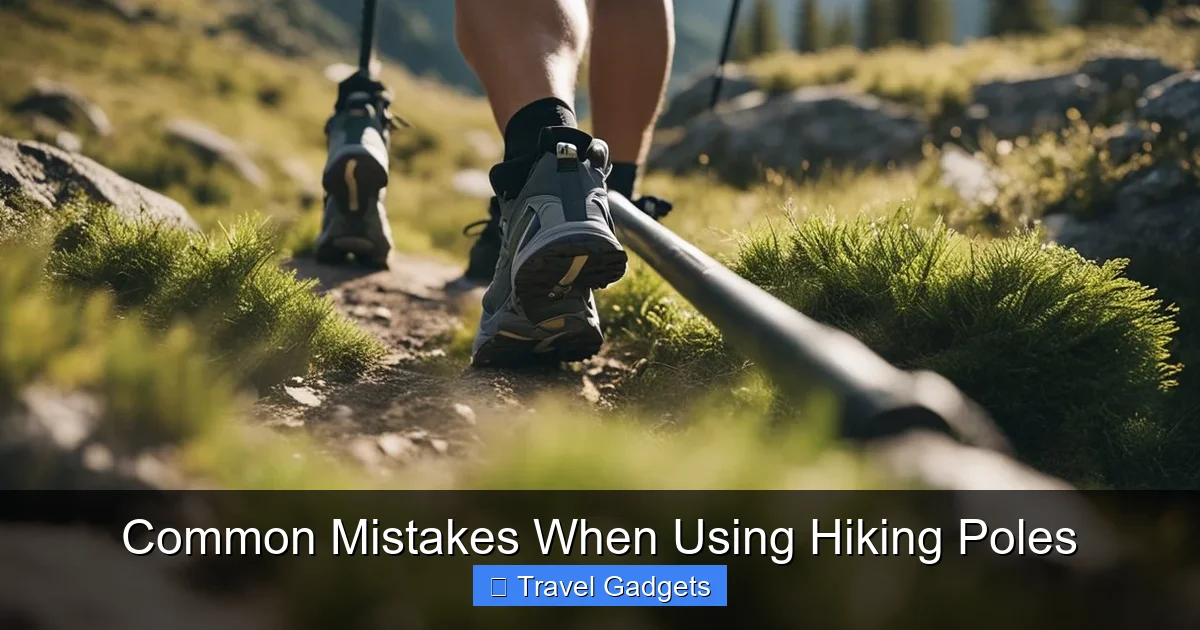
The right pole length ensures proper posture, reducing fatigue and preventing strain on your shoulders, arms, and wrists.
Find the Best Accommodation Deals
Compare prices from multiple booking platforms and find the best option for your stay.
Compare Hotel PricesVisual guide about Common Mistakes When Using Hiking Poles
Image source: trekfuse.com
Find the Best Accommodation Deals
Compare prices from multiple booking platforms and discover the best stay options available.
⭐ Trusted by thousands of travelers
💰 Budget to luxury options available
How to adjust your poles properly
- Stand upright: Keep your shoulders relaxed and arms at your sides.
- Hold the grip: Grasp the handle with your hand, keeping your elbow at about a 90-degree angle.
- Adjust the length: Extend or shorten the pole so that your arm forms a comfortable right angle.
- Check your posture: When walking, your elbows should remain close to your sides, and your wrists should stay straight.
Practical tips
- Most modern hiking poles have quick-lock or twist-lock mechanisms for easy adjustment. Practice adjusting before your hike.
- Consider adjustable poles that can be lengthened or shortened during different terrains (ascending or descending).
Common mistake to avoid
Setting your poles too long or too short can cause discomfort and reduce stability. Always double-check the length before starting your hike.
2. Incorrect Grip Technique
The importance of proper grip
Holding the poles correctly helps prevent hand fatigue and improves control, especially on uneven terrain.
Best Stay Deals Available
Compare prices across top booking platforms and find the best deal for your stay.
Check Available RoomsVisual guide about Common Mistakes When Using Hiking Poles
Image source: mountaineeringguru.com
How to grip your hiking poles
- Use the handle: Hold the handle firmly but not tightly. Your grip should be relaxed.
- Adjust your hand position: Place your palm comfortably around the grip, with your thumb resting on top if the handle supports it.
- Use wrist straps correctly: Loop the straps around your wrists and adjust for a snug fit. This allows your hands to relax while keeping the poles secure.
Practical tips
- Don’t grip the poles too tightly; a relaxed grip reduces fatigue.
- Use the straps to transfer some of the load and to avoid dropping the poles.
Common mistake to avoid
Holding the grips too tightly or ignoring the straps can cause hand fatigue and reduce your control. Practice a light grip and proper strap use.
3. Using Poles on the Wrong Terrain or at the Wrong Times
When to use hiking poles
Poles are most helpful on steep ascents, descents, uneven terrain, and slippery surfaces. Overusing them on flat, easy trails may be unnecessary and tiring.
Visual guide about Common Mistakes When Using Hiking Poles
Image source: eslprintables.com
How to identify appropriate terrain
- Look for steep inclines or declines where stability is crucial.
- On rocky or muddy paths, poles provide extra grip.
- On flat, smooth trails, you can reduce pole use or fold them away.
Practical tips
- Adjust your pole usage depending on terrain difficulty.
- On uphill sections, shorten the poles slightly to help push yourself forward.
- On downhill parts, lengthen the poles for better braking and stability.
Common mistake to avoid
Overusing poles on easy terrain can cause fatigue. Be strategic and use them only when they provide real support.
4. Planting Poles at the Wrong Time or in the Wrong Place
Proper planting technique
Timing and placement are key to maximizing stability and reducing strain.
Step-by-step planting
- Coordinate with your steps: Plant the pole just before your foot lands for better support.
- Place the tip firmly: Ensure the tip grips the ground securely, especially on loose or rocky surfaces.
- Use a natural rhythm: Sync pole planting with your stride for smooth movement.
Practical tips
- Avoid planting the poles too far ahead or behind you.
- On uneven terrain, place the poles where they can provide maximum support, such as on stable ground or where footing is uncertain.
Common mistake to avoid
Plantting poles too early or too late can reduce stability and increase fatigue. Practice timing during your hikes.
5. Neglecting Maintenance and Storage
Why maintenance matters
Proper care keeps your hiking poles in good condition, ensuring safety and longevity.
Maintenance tips
- Clean the poles after each hike, especially the tips, to remove dirt and debris.
- Check for loose screws, broken straps, or damaged grips.
- Lubricate moving parts if necessary, according to the manufacturer’s instructions.
Storage tips
- Store poles in a dry place away from direct sunlight.
- Collapse adjustable poles when not in use to prevent damage.
- Use a protective case or bag for easy transportation and storage.
Common mistake to avoid
Ignoring maintenance can lead to breakage or unsafe conditions. Regularly inspect and care for your hiking poles.
6. Over-Reliance on Poles and Neglecting Proper Technique
The importance of good hiking form
While poles help, relying solely on them can affect your natural gait and balance.
How to balance pole use with natural movement
- Practice walking without poles to develop good balance.
- Use poles as an aid, not a crutch.
- Maintain good posture, keep your core engaged, and look ahead.
Practical tips
- Limit pole use on flat, easy terrain.
- Focus on your foot placement and stride.
- Gradually increase pole use on challenging sections.
Common mistake to avoid
Over-relying on poles can lead to poor gait and muscle imbalance. Use them wisely alongside your natural walking technique.
Conclusion
Hiking poles are valuable tools that enhance safety and comfort on trails. However, common mistakes like improper adjustment, poor grip, inappropriate terrain use, and neglecting maintenance can diminish their benefits or cause injury. By following the tips outlined in this guide, you can avoid these pitfalls and enjoy a more effective, enjoyable hiking experience in 2026. Remember, practice makes perfect—so take the time to learn and refine your technique for every hike.
Additional Tips for Hiking Poles in 2026
- Choose lightweight, durable materials like carbon fiber or aluminum for ease and longevity.
- Consider poles with ergonomic grips and adjustable straps for added comfort.
- Use trekking poles with shock absorption features if you hike on rough terrain regularly.
🎥 Related Video: 3 Common Mistakes When Using Hiking Poles | PTT Outdoor
📺 TAHAN Outdoor
Are you ready to elevate your hiking experience and conquer challenging terrains with ease? Join us as we uncover three …