
Wearing hiking boots correctly is essential for a safe and enjoyable outdoor adventure. In this guide, we’ll explore common mistakes hikers make and provide practical solutions to ensure your boots fit perfectly, offer support, and prevent discomfort. Whether you’re a beginner or experienced hiker, learning these tips will boost your confidence on the trail.
Key Takeaways
- Proper Fit Matters: Ensure your hiking boots fit well to prevent blisters and foot pain.
- Break Them In: Always break in new boots before long hikes to avoid surprises on the trail.
- Wear the Right Socks: Use moisture-wicking, cushioned socks to reduce friction and blisters.
- Don’t Skip Lacing: Proper lacing provides support and prevents your foot from sliding inside the boot.
- Choose the Correct Terrain Shoes: Use hiking boots suited for the trail’s difficulty and surface.
- Avoid Over-tightening: Tight boots can cause discomfort and restrict circulation; adjust laces for comfort.
- Maintain Your Boots: Regular cleaning and waterproofing extend the lifespan and performance of your hiking boots.
Quick Answers to Common Questions
Tip 1: How tight should laces be?
They should be snug enough to support your foot without causing pressure points or restricting blood flow.
Check the latest prices and available rooms before they sell out.
Tip 2: How often should I replace my hiking boots?
Typically, every 500-1000 miles or when they show signs of significant wear, such as sole separation or leather cracking.
Tip 3: Can I wear hiking boots with orthotics?
Yes, choose boots with removable insoles and ensure the orthotics fit comfortably inside.
Tip 4: Should I waterproof my hiking boots?
Waterproofing extends your boots’ life and keeps your feet dry, especially in wet conditions.
Tip 5: What’s the best way to dry wet hiking boots?
Stuff them with newspaper and let them air dry in a well-ventilated area—avoid direct heat sources to prevent damage.
Introduction
Hiking boots are an investment in your outdoor adventures. But even the best pair can cause problems if worn incorrectly. Many hikers unknowingly make mistakes that lead to discomfort, blisters, or injuries. In this guide, we’ll identify common mistakes when wearing hiking boots and show you how to avoid them. Whether you’re new to hiking or a seasoned trekker, these tips will help you get the most out of your footwear and enjoy your hikes safely in 2026.
1. Choosing the Wrong Size and Fit
Step 1: Know Your Foot Measurements
Start by measuring your feet accurately. Use a Brannock device or visit a specialty store to get the right size. Remember, foot size can change over time, so measure both feet and choose the larger size.
Find the Best Accommodation Deals
Compare prices from multiple booking platforms and find the best option for your stay.
Compare Hotel PricesVisual guide about Common Mistakes When Wearing Hiking Boots
Image source: img.freepik.com
Find the Best Accommodation Deals
Compare prices from multiple booking platforms and discover the best stay options available.
⭐ Trusted by thousands of travelers
💰 Budget to luxury options available
Step 2: Focus on Fit, Not Size
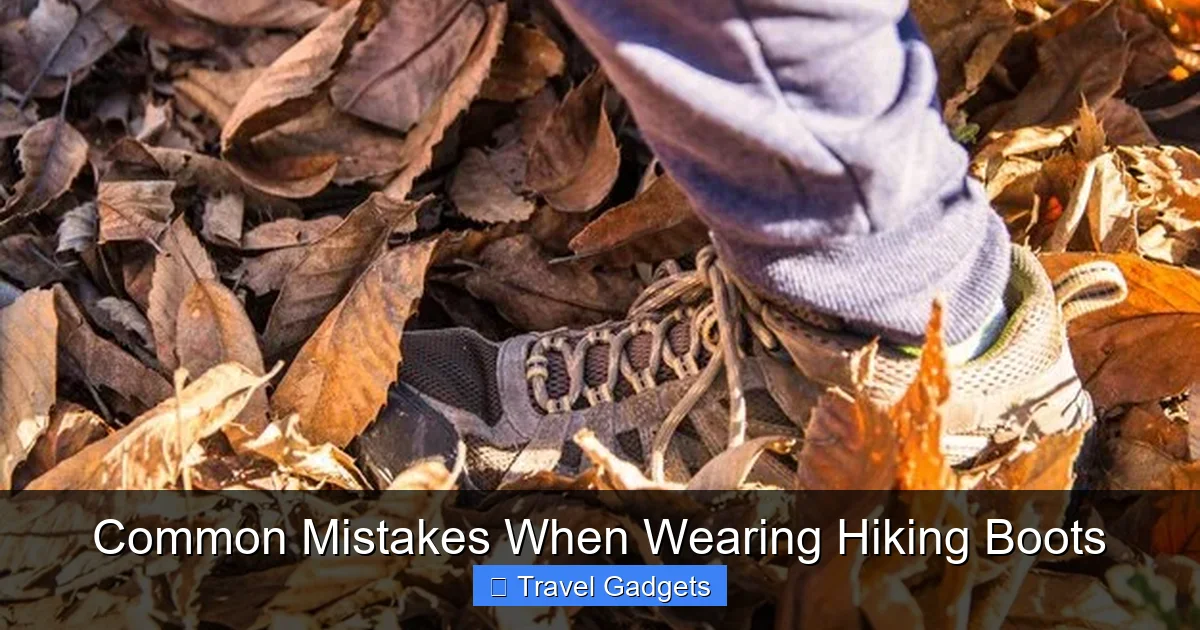
Your hiking boots should fit snugly but not tight. There should be enough room to wiggle your toes, and the heel should stay in place without slipping. Try on boots at the end of the day when your feet are most swollen for a realistic fit.
Practical Tip:
Always test new boots with the socks you plan to wear on hikes. Thicker socks may require a slightly larger size for comfort.
2. Forgetting to Break In New Boots
Step 1: Wear Them Around the House
Before hitting the trail, wear your new boots around the house or on short walks. This helps soften the leather and molds the fit to your feet.
Best Stay Deals Available
Compare prices across top booking platforms and find the best deal for your stay.
Check Available Rooms
Visual guide about Common Mistakes When Wearing Hiking Boots
Image source: c8.alamy.com
Step 2: Gradually Increase Usage
Start with short hikes and slowly increase duration and difficulty. This prevents blisters and discomfort during longer treks.
Practical Tip:
Use the same socks you’ll wear during hikes to simulate actual conditions.
3. Neglecting Proper Sock Selection
Step 1: Choose Moisture-Wicking Socks
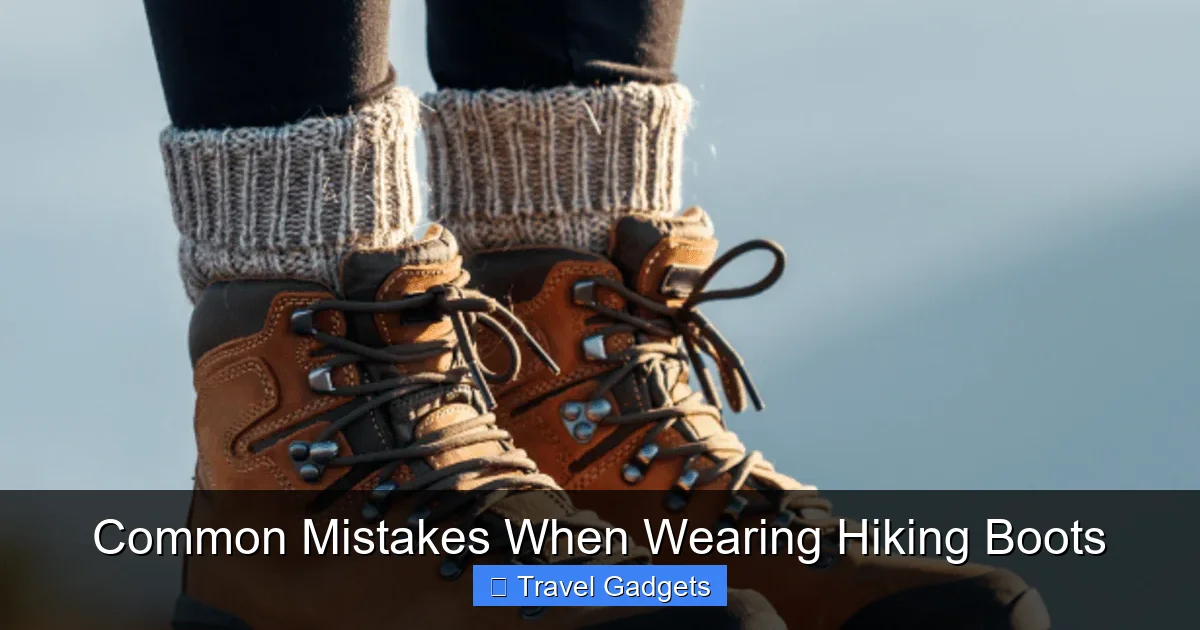
Wear socks made from wool, synthetic blends, or other moisture-wicking materials. Cotton socks retain moisture and cause blisters.
Visual guide about Common Mistakes When Wearing Hiking Boots
Image source: pikkori.com
Step 2: Consider Cushioned Socks
Cushioned socks provide extra padding in high-friction areas, reducing the risk of blisters and hot spots.
Practical Tip:
Bring an extra pair of socks in your pack for quick changes if your feet get wet or sore.
4. Improper Lacing Techniques
Step 1: Use Correct Lacing Patterns
Proper lacing supports your foot and prevents slipping inside the boot. Use techniques like the “heel lock” or “runner’s loop” for extra ankle support.
Step 2: Tighten Laces Evenly
Ensure laces are snug but not too tight. Focus on securing the ankle and midfoot while leaving the toe box slightly looser.
Practical Tip:
Check your laces before each hike and re-tie if needed to maintain support and comfort.
5. Using the Wrong Type of Hiking Boot for the Terrain
Step 1: Match Boots to Terrain
Choose lightweight hiking shoes for easy trails, mid-weight boots for moderate terrain, and stiff, high-ankle boots for rugged, technical trails.
Step 2: Consider Waterproof and Breathable Features
Depending on weather conditions, select boots with waterproofing or enhanced breathability to keep your feet dry and comfortable.
Practical Tip:
Research trail conditions beforehand to pick the right footwear, preventing fatigue and injuries.
6. Over-tightening or Under-tightening Laces
Step 1: Find the Balance
Over-tightening can restrict circulation and cause discomfort, while under-tightening leads to instability. Adjust laces so your foot feels supported yet free to move.
Step 2: Use Different Lacing Techniques
Experiment with lacing patterns to improve fit and support specific foot issues like high arches or narrow heels.
Practical Tip:
Stop during hikes to recheck and adjust laces if your feet feel numb or your heel slips.
7. Poor Maintenance and Care
Step 1: Clean Your Boots Regularly
Remove dirt and mud after each hike to prevent material deterioration. Use a soft brush and mild soap.
Step 2: Waterproof and Condition
Apply waterproofing treatments and leather conditioners regularly to maintain flexibility and water resistance.
Practical Tip:
Store boots in a cool, dry place away from direct sunlight to prolong their lifespan.
Conclusion
Wearing hiking boots correctly can make the difference between a great adventure and a painful experience. By avoiding common mistakes like poor fit, neglecting break-in, or improper lacing, you can enjoy comfortable, supported, and injury-free hikes. Remember, proper footwear management is an ongoing process—regular maintenance and mindful fitting are key. Follow these tips, and your hiking boots will serve you well for many adventures in 2026 and beyond.
Troubleshooting Common Issues
- Blisters despite proper fit? Try thicker socks, double-layer socks, or applying blister prevention tape on hotspots.
- Heel slipping inside the boot? Use heel grips or tighten laces in the ankle area to secure your heel.
- Boots feel stiff and uncomfortable? Break them in gradually and consider using a leather conditioner to soften the material.