
Properly maintaining your hiking boots is essential for comfort and durability on your outdoor adventures. This guide covers cleaning, waterproofing, repairs, and storage tips to keep your boots in top shape for years to come. Whether you’re a beginner or seasoned hiker, you’ll find practical advice to prolong the life of your boots.
Key Takeaways
- Regular cleaning: Clean your hiking boots after every hike to remove dirt, mud, and debris that can cause damage over time.
- Proper drying: Always dry your boots naturally, avoiding direct heat sources that can crack or weaken materials.
- Waterproofing: Reapply waterproofing treatments regularly to maintain water resistance and protect your feet from moisture.
- Inspect and repair: Check for tears, worn soles, or loose stitching, and repair promptly to prevent further damage.
- Storage tips: Store your boots in a cool, dry place, preferably with some form of ventilation to prevent mold and odors.
- Choosing the right products: Use quality cleaning supplies and waterproofing products designed for your specific boot material.
Quick Answers to Common Questions
Tip/Question?
How often should I clean my hiking boots?
After every hike or at least once a month if used frequently, to prevent buildup and damage.
Check the latest prices and available rooms before they sell out.
Tip/Question?
Can I dry my boots with direct heat?
No, always air dry your boots away from direct sunlight or heat sources to prevent cracking and warping.
Tip/Question?
What is the best waterproofing method?
Using a spray or wax designed for your boot material, applied evenly and allowed to cure fully.
Tip/Question?
How do I fix a torn seam?
Use a heavy-duty waterproof thread and sew carefully or seek professional repair for best results.
Tip/Question?
How can I prevent odors?
Regular cleaning, thorough drying, and using odor absorbers like baking soda inside your boots.
Introduction
Hiking boots are your trusted companions on outdoor adventures. They provide support, protection, and comfort on rough terrains. But like any gear, they need proper care to stay in good condition. In this guide, you’ll learn how to maintain hiking boots effectively. From cleaning and waterproofing to repairs and storage, we’ll cover everything you need to know to extend your boots’ lifespan and keep them performing at their best in 2026 and beyond.
Step 1: Regular Cleaning of Hiking Boots
Why Cleaning Matters
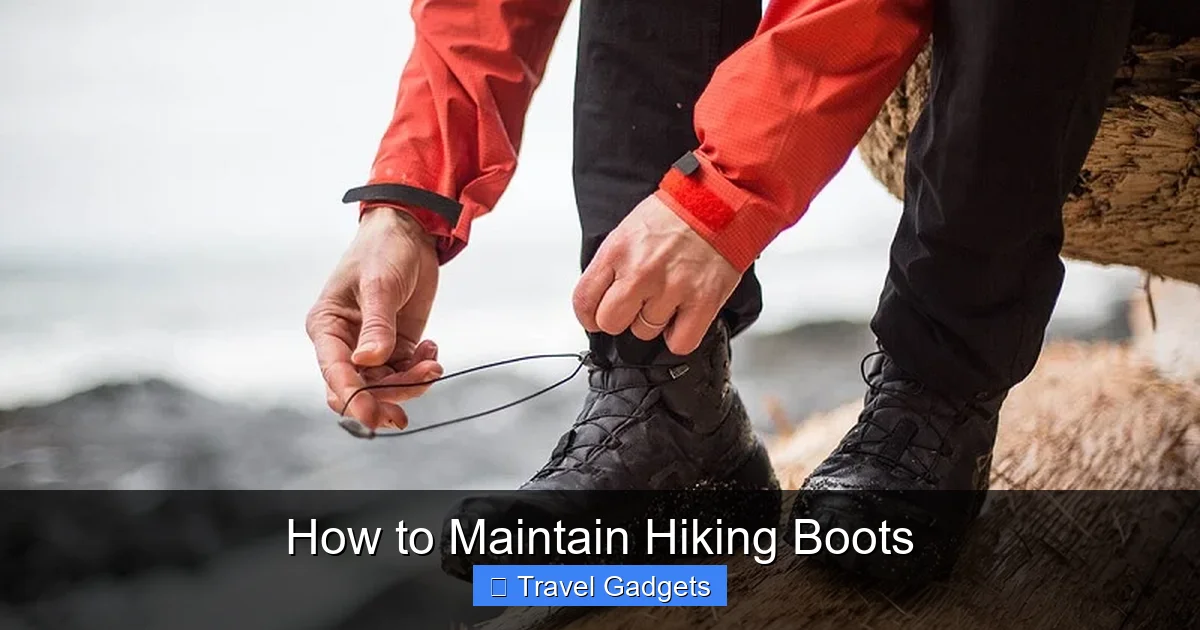
Dirty boots can deteriorate faster. Mud, dirt, and salt from sweat can cause materials to break down or develop odors. Regular cleaning helps preserve the boots’ integrity and keeps them comfortable.
Find the Best Accommodation Deals
Compare prices from multiple booking platforms and find the best option for your stay.
Compare Hotel PricesVisual guide about How to Maintain Hiking Boots
Image source: oladfashion.com
Find the Best Accommodation Deals
Compare prices from multiple booking platforms and discover the best stay options available.
⭐ Trusted by thousands of travelers
💰 Budget to luxury options available
How to Clean Your Hiking Boots
- Remove loose dirt: After each hike, tap your boots together or use a soft brush to remove loose dirt and mud.
- Prepare cleaning solution: Mix warm water with a small amount of mild soap or a specialized boot cleaner.
- Scrub gently: Use a soft-bristled brush or sponge to clean the surface. For stubborn dirt, let the boots soak briefly in water before scrubbing.
- Clean the soles: Use a stiff brush to scrub the soles, ensuring you remove any embedded debris.
- Rinse thoroughly: Wipe with a clean damp cloth to remove soap residue.
- Dry properly: Pat dry with a towel and let them air dry naturally, away from direct heat.
Step 2: Drying Your Hiking Boots Correctly
Why Proper Drying Matters
Drying your boots incorrectly can damage the materials, causing cracks or warping. Proper drying maintains flexibility and water resistance.
Visual guide about How to Maintain Hiking Boots
Best Stay Deals Available
Compare prices across top booking platforms and find the best deal for your stay.
Check Available RoomsImage source: oladfashion.com
Best Practices for Drying
- Remove insoles and laces: Dry these separately to ensure thorough drying.
- Air dry: Place your boots in a well-ventilated area, preferably indoors, away from direct sunlight or heat sources.
- Use absorbent materials: Stuff the boots with newspaper or paper towels to absorb moisture and help maintain shape.
- Avoid heat sources: Never dry with a heater, radiator, or direct sunlight, as this can cause cracking or warping.
Step 3: Waterproofing Your Hiking Boots
Why Waterproofing Is Essential
Keeping your boots waterproof ensures your feet stay dry and comfortable, especially in rainy or snowy conditions. Regular reapplication maintains water resistance over time.
Visual guide about How to Maintain Hiking Boots
Image source: i.pinimg.com
Applying Waterproofing Products
- Choose the right product: Use treatments suitable for your boot material—wax, spray, or cream for leather; specialized spray for synthetic materials.
- Clean first: Always clean your boots before waterproofing to ensure proper adhesion.
- Apply evenly: Follow product instructions, applying thin, even coats with a sponge, cloth, or spray bottle.
- Allow drying time: Let the waterproofing cure completely, usually 24 hours, before wearing the boots again.
Step 4: Repairing and Maintaining Your Hiking Boots
Why Repairs Are Important
Small issues like loose stitching or worn soles can worsen if not addressed. Timely repairs extend the life of your boots and prevent discomfort or injury.
Common Repairs You Can Do
- Stitching: Use a heavy-duty needle and waterproof thread to re-sew loose stitches.
- Worn soles: Consider resoling at a professional cobbler if soles are significantly worn.
- Cracks or tears: Apply a waterproof adhesive or patch to minor damages.
- Replacing laces and insoles: Regularly replace worn laces and insoles for optimal support and comfort.
Step 5: Proper Storage of Hiking Boots
Storage Tips to Keep Boots in Top Shape
- Dry before storage: Always ensure your boots are completely dry before storing.
- Store in a cool, dry place: Avoid damp areas that promote mold or odors.
- Use boot trees or stuff with paper: Maintain shape and absorb residual moisture.
- Keep away from direct sunlight: UV rays can weaken materials over time.
- Use odor absorbers: Place baking soda or charcoal inside to keep them fresh.
Practical Tips and Examples
For leather boots, applying a quality leather conditioner every few months helps maintain suppleness. For synthetic boots, a simple spray waterproofing treatment may suffice. If your boots develop odors, sprinkle baking soda inside and let it sit overnight before shaking out. Always test any new cleaning or waterproofing product on a small area first to avoid damage.
Troubleshooting Common Issues
- Boots smell bad: Clean thoroughly, dry properly, and use odor absorbers inside.
- Water no longer beads on surface: Reapply waterproofing treatment periodically, especially after cleaning.
- Cracks or tears appear: Seek professional repair or consider replacing if damage is severe.
- Odors persist after cleaning: Use specialized odor eliminators or deodorizing sprays designed for footwear.
Conclusion
Maintaining your hiking boots is straightforward once you understand the essential steps. Regular cleaning, proper drying, waterproofing, repairs, and smart storage will keep your boots comfortable, durable, and ready for any adventure. Invest a little time in care, and your boots will reward you with years of reliable performance on the trail. Remember, good maintenance not only extends the life of your gear but also enhances your outdoor experience. Happy hiking!