
New York City doesn’t have to break your budget. With the right strategies, you can enjoy incredible meals at a fraction of the cost. From food carts to ethnic enclaves, this guide reveals the best cheap eats and insider tips.
Key Takeaways
- Food carts and street vendors offer gourmet-quality meals for under $10—perfect for quick, tasty bites on the go.
- Ethnic neighborhoods like Chinatown, Jackson Heights, and Brighton Beach serve authentic, filling dishes at local prices.
- Lunch specials and happy hours at mid-range restaurants can cut dinner costs by 40% or more.
- Apps like Too Good To Go and Seated help you score discounted meals from top restaurants.
- Supermarkets and delis like Trader Joe’s, Zabar’s, and local bodegas offer fresh, ready-to-eat meals for under $12.
- BYOB policies at many ethnic eateries let you save big on drinks—just bring your own bottle.
- Timing matters: Eating before 6 PM or after 9 PM often unlocks better deals and fewer crowds.
Quick Answers to Common Questions
Tip/Question?
What’s the cheapest way to eat breakfast in NYC?
Check the latest prices and available rooms before they sell out.
Grab a $3–$5 bagel with cream cheese from a local deli or bakery. Ess-a-Bagel, Absolute Bagels, and Tompkins Square Bagels offer huge portions at low prices.
Tip/Question?
Are food trucks worth it?
Yes! Many NYC food trucks serve gourmet meals for under $12. Look for trucks like The Cinnamon Snail (vegan) or King Souvlaki (Greek) for high-quality, affordable eats.
Tip/Question?
Can I eat well in Manhattan on a budget?
Absolutely. Focus on lunch specials, food carts, and delis. Neighborhoods like the Lower East Side and East Village have great cheap eats hidden among the pricey spots.
Tip/Question?
How do I avoid tourist traps?
Look for places with lots of locals, no menus in multiple languages, and prices under $15 for a main dish. If it’s on a major tourist street, it’s likely overpriced.
Find the Best Accommodation Deals
Compare prices from multiple booking platforms and find the best option for your stay.
Compare Hotel PricesTip/Question?
Is it safe to eat street food in NYC?
Yes—NYC has strict health codes, and most street vendors are licensed and inspected. Look for carts with a visible permit and high customer turnover for fresh food.
Find the Best Accommodation Deals
Compare prices from multiple booking platforms and discover the best stay options available.
⭐ Trusted by thousands of travelers
💰 Budget to luxury options available
Introduction: Eat Well in NYC Without the High Price Tag
New York City is famous for its food—but also for its sky-high prices. A single meal at a trendy restaurant can easily cost $50 or more per person. But here’s the secret: you don’t need to spend a fortune to eat deliciously in the Big Apple. With a little know-how, you can enjoy everything from gourmet tacos to handmade dumplings for under $15.
This guide will show you exactly how to find affordable, high-quality food across the city. Whether you’re a local on a budget or a visitor wanting to stretch your dollars, these strategies will help you eat like a New Yorker—without the New Yorker price tag.
Step 1: Embrace the Power of Street Food
Best Stay Deals Available
Compare prices across top booking platforms and find the best deal for your stay.
Check Available RoomsVisual guide about New York City Expensive Food Alternatives
Image source: thebrokebackpacker.com
Street food in NYC isn’t just cheap—it’s often some of the best food in the city. From halal carts to dumpling stands, these mobile kitchens serve up flavorful, filling meals for under $10.
Find the Best Halal Carts
Look for the iconic yellow and green halal carts, especially in Midtown Manhattan. A classic chicken and rice platter with white sauce and hot sauce costs around $8 and can easily feed one person with leftovers. Try the carts near 53rd and 6th or 43rd and 8th for consistent quality.
Try Chinese Scallion Pancakes and Baozi
In Chinatown, vendors sell crispy scallion pancakes ($3) and steamed pork buns ($2 each) from small carts or storefronts. These are perfect for a quick, satisfying snack or light meal.
Don’t Skip the Hot Dog Stands
Nathan’s and Gray’s Papaya may be famous, but local carts often serve just as good—if not better—hot dogs for $3–$5. Add a drink and chips, and you’ve got a full meal under $8.
Step 2: Explore Ethnic Neighborhoods for Authentic Bargains

Visual guide about New York City Expensive Food Alternatives
Image source: thebrokebackpacker.com
Some of the best food deals in NYC are tucked away in cultural enclaves where locals eat. These neighborhoods offer authentic cuisine at prices that reflect real life, not tourist traps.
Chinatown: Dumplings, Noodles, and More
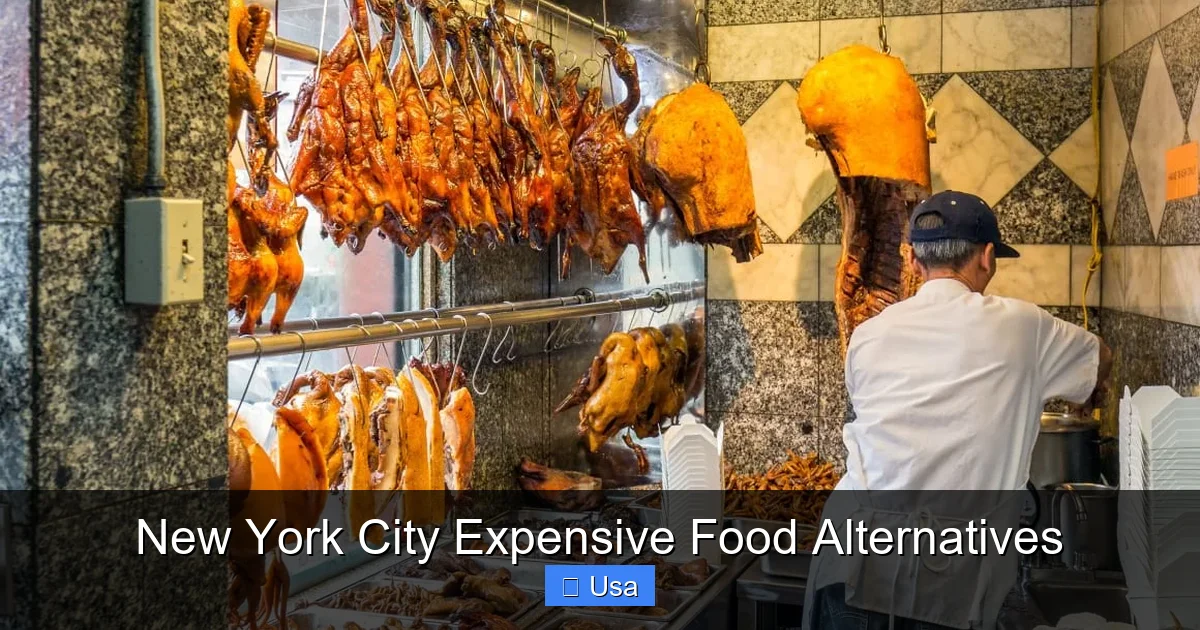
Head to Doyers Street or the area around Mott Street for handmade dumplings, hand-pulled noodles, and roast duck. Try Joe’s Shanghai for soup dumplings ($8 for six) or Wo Hop for a full meal under $12.
Jackson Heights: A Global Food Paradise
This Queens neighborhood is a melting pot of South Asian, Latin American, and Middle Eastern flavors. At Adda Indian Restaurant, a thali (platter with multiple dishes) costs $12 and includes rice, bread, curries, and dessert. For under $10, you can get a massive plate of momos (Tibetan dumplings) at a Nepali spot.
Brighton Beach: Russian and Eastern European Eats
Known as “Little Odessa,” this Brooklyn neighborhood offers hearty meals at low prices. Try a plate of borscht, pierogi, and a side of sour cream for under $10 at places like Tashkent Deli.
Step 3: Take Advantage of Lunch Specials and Happy Hours
Visual guide about New York City Expensive Food Alternatives
Image source: thebrokebackpacker.com
Many upscale restaurants offer steep discounts during off-peak hours. A $40 dinner entrée might cost just $18 at lunch—or even less during happy hour.
Look for Prix-Fixe Lunch Menus
Restaurants like The Smith, Jacob’s Pickles, and Artichoke Basille’s Pizza offer lunch specials with appetizer, entrée, and drink for $15–$20. These are often the same dishes served at dinner—just at a lower price.
Happy Hour Isn’t Just for Drinks
Bars and restaurants often discount food during happy hour (usually 4–7 PM). At places like The Spaniard or The Dead Rabbit, you can get sliders, tacos, or small plates for $6–$10. Pair with a $5 beer, and you’ve got a full meal under $15.
Check for “Early Bird” Deals
Some restaurants offer discounts for dining before 6 PM. Ask when you make a reservation or check the menu online. These deals can save you 20–30% on your total bill.
Step 4: Use Apps and Deals to Save Big
Technology makes it easier than ever to find cheap eats. Several apps and websites help you score discounted meals from top restaurants.
Too Good To Go: Rescue Surplus Food
This app connects you with restaurants, bakeries, and grocery stores selling surplus food at a discount. You might get a $25 meal for $7. Popular spots include Levain Bakery, Shake Shack, and local delis.
Seated: Earn Cash Back for Dining
Book a reservation through Seated and earn 5–20% cash back at hundreds of NYC restaurants. It’s free to use, and you still get the full menu—just with money back in your pocket.
Groupon and Yelp Deals
While not always the most reliable, these platforms occasionally offer deep discounts at reputable spots. Look for deals at places you already want to try, and read the fine print to avoid hidden fees.
Step 5: Shop Smart at Supermarkets and Delis
You don’t need a restaurant to eat well. NYC’s supermarkets and delis offer fresh, ready-to-eat meals that are both affordable and delicious.
Trader Joe’s: Gourmet on a Budget
With locations in Brooklyn, Queens, and Manhattan, Trader Joe’s sells pre-made salads, sandwiches, sushi, and frozen meals for $5–$10. Their $4.99 “Everything but the Bagel” seasoned smoked salmon is a fan favorite.
Zabar’s and Fairway: Deli Classics
These iconic markets offer fresh bagels, lox, sandwiches, and prepared foods. A bagel with cream cheese and lox at Zabar’s costs around $10—less than half the price of a sit-down brunch.
Local Bodegas: Hidden Gems
Corner stores often have surprisingly good sandwiches, soups, and hot food bars. Look for places with high turnover—fresh ingredients mean better taste. A $6 rotisserie chicken from a bodega can feed two people.
Step 6: BYOB to Save on Drinks
Drinks can double your meal cost. But many ethnic restaurants—especially in Queens, Brooklyn, and the Bronx—allow you to bring your own bottle.
Check the Policy First
Call ahead or check online. Many Indian, Chinese, and Middle Eastern restaurants are BYOB. Just bring a bottle of wine or sake, and you’ll save $10–$20 on drinks.
Pair with Affordable Food
At a BYOB spot like Sichuan Gourmet in Flushing, you can enjoy spicy mapo tofu and dan dan noodles for under $15 total—including your own drink.
Step 7: Time Your Meals Right
When you eat can be just as important as where. Avoiding peak hours means better prices, shorter lines, and more relaxed dining.
Eat Early or Late
Dinner before 6 PM or after 9 PM often means lower prices and fewer crowds. Some restaurants offer “early bird” menus, and late-night spots like Xi’an Famous Foods serve incredible noodles for $10.
Skip Weekend Brunch
Brunch in NYC is notoriously expensive. Instead, grab a $4 bagel from Ess-a-Bagel or a $6 breakfast sandwich from a deli. Save the fancy brunch for special occasions.
Troubleshooting Common Issues
Even with the best plans, you might run into problems. Here’s how to handle them.
“The Place Was Closed When I Got There”
Many small eateries have irregular hours. Check Google Maps for real-time updates or call ahead. Have a backup spot in mind.
“The Food Wasn’t What I Expected”
Authentic ethnic food can be different from what you’re used to. If you’re unsure, ask for recommendations or start with a small portion.
“I Still Spent Too Much”
Track your spending with a budgeting app. Set a daily food limit (e.g., $25) and stick to it. Use cash to avoid overspending.
Conclusion: Eat Great, Spend Less in NYC
New York City doesn’t have to be a wallet-draining experience. By choosing street food, exploring ethnic neighborhoods, using deals, and shopping smart, you can enjoy incredible meals without breaking the bank. The key is to think like a local—eat where locals eat, time your meals wisely, and always look for value.
With these strategies, you’ll not only save money but also discover flavors and cultures you might have missed at high-end restaurants. So next time you’re craving a great meal in NYC, remember: delicious doesn’t have to mean expensive.