
New York City is generally safe for residents and visitors, but staying alert and informed is key. This guide covers essential safety tips for navigating the city, from subway safety to avoiding scams and handling emergencies.
Key Takeaways
- Stay aware of your surroundings: Avoid distractions like headphones or phones in unfamiliar areas, especially at night.
- Use trusted transportation: Stick to licensed taxis, ride-shares, or the subway during peak hours for safer travel.
- Secure your belongings: Keep wallets, phones, and bags close in crowded spots like Times Square or tourist attractions.
- Know emergency resources: Save local emergency numbers and locate nearby police precincts or hospitals.
- Avoid risky areas at night: Research neighborhoods before visiting and avoid poorly lit or deserted streets.
- Be cautious with strangers: Politely decline unsolicited help or offers, especially from aggressive panhandlers or scammers.
- Trust your instincts: If something feels off, leave the situation immediately and seek help if needed.
Quick Answers to Common Questions
Should I avoid the subway at night?
Not necessarily—many people use the subway safely at night. Just ride in the middle cars, stay alert, and avoid empty trains.
Check the latest prices and available rooms before they sell out.
Is it safe to walk alone in Central Park?
Central Park is generally safe during the day, but avoid isolated areas and walking alone after dark. Stick to well-lit paths and main entrances.
How can I tell if a taxi is legitimate?
Look for a yellow medallion on the roof, a license number on the door, and a meter inside. Avoid unmarked cars offering rides.
What’s the best way to carry my phone safely?
Use a secure pocket or a lanyard, and avoid using it while walking in crowded areas. Consider a phone leash for extra security.
Are tourist areas more dangerous?
They’re not more dangerous, but they attract more thieves and scammers. Stay extra vigilant in places like Times Square or Penn Station.
Introduction: Staying Safe in the City That Never Sleeps
New York City is one of the most exciting and vibrant places in the world. With its iconic skyline, world-class museums, and endless entertainment, it’s no wonder millions of people visit and live here every year. But like any major city, NYC has its share of safety concerns. From petty theft to subway incidents, knowing how to stay safe can make your experience more enjoyable and stress-free.
In this guide, you’ll learn practical, real-world strategies to protect yourself in New York City. Whether you’re a first-time visitor or a long-time resident, these tips will help you navigate the city confidently. We’ll cover everything from subway safety to avoiding scams, staying safe at night, and what to do in an emergency. Let’s get started.
Understanding Common Safety Concerns in NYC
Before diving into safety tips, it’s important to understand the most common risks in New York City. While violent crime has dropped significantly over the past few decades, certain issues still affect both locals and tourists.
Find the Best Accommodation Deals
Compare prices from multiple booking platforms and find the best option for your stay.
Compare Hotel Prices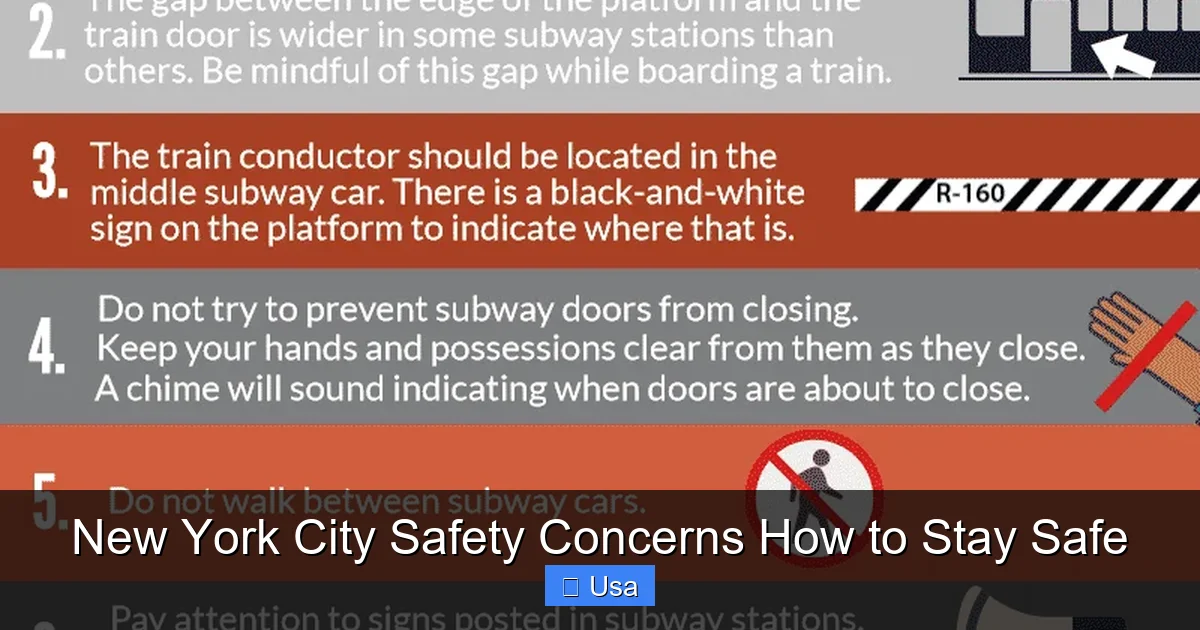
Visual guide about New York City Safety Concerns How to Stay Safe
Find the Best Accommodation Deals
Compare prices from multiple booking platforms and discover the best stay options available.
⭐ Trusted by thousands of travelers
💰 Budget to luxury options available
Image source: injurylawyer.com
- Theft and pickpocketing: Crowded areas like subway stations, tourist hotspots, and festivals are prime targets for thieves.
- Subway safety: While the subway is generally safe during the day, late-night rides can pose risks, especially in less busy cars.
- Scams and aggressive panhandling: Tourists are often targeted by scammers offering fake tours, petitions, or “free” gifts.
- Nighttime safety: Some neighborhoods become less safe after dark, particularly in areas with limited foot traffic.
- Emergency preparedness: Knowing how to respond during a medical emergency, fire, or other crisis is crucial.
By recognizing these risks, you can take proactive steps to avoid them.
How to Stay Safe on Public Transportation
The New York City subway and bus system is the backbone of the city’s transit network. Millions of people use it daily, and it’s generally safe—especially during daylight hours. However, a few smart habits can keep you even safer.
Best Stay Deals Available
Compare prices across top booking platforms and find the best deal for your stay.
Check Available Rooms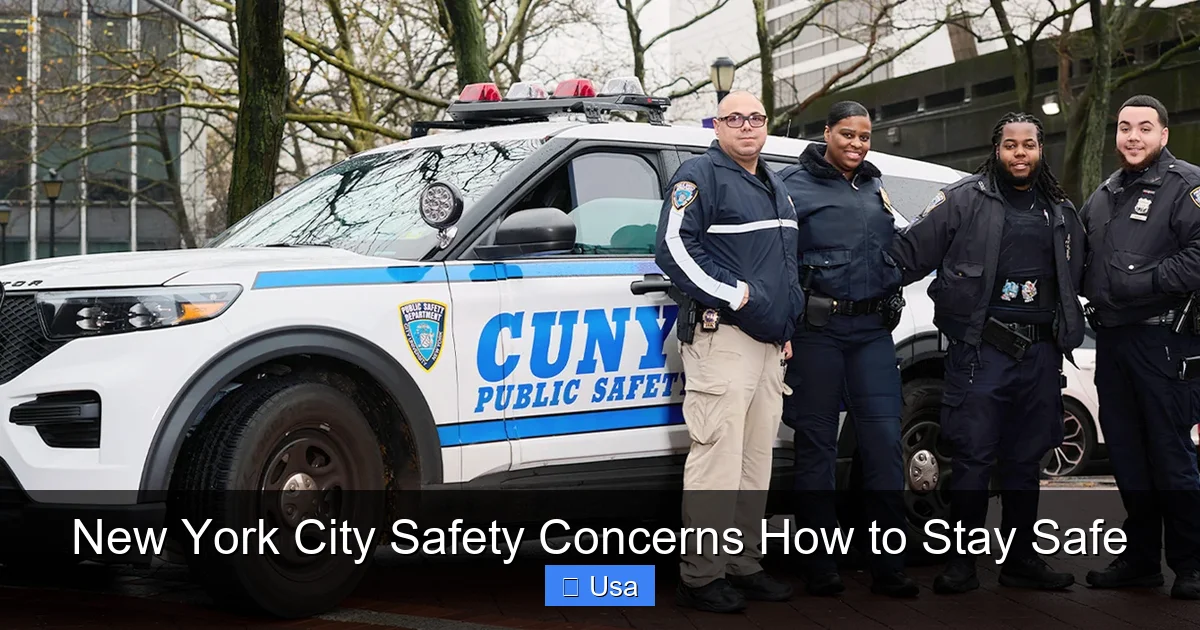
Visual guide about New York City Safety Concerns How to Stay Safe
Image source: cuny.edu
Choose Well-Lit and Busy Stations
Stick to major subway stations like Times Square, Union Square, or Grand Central, especially if you’re unfamiliar with the area. These stations are well-lit, have security cameras, and are frequently patrolled by police or transit officers.
Ride in the Middle Cars at Night
If you’re taking the subway after 9 PM, board a car in the middle of the train. These cars are typically closer to the conductor’s cabin and are more likely to have other passengers. Avoid empty or nearly empty cars.
Keep Your Belongings Secure
Use a crossbody bag with a zipper and keep it in front of you. Avoid placing your phone or wallet in back pockets. If you’re carrying a backpack, wear it on your front in crowded trains.
Avoid Distractions
Don’t wear headphones at high volume or stare at your phone the entire ride. Stay aware of who’s around you and exit promptly when your stop approaches.
Know Your Route in Advance
Use apps like Google Maps or the MTA app to plan your trip before you leave. This reduces the chance of getting lost or standing confused on the platform.
Staying Safe in Crowded Areas and Tourist Hotspots
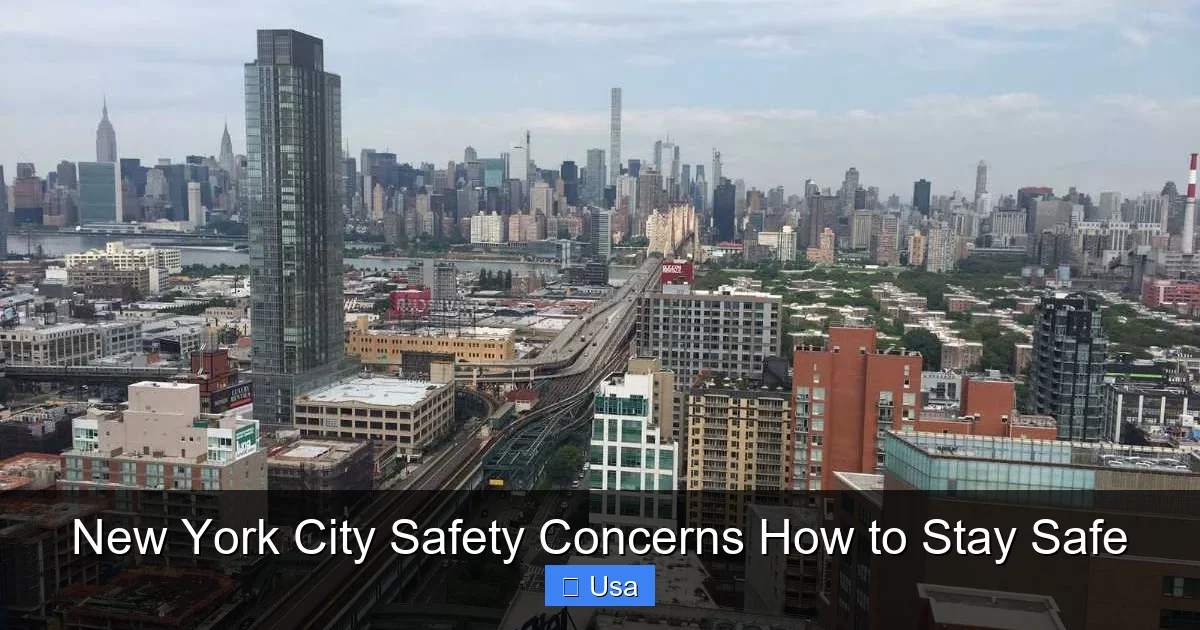
Places like Times Square, Central Park, and the High Line attract huge crowds—and with them, opportunistic thieves and scammers.
Visual guide about New York City Safety Concerns How to Stay Safe
Image source: holidify.com
Be Wary of Scams
Common scams include people asking you to sign a petition (then demanding money), selling fake MetroCards, or offering “free” bracelets or roses. Politely say “no” and walk away. Don’t engage.
Watch for Pickpockets
Thieves often work in teams—one distracts you while another grabs your bag or phone. Keep your valuables secure and avoid placing bags on the ground or over chairs.
Use Designated Photo Spots
In places like Times Square, costumed characters may pose for photos and then demand payment. Only take pictures if you’re willing to tip, and agree on the amount first.
Stay in Well-Lit, Populated Areas
Even in busy tourist zones, some side streets or alleys can be risky. Stick to main sidewalks and avoid shortcuts through dark or deserted areas.
Nighttime Safety Tips for NYC
New York City is lively at night, but safety precautions become even more important after dark.
Travel in Groups When Possible
There’s safety in numbers. If you’re out late, try to walk with friends or colleagues. Avoid walking alone, especially in unfamiliar neighborhoods.
Use Rideshares or Taxis
Apps like Uber, Lyft, or traditional yellow cabs are safer than walking long distances at night. Always check the license plate and driver ID before getting in.
Avoid Risky Neighborhoods
Some areas, like parts of the South Bronx or East New York, are best avoided at night unless you’re familiar with them. Use common sense and research neighborhoods before visiting.
Stay on Main Roads
Even in safer areas, stick to well-lit, busy streets. Avoid shortcuts through parks or alleys, especially after midnight.
Protecting Your Personal Belongings
Petty theft is one of the most common safety concerns in NYC. A few simple habits can drastically reduce your risk.
Use Anti-Theft Bags
Consider a bag with slash-proof material, lockable zippers, and RFID-blocking pockets. These deter thieves and protect your credit cards from digital scanning.
Carry Minimal Cash
Use credit or debit cards when possible. If you carry cash, keep it in a front pocket or hidden wallet—not in a back pocket or easily accessible bag.
Don’t Flash Valuables
Avoid using your phone in crowded areas or leaving it on tables in cafes. Keep jewelry and expensive watches discreet.
Use Hotel Safes
If you’re staying in a hotel, store passports, extra cash, and electronics in the room safe when not in use.
What to Do in an Emergency
No one plans for emergencies, but knowing how to respond can save lives.
Call 911 for Immediate Help
For police, fire, or medical emergencies, dial 911. Stay calm and provide your location, the nature of the emergency, and any relevant details.
Know Your Location
Always be aware of your surroundings. Note nearby landmarks, street names, or subway stations so you can describe your location if needed.
Locate Nearest Help Points
Many subway stations and public buildings have emergency call boxes or intercoms. Use them if you feel threatened or need assistance.
Save Important Numbers
Keep emergency contacts in your phone, including your country’s embassy if you’re visiting from abroad. Also save the number for the NYPD non-emergency line: 646-610-5000.
Troubleshooting Common Safety Issues
Even with precautions, you might run into problems. Here’s how to handle them.
What to Do If You’re Followed
If you feel someone is following you, cross the street, change direction, or enter a store or subway station. Don’t go home directly. Call 911 if you feel threatened.
Handling Aggressive Panhandlers
Most panhandlers are harmless, but some can be pushy. Avoid eye contact, keep walking, and don’t engage. If they become aggressive, move to a crowded area and seek help.
Lost or Stolen Items
If your wallet or phone is stolen, cancel your cards immediately and report the theft to the police. File a report online at NYPD’s website.
Medical Emergency
If you or someone near you has a medical issue, call 911. Many public places, including subway stations, have AEDs (automated external defibrillators) and first aid kits.
Conclusion: Confidence Comes from Preparation
New York City is a safe place for millions of people every day. While no city is without risk, being informed and prepared can help you avoid most dangers. By staying aware, using trusted transportation, securing your belongings, and knowing what to do in an emergency, you can enjoy everything NYC has to offer with peace of mind.
Remember, the best safety tool is your instincts. If something feels wrong, trust it. Stay alert, stay smart, and enjoy your time in the city that never sleeps.