
The New York City subway rush hour problem causes overcrowding, delays, and frustration for millions of commuters daily. This guide offers practical, step-by-step solutions to help you avoid peak crowds, choose smarter routes, and travel more efficiently during busy times.
Key Takeaways
- Know peak hours: Rush hour in NYC typically runs from 7–10 AM and 5–8 PM on weekdays, with the heaviest congestion between 8–9 AM and 6–7 PM.
- Use real-time apps: Apps like MYmta, Citymapper, and Google Maps provide live train updates, helping you avoid delays and crowded platforms.
- Shift your schedule: Traveling 15–30 minutes earlier or later can drastically reduce crowding and improve your commute experience.
- Choose alternate routes: Less popular lines like the M, R, or Z trains often have more space during peak times compared to the 4, 5, 6, or L.
- Stand on the right: Follow platform etiquette—stand to the right on stairs and escalators, and let passengers exit before boarding.
- Carry essentials: A portable charger, water, and noise-canceling headphones can make crowded rides more bearable.
- Plan for disruptions: Always have a backup route in mind in case of service changes or emergencies.
Quick Answers to Common Questions
Should I always avoid the most popular subway lines?
Not always—but during rush hour, less crowded alternatives like the M, R, or Z can save you time and stress. Try them once to compare.
Check the latest prices and available rooms before they sell out.
Is it worth paying for a ride-share during rush hour?
Only for urgent trips. Ride-shares are expensive and often slower due to traffic. Use them sparingly.
Can I really make a difference by shifting my schedule by 15 minutes?
Yes! Even a small change can mean boarding a half-empty train instead of a packed one.
What’s the best app for real-time subway updates?
MYmta is the most reliable since it’s official, but Citymapper offers better route comparisons.
How can I stay safe in crowded trains?
Stay aware of your surroundings, keep valuables secure, and avoid confrontations. Stand near doors if you’re uncomfortable.
Understanding the New York City Subway Rush Hour Problem
Every weekday, over 5 million people ride the New York City subway system. During rush hour—typically between 7–10 AM and 5–8 PM—this number surges, leading to packed platforms, delayed trains, and stressful commutes. The New York City subway rush hour problem isn’t just about overcrowding; it’s also about inefficient flow, signal delays, and limited train capacity on key lines like the 4, 5, 6, and L.
But you don’t have to suffer through it. With the right strategies, you can navigate the chaos like a pro. This guide will walk you through practical steps to minimize stress, save time, and make your daily commute smoother—even during the busiest times.
Step 1: Know When Rush Hour Hits
Find the Best Accommodation Deals
Compare prices from multiple booking platforms and find the best option for your stay.
Compare Hotel PricesVisual guide about New York City Subway Rush Hour Problem
Image source: thumbs.dreamstime.com
Find the Best Accommodation Deals
Compare prices from multiple booking platforms and discover the best stay options available.
⭐ Trusted by thousands of travelers
💰 Budget to luxury options available
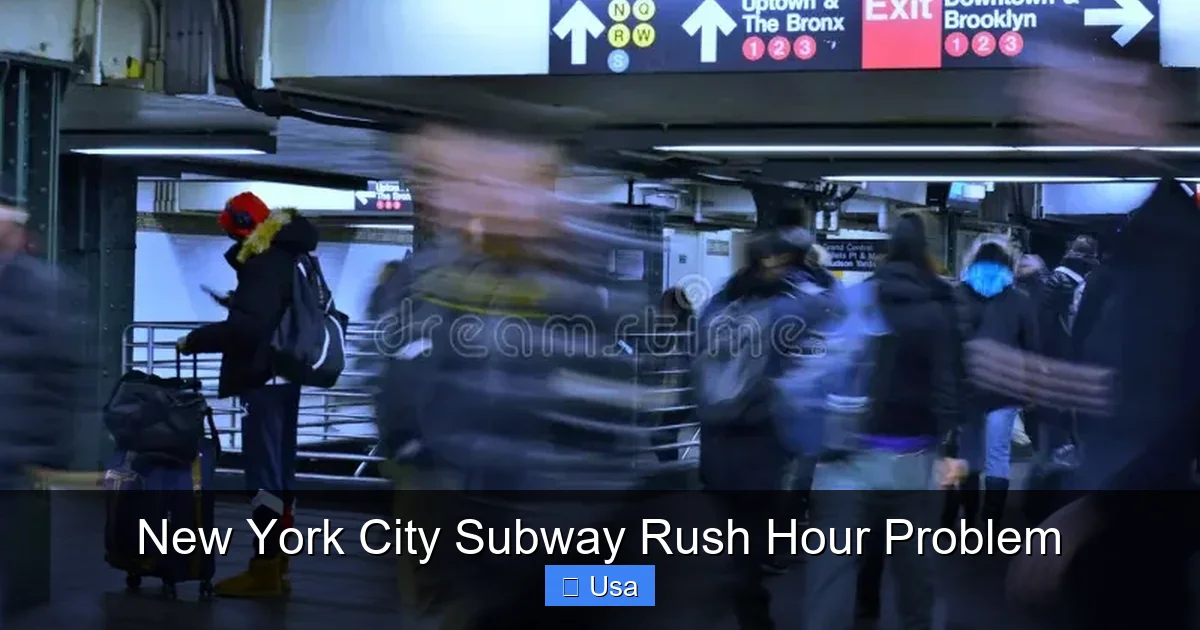
The first step to beating the rush is understanding when it happens.
Peak Times by Line and Direction
Rush hour varies slightly by neighborhood and subway line, but general patterns hold:
– Morning rush: 7:30–9:30 AM, especially on lines heading into Manhattan (e.g., 4, 5, 6 from the Bronx; E, F from Queens).
– Evening rush: 5:00–7:30 PM, with crowds heading out of Manhattan (e.g., N, Q, R from Midtown; L from Williamsburg).
– Weekend surges: While less intense, weekends see spikes around 11 AM–2 PM near tourist areas like Times Square or Brooklyn Bridge.
Use Historical Data
Websites like MTA.info and apps such as MYmta show historical on-time performance. Check these to identify which trains are most reliable during your commute window.
Best Stay Deals Available
Compare prices across top booking platforms and find the best deal for your stay.
Check Available RoomsStep 2: Shift Your Schedule (Even Slightly)
Visual guide about New York City Subway Rush Hour Problem
Image source: thumbs.dreamstime.com
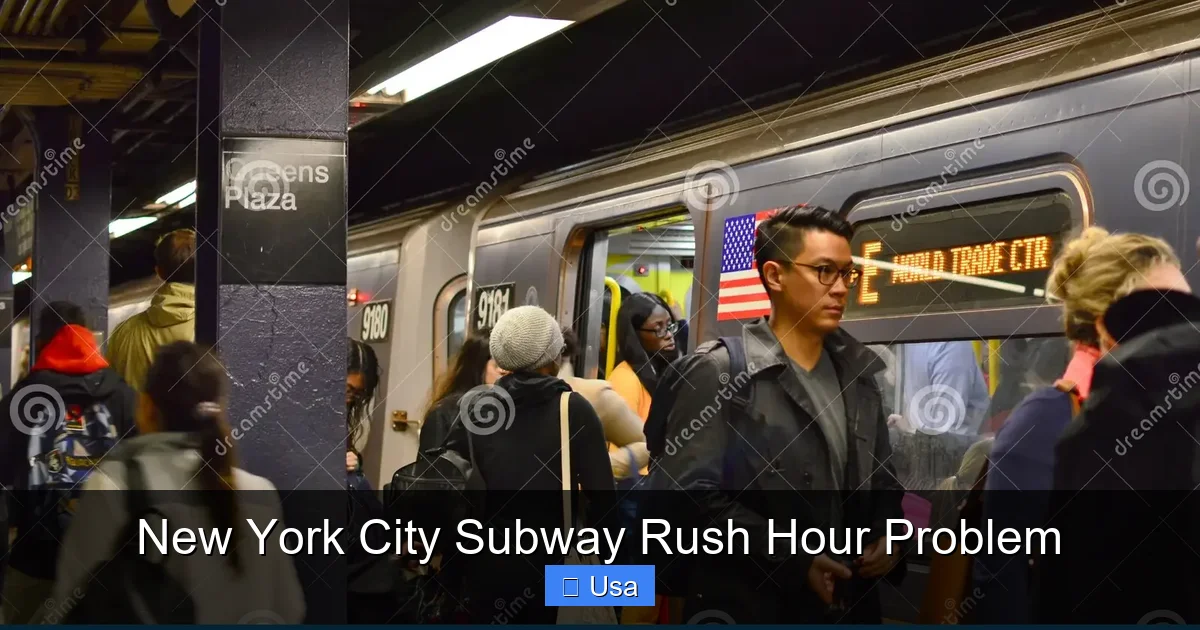
One of the easiest ways to avoid the worst of rush hour is to adjust your travel time—even by 15 minutes.
Travel Earlier or Later
– Leaving at 7:15 AM instead of 8:00 AM can mean the difference between a packed train and one with empty seats.
– Similarly, staying late at work or running an errand after 7:30 PM can help you avoid the 6:00 PM crush.
Talk to Your Employer
If possible, ask about flexible hours or remote work options. Even one or two remote days per week can significantly reduce your exposure to rush hour stress.
Step 3: Use Real-Time Transit Apps
Visual guide about New York City Subway Rush Hour Problem
Image source: c8.alamy.com
Gone are the days of guessing when the next train will arrive. Modern apps give you live updates to make smarter decisions.
Top Apps to Use
– MYmta: Official MTA app with real-time arrivals, service alerts, and elevator status.
– Citymapper: Offers route comparisons, walking directions, and even bike or scooter options.
– Google Maps: Reliable for transit times and alternative routes, including buses and walking.
Set Alerts
Enable push notifications for your usual lines. If a delay occurs, you’ll know instantly and can switch plans.
Step 4: Choose Less Crowded Routes
Not all subway lines are created equal during rush hour. Some are consistently more packed than others.
Avoid the Usual Suspects
Lines like the 4, 5, 6 (Lexington Avenue Line) and the L (14th Street-Canarsie Line) are notorious for overcrowding. If possible, consider alternatives:
– Take the M instead of the E from Queens to Midtown.
– Use the R or N in Brooklyn instead of the L during peak times.
– The Z train, though limited, can be a fast, less crowded option during rush hour express runs.
Walk a Few Blocks
Sometimes, walking 5–10 minutes to a different station can save you 20 minutes waiting on a packed platform. For example, instead of boarding the 6 at 125th Street, walk to 116th Street-Columbia University for a slightly less crowded train.
Step 5: Master Platform Etiquette
How you behave on the platform can impact your commute—and others’.
Let People Exit First
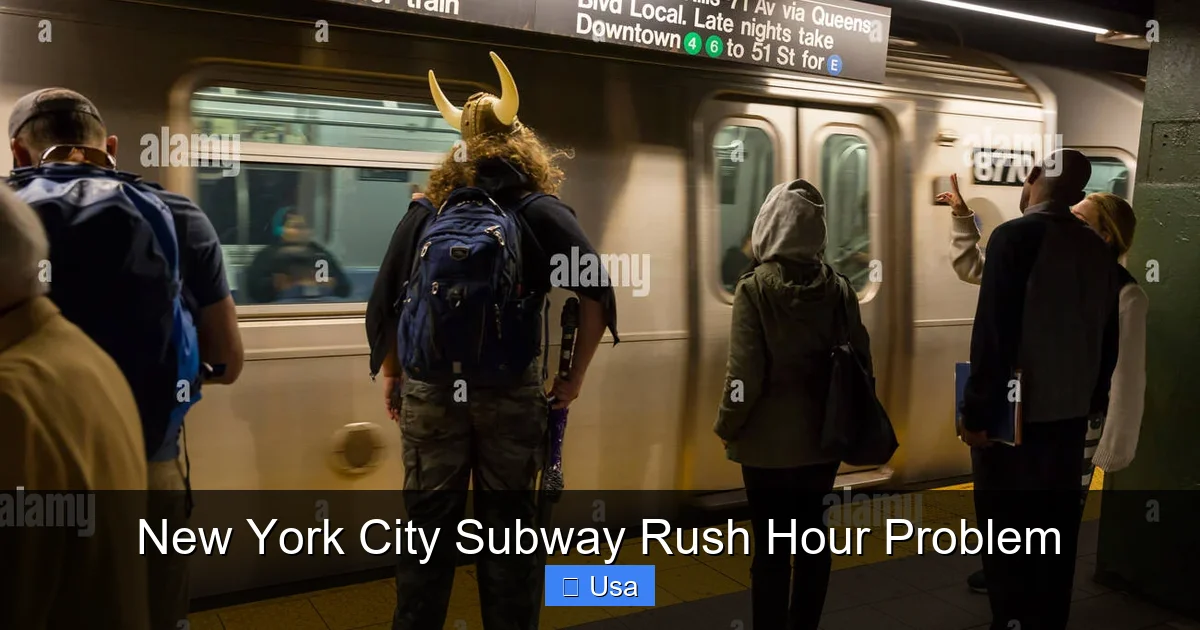
Always stand aside to let passengers off the train before boarding. This reduces delays and prevents bottlenecks.
Stand on the Right
On stairs and escalators, stand on the right and walk on the left. This keeps traffic flowing and avoids frustration.
Move Down the Platform
Train doors near the center of the platform are usually the most crowded. Walk toward the ends—especially the front or back of the train—for a better chance at seating or boarding space.
Step 6: Prepare for the Ride
A little preparation goes a long way in making a crowded commute more tolerable.
Pack Smart
– Bring a portable charger—your phone will drain faster with navigation apps running.
– Carry a water bottle to stay hydrated, especially in summer.
– Use noise-canceling headphones to block out noise and listen to music, podcasts, or audiobooks.
Wear Comfortable Shoes
You may end up walking more than expected—whether to a different station or because you missed your train. Comfortable footwear is a must.
Step 7: Have a Backup Plan
Delays and service changes are common. Always have a Plan B.
Know Alternate Routes
Before you leave home, identify at least one alternative route. For example:
– If the 6 train is delayed, can you take the 4 or 5?
– If the L is suspended, can you take the G to Court Square and transfer to the 7?
Use Buses or Ride-Shares Sparingly
Buses can be slower due to traffic, but they’re often less crowded. Ride-shares like Uber or Lyft are expensive during rush hour but may be worth it for critical trips.
Troubleshooting Common Issues
Even with the best planning, problems arise. Here’s how to handle them.
What If Your Train Is Canceled?
Check the MTA app or digital boards for reroute options. Look for shuttle buses or nearby subway lines. If you’re near a commuter rail station (like Metro-North or LIRR), consider taking that instead.
What If the Platform Is Too Crowded?
Wait for the next train—even if it means a 10-minute delay. Pushing onto an overcrowded car can lead to safety issues and longer wait times at the next stop.
What If You’re Late for Work?
Communicate early. Send a quick message to your boss or team. Most employers understand NYC transit challenges. Over time, building in a buffer (e.g., leaving 20 minutes earlier) can prevent this.
Conclusion
The New York City subway rush hour problem is real—but it doesn’t have to ruin your day. By understanding peak times, using real-time apps, adjusting your schedule, and choosing smarter routes, you can turn a stressful commute into a manageable—even peaceful—part of your routine. Preparation, patience, and a few strategic tweaks go a long way. With these tips, you’ll not only survive rush hour—you’ll master it.