
New York City is an amazing destination, but tourists are often targeted by scams. This guide reveals the most common NYC tourist scams and gives you practical tips to avoid them, so you can enjoy your trip safely and confidently.
Key Takeaways
- Know the common scams: Be aware of fake tour guides, overpriced cabs, and street scams like the “found ring” trick to avoid falling victim.
- Use official transportation: Stick to yellow cabs, ride-share apps, or the subway to avoid inflated fares and unlicensed drivers.
- Verify tour guides: Only book tours through licensed operators or trusted platforms like the NYC Tourism Board or official websites.
- Stay alert in crowded areas: Pickpockets thrive in Times Square, subways, and tourist hotspots—keep your belongings secure.
- Don’t engage with aggressive panhandlers or performers: Some street performers demand payment after photos; politely decline and walk away.
- Check restaurant and bar bills: Hidden fees or switched menus can inflate costs—always review your bill before paying.
- Trust your instincts: If something feels off, walk away. Your safety and wallet are more important than being polite.
Quick Answers to Common Questions
Should I tip street performers in NYC?
Yes, but only if you enjoy the performance and choose to. Tip $1–$5 in their hat or bucket. Don’t feel pressured to pay more.
Check the latest prices and available rooms before they sell out.
Check AvailabilityIs it safe to take a yellow cab from the airport?
Yes, official yellow cabs are safe and regulated. Use the taxi stands at JFK, LaGuardia, or Newark airports and avoid unmarked cars.
How can I tell if a tour guide is licensed?
Licensed NYC tour guides carry a blue badge from the Department of Consumer and Worker Protection. Ask to see it before booking.
What should I do if a restaurant charges me more than the menu price?
Politely ask to see the correct menu. If they refuse or pressure you, pay with a card and dispute the charge later. You can also report them to the NYC Department of Consumer and Worker Protection.
Are subway scams common in NYC?
Pickpocketing and distraction scams do happen on the subway. Keep your bag closed, avoid loud arguments, and stay aware of your surroundings.
Introduction: Stay Safe and Smart in the Big Apple
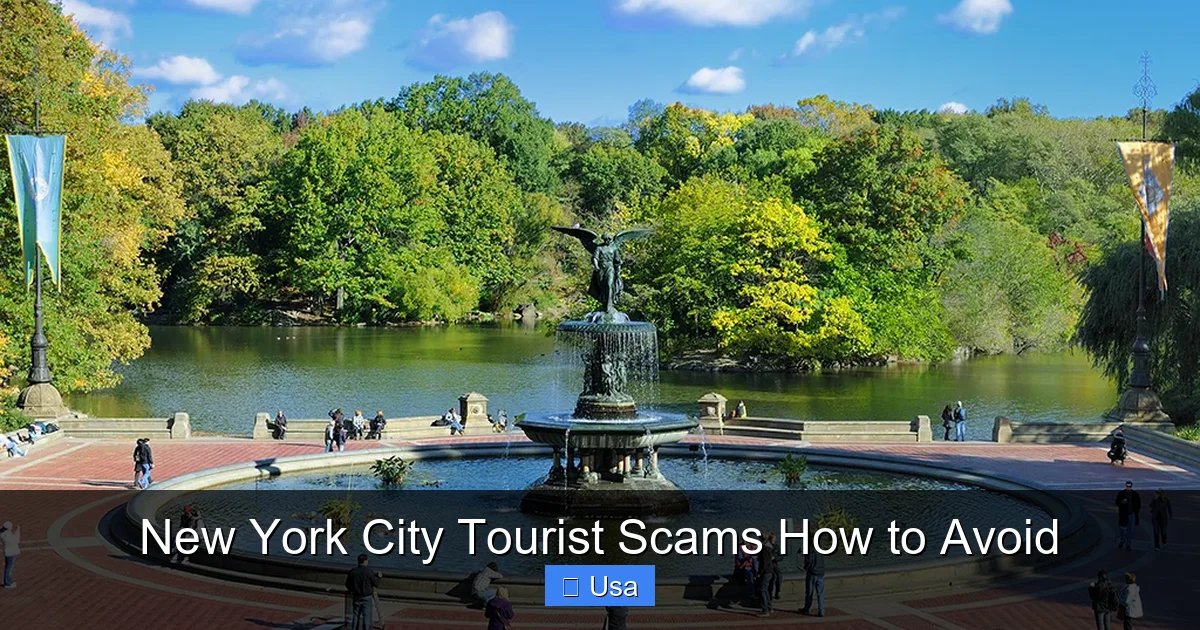
New York City is one of the most exciting places to visit in the world. From the bright lights of Times Square to the quiet beauty of Central Park, there’s something for everyone. But with millions of tourists flocking to the city each year, scammers see an opportunity. They target visitors who are unfamiliar with local customs, prices, and transportation. The good news? Most NYC tourist scams are avoidable if you know what to look for.
In this guide, you’ll learn how to spot and avoid the most common scams in New York City. We’ll walk you through real-life examples, give you step-by-step tips, and help you travel with confidence. Whether you’re here for a weekend or a week, staying scam-aware means more fun and less stress.
Step 1: Avoid Fake Tour Guides and Unlicensed Operators
One of the most common scams in NYC involves fake tour guides. These individuals approach tourists in popular areas like Times Square, Central Park, or near major landmarks, offering “exclusive” or “discounted” tours.
Find the Best Accommodation Deals
Compare prices from multiple booking platforms and find the best option for your stay.
Compare Hotel Prices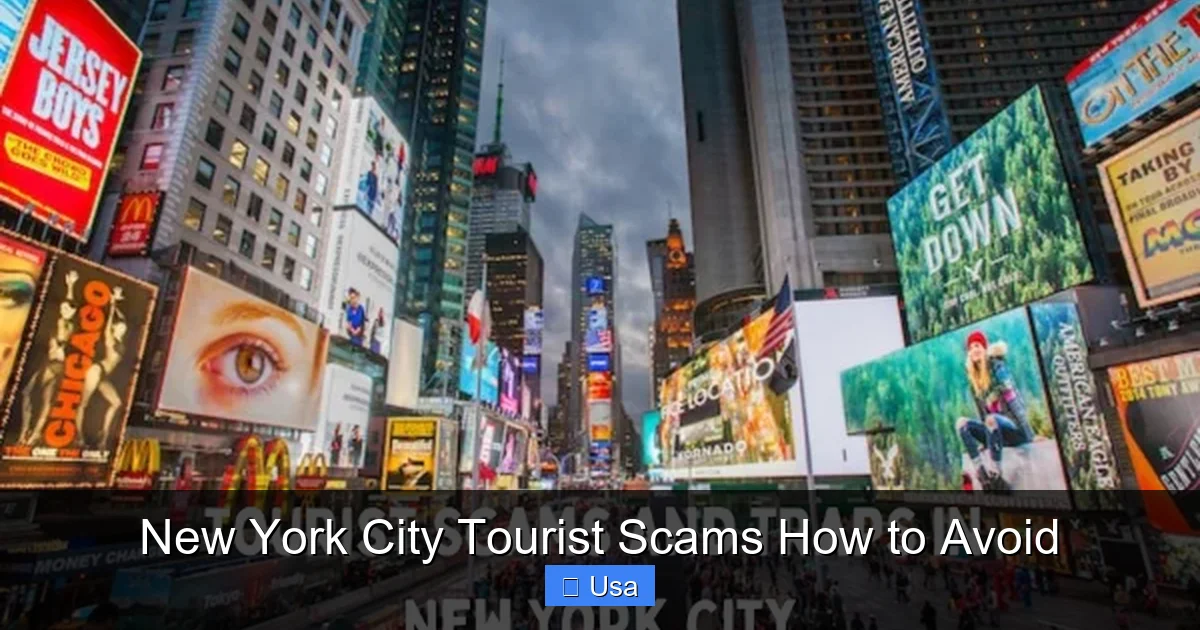
Visual guide about New York City Tourist Scams How to Avoid
Find the Best Accommodation Deals
Compare prices from multiple booking platforms and discover the best stay options available.
⭐ Trusted by thousands of travelers
💰 Budget to luxury options available
Image source: luggagereview.co.uk
How the Scam Works
The scammer might claim to be a licensed guide offering a special deal—say, a $20 walking tour of Central Park. They may even show fake credentials or wear a badge. Once you pay, the tour is rushed, incomplete, or never happens at all. In some cases, they demand more money mid-tour.
How to Avoid It
- Book through official sources: Use trusted platforms like the official NYC Tourism website, Viator, or GetYourGuide.
- Check for licenses: Licensed NYC tour guides carry a blue badge issued by the Department of Consumer and Worker Protection. Ask to see it.
- Avoid street pitches: If someone approaches you out of the blue with a tour offer, it’s likely a scam. Legitimate guides don’t solicit on the street.
- Read reviews: Before booking, check online reviews on Google or TripAdvisor. If a tour has no reviews or only fake-sounding ones, skip it.
Step 2: Use Safe and Licensed Transportation
Transportation scams are rampant, especially at airports and busy tourist zones. Unlicensed cabs, overcharging, and fake ride-share drivers are real risks.
Best Stay Deals Available
Compare prices across top booking platforms and find the best deal for your stay.
Check Available Rooms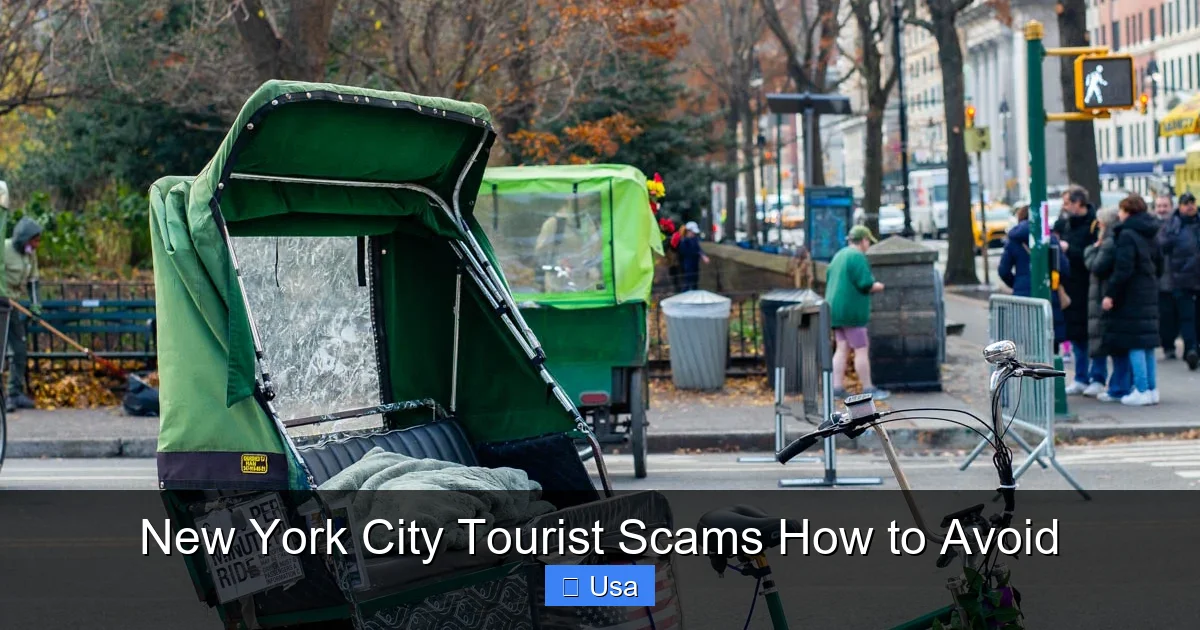
Visual guide about New York City Tourist Scams How to Avoid
Image source: newyorksimply.com
Airport Transfer Scams
At JFK, LaGuardia, or Newark airports, you might be approached by someone offering a “cheap ride” into the city. These drivers often use unmarked cars and charge triple the normal fare.
How to Stay Safe
- Use yellow cabs: Official NYC yellow cabs are metered and regulated. They’re available at designated taxi stands at airports.
- Choose ride-share apps: Uber, Lyft, and Juno are safe and transparent. Always check the driver’s name, car model, and license plate before getting in.
- Avoid unmarked cars: Never get into a car that isn’t clearly marked or doesn’t match the app details.
- Know the approximate fare: Use the NYC Taxi & Limousine Commission fare calculator to estimate costs.
Step 3: Beware of Street Scams and Distractions
Street scams in NYC are clever and often involve distraction. Scammers work in teams to confuse you while stealing your wallet or tricking you into paying for something.
Visual guide about New York City Tourist Scams How to Avoid
Image source: media.timeout.com
The “Found Ring” Scam
A person drops a ring or bracelet near you and says, “This is real gold—want to buy it cheap?” When you hesitate, they pressure you or claim it’s cursed unless you take it. The item is fake, and you’ve just lost money.
The Petition or Survey Scam
Someone asks you to sign a petition or take a quick survey. While you’re distracted, an accomplice picks your pocket. Or, after signing, they demand a “donation” to support the cause.
How to Protect Yourself
- Don’t engage: Politely say “no thank you” and keep walking.
- Keep your bag closed and in front: Use crossbody bags with zippers and keep them in sight.
- Stay aware of your surroundings: Avoid staring at your phone in crowded areas.
- Report suspicious behavior: If you see someone acting suspiciously, notify security or police.
Step 4: Avoid Overpriced Restaurants and Bars
Dining in NYC can be expensive, but some places take advantage of tourists with hidden fees, switched menus, or surprise charges.
The “Menu Switch” Scam
You’re shown a menu with reasonable prices. After ordering, you’re given a different bill with much higher charges. Sometimes, the waiter claims the first menu was “out of date.”
Hidden Fees and Cover Charges
Some bars and clubs advertise “no cover” but charge a mandatory fee at the door. Others add service charges or “tourist taxes” not listed upfront.
How to Avoid Restaurant Scams
- Check menus online: Look up the restaurant on Google or Yelp before going. Compare prices.
- Ask for the menu before sitting: Don’t be afraid to walk away if prices seem off.
- Review your bill carefully: Look for extra charges, duplicate items, or inflated prices.
- Use cash or a card with fraud protection: This makes it easier to dispute unauthorized charges.
Step 5: Handle Street Performers and Panhandlers Wisely
Street performers are a fun part of NYC culture, but some use aggressive tactics to get money.
The “Photo Demand” Scam
A performer dances or plays music near you. You take a photo or video, and suddenly they demand $20 for “copyright” or “performance rights.” If you refuse, they may follow or threaten you.
Aggressive Panhandling
Some individuals block sidewalks or follow tourists, demanding money with emotional stories. While some are genuinely in need, others are part of organized scams.
How to Respond
- Don’t take photos of performers without asking: If you do, be prepared to tip—but only if you want to.
- Say “no” firmly and walk away: Don’t feel guilty. You’re not obligated to pay.
- Tip fairly, not under pressure: If you enjoy a performance, tip $1–$5 in the hat—don’t let them dictate the amount.
- Support local charities instead: If you want to help, donate to a verified homeless shelter or food bank.
Troubleshooting: What to Do If You’re Scammed
Even with precautions, scams can happen. Here’s what to do if you fall victim:
Report the Incident
- Contact the police: File a report with the NYPD, especially if money was stolen or you were threatened.
- Notify your bank or credit card company: If you used a card, report unauthorized charges immediately.
- Report to the NYC Tourism Board: They track scam trends and can warn other tourists.
Document Everything
Take photos of the person, location, and any receipts. Note the time, date, and what happened. This helps with investigations and insurance claims.
Stay Calm and Seek Help
If you’re upset or feel unsafe, go to a police station, hotel, or crowded public area. Don’t confront the scammer—your safety comes first.
Conclusion: Enjoy NYC with Confidence
New York City is a vibrant, welcoming place, but like any major city, it has its share of scams. The key to avoiding them is awareness and preparation. By knowing the common tricks—fake tours, overpriced cabs, street distractions, and restaurant scams—you can protect yourself and your wallet.
Remember: if something seems too good to be true, it probably is. Trust your instincts, stay alert, and use official services. With these tips, you’ll be able to explore the Big Apple safely, save money, and focus on what really matters—making unforgettable memories.