
New York City is one of the busiest travel hubs in the world, and delays are common. This guide helps you prepare for transportation hiccups, from subway outages to flight cancellations, so you can navigate the city with confidence.
Key Takeaways
- Expect delays daily: NYC’s transit systems face frequent disruptions due to weather, construction, and high demand.
- Use real-time apps: Tools like MYmta, Google Maps, and FlightAware help you track delays and adjust plans instantly.
- Have backup routes: Always know alternative subway lines, bus routes, or walking paths to your destination.
- Arrive early for flights: Allow extra time at JFK, LaGuardia, or Newark due to traffic, security, and terminal congestion.
- Pack essentials in carry-ons: Include snacks, chargers, and a change of clothes in case of long delays or cancellations.
- Stay informed: Sign up for alerts from MTA, airlines, and city emergency services to get updates fast.
- Stay calm and flexible: A positive mindset and backup plan turn travel stress into a smoother experience.
Quick Answers to Common Questions
Should I avoid traveling during rush hour?
Yes, if possible. Rush hour (7–10 a.m. and 4–7 p.m.) doubles travel times. Plan trips for mid-morning or early afternoon to avoid the worst congestion.
Check the latest prices and available rooms before they sell out.
What’s the best app for NYC transit?
Google Maps is user-friendly and integrates subway, bus, bike, and walking routes. MYmta is great for official MTA alerts and service changes.
How early should I arrive at NYC airports?
Arrive 2 hours before domestic flights and 3 hours before international flights. Add extra time if traveling during holidays or bad weather.
Can I walk instead of taking the subway?
Absolutely! In Manhattan, many attractions are within a 20-minute walk. Walking avoids delays and lets you see the city up close.
What should I do if my flight is canceled?
Contact the airline immediately. Ask about rebooking, refunds, or hotel vouchers. Stay calm and flexible—delays happen, but solutions exist.
Introduction: Why NYC Travel Delays Happen—and How to Handle Them
New York City is a global hub of energy, culture, and movement. Millions of people rely on its transit systems every day—subways, buses, taxis, and airports—to get around. But with that volume comes unavoidable delays. Whether you’re a first-time visitor or a seasoned commuter, knowing what to expect can save you time, stress, and frustration.
This guide will walk you through the most common causes of travel delays in NYC, how to prepare for them, and what to do when they happen. You’ll learn how to use real-time tools, plan backup routes, and stay informed so you can keep moving—even when the city throws a curveball.
Understanding Common Causes of NYC Travel Delays
Find the Best Accommodation Deals
Compare prices from multiple booking platforms and find the best option for your stay.
Compare Hotel PricesVisual guide about New York City Travel Delays What to Expect
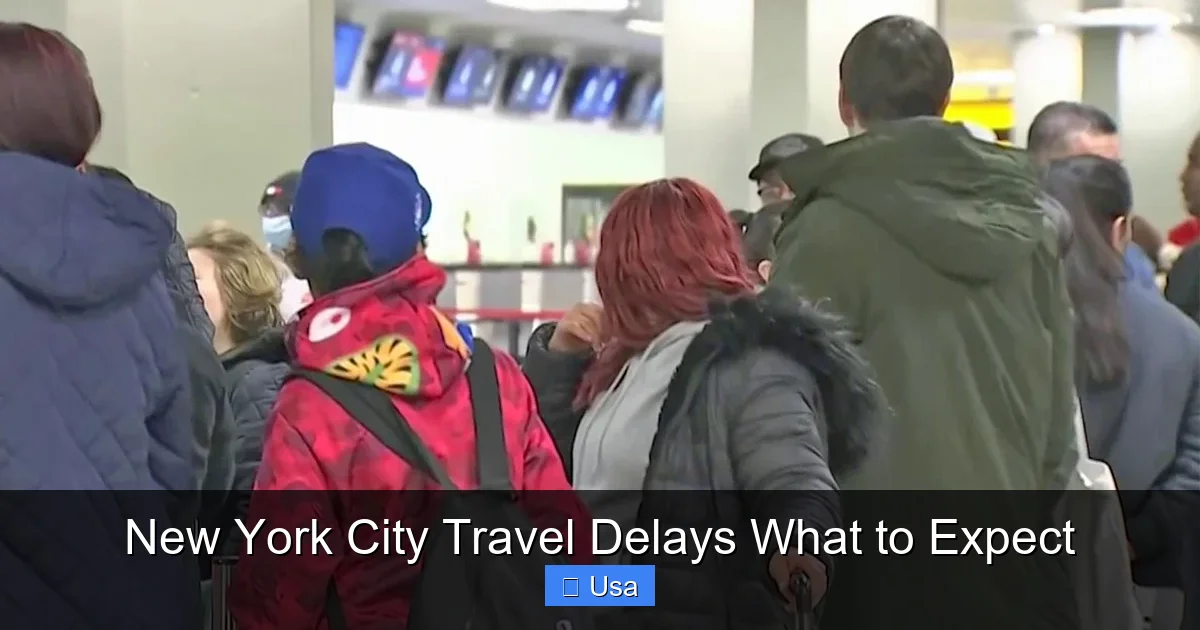
Image source: media.nbcnewyork.com
Find the Best Accommodation Deals
Compare prices from multiple booking platforms and discover the best stay options available.
⭐ Trusted by thousands of travelers
💰 Budget to luxury options available
Before you can avoid delays, it helps to know why they happen. NYC’s infrastructure is aging, and its systems are under constant strain. Here are the top reasons delays occur:
1. Subway and Rail Disruptions
The MTA operates one of the oldest subway systems in the world. Signal problems, track maintenance, and overcrowding lead to frequent delays. Weekend service changes are especially common, with entire lines rerouted or shut down for repairs.
2. Traffic and Road Closures
NYC streets are packed with cars, delivery trucks, bikes, and pedestrians. Major events like parades, protests, or marathons can shut down entire avenues. Rush hour (7–10 a.m. and 4–7 p.m.) doubles travel time on bridges and tunnels.
Best Stay Deals Available
Compare prices across top booking platforms and find the best deal for your stay.
Check Available Rooms3. Airport Congestion
JFK, LaGuardia, and Newark airports are among the busiest in the U.S. Delays happen due to weather, air traffic control issues, or long security lines. Ground transportation to and from airports can also be slow, especially during peak times.
4. Weather Events
Snowstorms, heavy rain, or extreme heat can shut down subways, delay flights, and slow traffic. Winter storms often cause school and business closures, increasing transit use and delays.
5. Special Events and Construction
From New Year’s Eve in Times Square to street fairs and utility work, NYC is always changing. Construction zones and event setups frequently block lanes and sidewalks.
How to Prepare for Delays Before You Travel

Visual guide about New York City Travel Delays What to Expect
Image source: c8.alamy.com
The best way to handle delays is to expect them. A little preparation goes a long way.
1. Check Real-Time Transit Apps
Download apps like MYmta (official MTA app), Google Maps, or Citymapper. These show live subway and bus times, service alerts, and alternative routes. For example, if the 6 train is delayed, Google Maps might suggest taking the 4 or 5 train instead.
2. Sign Up for Alerts
Subscribe to MTA email or text alerts for your常用 lines. Airlines also offer flight status notifications via app or SMS. Enable emergency alerts on your phone for city-wide disruptions.
3. Plan Multiple Routes
Never rely on just one way to get somewhere. If you’re heading to Midtown, know that you can reach it via the 4/5/6, N/Q/R/W, or S trains, plus multiple bus lines. Walking or biking may be faster during gridlock.
4. Allow Extra Time
Add 20–30 minutes to your estimated travel time, especially for flights or important meetings. If you’re flying out of LaGuardia, aim to arrive 2 hours early for domestic flights and 3 for international.
5. Pack Smart
Keep a small bag with essentials: portable charger, snacks, water, a light jacket, and any medications. If your flight is delayed overnight, you’ll be glad you have a change of clothes and toiletries in your carry-on.
What to Do When You’re Stuck in a Delay
Visual guide about New York City Travel Delays What to Expect
Image source: c8.alamy.com
Even with the best planning, delays happen. Here’s how to respond calmly and effectively.
1. Stay Calm and Assess the Situation
Take a deep breath. Check your app for updates. Is the delay expected to last 10 minutes or 2 hours? Knowing the severity helps you decide your next move.
2. Use Alternative Transportation
If the subway is down, consider:
- Citi Bike: Affordable bike-share with stations across Manhattan and Brooklyn.
- Rideshares: Uber or Lyft, but expect surge pricing during peak delays.
- Walking: In Manhattan, many destinations are just 15–20 minutes away on foot.
- Buses: Slower but often less affected by subway issues.
3. Contact Airlines or Hotels
If your flight is delayed or canceled, call the airline immediately. Many offer free rebooking or vouchers for meals and hotels. If you’re stuck overnight, ask your hotel about late check-in policies.
4. Find a Place to Wait Comfortably
Airport delays? Head to a quiet lounge or café. Subway platform too crowded? Wait in a nearby Starbucks or public library branch. Many NYC libraries have free Wi-Fi and seating.
Troubleshooting Common NYC Travel Problems
Here’s how to solve frequent issues:
Missed Connection Due to Subway Delay?
Check if another line can get you closer. Use Google Maps to find the fastest reroute. If you’re heading to the airport, consider a taxi or rideshare if time is critical.
Flight Delayed Overnight?
Ask the airline about hotel vouchers. If none are offered, look for budget hotels near the airport. Many have shuttles and 24-hour check-in.
Stuck in Traffic Heading to the Airport?
Call the airline to inform them. If you’re more than 30 minutes away, they may rebook you on a later flight. Use Waze or Google Maps to find alternate routes.
Lost or Confused in the Subway?
Look for station maps and digital signs. Ask station agents for help—they’re there to assist. Download offline maps in case your phone loses signal underground.
Tips for Stress-Free NYC Travel
A few habits can make a big difference:
- Travel light: Less luggage means easier movement through crowds.
- Wear comfortable shoes: You’ll walk more than you think.
- Keep cash and cards handy: Some buses and kiosks don’t accept mobile payments.
- Be patient and polite: New Yorkers move fast, but kindness goes a long way.
Conclusion: Stay Smart, Stay Flexible
Travel delays in New York City are inevitable—but they don’t have to ruin your trip. By understanding the causes, preparing in advance, and knowing how to adapt, you can navigate the city with confidence. Use real-time tools, have backup plans, and keep a positive attitude. Remember: the city that never sleeps also never stops moving. With the right mindset and preparation, you’ll stay on track—no matter what.