
Traveling to New York City can be overwhelming, but with the right strategies, you can reduce stress and enjoy every moment. This guide offers simple, actionable steps to help you navigate the city like a local, avoid common pitfalls, and make your trip smooth and memorable.
Key Takeaways
- Plan ahead: Research neighborhoods, attractions, and transit options before you go to avoid last-minute confusion.
- Use public transit wisely: The subway is fast and affordable—download the MTA app and avoid rush hours when possible.
- Pack light: You’ll walk a lot—bring only essentials and wear comfortable shoes.
- Take breaks: Schedule downtime in parks or quiet cafes to recharge between sightseeing.
- Stay flexible: Delays happen—build buffer time into your itinerary to reduce frustration.
- Use technology: GPS, translation apps, and digital tickets save time and reduce stress.
- Stay safe and aware: Keep belongings secure and stay alert in crowded areas.
Quick Answers to Common Questions
Should I rent a car in NYC?
No—renting a car is expensive, parking is hard to find, and traffic is heavy. Use the subway, buses, or rideshares instead.
Check the latest prices and available rooms before they sell out.
What’s the best time of year to visit NYC?
Spring (April–June) and fall (September–October) offer pleasant weather and fewer crowds. Avoid major holidays if you want a quieter trip.
How much should I budget for food?
Street food and delis cost $5–$10 per meal. Mid-range restaurants run $15–$30. Fine dining can be $50+. Plan accordingly.
Is tipping expected in NYC?
Yes—tip 15–20% at restaurants, $1–$2 per drink at bars, and a few dollars for hotel housekeeping or taxi rides.
Can I walk everywhere in NYC?
You can walk many places, but distances add up fast. Use the subway for longer trips and save your energy for exploring.
How to Reduce New York City Travel Stress: A Complete Guide
New York City is one of the most exciting destinations in the world—but it’s also fast-paced, crowded, and sometimes overwhelming. Between subway delays, long lines, and sensory overload, it’s easy to feel stressed. The good news? With a little preparation and smart strategies, you can enjoy everything NYC has to offer without the burnout.
This guide will walk you through practical, step-by-step tips to reduce travel stress in New York City. Whether you’re visiting for the first time or returning for another adventure, these methods will help you stay calm, confident, and in control.
1. Plan Ahead to Avoid Last-Minute Panic
Find the Best Accommodation Deals
Compare prices from multiple booking platforms and find the best option for your stay.
Compare Hotel PricesVisual guide about New York City Travel Stress How to Reduce
Image source: posterhouse.org
Find the Best Accommodation Deals
Compare prices from multiple booking platforms and discover the best stay options available.
⭐ Trusted by thousands of travelers
💰 Budget to luxury options available
One of the biggest sources of travel stress is uncertainty. When you don’t know where to go, how to get there, or what to expect, anxiety builds fast. Planning ahead gives you confidence and saves time.
Research Your Itinerary
Start by listing the top attractions you want to visit—like the Statue of Liberty, Central Park, or the Metropolitan Museum of Art. Then, group them by neighborhood. For example, visit Times Square, Broadway, and Hell’s Kitchen on the same day to minimize travel.
Check Opening Hours and Ticket Requirements
Many popular spots require advance reservations. The 9/11 Memorial, Top of the Rock, and the Museum of Modern Art often sell out. Book tickets online before you arrive to skip the lines.
Best Stay Deals Available
Compare prices across top booking platforms and find the best deal for your stay.
Check Available RoomsDownload Essential Apps
Install apps like Google Maps, Citymapper, and the official MTA app. These help you navigate subways, buses, and walking routes in real time. Google Translate can also help if you’re not fluent in English.
2. Master the Subway System
Visual guide about New York City Travel Stress How to Reduce
Image source: re-fabbed.com
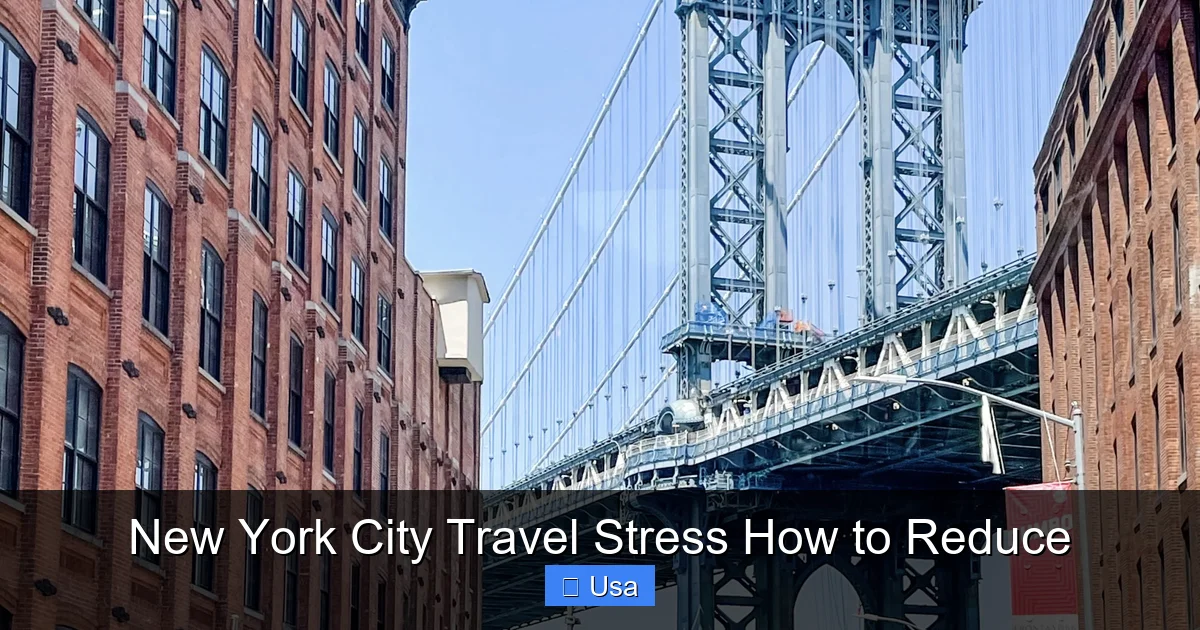
The NYC subway is the fastest way to get around—but it can be confusing for newcomers. Once you learn the basics, you’ll save time and avoid taxi surcharges.
Get a MetroCard or Use OMNY
You can pay for rides with a MetroCard or tap your credit card or phone using OMNY (One Metro New York). OMNY is easier and doesn’t require buying a physical card.
Understand the Map
Subway lines are color-coded and numbered or lettered. Trains going “uptown” head north, while “downtown” trains go south. Use the MTA website or app to plan your route.
Avoid Rush Hours
Try not to travel between 7–9 a.m. and 5–7 p.m. on weekdays. Trains are packed, and delays are common. If you must travel then, stand near the doors to exit quickly.
3. Pack Smart and Travel Light
Visual guide about New York City Travel Stress How to Reduce
Image source: i.pinimg.com
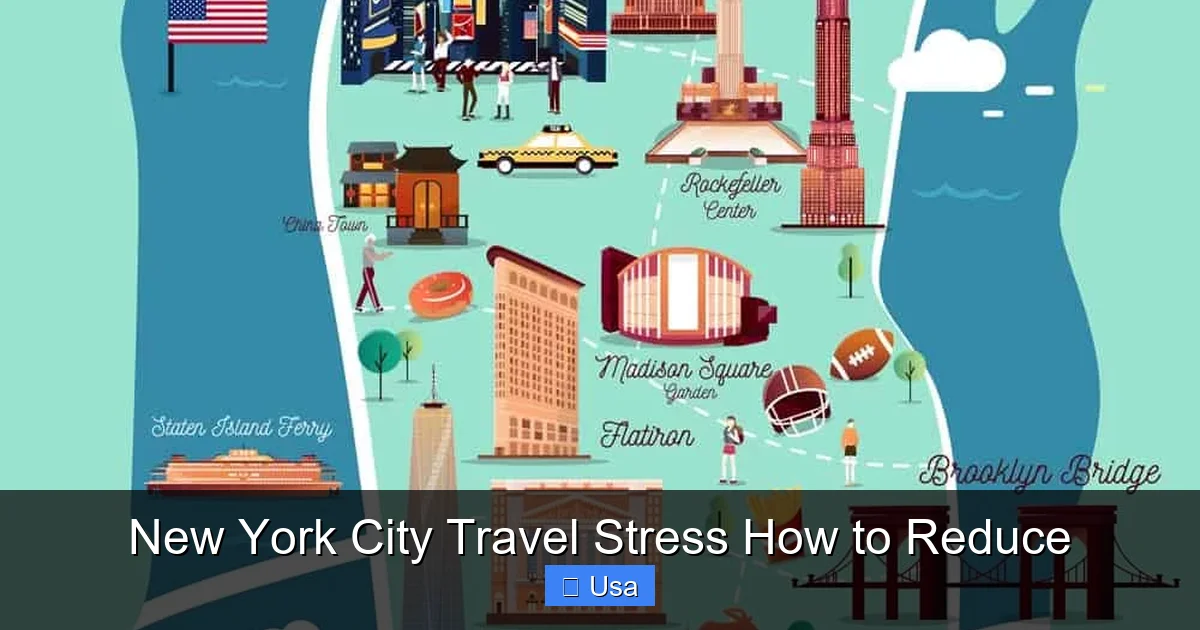
New Yorkers walk—a lot. You’ll be on your feet for hours, climbing subway stairs, and navigating crowded sidewalks. Packing light makes everything easier.
Choose a Comfortable Backpack or Crossbody Bag
A small, secure bag keeps your essentials close and frees your hands. Avoid large suitcases unless you’re staying in one place.
Wear Comfortable Shoes
Sneakers or supportive walking shoes are a must. Blisters can ruin your day—don’t wear new shoes without breaking them in first.
Bring Only the Essentials
Pack a reusable water bottle, portable phone charger, hand sanitizer, and a light jacket. Leave bulky items at your hotel.
4. Schedule Downtime to Recharge
Nonstop sightseeing leads to fatigue and stress. Build in breaks to relax and reset.
Find Quiet Spots
Escape the noise with a visit to Bryant Park, the High Line, or the Brooklyn Botanic Garden. Even a 15-minute sit on a bench can help.
Enjoy a Coffee Break
Stop at a local café like Joe Coffee or Bluestone Lane. Sip slowly, people-watch, and check your map without rushing.
Take a Nap (If Possible)
If you’re staying in a hotel, use the midday lull to rest. A 20-minute power nap can boost your energy for evening plans.
5. Stay Flexible and Expect the Unexpected
Delays, closures, and crowds are part of NYC life. The more flexible you are, the less stress you’ll feel.
Build Buffer Time
Add 30 minutes to every travel estimate. If a museum visit takes two hours, plan for three. This gives you room for lines, wrong turns, or spontaneous discoveries.
Have a Backup Plan
If your favorite restaurant is full, have a second option nearby. If it rains, switch to indoor activities like the American Museum of Natural History or the Museum of Ice Cream.
Accept That Not Everything Will Go Perfectly
Missed a train? Got lost? It happens. Laugh it off and keep going. Some of the best NYC memories come from unplanned moments.
6. Use Technology to Your Advantage
Smartphones are powerful tools for reducing stress. Use them wisely.
Use GPS for Walking Directions
Google Maps works great for walking. It shows real-time traffic, stair locations, and even indoor maps for malls and museums.
Store Digital Copies
Save your hotel address, flight info, and reservation confirmations in your phone. Take a screenshot in case you lose service.
Enable Location Sharing
Share your location with a trusted friend or family member, especially if you’re exploring alone.
7. Stay Safe and Aware
NYC is generally safe, but crowded areas can attract pickpockets and scams.
Keep Valuables Secure
Use a crossbody bag with a zipper. Don’t flash expensive items like cameras or jewelry.
Be Cautious with Street Vendors
Avoid unsolicited offers for “free” bracelets or petitions. Politely say “no, thank you” and keep walking.
Trust Your Instincts
If a situation feels off, leave. Walk toward busy, well-lit areas if you’re unsure.
Troubleshooting Common NYC Travel Stressors
Even with the best plans, things can go wrong. Here’s how to handle common issues:
Missed Your Train or Bus?
Check the next arrival time on the MTA app. If you’re in a hurry, consider a rideshare or walking if it’s less than 20 blocks.
Lost Your Way?
Look for subway station maps, ask a police officer, or use your phone’s GPS. Most New Yorkers are happy to help if you’re polite.
Overwhelmed by Crowds?
Step into a quiet store, sit on a park bench, or find a less busy side street. Breathe deeply and remind yourself it’s temporary.
Can’t Find a Restroom?
Use restrooms in museums, department stores (like Macy’s or Bloomingdale’s), or fast-food chains. Many are free and clean.
Conclusion
Traveling to New York City doesn’t have to be stressful. By planning ahead, using public transit smartly, packing light, and staying flexible, you can enjoy the energy and excitement of the city without the burnout. Remember: it’s okay to slow down, take breaks, and adapt your plans. The goal isn’t to see everything—it’s to have a great experience.
With these tips, you’ll feel more confident, move more efficiently, and truly enjoy your time in the city that never sleeps. So take a deep breath, lace up your walking shoes, and get ready to explore NYC—your way.