
Cambodia is a treasure trove of ancient wonders, lush landscapes, and rich culture. From the iconic Angkor Wat to peaceful river towns and tropical islands, this Southeast Asian gem offers unforgettable experiences for every traveler.
Key Takeaways
- Angkor Wat is a must-see: This UNESCO World Heritage Site is the largest religious monument in the world and a symbol of Cambodia’s spiritual heritage.
- Siem Reap blends history and modernity: Beyond the temples, enjoy night markets, local cuisine, and cultural shows in this lively gateway city.
- Phnom Penh offers urban charm and deep history: Explore the Royal Palace, bustling markets, and sobering sites like the Killing Fields to understand Cambodia’s complex past.
- The southern coast is perfect for relaxation: Islands like Koh Rong and Sihanoukville offer white-sand beaches, clear waters, and laid-back vibes.
- Kampot and Kep are hidden gems: These peaceful towns are ideal for nature lovers, with pepper farms, river cruises, and coastal crab feasts.
- Local experiences enrich your journey: Try street food, join a cooking class, or visit a floating village to connect with Cambodian life.
- Travel responsibly: Respect local customs, support community-based tourism, and be mindful of historical sites.
Quick Answers to Common Questions
What is the most famous place to visit in Cambodia?
Angkor Wat is the most famous place to visit in Cambodia. This ancient temple complex near Siem Reap is a UNESCO World Heritage Site and a symbol of the country’s rich history.
Check the latest prices and available rooms before they sell out.
Is Cambodia safe for tourists?
Yes, Cambodia is generally safe for tourists. Like any destination, stay aware of your surroundings, avoid isolated areas at night, and protect your belongings.
What is the best time to visit Cambodia?
The best time to visit Cambodia is during the dry season, from November to March, when the weather is cooler and less rainy.
Do I need a visa to visit Cambodia?
Most travelers need a visa to enter Cambodia. You can get one on arrival at airports and land borders, or apply online for an e-visa in advance.
What should I eat in Cambodia?
Try local dishes like fish amok, lok lak, and fresh crab with Kampot pepper. Street food is delicious and affordable—just choose busy stalls with high turnover.
📑 Table of Contents
- Discover the Magic of Cambodia: A Land of Temples, Beaches, and Culture
- Angkor Wat and the Temples of Angkor Archaeological Park
- Siem Reap: The Gateway to Ancient Wonders
- Phnom Penh: The Vibrant Capital
- The Southern Coast: Beaches and Island Escapes
- Kampot and Kep: Peaceful Escapes
- Tips for Traveling in Cambodia
- Conclusion
Discover the Magic of Cambodia: A Land of Temples, Beaches, and Culture
Cambodia is one of Southeast Asia’s most captivating destinations. It blends ancient history with natural beauty and warm hospitality. Whether you’re drawn to towering temple ruins, tranquil rivers, or vibrant city life, Cambodia delivers an authentic and unforgettable experience.
From the moment you arrive, you’ll feel the country’s rhythm—slow in the countryside, lively in the cities, and deeply spiritual in its sacred spaces. Cambodia has emerged from a difficult past to become a welcoming and resilient nation. Today, it invites travelers to explore its wonders with open arms and curious minds.
Angkor Wat and the Temples of Angkor Archaeological Park
Find the Best Accommodation Deals
Compare prices from multiple booking platforms and find the best option for your stay.
Compare Hotel PricesVisual guide about Places to Visit in Cambodia
Image source: thebitetour.com
Find the Best Accommodation Deals
Compare prices from multiple booking platforms and discover the best stay options available.
⭐ Trusted by thousands of travelers
💰 Budget to luxury options available
No trip to Cambodia is complete without visiting Angkor Wat. This 12th-century temple complex near Siem Reap is the crown jewel of Khmer architecture. Built as a Hindu temple dedicated to Vishnu, it later became a Buddhist site. Today, it stands as a symbol of national pride and spiritual devotion.
Why Angkor Wat Is a Must-Visit
Angkor Wat is more than just a temple—it’s a masterpiece of design and engineering. The intricate carvings, massive moat, and precise alignment with the sun during equinoxes show the advanced knowledge of the Khmer Empire. Watching the sunrise over the temple’s silhouette is a bucket-list moment for many travelers.
Exploring Beyond Angkor Wat
The Angkor Archaeological Park spans over 400 square kilometers and includes dozens of temples. Don’t miss Angkor Thom, the ancient walled city, and its iconic Bayon Temple with its giant stone faces. Ta Prohm, famously known as the “Tomb Raider temple,” is overgrown with jungle roots, creating a mystical atmosphere.
Best Stay Deals Available
Compare prices across top booking platforms and find the best deal for your stay.
Check Available RoomsTips for Visiting the Temples
Start early to beat the heat and crowds. Wear modest clothing—shoulders and knees should be covered. Hire a local guide to learn about the history and hidden stories. Consider a multi-day pass to fully explore the park. And always carry water and sunscreen.
Siem Reap: The Gateway to Ancient Wonders
Visual guide about Places to Visit in Cambodia
Image source: bbqboy.net
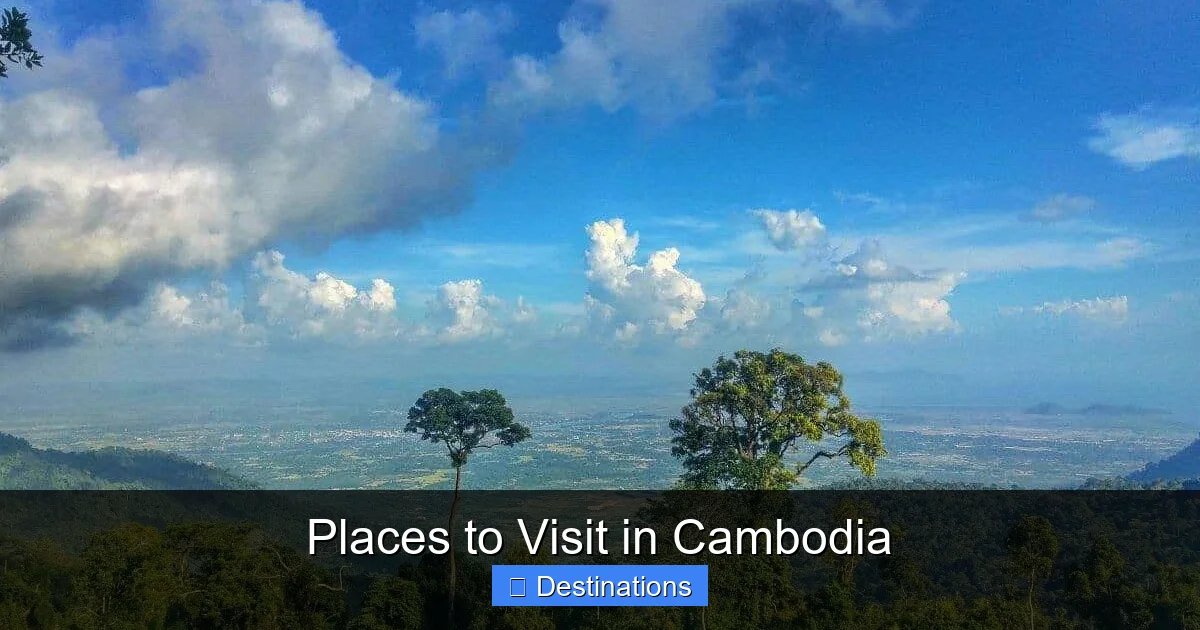
Siem Reap is more than just a base for temple tours. This charming city pulses with energy, offering great food, art, and nightlife. It’s the perfect place to unwind after a day of exploring.
Night Markets and Local Eats
Pub Street is the heart of Siem Reap’s nightlife, lined with bars, restaurants, and street food stalls. Try local dishes like fish amok (a coconut curry), lok lak (stir-fried beef), and fresh spring rolls. The Old Market area is ideal for souvenirs, handmade crafts, and silk scarves.
Cultural Shows and Cooking Classes
Many restaurants offer traditional Apsara dance performances—graceful movements that tell ancient stories. You can also join a cooking class to learn how to make Cambodian dishes using fresh herbs and spices. It’s a fun and delicious way to connect with the culture.
Day Trips from Siem Reap
Take a boat ride to the floating villages on Tonlé Sap Lake, where entire communities live on the water. Or visit the Landmine Museum to learn about Cambodia’s recovery and the ongoing work to clear landmines.
Phnom Penh: The Vibrant Capital
Visual guide about Places to Visit in Cambodia
Image source: prettywildworld.com
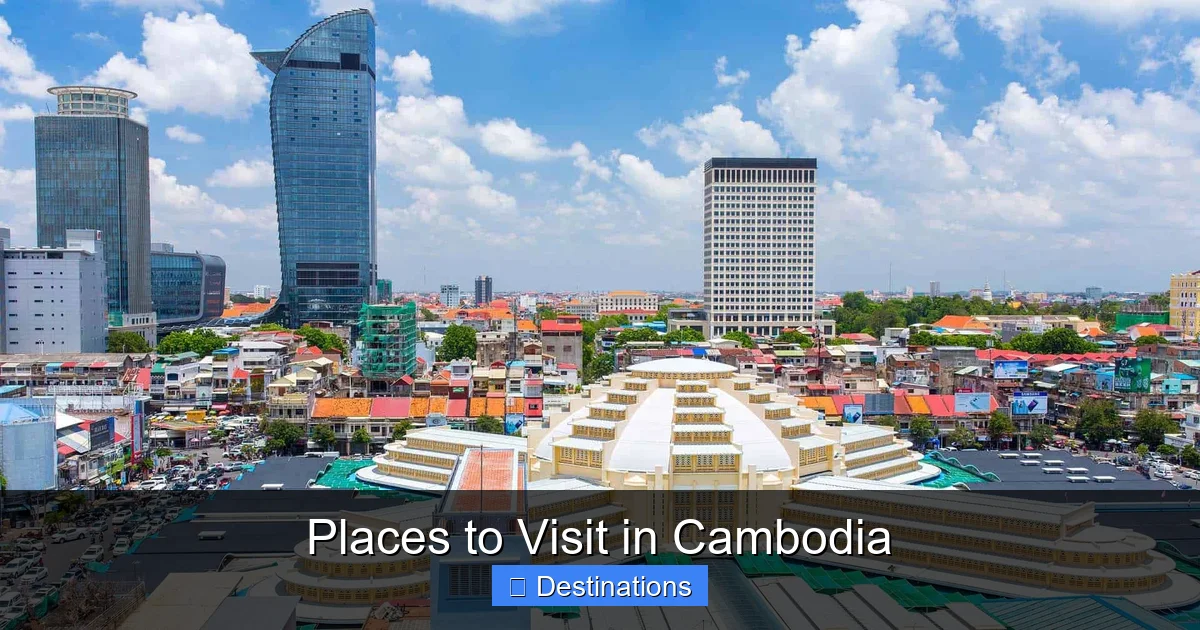
Phnom Penh, the capital of Cambodia, is a city of contrasts. It blends colonial architecture with modern development, and joy with solemn remembrance. It’s a place where history and life unfold side by side.
The Royal Palace and Silver Pagoda
The Royal Palace is a stunning complex of golden spires and lush gardens. Inside, the Silver Pagoda houses a floor made of 5,000 silver tiles and priceless artifacts, including a life-sized Buddha made of solid gold and encrusted with diamonds.
Wat Phnom and the City’s Heart
Wat Phnom is a small hilltop temple believed to be the founding place of Phnom Penh. It’s a peaceful spot amid the city’s bustle. Locals come here to pray, light incense, and feed the turtles in the pond.
Remembering the Past: The Killing Fields and Tuol Sleng
To understand Cambodia’s recent history, visit the Choeung Ek Genocidal Center (the Killing Fields) and the Tuol Sleng Genocide Museum (S-21). These sites are somber but important. They honor the victims of the Khmer Rouge regime and remind us of the resilience of the human spirit.
The Southern Coast: Beaches and Island Escapes
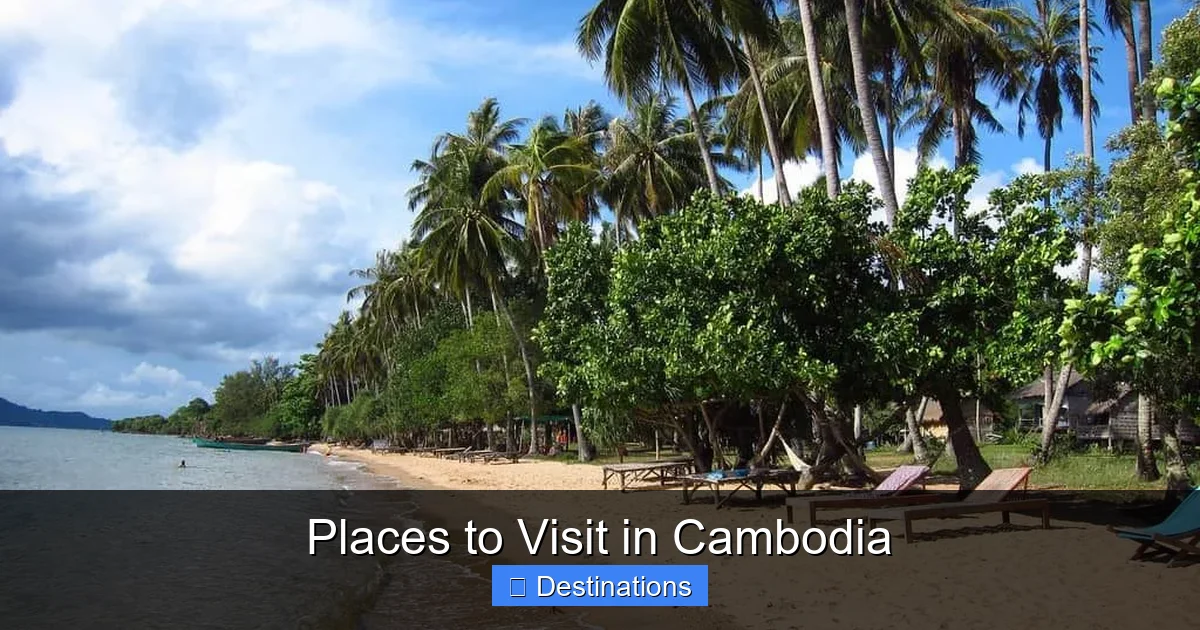
If you’re craving sun, sand, and sea, head to Cambodia’s southern coast. Once underdeveloped, this region now offers beautiful beaches and a growing number of eco-friendly resorts.
Sihanoukville: From Port City to Beach Destination
Sihanoukville, also known as Kompong Som, has transformed from a quiet port into a lively beach town. It has casinos, beachfront bars, and access to nearby islands. While some areas are still developing, Otres Beach remains a favorite for its relaxed vibe and sunset views.
Koh Rong and Koh Rong Samloem: Tropical Paradise
These islands are perfect for travelers seeking peace and natural beauty. Koh Rong has lively beach parties, while Koh Rong Samloem is quieter, with pristine beaches and bioluminescent waters at night. Snorkeling, kayaking, and jungle trekking are popular activities.
Getting There and Staying Overnight
Ferries from Sihanoukville to the islands take about 30–45 minutes. Overnight stays range from budget bungalows to boutique resorts. Book in advance during peak season (November to March).
Kampot and Kep: Peaceful Escapes
For a slower pace, visit Kampot and Kep. These towns offer scenic landscapes, fresh seafood, and a glimpse into rural Cambodian life.
Kampot: River Views and Pepper Farms
Kampot is known for its famous black pepper, grown in the surrounding countryside. Take a sunset river cruise on the Kampot River, visit a pepper plantation, or explore the nearby Bokor National Park with its abandoned French colonial hill station.
Kep: The Crab Capital
Kep is a small coastal town famous for its crab market. Every morning, fishermen bring in fresh crab, which is quickly cooked and sold at seaside stalls. Try the crab with Kampot pepper—it’s a local specialty you won’t forget.
Eco-Tourism and Homestays
Both towns support sustainable tourism. Consider staying in a homestay or eco-lodge to support local families and reduce your environmental impact.
Tips for Traveling in Cambodia
When to Visit
The best time to visit Cambodia is during the dry season, from November to March. The weather is cooler and less humid, making temple tours and outdoor activities more comfortable.
Getting Around
Tuk-tuks are the most common way to get around cities. For longer distances, buses and domestic flights are affordable and reliable. Renting a motorbike is possible but only recommended if you’re experienced.
Respecting Local Culture
Cambodians are generally polite and respectful. Dress modestly when visiting temples or rural areas. Always ask before taking photos of people, especially monks. Learn a few Khmer phrases like “Sous-dey” (hello) and “Or-kun” (thank you).
Safety and Health
Cambodia is safe for travelers, but stay aware of your surroundings, especially in crowded areas. Drink bottled water, use mosquito repellent, and consider travel insurance.
Conclusion
Cambodia is a destination that stays with you long after you leave. Its ancient temples, vibrant cities, and natural beauty create a journey full of wonder and reflection. Whether you’re marveling at Angkor Wat, savoring fresh crab in Kep, or watching the sunrise over a quiet river, Cambodia offers moments of pure magic.
Travel here with an open heart and a curious mind. Support local businesses, respect the culture, and take time to connect with the people. Cambodia isn’t just a place to visit—it’s a place to experience, learn from, and remember.
Frequently Asked Questions
How many days do I need to visit Cambodia?
Ideally, spend at least 7–10 days to explore the main highlights. This allows time for Siem Reap, Phnom Penh, and a beach or nature stop.
Can I visit Angkor Wat in one day?
Yes, you can see the main temples in one day, but a two- or three-day pass is better to fully appreciate the site and avoid rushing.
Is it expensive to travel in Cambodia?
Cambodia is affordable for most travelers. Budget accommodations, street food, and local transport are inexpensive, though prices can be higher in tourist areas.
What language do people speak in Cambodia?
Khmer is the official language. English is spoken in tourist areas, but learning a few basic Khmer phrases can enhance your experience.
Are there direct flights to Cambodia?
Yes, there are direct flights to Phnom Penh and Siem Reap from many Asian cities, including Bangkok, Ho Chi Minh City, and Singapore.
What is the currency in Cambodia?
The official currency is the Cambodian riel, but US dollars are widely accepted. It’s best to carry small bills for markets and tips.