
Cebu is a tropical paradise packed with natural wonders, rich history, and thrilling adventures. Whether you’re exploring centuries-old churches, swimming with whale sharks, or island-hopping in crystal-clear waters, this guide covers the top places to visit in Cebu for every traveler.
Key Takeaways
- Kawasan Falls: A turquoise-tiered waterfall perfect for canyoneering and swimming.
- Oslob Whale Shark Watching: Swim alongside gentle giants in their natural habitat.
- Magellan’s Cross and Basilica del Santo Niño: Iconic symbols of Cebu’s Spanish heritage.
- Moalboal Sardine Run: Snorkel or dive amid millions of sardines in shallow waters.
- Sumilon Island: A pristine sandbar ideal for day trips and relaxation.
- Sirao Flower Garden: A colorful hillside garden offering panoramic views.
- Carbon Market: Cebu’s bustling local market for authentic souvenirs and street food.
Quick Answers to Common Questions
What is the best time to visit Cebu?
The best time to visit Cebu is from December to May, when the weather is dry and sunny. This period is ideal for beach trips, island-hopping, and outdoor adventures.
Check the latest prices and available rooms before they sell out.
Is it safe to swim with whale sharks in Oslob?
Yes, it’s generally safe when done responsibly. Always follow guidelines—no touching, no flash photography, and maintain a distance of at least 3 meters.
How do I get to Kawasan Falls from Cebu City?
You can take a bus or van from Cebu South Bus Terminal to Badian (about 3 hours), then a tricycle to the falls. Many tour operators offer day trips with transportation included.
Can I visit Sumilon Island on a day trip?
Yes, day trips are available from Oslob. Boats depart early in the morning and return by late afternoon. Bring your own food and drinks.
What should I wear when visiting churches in Cebu?
Dress modestly—cover shoulders and knees. Avoid sleeveless tops and short skirts, especially when visiting active places of worship like the Basilica del Santo Niño.
📑 Table of Contents
Why Cebu Should Be on Your Travel Bucket List
Cebu is more than just a destination—it’s an experience. Known as the “Queen City of the South,” Cebu blends natural beauty, cultural depth, and modern energy into one unforgettable package. Whether you’re a first-time traveler or a seasoned explorer, the island offers something for everyone.
From its white-sand beaches and emerald waters to its centuries-old churches and vibrant local markets, Cebu is a treasure trove of adventures. It’s no wonder travelers from around the world are drawn to this Philippine gem. Whether you’re into adrenaline-pumping activities like canyoneering or prefer relaxing on secluded islands, Cebu delivers.
Top Natural Wonders in Cebu
Cebu’s landscape is a mix of rugged mountains, lush forests, and stunning coastlines. Nature lovers will find plenty to explore, from hidden waterfalls to marine sanctuaries.
Find the Best Accommodation Deals
Compare prices from multiple booking platforms and find the best option for your stay.
Compare Hotel Prices
Visual guide about Places to Visit in Cebu
Find the Best Accommodation Deals
Compare prices from multiple booking platforms and discover the best stay options available.
⭐ Trusted by thousands of travelers
💰 Budget to luxury options available
Image source: solitarywanderer.com
Kawasan Falls: The Jewel of Badian
One of the most famous places to visit in Cebu is Kawasan Falls. Located in Badian, this multi-tiered waterfall features turquoise waters cascading over limestone formations. It’s a favorite spot for canyoneering, where visitors jump, slide, and swim through natural rock slides.
Tip: Start early to avoid crowds and wear water shoes for better grip. Combine your visit with a trip to nearby Mantapuyan Falls for a full day of adventure.
Best Stay Deals Available
Compare prices across top booking platforms and find the best deal for your stay.
Check Available RoomsMoalboal Sardine Run: A Snorkeler’s Dream
Just off the coast of Moalboal, you’ll find one of the most incredible underwater spectacles—the sardine run. Millions of sardines move in a swirling silver cloud, visible even from the shore. You don’t need to be a certified diver to witness this; snorkeling is enough.
Best time to visit: March to June. Rent gear from local dive shops and join a guided tour for safety and the best viewing spots.
Sumilon Island: A Slice of Paradise
Accessible via a short boat ride from Oslob, Sumilon Island is a protected marine sanctuary with a crescent-shaped sandbar. The island offers kayaking, paddleboarding, and snorkeling in its clear waters. It’s perfect for a peaceful day away from the mainland.
Pro tip: Bring your own snacks and water, as facilities are limited. Overnight stays are available at the eco-lodge for a true island escape.
Historical and Cultural Landmarks
Cebu is the birthplace of Christianity in the Philippines, and its historical sites reflect a rich colonial past. These landmarks offer a glimpse into the island’s spiritual and cultural evolution.
Visual guide about Places to Visit in Cebu
Image source: cdn.educba.com
Magellan’s Cross: A Symbol of Faith
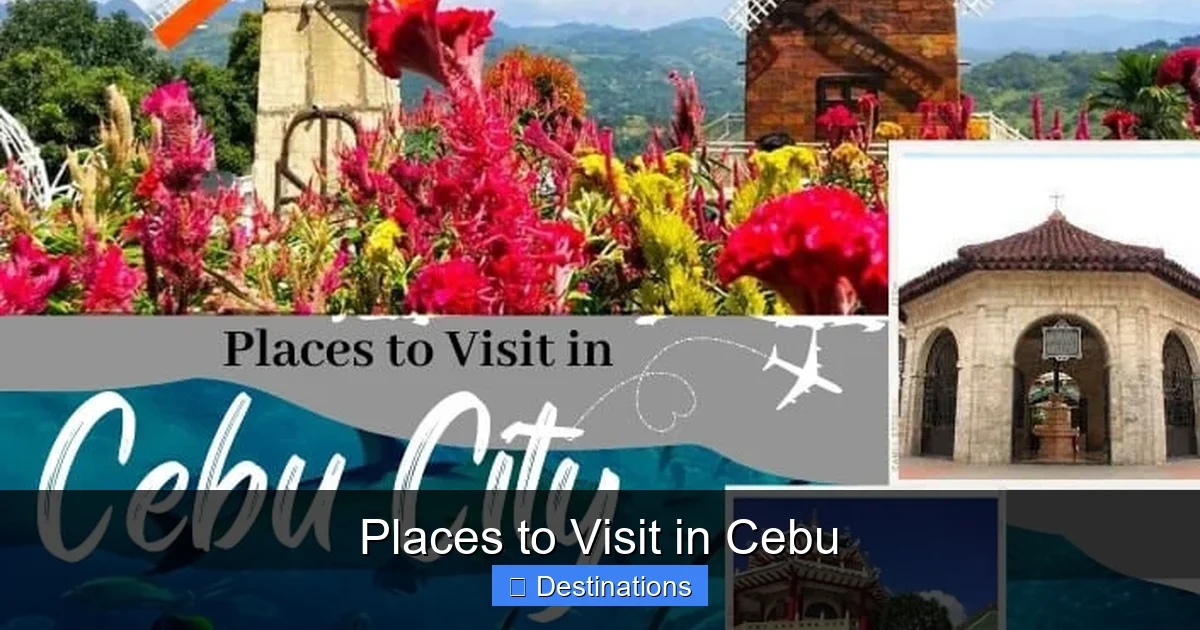
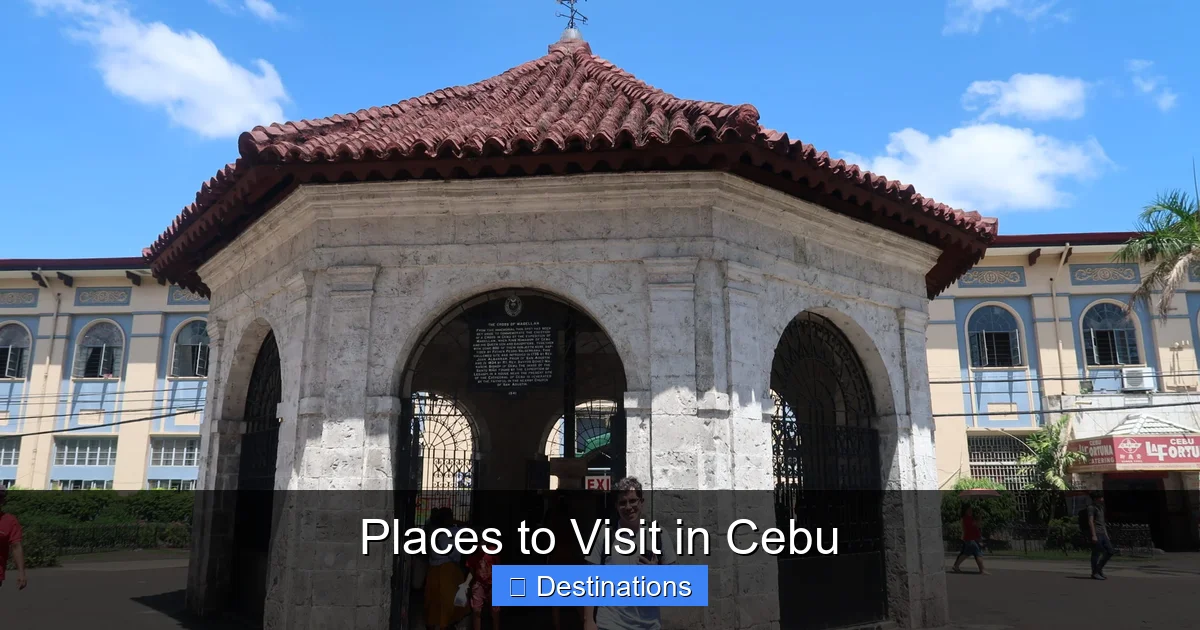
Located in downtown Cebu City, Magellan’s Cross marks the spot where Ferdinand Magellan planted a Christian cross in 1521. The original cross is encased in a wooden structure to preserve it, but the site remains a powerful symbol of faith and history.
Visit early in the morning to avoid the heat and crowds. It’s just a short walk from other historic sites, making it easy to explore multiple landmarks in one trip.
Basilica del Santo Niño: The Oldest Church in the Philippines
Adjacent to Magellan’s Cross, the Basilica del Santo Niño houses the revered Santo Niño de Cebú, a statue of the Child Jesus gifted by Magellan. The church hosts the annual Sinulog Festival, a vibrant celebration of faith and culture.
Don’t miss the museum inside, which displays religious artifacts and historical items. Dress modestly when visiting, as it’s an active place of worship.
Fort San Pedro: A Glimpse into Spanish Rule
This triangular fort, built in the 17th century, served as a military defense structure during the Spanish era. Today, it’s a peaceful park with gardens, old cannons, and a small museum.
It’s a great spot for history buffs and families. Entry is affordable, and the shaded areas make it comfortable even on hot days.
Adventure and Outdoor Activities
For thrill-seekers, Cebu is a playground of adventure. Whether you’re leaping into waterfalls or exploring underwater caves, there’s no shortage of excitement.
Visual guide about Places to Visit in Cebu
Image source: blogntravel.com
Canyoneering in Kawasan: Jump, Slide, and Swim
Canyoneering in Kawasan is not for the faint of heart. This guided adventure involves jumping off cliffs, sliding down natural rock chutes, and swimming through narrow canyons—all leading to the stunning Kawasan Falls.
Safety first: Always go with a licensed guide and wear a life vest. Most tours start early in the morning and include transportation from Cebu City.
Oslob Whale Shark Watching: Swim with Gentle Giants
One of the most popular places to visit in Cebu is Oslob, where you can swim with whale sharks year-round. These gentle giants, some over 40 feet long, feed near the shore, allowing close encounters.
Important note: While the experience is magical, it’s essential to follow eco-friendly practices—no touching, no flash photography, and maintain a safe distance. Consider visiting during weekdays for fewer crowds.
Sirao Flower Garden: A Rainbow on the Hills
Often called the “Little Amsterdam of Cebu,” Sirao Flower Garden is a hillside farm filled with vibrant celosia flowers. The bright red, pink, and orange blooms create a stunning contrast against the green mountains.
Best visited in the early morning when the flowers are fresh and the light is perfect for photos. Combine your visit with a stop at the nearby Temple of Leah for panoramic city views.
Local Markets and Food Experiences
No trip to Cebu is complete without tasting its local flavors and exploring its markets. From street food to handmade crafts, these spots offer an authentic taste of Cebuano life.
Carbon Market: The Heart of Cebu’s Commerce
Carbon Market is Cebu’s largest and oldest public market. Here, you’ll find everything from fresh seafood and tropical fruits to traditional textiles and souvenirs. It’s a lively, chaotic, and authentic experience.
Try local delicacies like ngohiong (spring rolls), bibingka (rice cake), and lechon (roasted pig). Go early to avoid the midday heat and crowds.
Colon Street: Shopping and Street Food
Known as the oldest street in the Philippines, Colon Street is a bustling hub of budget shopping and street food. It’s a great place to hunt for bargains on clothes, accessories, and gadgets.
After shopping, grab a bite at nearby food stalls. Don’t miss puso (rice wrapped in coconut leaves) and taho (sweet tofu dessert).
Island-Hopping and Beach Escapes
Cebu is surrounded by smaller islands that offer pristine beaches, coral reefs, and quiet retreats. Island-hopping tours are a must for beach lovers.
Malapascua Island: Thresher Shark Capital
Though a bit farther north, Malapascua is worth the trip for diving enthusiasts. It’s one of the few places in the world where you can regularly see thresher sharks.
Day trips are available, but staying overnight lets you enjoy sunrise dives and peaceful beach walks. Book in advance, especially during peak season.
Olango Island: A Birdwatcher’s Paradise
Part of the Olango Island Wildlife Sanctuary, this island is a critical stopover for migratory birds. It’s a UNESCO-recognized site and a peaceful escape from the city.
Visit during migration season (October to March) for the best birdwatching. Combine with a trip to the nearby sandbar for a full day of nature.
Tips for Traveling in Cebu
- Transportation: Use Grab or local taxis in the city. For inter-island travel, book ferries in advance.
- Best time to visit: December to May offers dry, sunny weather. Avoid the rainy season (June to November) for outdoor activities.
- Currency: Philippine Peso (PHP). ATMs are widely available, but carry cash for remote areas.
- Safety: Cebu is generally safe, but stay alert in crowded areas and avoid isolated spots at night.
- Language: Filipino and Cebuano are widely spoken. English is common in tourist areas.
Cebu is a destination that keeps giving—whether you’re diving into its waters, exploring its history, or simply relaxing on a quiet beach. With so many places to visit in Cebu, every day can be a new adventure.
Frequently Asked Questions
How many days do I need to explore Cebu?
Ideally, 5 to 7 days allow you to visit the main attractions, including beaches, historical sites, and nearby islands. A shorter trip of 3 days can cover Cebu City and one or two key destinations.
Is Cebu family-friendly?
Yes, Cebu is great for families. Many attractions like Kawasan Falls, Carbon Market, and Fort San Pedro are kid-friendly. Just plan for breaks and stay hydrated in the heat.
Do I need a visa to visit Cebu?
Citizens of over 150 countries, including the US, UK, Canada, and Australia, can enter the Philippines visa-free for up to 30 days. Check your country’s requirements before traveling.
What is the local currency in Cebu?
The Philippine Peso (PHP) is the official currency. Credit cards are accepted in hotels and malls, but cash is preferred in markets and rural areas.
Can I drink tap water in Cebu?
It’s not recommended. Stick to bottled or filtered water, especially when traveling outside Cebu City. Avoid ice in drinks unless you’re sure it’s made from purified water.
Are there direct flights to Cebu?
Yes, Mactan-Cebu International Airport (CEB) receives direct flights from major cities in Asia, the Middle East, and some parts of Europe. Domestic flights from Manila are frequent and affordable.