
Chinatown Singapore is a cultural gem blending history, tradition, and modern energy. From ornate temples to bustling hawker centers, it offers an unforgettable experience for every traveler.
Key Takeaways
- Visit Buddha Tooth Relic Temple: A stunning architectural landmark housing a sacred relic and offering panoramic views from its rooftop garden.
- Shop at Chinatown Street Market: Browse traditional goods, souvenirs, and local snacks along Smith and Trengganu Streets.
- Eat at Maxwell Food Centre: Try iconic dishes like Tian Tian Hainanese Chicken Rice in this legendary hawker hub.
- Explore Sri Mariamman Temple: Singapore’s oldest Hindu temple, known for its intricate gopuram and vibrant festivals.
- Walk through Chinatown Heritage Centre: Step back in time to learn about early Chinese immigrant life in restored shophouses.
- Enjoy Nightlife on Club Street: Experience trendy bars and alfresco dining just steps from Chinatown’s historic core.
- Attend Cultural Festivals: Time your visit with Chinese New Year or Mid-Autumn Festival for dazzling celebrations.
Quick Answers to Common Questions
What is the best time to visit Chinatown Singapore?
The best time is during festivals like Chinese New Year or Mid-Autumn Festival for vibrant celebrations. For quieter visits, weekday mornings are ideal.
Check the latest prices and available rooms before they sell out.
Is Chinatown Singapore safe for tourists?
Yes, Chinatown is very safe. Like anywhere in Singapore, petty crime is rare, and the area is well-patrolled.
Can I use credit cards in Chinatown?
Many larger shops and restaurants accept cards, but hawker centers and street vendors usually only take cash.
How do I get to Chinatown Singapore?
Take the MRT to Chinatown Station (NE4/DT19)—it’s centrally located and easily accessible from all parts of the city.
Are there vegetarian options in Chinatown?
Absolutely! Many hawker stalls and restaurants offer vegetarian dishes like veg noodles, tofu stew, and mock meat options.
📑 Table of Contents
Introduction to Chinatown Singapore
Chinatown Singapore isn’t just a neighborhood—it’s a living museum of culture, history, and flavor. Tucked in the heart of the city-state, this vibrant district pulses with energy day and night. Whether you’re strolling past red lanterns strung above narrow streets or savoring a bowl of laksa at a century-old stall, Chinatown offers an immersive experience that captures the soul of Singapore’s multicultural identity.
Once home to early Chinese immigrants who built their lives in Singapore, Chinatown has evolved into a dynamic blend of tradition and modernity. Today, it’s a must-visit destination for travelers seeking authentic local experiences. From spiritual sanctuaries to bustling food courts, every corner tells a story. And while it’s easy to get lost in its charm, knowing where to go makes all the difference. This guide highlights the top places to visit in Chinatown Singapore, ensuring you don’t miss the highlights—or the hidden gems.
Top Temples and Spiritual Sites
Buddha Tooth Relic Temple
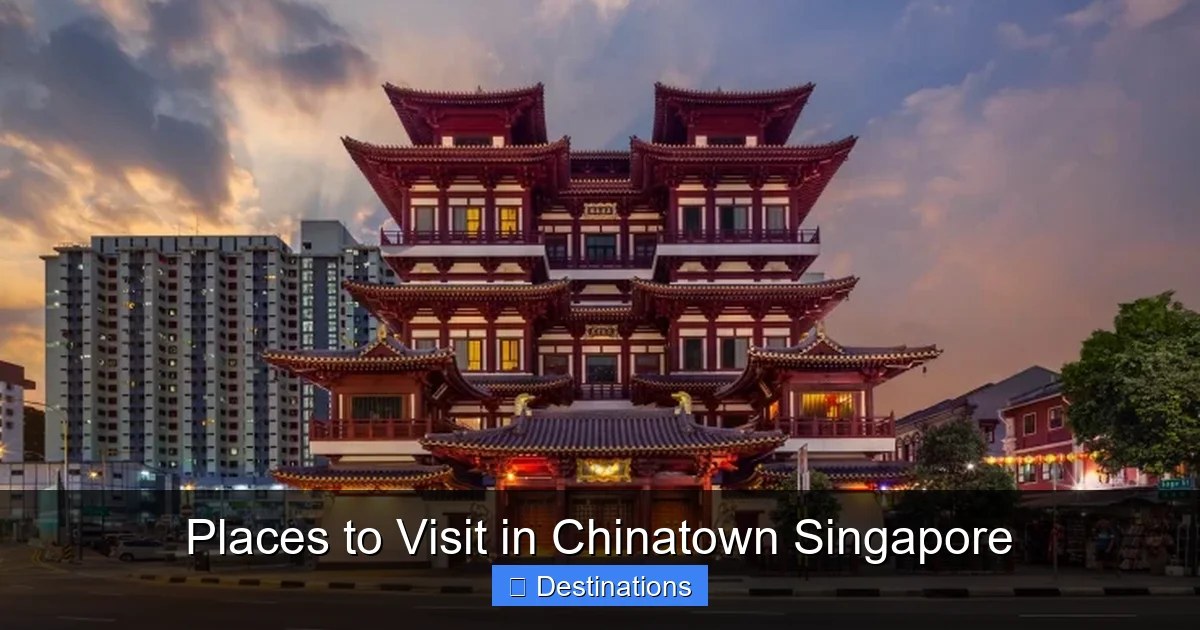
Rising majestically on South Bridge Road, the Buddha Tooth Relic Temple is one of Chinatown’s most iconic landmarks. Built in 2007, this Tang-style Buddhist temple houses what believers consider a sacred tooth relic of the Buddha. Even if you’re not religious, the temple’s architecture—featuring golden roofs, intricate carvings, and a serene inner courtyard—is breathtaking.
Find the Best Accommodation Deals
Compare prices from multiple booking platforms and find the best option for your stay.
Compare Hotel Prices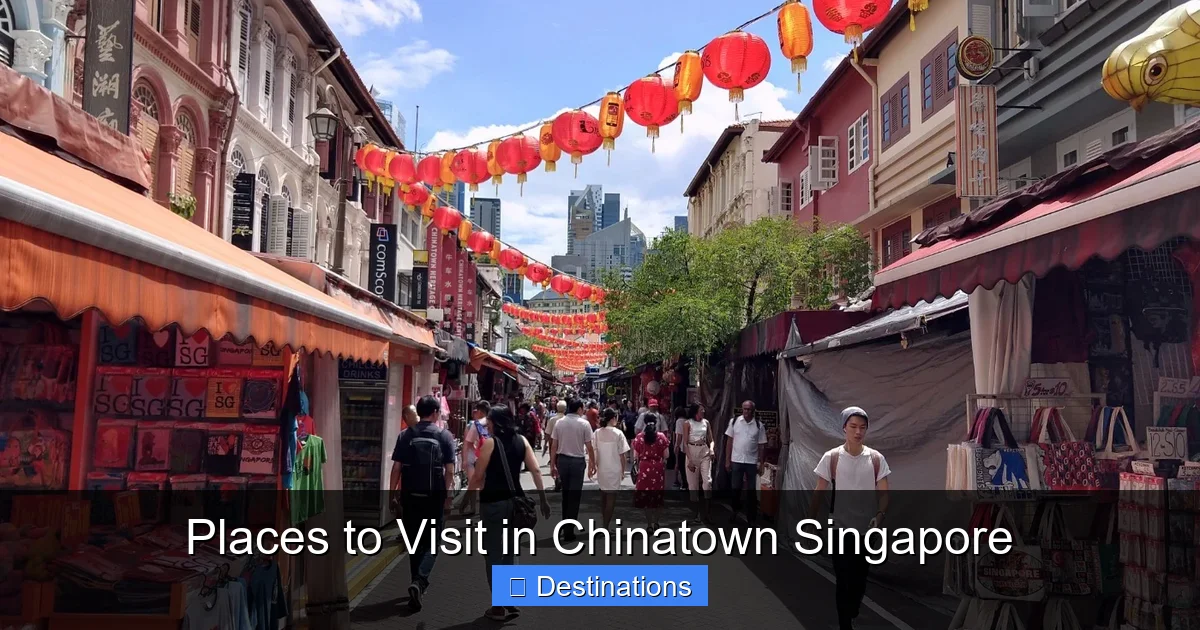
Visual guide about Places to Visit in Chinatown Singapore
Find the Best Accommodation Deals
Compare prices from multiple booking platforms and discover the best stay options available.
⭐ Trusted by thousands of travelers
💰 Budget to luxury options available
Image source: worldtravelfamily.com
Don’t miss the 4th-floor museum showcasing Buddhist art and artifacts, or the peaceful rooftop garden with views over Chinatown. Entry is free, but dress modestly as a sign of respect. Visit early morning or late afternoon to avoid crowds and enjoy the calm atmosphere.
Sri Mariamman Temple
Just a short walk away stands Sri Mariamman Temple, Singapore’s oldest Hindu temple, established in 1827. Its towering gopuram (gateway tower) is adorned with colorful statues of deities, mythological figures, and celestial beings—each telling a story from Hindu lore. The temple is especially lively during festivals like Deepavali and Thaipusam, when devotees gather in large numbers.
Best Stay Deals Available
Compare prices across top booking platforms and find the best deal for your stay.
Check Available RoomsVisitors are welcome, but remember to remove your shoes before entering. Photography is allowed in the outer areas, though be mindful during prayers. The temple also runs a free clinic and community services, reflecting its role as more than just a place of worship.
Must-Visit Cultural and Historical Attractions
Chinatown Heritage Centre
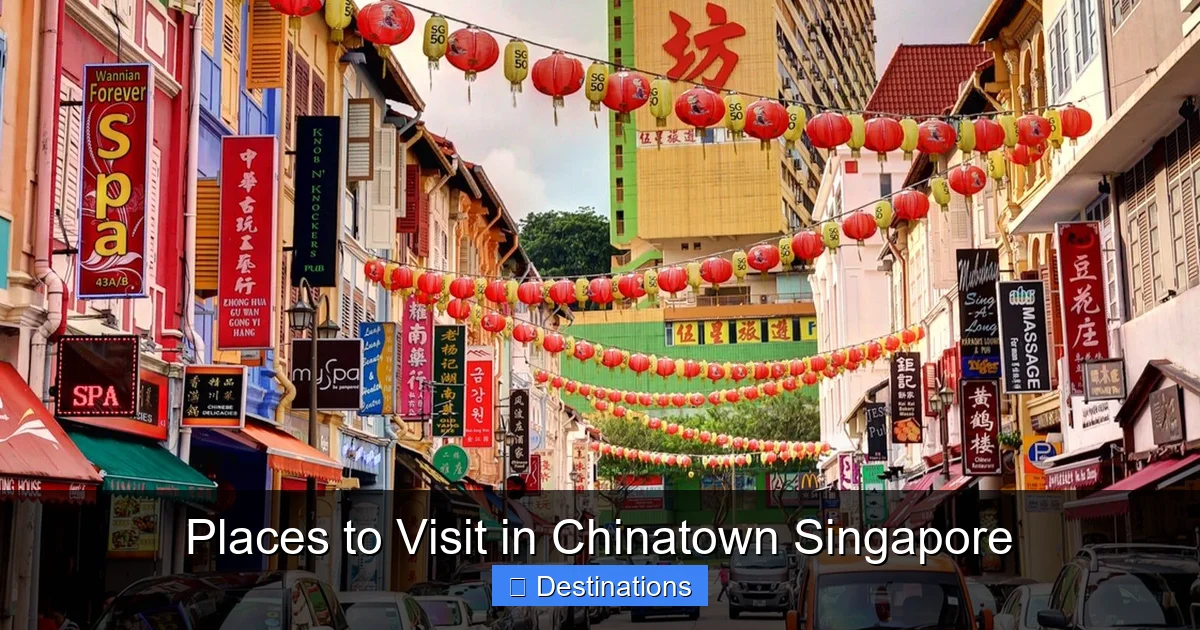
To truly understand Chinatown’s past, step inside the Chinatown Heritage Centre. Housed in restored shophouses on Pagoda Street, this museum recreates the cramped living conditions of early Chinese immigrants in the 1950s. Through life-sized dioramas, personal stories, and artifacts, you’ll gain insight into the struggles and resilience of those who shaped this community.
Visual guide about Places to Visit in Chinatown Singapore
Image source: i.pinimg.com
Guided tours are available and highly recommended—they add depth and context you won’t get from reading plaques alone. The center also hosts rotating exhibits on Chinese traditions, making each visit unique. Allow about an hour for your visit, and consider pairing it with a walk through the surrounding streets to see how much—and how little—has changed.
Maxwell Food Centre
No trip to Chinatown is complete without eating at Maxwell Food Centre. This legendary hawker center is a food lover’s paradise, offering everything from char kway teow to oyster omelets. But the star here is Tian Tian Hainanese Chicken Rice, often hailed as one of the best in the world. Be prepared to queue—it’s popular for good reason!
Go around lunchtime for the full experience, and bring cash (most stalls don’t accept cards). Seating can be tight, so go with a friend and take turns holding a spot while the other orders. If you’re feeling adventurous, try the pig’s organ soup or fried carrot cake—local favorites that might surprise your taste buds.
Shopping and Markets
Chinatown Street Market
By day, Smith and Trengganu Streets transform into a bustling open-air market known as the Chinatown Street Market. Here, you’ll find stalls selling traditional Chinese medicines, silk fans, jade jewelry, calligraphy sets, and quirky souvenirs like “I ♥ Chinatown” T-shirts. It’s a great spot to pick up gifts or simply soak in the lively atmosphere.
Visual guide about Places to Visit in Chinatown Singapore
Image source: visitsingapore.com
Bargaining is expected, so don’t pay the first price quoted. Early mornings are less crowded, while evenings bring more locals and tourists. Keep an eye out for seasonal pop-ups—especially during Chinese New Year, when red envelopes, lanterns, and festive decorations flood the streets.
People’s Park Complex
For a more local shopping experience, head to People’s Park Complex. This retro-style mall is a favorite among residents for its affordable clothing, electronics, and fresh produce. The basement houses a wet market where you can see fishmongers at work and buy exotic fruits like durian or rambutan.
It’s also home to some hidden food stalls serving up authentic Teochew or Hokkien dishes not found elsewhere. While it lacks the polish of modern malls, its authenticity and affordability make it a worthwhile detour—especially if you want to see how everyday Singaporeans shop and eat.
Dining and Nightlife
Club Street Eateries
Just a stone’s throw from Chinatown’s historic core lies Club Street—a trendy enclave lined with chic cafes, wine bars, and fusion restaurants. By day, it’s quiet and relaxed; by night, it buzzes with expats, creatives, and foodies. Try The Lokal for modern European fare with Asian twists, or Operation Dagger for craft cocktails in an underground speakeasy setting.
Many venues offer alfresco seating, perfect for people-watching under the glow of string lights. It’s also a great place to unwind after a day of exploring. Just note that prices here are higher than at hawker centers—but the ambiance and creativity are worth it.
Traditional Tea Houses
For a slower-paced experience, visit one of Chinatown’s traditional tea houses. Places like Yun Yan Teahouse serve premium Chinese teas—oolong, pu-erh, jasmine—in elegant settings. Staff often guide you through proper brewing techniques and tea etiquette, making it both relaxing and educational.
Pair your tea with dim sum or sweet pastries for a full cultural experience. These spots are ideal for solo travelers or couples looking to escape the hustle. Most close by early evening, so plan accordingly.
Festivals and Seasonal Highlights
Chinatown truly comes alive during festivals. Chinese New Year transforms the district into a sea of red and gold, with lion dances, fireworks, and extended night markets. The Mid-Autumn Festival brings glowing lantern displays and mooncake tastings, while the Hungry Ghost Festival features elaborate offerings and street performances.
If your schedule allows, try to align your visit with one of these events. Not only will you see Chinatown at its most vibrant, but you’ll also witness centuries-old traditions still thriving today. Check the official Singapore Tourism Board calendar for exact dates each year.
Conclusion
Chinatown Singapore is more than a tourist spot—it’s a cultural heartbeat that connects past and present. Whether you’re marveling at temple spires, bargaining at street stalls, or sharing a meal with locals at a hawker center, every moment here feels authentic and alive. With so many places to visit in Chinatown Singapore, even repeat travelers will find something new.
To make the most of your trip, go with an open mind and comfortable shoes. Respect local customs, especially at religious sites, and don’t rush—some of the best experiences happen when you slow down and simply observe. And if you love exploring rich cultural destinations like this, you might also enjoy our guides to best cultural places to visit in Qatar or best places to visit in Malaysia for more immersive travel inspiration.
Frequently Asked Questions
What are the must-see attractions in Chinatown Singapore?
The Buddha Tooth Relic Temple, Chinatown Heritage Centre, and Sri Mariamman Temple are top cultural sites. Don’t miss Maxwell Food Centre for authentic local eats.
Is Chinatown Singapore open at night?
Yes, many shops, restaurants, and bars stay open late. The street market closes by evening, but nightlife on Club Street and nearby areas remains lively.
Do I need to dress modestly in Chinatown?
Modest dress is recommended when visiting temples—cover shoulders and knees. Casual wear is fine elsewhere.
Can I find English signage in Chinatown?
Yes, most signs, menus, and information boards include English, making it easy for international visitors to navigate.
Are there guided tours available in Chinatown?
Yes, both walking tours and food tours are offered by local operators. The Chinatown Heritage Centre also provides guided experiences.
What makes Chinatown Singapore unique compared to other Chinatowns?
It blends Chinese heritage with Singapore’s multicultural identity, offering a mix of history, religion, food, and modern urban life rarely found elsewhere.