
Chongqing is a dynamic blend of modern energy and ancient charm, nestled in the heart of Southwest China. From towering cityscapes and mountain gorges to fiery hotpot and riverside villages, this sprawling metropolis offers unforgettable experiences for every traveler.
Key Takeaways
- Diverse landscapes: Chongqing combines urban skylines with natural wonders like the Three Gorges and Ciqikou’s old town.
- Spicy food culture: Known as the birthplace of hotpot, the city is a paradise for adventurous eaters.
- Unique transportation: Experience monorails cutting through buildings and cable cars over the Yangtze River.
- Rich history: Visit ancient temples, wartime relics, and traditional stilted houses in preserved neighborhoods.
- Night views: The city lights up dramatically at night, especially from spots like Hongya Cave and Nanshan Mountain.
- Easy day trips: Explore nearby natural gems like Wulong Karst and Dazu Rock Carvings within a few hours.
- Affordable travel: Chongqing offers high-value experiences with budget-friendly accommodations and dining.
Quick Answers to Common Questions
What is Chongqing most famous for?
Chongqing is best known for its spicy hotpot, dramatic mountainous landscape, and role as a wartime capital during WWII. It’s also famous for its unique urban design, including monorails that run through buildings.
Check the latest prices and available rooms before they sell out.
Is Chongqing safe for tourists?
Yes, Chongqing is generally safe for tourists. Like any large city, be mindful of pickpockets in crowded areas, but violent crime is rare. Locals are friendly and helpful, especially in tourist zones.
How many days should I spend in Chongqing?
3–4 days is ideal to explore the city’s top attractions, enjoy the food scene, and take a day trip to sites like Wulong or Dazu. Add extra time if you plan a Three Gorges cruise.
Do I need a visa to visit Chongqing?
Yes, most foreign visitors need a Chinese visa to enter Chongqing. Check with your local Chinese embassy or consulate. Some nationalities may qualify for visa-free transit if staying less than 72 hours.
What should I pack for a trip to Chongqing?
Pack comfortable walking shoes (the city is very hilly), a light rain jacket (fog and rain are common), and layers for varying temperatures. Don’t forget antacids—hotpot can be intense!
📑 Table of Contents
Introduction: The Mountain City That Never Sleeps
Chongqing isn’t just another Chinese city—it’s a vertical jungle of skyscrapers, misty mountains, and steaming bowls of chili-laden hotpot. Often overlooked by first-time visitors to China, this inland megacity is a hidden gem bursting with energy, culture, and jaw-dropping scenery. With over 30 million people, it’s one of the largest cities in the world by population, yet it retains a distinct local flavor that sets it apart from Shanghai or Beijing.
What makes Chongqing special is its dramatic geography. Built across hills and valleys where the Yangtze and Jialing Rivers meet, the city feels like it’s been carved into the landscape. Elevators, escalators, and multi-level roads are part of daily life here. Whether you’re riding a monorail through the middle of an apartment building or sipping tea in a 300-year-old teahouse, Chongqing surprises at every turn.
Top Urban Attractions in Chongqing
Find the Best Accommodation Deals
Compare prices from multiple booking platforms and find the best option for your stay.
Compare Hotel PricesVisual guide about Places to Visit in Chongqing
Image source: chinaculturetour.com
Find the Best Accommodation Deals
Compare prices from multiple booking platforms and discover the best stay options available.
⭐ Trusted by thousands of travelers
💰 Budget to luxury options available
Chongqing’s modern side shines in its futuristic skyline and innovative urban design. Don’t miss these standout city spots.
Hongya Cave (Hongyadong)
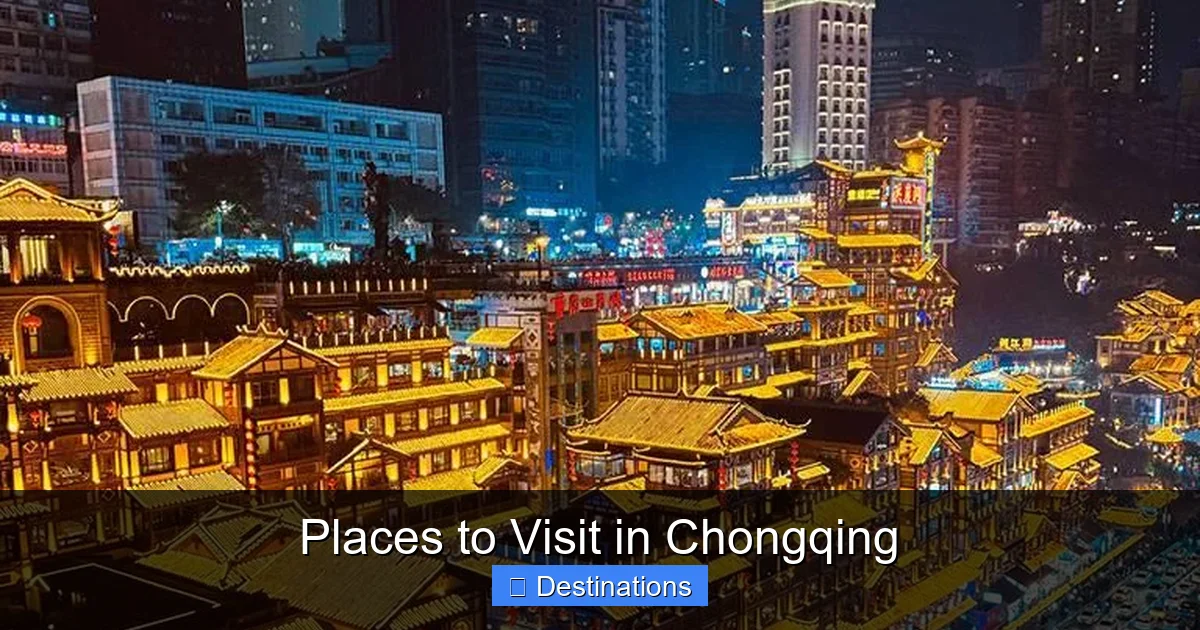
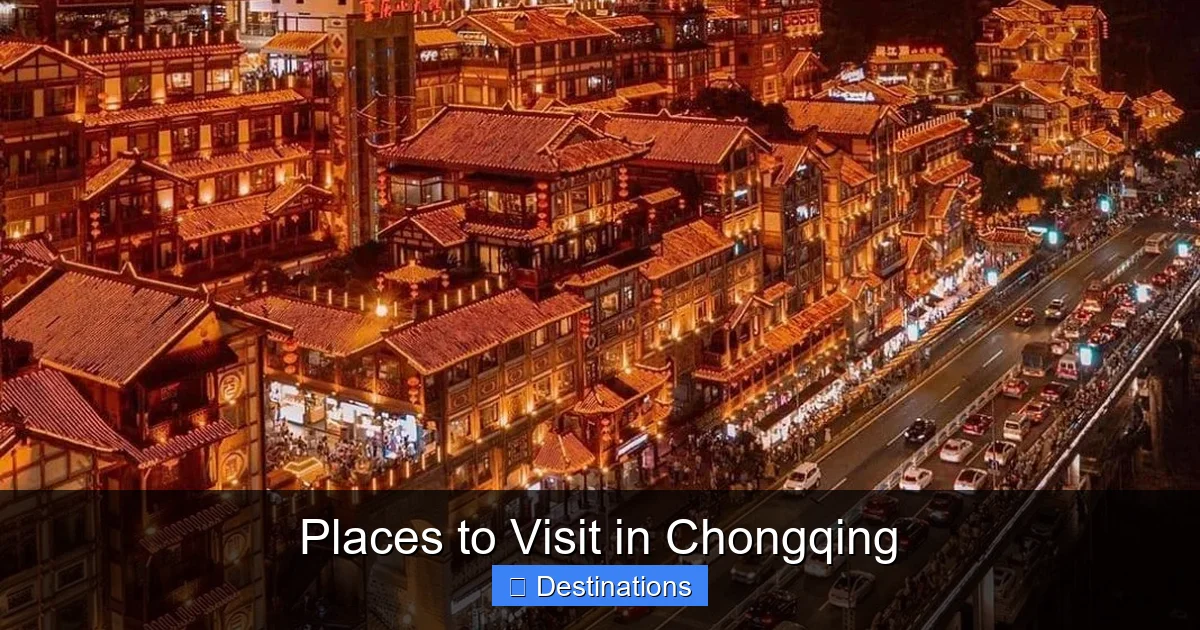
Perched on the edge of the Jialing River, Hongya Cave is a stilted architectural marvel that looks like something out of a fantasy film. Built into a cliff face, this 11-story complex blends traditional Bayu-style architecture with modern shopping, dining, and entertainment. At night, the entire structure glows with thousands of LED lights, reflecting beautifully on the water below. It’s especially magical during the evening light show, which starts around 7 PM.
Tip: Visit both during the day and at night to see the full transformation. The upper levels offer great photo ops, while the lower floors are packed with street food vendors selling everything from grilled squid to sweet rice balls.
Best Stay Deals Available
Compare prices across top booking platforms and find the best deal for your stay.
Check Available RoomsLiberation Monument & Jiefangbei CBD
The heart of Chongqing’s commercial district, Jiefangbei is a bustling hub of shopping malls, street performers, and neon signs. The Liberation Monument itself is a historic landmark commemorating China’s victory in WWII. Today, it stands surrounded by luxury brands and local boutiques. It’s also a great starting point for exploring nearby pedestrian streets like Bayi Road, famous for its late-night snack stalls.
Chongqing Rail Transit (Monorail)
One of the most unique ways to see the city is by riding the Chongqing monorail—specifically Line 2, which famously passes through the Liziba Station building. Trains literally run through the sixth floor of a residential complex! It’s a quirky example of how the city adapts to its mountainous terrain. Grab a seat near the window for a surreal urban ride.
Natural Wonders and Scenic Spots
Visual guide about Places to Visit in Chongqing
Image source: images.moondeveloper.com
Beyond the city limits, Chongqing offers stunning natural landscapes that are easily accessible for day trips.
Three Gorges (Sanxia)
A UNESCO World Heritage site, the Three Gorges stretch along the Yangtze River and are best explored on a river cruise. The Qutang, Wu, and Xiling Gorges offer breathtaking views of towering cliffs, lush forests, and traditional riverside villages. While full cruises take several days, you can join shorter excursions from Chongqing that last 1–2 days and still capture the essence of this natural wonder.
Tip: Book a cabin on the upper deck for unobstructed views. Early morning departures offer the best light and fewer crowds.
Wulong Karst National Geology Park
Located about 2.5 hours from Chongqing, Wulong is home to some of the world’s most impressive karst formations. Highlights include the Three Natural Bridges—gigantic stone arches that look like they belong in a movie—and Furong Cave, a massive limestone cavern with underground rivers and rare calcite crystals. The park is also where parts of the film *Transformers: Age of Extinction* were shot.
Nanshan Mountain and Laojun Cave
For panoramic views of Chongqing’s skyline, head to Nanshan Mountain. The summit offers sweeping vistas, especially at sunset. Along the way, stop at Laojun Cave, a Taoist temple carved into the mountainside with peaceful gardens and meditation spots. It’s a quiet retreat from the city’s hustle.
Cultural and Historical Sites
Visual guide about Places to Visit in Chongqing
Image source: livingnomads.com
Chongqing’s past is deeply tied to wartime history and traditional Chinese culture.
Ciqikou Ancient Town
Dating back over 1,000 years, Ciqikou is a well-preserved Ming and Qing dynasty village known for its narrow alleys, red lanterns, and handicraft shops. It’s a great place to try local snacks like mala tang (spicy skewers), buy handmade paper umbrellas, or watch traditional Sichuan opera performances. The town gets crowded on weekends, so visit early in the morning for a more relaxed experience.
China Three Gorges Museum
Located near the People’s Assembly Hall, this museum offers deep insights into the history, culture, and environmental impact of the Three Gorges Dam. Exhibits include ancient artifacts, wartime memorabilia from Chongqing’s role as China’s provisional capital during WWII, and interactive displays on river ecology. Admission is free, making it a must-visit for history buffs.
Dazu Rock Carvings (Day Trip)
Though technically in neighboring Sichuan Province, the Dazu Rock Carvings are just a 1.5-hour drive from Chongqing and well worth the trip. These UNESCO-listed Buddhist, Confucian, and Taoist sculptures, carved into cliff faces between the 7th and 13th centuries, are among China’s finest religious artworks. The Baodingshan site features over 50,000 statues and is particularly stunning.
Food and Nightlife: A Feast for the Senses
No visit to Chongqing is complete without diving into its legendary food scene.
Hotpot: The City’s Signature Dish
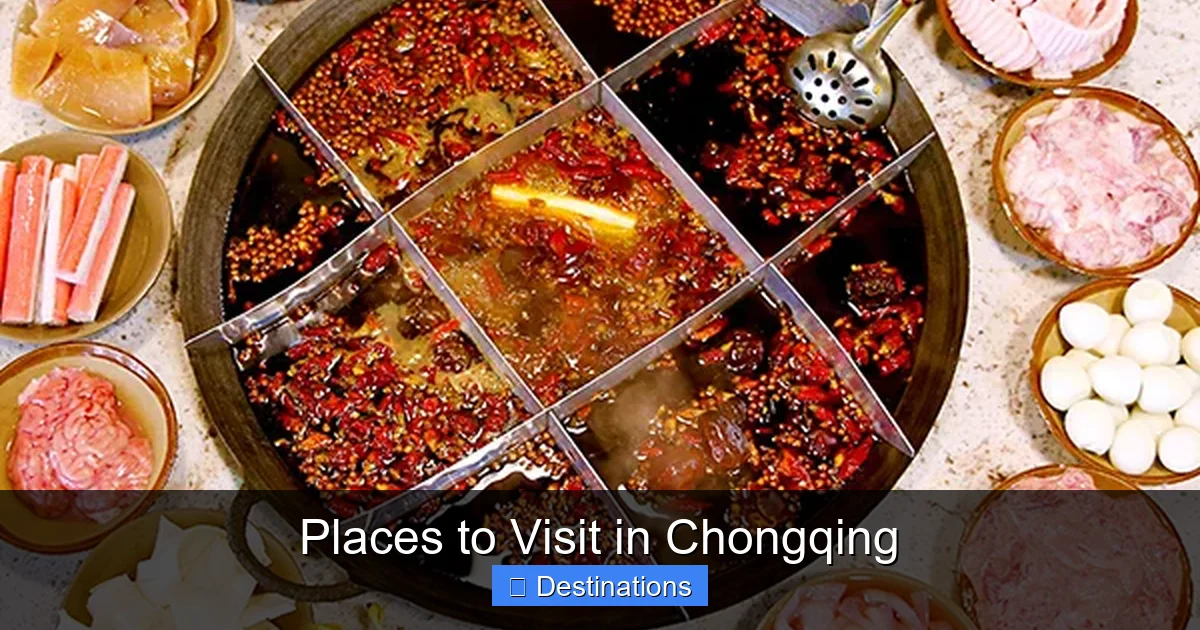
Chongqing claims to be the birthplace of hotpot, and locals take their spice seriously. A traditional Chongqing hotpot features a fiery red broth loaded with Sichuan peppercorns, dried chilies, and beef tallow. Popular spots include Xiaolongkan and Dezhuang, but for a more authentic vibe, try a hole-in-the-wall eatery in the Yuzhong District. Don’t forget to order offal, lotus root, and handmade noodles.
Tip: Ask for “mild” spice if you’re not used to extreme heat—even locals joke that their hotpot can “melt your soul.”
Night Markets and Riverside Dining
As evening falls, the city comes alive with street food and neon-lit promenades. Nanbin Road along the Yangtze River is lined with open-air restaurants serving grilled fish, spicy crawfish, and cold beer. For a more local experience, visit the Xiejiawan Night Market, where vendors sizzle up everything from stinky tofu to sugar-coated hawthorns.
Practical Tips for Visiting Chongqing
Getting Around
Chongqing’s public transport is efficient and affordable. The metro system covers most major attractions, and taxis are cheap (starting at around ¥10). Download DiDi (China’s Uber) for easy rides. Be prepared for confusing addresses—many buildings have multiple entrances on different levels due to the hilly terrain.
Best Time to Visit
Spring (March–May) and autumn (September–November) offer mild weather and clear skies. Summers are hot and humid, while winters are foggy but rarely cold. Avoid Chinese national holidays like Golden Week, when crowds swell.
Language and Communication
English is not widely spoken, so download a translation app like Google Translate or Pleco. Many signs are in Chinese only, but major tourist spots often have English menus and maps.
Conclusion: Why Chongqing Deserves a Spot on Your China Itinerary
Chongqing is more than just a stopover en route to the Three Gorges—it’s a destination in its own right. With its mix of futuristic energy, ancient traditions, and mouthwatering cuisine, it offers a uniquely Chinese experience that’s both thrilling and deeply cultural. Whether you’re marveling at a monorail weaving through apartments, savoring a blistering hotpot, or standing in awe before 1,000-year-old rock carvings, Chongqing leaves a lasting impression. For travelers seeking adventure beyond the usual tourist trail, this mountain city delivers in spades.
If you’re planning a broader China trip, consider pairing Chongqing with other vibrant destinations. Check out our guide to the 10 best places to visit in Vietnam for a Southeast Asian extension, or explore the best places to visit in Thailand for singles if you’re traveling solo. For urban explorers, our 10 places to visit in Dallas offers a fun U.S. city comparison.
Frequently Asked Questions
What is the best way to get from Chongqing to the Three Gorges?
The most popular way is by taking an overnight cruise from Chongqing Port. These cruises typically last 4 days and include stops at key gorges and attractions. Shorter day trips are also available by bus or private tour.
Can I visit Chongqing with kids?
Yes! Chongqing has family-friendly attractions like the Chongqing Zoo (home to giant pandas), amusement parks, and scenic river cruises. The city’s mix of nature and culture keeps children engaged.
Is English widely spoken in Chongqing?
English is limited, especially outside major hotels and tourist areas. Learning a few basic Mandarin phrases or using a translation app will greatly enhance your experience.
What is the local currency in Chongqing?
The local currency is the Chinese Yuan (CNY or ¥). Credit cards are accepted in larger establishments, but cash is preferred at street markets and small restaurants.
Are there vegetarian options in Chongqing?
Yes, though meat and spice dominate the cuisine. Look for Buddhist vegetarian restaurants near temples or ask for “su shi” (vegetarian food) at hotpot places, which often offer vegetable and tofu options.
What is the weather like in Chongqing?
Chongqing has a humid subtropical climate. Summers are hot and rainy, winters are cool and foggy, and spring and autumn are the most pleasant seasons to visit.