
Croatia is a dream destination blending ancient history, breathtaking coastlines, and vibrant culture. Whether you’re exploring walled cities, island-hopping in the Adriatic, or hiking through lush national parks, this Mediterranean gem offers unforgettable experiences for every traveler.
Croatia has quietly become one of Europe’s most beloved travel destinations—and for good reason. With over a thousand islands dotting the crystal-clear Adriatic Sea, medieval towns perched on cliffs, and national parks that look like they’re straight out of a fairy tale, this Balkan gem offers something for everyone. Whether you’re a history buff, a nature lover, or just someone who enjoys sipping wine by the sea, Croatia delivers.
Check the latest prices and available rooms before they sell out.
What makes Croatia truly special is how seamlessly it blends the old with the new. You can walk through a 1,700-year-old Roman palace in the morning and end the day dancing at a beach club on a car-free island. The country’s compact size means you can easily explore multiple regions in one trip, from the bustling streets of Zagreb to the serene lakes of Plitvice. Plus, the locals are warm, the food is delicious, and the pace of life feels just right—relaxed but full of charm.
Key Takeaways
- Dubrovnik is a must-see: Known as the “Pearl of the Adriatic,” its medieval walls and Old Town are UNESCO-listed and perfect for history lovers.
- Split offers Roman grandeur: Home to Diocletian’s Palace, this coastal city blends ancient architecture with modern energy and seaside charm.
- Plitvice Lakes National Park is a natural wonder: Famous for cascading waterfalls and turquoise lakes, it’s ideal for hiking and photography.
- The islands are paradise: Hvar, Brač, and Korčula offer beaches, nightlife, and quiet villages—perfect for a relaxed or lively escape.
- Zagreb blends old and new: Croatia’s capital features cobblestone streets, museums, and a lively café culture in a compact, walkable center.
- Local cuisine is a highlight: Try fresh seafood, peka (slow-cooked meat and veggies), and local wines like Plavac Mali.
- Travel between destinations is easy: Well-connected ferries, buses, and rental cars make island-hopping and inland exploration simple.
Quick Answers to Common Questions
What is the best time to visit Croatia?
The best time to visit Croatia is late spring (May–June) or early fall (September–October), when the weather is warm, the seas are calm, and crowds are smaller than in peak summer.
Do I need a visa to visit Croatia?
Croatia is part of the Schengen Area. Visitors from the EU, US, Canada, and many other countries can enter visa-free for up to 90 days. Always check current entry requirements before traveling.
Is Croatia expensive for tourists?
Croatia is generally affordable compared to Western Europe, though prices in popular coastal towns like Dubrovnik can be higher in summer. Budget travelers can enjoy great value with local meals and public transport.
Can you swim in the Adriatic Sea?
Yes! The Adriatic Sea is clean, warm, and perfect for swimming. Many beaches are pebbly, so water shoes are helpful. Popular swimming spots include Banje Beach in Dubrovnik and Zlatni Rat on Brač.
How many days do you need to see Croatia?
A 7–10 day trip allows you to explore 2–3 main destinations, such as Dubrovnik, Split, and Plitvice Lakes, with time for island-hopping or a visit to Zagreb.
📑 Table of Contents
Dubrovnik: The Pearl of the Adriatic
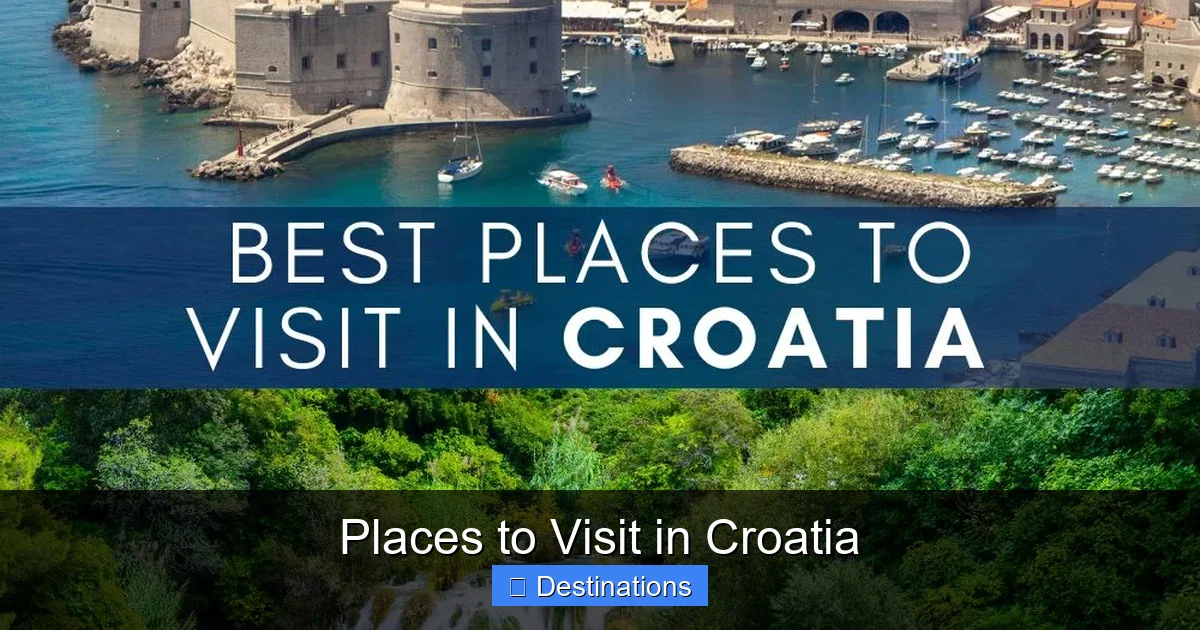
If there’s one place that defines Croatia’s magic, it’s Dubrovnik. This walled city on the southern coast has been captivating visitors for centuries, and today it’s more popular than ever—thanks in part to its starring role as King’s Landing in *Game of Thrones*. But even without the fame, Dubrovnik stands on its own as a masterpiece of medieval architecture and coastal beauty.
Find the Best Accommodation Deals
Compare prices from multiple booking platforms and find the best option for your stay.
Compare Hotel PricesWalking the City Walls
One of the top things to do in Dubrovnik is walking the ancient city walls. Stretching nearly 2 kilometers, they offer panoramic views of red-tiled roofs, the shimmering Adriatic, and the terracotta rooftops of the Old Town. Go early in the morning or late in the afternoon to avoid crowds and catch the golden light—perfect for photos.
Exploring the Old Town
Inside the walls, the Old Town is a maze of narrow cobblestone streets, baroque churches, and charming squares. Don’t miss the Franciscan Monastery, home to one of Europe’s oldest pharmacies, or the bustling Stradun, the main pedestrian street. Grab a coffee at one of the outdoor cafés and people-watch as locals and tourists mingle.
Find the Best Accommodation Deals
Compare prices from multiple booking platforms and discover the best stay options available.
⭐ Trusted by thousands of travelers
💰 Budget to luxury options available
Day Trips to Lokrum Island
Just a 10-minute ferry ride away, Lokrum Island is a peaceful escape with botanical gardens, a peacock sanctuary, and a small saltwater lake perfect for swimming. It’s a great way to cool off and enjoy nature without leaving Dubrovnik.
Split: Where Ancient Rome Meets the Sea
Split is Croatia’s second-largest city and a vibrant hub where history and modern life collide. At its heart lies Diocletian’s Palace, a UNESCO World Heritage Site built by the Roman emperor in the 4th century. Unlike many ancient ruins, this palace isn’t just a museum—it’s a living, breathing part of the city, filled with homes, shops, and restaurants.
Diocletian’s Palace
Wander through the palace’s underground cellars, climb the bell tower of St. Lawrence Cathedral for city views, or sip an espresso in the Peristyle, the grand central courtyard. The palace’s blend of Roman, Gothic, and Renaissance architecture tells the story of centuries of history.
Best Stay Deals Available
Compare prices across top booking platforms and find the best deal for your stay.
Check Available Rooms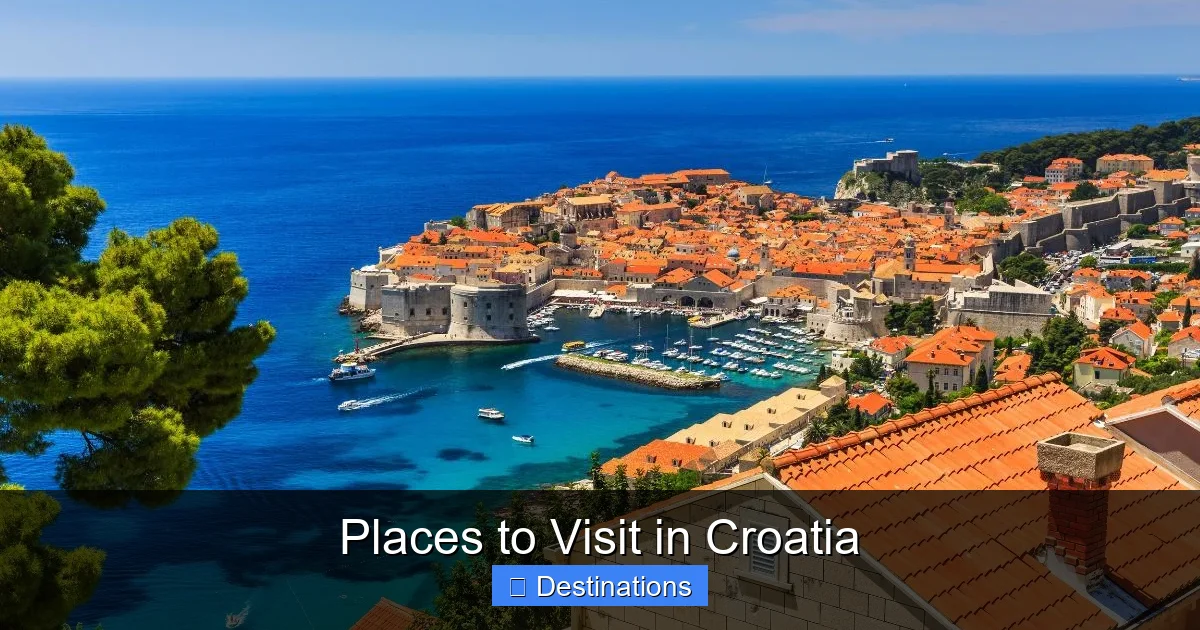
Visual guide about Places to Visit in Croatia
Image source: savoredjourneys.com
Riva Waterfront Promenade
The Riva is Split’s lively seaside promenade, lined with palm trees, cafés, and locals enjoying the evening passeggiata (stroll). It’s the perfect spot to people-watch, grab a gelato, or watch the sunset over the harbor.
Day Trip to Trogir
Just 25 kilometers west of Split, the UNESCO-listed town of Trogir is a medieval gem with a stunning cathedral, narrow alleys, and a picturesque harbor. It’s an easy and rewarding day trip, especially if you love history and photography.
Plitvice Lakes National Park: A Natural Wonder
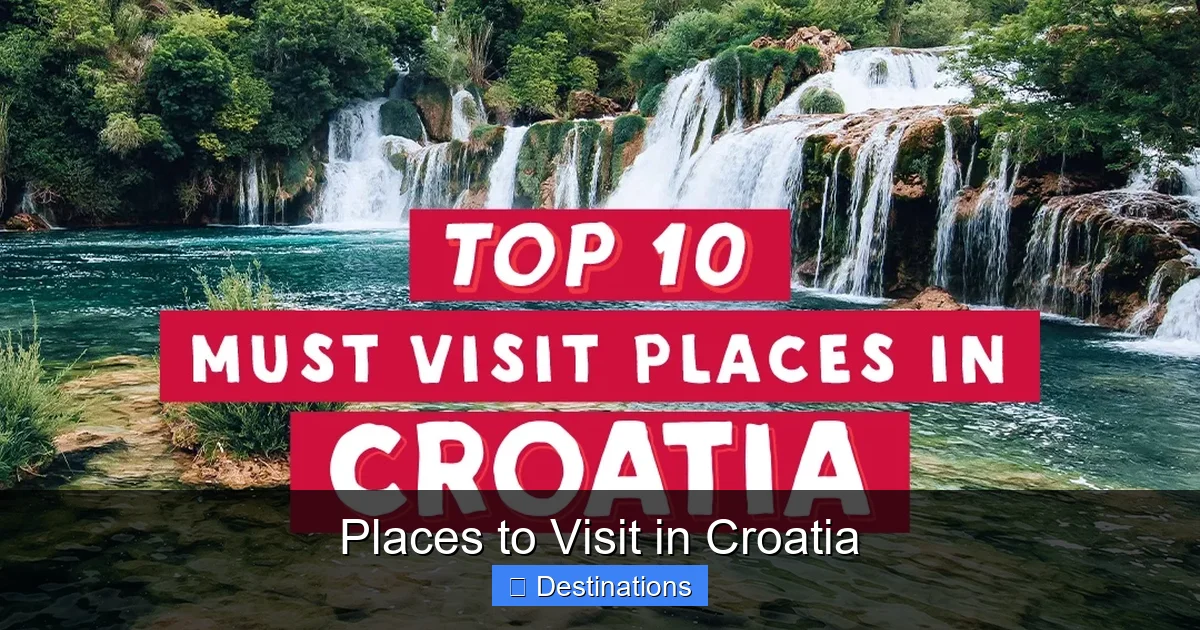
If you’re looking for Croatia’s most iconic natural attraction, Plitvice Lakes National Park is it. Located in central Croatia, this UNESCO site is famous for its 16 terraced lakes connected by waterfalls, all surrounded by dense forests and hiking trails. The water changes color throughout the day—shifting from emerald to turquoise to deep blue—depending on the minerals and angle of the sun.
Hiking the Trails
The park offers several well-marked trails, ranging from easy boardwalks to more challenging hikes. The most popular route takes you past the Great Waterfall and through the Upper and Lower Lakes. Wear comfortable shoes and bring a rain jacket—the mist from the waterfalls can be refreshing but damp!
Visual guide about Places to Visit in Croatia
Image source: danflyingsolo.com
Boat and Train Rides
To see more of the park without extra walking, take the electric boat across Kozjak Lake or ride the panoramic train through the forested areas. These are included in your ticket and add a fun, scenic element to your visit.
Best Time to Visit
Spring and early summer are ideal, when the water levels are high and the foliage is lush. Summer brings crowds, so arrive early. Autumn offers stunning colors, while winter transforms the park into a snowy wonderland—though some trails may be closed.
The Croatian Islands: Island-Hopping in Paradise
With over 1,200 islands, Croatia is a dream for island lovers. While only about 50 are inhabited, each offers its own vibe—from party hotspots to quiet retreats. Ferries run regularly between the mainland and major islands, making it easy to hop from one to the next.
Hvar: Sun, Sea, and Sophistication
Hvar is known for its glamorous reputation, lavender fields, and vibrant nightlife. The town of Hvar sits beneath a hilltop fortress, offering stunning views and a charming old town. Visit the Pakleni Islands for secluded beaches and clear waters perfect for snorkeling.
Visual guide about Places to Visit in Croatia
Image source: trutravels.com
Brač: Home to the World’s Most Beautiful Beach
Brač is famous for Zlatni Rat (Golden Horn), a unique pebble beach that changes shape with the wind and currents. It’s a hotspot for windsurfers and kiteboarders, but also peaceful enough for a quiet swim. The island also produces excellent olive oil and white wine.
Korčula: The Birthplace of Marco Polo?
This medieval island town is said to be the birthplace of Marco Polo. Korčula’s Old Town is built on a small peninsula, with narrow streets designed to protect against wind. Enjoy local white wines like Pošip and explore the island’s lush interior on a bike or scooter.
Zagreb: Croatia’s Charming Capital
While the coast gets most of the attention, Zagreb—the capital—offers a different kind of charm. It’s a city of cobblestone streets, quirky museums, and cozy cafés. Perfect for a few days of culture and relaxation before or after your coastal adventures.
Upper Town (Gornji Grad)
This historic district is home to St. Mark’s Church with its colorful tiled roof, the Lotrščak Tower, and the Museum of Broken Relationships—a unique exhibit about love and loss that’s both funny and touching.
Dolac Market
Zagreb’s main open-air market is a feast for the senses. Smell fresh herbs, taste local cheeses, and pick up seasonal fruits. It’s a great place to experience daily life and pick up picnic supplies.
Tkalčićeva Street
Once a stream, this pedestrian street is now lined with bars and restaurants. It’s the heart of Zagreb’s nightlife, especially in the summer when outdoor seating spills onto the sidewalks.
Local Cuisine and Wine
Croatian food is a delicious mix of Mediterranean and Central European influences. Seafood dominates the coast—grilled fish, octopus salad, and black risotto (made with cuttlefish ink) are staples. Inland, try peka, a dish of meat and vegetables slow-cooked under a bell-shaped lid.
Don’t miss trying local wines. The Pelješac Peninsula produces robust reds like Plavac Mali, while the islands are known for crisp whites such as Malvazija and Grk. Many wineries offer tastings and tours—perfect for a relaxed afternoon.
Travel Tips for Visiting Croatia
- Best time to visit: Late spring (May–June) and early fall (September–October) offer great weather and fewer crowds.
- Transportation: Rent a car for flexibility, or use buses and ferries for island-hopping. Trains connect major cities like Zagreb and Split.
- Currency: Croatia uses the euro (€) as of 2023.
- Language: Croatian is the official language, but English is widely spoken in tourist areas.
- Accommodation: From luxury resorts to family-run guesthouses, options are plentiful. Book early in peak season.
Conclusion
Croatia is more than just a pretty coastline—it’s a country rich in history, culture, and natural beauty. Whether you’re exploring ancient cities, swimming in turquoise lakes, or sipping wine on a quiet island, every moment feels special. With so many incredible places to visit in Croatia, it’s easy to see why travelers keep coming back. Start planning your trip, and get ready to fall in love with one of Europe’s most enchanting destinations.
Frequently Asked Questions
Is Croatia safe for tourists?
Yes, Croatia is considered very safe for tourists. Crime rates are low, and the country welcomes millions of visitors each year. As with any destination, stay aware of your surroundings and keep valuables secure.
What should I pack for a trip to Croatia?
Pack light, breathable clothing for summer, a swimsuit, sunscreen, and comfortable walking shoes. Include a light jacket for cooler evenings and water shoes for rocky beaches.
Are there direct flights to Croatia?
Yes, many European cities offer direct flights to Zagreb, Split, and Dubrovnik. During summer, seasonal flights from the UK, Germany, and Scandinavia are common.
Can I visit Croatia with kids?
Absolutely! Croatia is family-friendly, with safe beaches, easy hikes, and engaging historical sites. Islands like Hvar and Brač are great for families, and many hotels offer kid-friendly amenities.
What is the local currency in Croatia?
Croatia adopted the euro (€) in 2023. Credit cards are widely accepted, but it’s good to carry some cash for small purchases and rural areas.
Do I need to rent a car in Croatia?
It depends on your itinerary. A car is helpful for exploring national parks and inland areas, but ferries and buses are efficient for island-hopping and coastal travel.