
Egypt is a treasure trove of ancient wonders, stunning landscapes, and rich culture. From the iconic pyramids of Giza to the serene waters of the Red Sea, this timeless destination offers unforgettable experiences for every traveler.
Egypt is more than just a destination—it’s a journey through time. With a history stretching back over 5,000 years, this North African gem is home to some of the world’s most iconic landmarks. Whether you’re drawn to ancient mysteries, sun-drenched beaches, or vibrant local culture, Egypt delivers an experience like no other. From the towering Pyramids of Giza to the calm waters of the Red Sea, every corner of this country tells a story.
Check the latest prices and available rooms before they sell out.
What makes Egypt truly special is its perfect blend of past and present. You can spend the morning walking among 4,500-year-old tombs and the afternoon sipping mint tea in a bustling Cairo café. The country’s diverse landscapes—deserts, rivers, coastlines, and oases—offer endless opportunities for adventure and relaxation. Whether you’re a history buff, a nature lover, or simply in need of a unique getaway, Egypt has something for everyone.
Key Takeaways
- Cairo is a must-visit: Home to the Pyramids of Giza, the Sphinx, and the Egyptian Museum, it’s the heart of Egypt’s historical legacy.
- Luxor feels like an open-air museum: Explore the Valley of the Kings, Karnak Temple, and Luxor Temple on the east and west banks of the Nile.
- Aswan offers tranquility and beauty: Visit the Philae Temple, take a felucca ride, and enjoy Nubian culture along the Nile.
- Hurghada and Sharm El Sheikh are perfect for relaxation: These Red Sea resorts offer world-class diving, snorkeling, and beachfront luxury.
- A Nile cruise is a highlight: Sail between Luxor and Aswan to see temples and villages while enjoying onboard comfort.
- Alexandria blends history and Mediterranean charm: Don’t miss the Bibliotheca Alexandrina, Qaitbay Citadel, and seaside cafes.
- Best time to visit is October to April: Cooler weather makes exploring outdoor sites more enjoyable.
Quick Answers to Common Questions
What are the top places to visit in Egypt?
The top places include the Pyramids of Giza, Luxor’s Valley of the Kings, Aswan’s Philae Temple, Hurghada and Sharm El Sheikh for beaches, and Alexandria for Mediterranean charm.
Is it safe to travel to Egypt?
Yes, most tourist areas in Egypt are safe for travelers. Stick to well-known sites, follow local advice, and avoid remote regions near borders.
When is the best time to visit Egypt?
The best time is from October to April, when temperatures are cooler and more comfortable for sightseeing.
Do I need a visa to visit Egypt?
Most travelers can obtain a visa on arrival at Egyptian airports, or apply for an e-visa online before traveling.
Can I drink the tap water in Egypt?
It’s recommended to drink bottled water to avoid stomach issues, especially for first-time visitors.
📑 Table of Contents
Cairo: The Gateway to Ancient Wonders
Cairo, Egypt’s bustling capital, is where modern life meets ancient history. It’s the starting point for most travelers and a city that never sleeps. The energy here is infectious, with crowded streets, honking cars, and the constant hum of activity. But beneath the chaos lies a deep cultural richness that’s impossible to ignore.
Find the Best Accommodation Deals
Compare prices from multiple booking platforms and find the best option for your stay.
Compare Hotel PricesThe Pyramids of Giza and the Sphinx
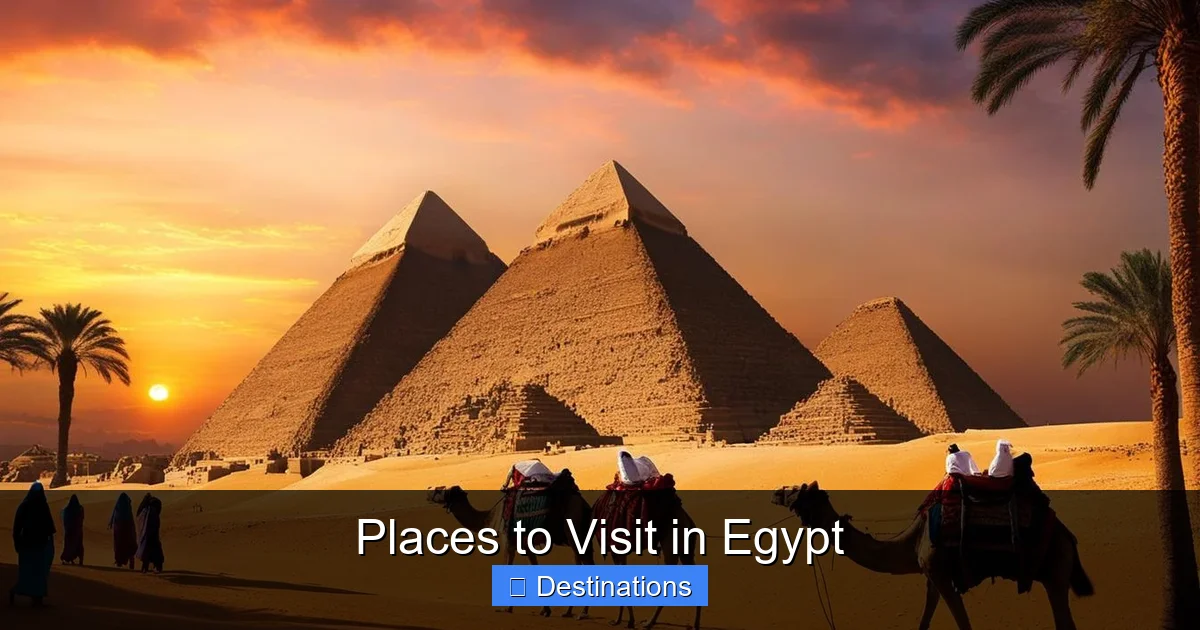
No trip to Egypt is complete without visiting the Pyramids of Giza. These monumental structures, built as tombs for pharaohs, have stood for millennia and remain one of the Seven Wonders of the Ancient World. The Great Pyramid of Khufu is the largest and most famous, but the entire complex—including the Pyramid of Khafre, the Pyramid of Menkaure, and the enigmatic Sphinx—is awe-inspiring. Arrive early in the morning to avoid the heat and crowds, and consider hiring a local guide to share fascinating stories about the construction and purpose of these wonders.
The Egyptian Museum and Islamic Cairo
Just a short drive from the pyramids, the Egyptian Museum in Tahrir Square houses the world’s largest collection of Pharaonic artifacts. Highlights include the golden mask of Tutankhamun, mummies of ancient rulers, and thousands of relics from tombs and temples. Afterward, wander through Islamic Cairo, where narrow alleys lead to historic mosques, bustling bazaars, and the famous Khan el-Khalili market. Don’t leave without trying koshari, Egypt’s beloved street food dish.
Find the Best Accommodation Deals
Compare prices from multiple booking platforms and discover the best stay options available.
⭐ Trusted by thousands of travelers
💰 Budget to luxury options available
Luxor: The World’s Greatest Open-Air Museum
Visual guide about Places to Visit in Egypt
Image source: egyptinsights.com
Best Stay Deals Available
Compare prices across top booking platforms and find the best deal for your stay.
Check Available RoomsLocated on the east bank of the Nile, Luxor is often called the world’s greatest open-air museum—and for good reason. This city is packed with temples, tombs, and monuments that showcase the grandeur of ancient Egypt. It’s a must-visit for anyone fascinated by history and archaeology.
Valley of the Kings and Hatshepsut’s Temple
On the west bank of the Nile lies the Valley of the Kings, where pharaohs were buried in elaborately decorated tombs. Over 60 tombs have been discovered, including that of Tutankhamun. While not all are open to the public, a few—like the tomb of Ramses VI—offer a glimpse into the afterlife beliefs of ancient Egyptians. Nearby, the mortuary temple of Hatshepsut stands out with its striking architecture carved into the cliffs. This female pharaoh ruled with power and vision, and her temple is a testament to her legacy.
Karnak and Luxor Temples
On the east bank, the Karnak Temple Complex is one of the largest religious sites in the world. Spanning over 200 acres, it includes massive columns, towering obelisks, and sacred lakes. The Avenue of Sphinxes connects Karnak to Luxor Temple, another stunning site illuminated beautifully at night. Visiting both temples at sunset offers a magical experience, with golden light reflecting off ancient stones.
Aswan: Serenity by the Nile
Visual guide about Places to Visit in Egypt
Image source: egypttourz.com
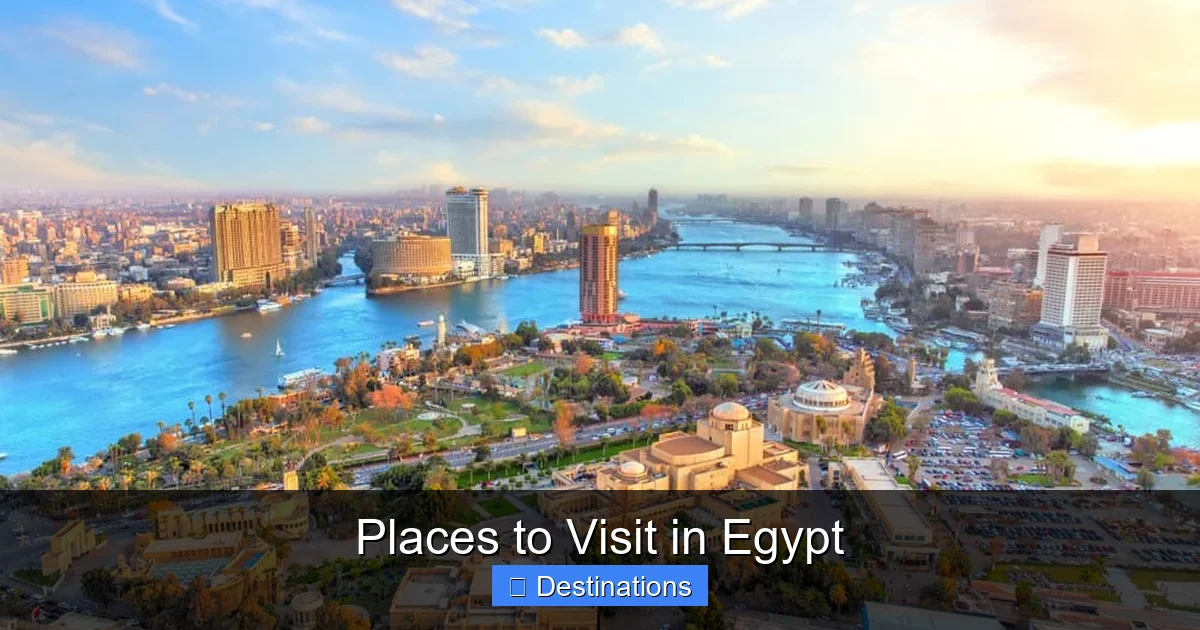
Aswan, in southern Egypt, offers a slower pace and breathtaking scenery. Known for its Nubian culture, colorful villages, and tranquil river views, it’s the perfect place to unwind after exploring busier cities.
Philae Temple and Agilkia Island
The Philae Temple, dedicated to the goddess Isis, was relocated to Agilkia Island after the construction of the Aswan High Dam threatened to submerge it. The rescue operation was a marvel of modern engineering, and today, visitors can reach the temple by boat. The island setting adds to the temple’s charm, especially when lit up at night.
Felucca Rides and Nubian Villages
A felucca ride on the Nile is a must-do in Aswan. These traditional sailboats offer a peaceful way to see the riverbanks, islands, and local life. Many tours include a stop at a Nubian village, where you can meet locals, enjoy homemade food, and admire vibrant houses painted in bright colors. It’s a heartwarming glimpse into a culture that has preserved its traditions for generations.
Red Sea Resorts: Beach Bliss and Underwater Adventures
Visual guide about Places to Visit in Egypt
Image source: worldatlas.com
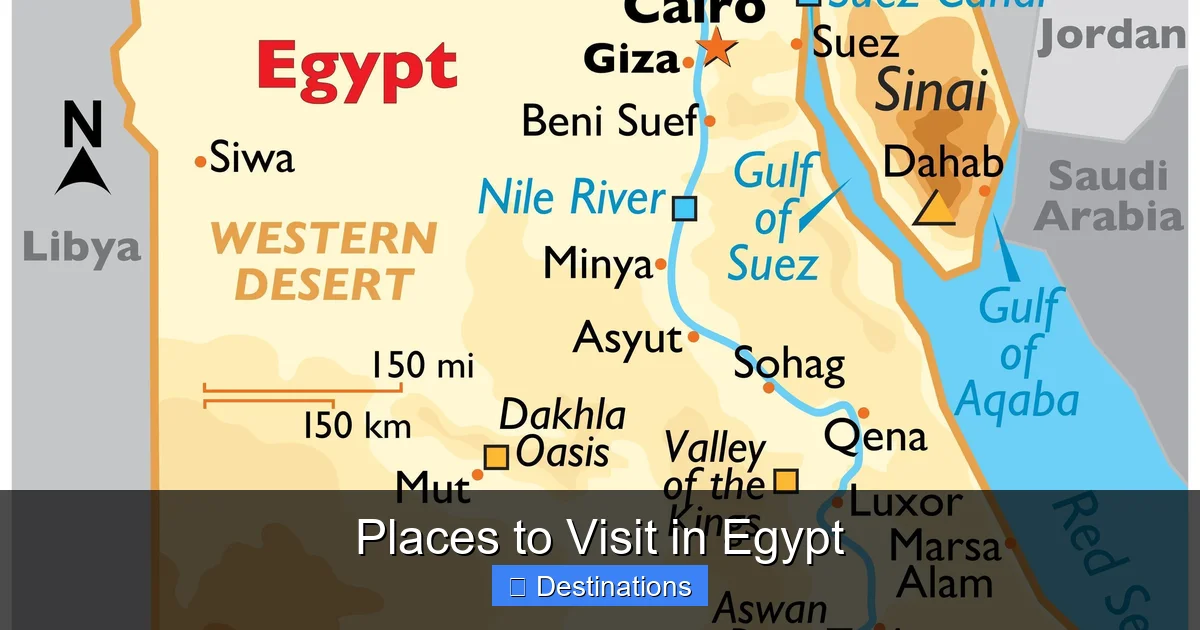
For travelers seeking sun, sand, and sea, Egypt’s Red Sea coast is a paradise. Hurghada and Sharm El Sheikh are two of the most popular resort towns, offering luxury hotels, crystal-clear waters, and some of the best diving in the world.
Hurghada: Fun and Relaxation Combined
Hurghada is known for its lively atmosphere, water sports, and vibrant nightlife. Whether you’re snorkeling among coral reefs, trying windsurfing, or simply lounging on the beach, there’s something for everyone. The nearby Giftun Islands are perfect for day trips, with pristine beaches and excellent marine life.
Sharm El Sheikh: A Diver’s Dream
Sharm El Sheikh, located at the southern tip of the Sinai Peninsula, is a top destination for scuba diving. The Ras Mohammed National Park is a protected marine reserve with stunning coral formations and diverse fish species. Even if you’re not a diver, the beaches here are among the most beautiful in Egypt, with soft sand and calm waters.
Alexandria: Where History Meets the Mediterranean
Egypt’s second-largest city, Alexandria, offers a different vibe from the rest of the country. With its Mediterranean coastline, European influences, and rich literary history, it’s a refreshing change of pace.
Bibliotheca Alexandrina and Qaitbay Citadel
The modern Bibliotheca Alexandrina is a tribute to the ancient Library of Alexandria, once the largest library in the world. Today, it’s a cultural hub with museums, exhibitions, and a vast collection of books. Nearby, the Qaitbay Citadel, built on the site of the ancient Lighthouse of Alexandria, offers panoramic views of the sea and city.
Seaside Cafes and Local Flavors
Alexandria is famous for its seafood and relaxed café culture. Stroll along the Corniche, enjoy fresh grilled fish at a waterfront restaurant, or sip tea at a historic café like El Attarine. The city’s blend of history, culture, and coastal charm makes it a delightful stop on any Egyptian itinerary.
Tips for Traveling in Egypt
To make the most of your trip, keep these practical tips in mind. First, dress modestly, especially when visiting religious sites. Light, breathable clothing is ideal for the hot climate, but cover shoulders and knees when appropriate. Second, stay hydrated and protect yourself from the sun—hats, sunscreen, and sunglasses are essential. Third, learn a few basic Arabic phrases; locals appreciate the effort, and it can enhance your experience.
When it comes to transportation, domestic flights are quick and affordable for long distances, while trains and buses connect major cities. For shorter trips, taxis and ride-sharing apps like Uber work well in urban areas. Always agree on a fare before getting into a taxi, or use a metered one if available.
Finally, consider hiring local guides at major sites. They provide invaluable insights and can help you navigate crowded areas. And don’t forget to try the food—Egyptian cuisine is delicious and diverse, from falafel and taameya (falafel made with fava beans) to molokhia and basbousa.
Conclusion
Egypt is a destination that stays with you long after you’ve left. Its ancient wonders, vibrant cities, and natural beauty create a travel experience that’s both educational and deeply moving. Whether you’re standing in the shadow of the pyramids, sailing the Nile at sunset, or diving into the Red Sea’s underwater world, every moment feels special. With careful planning and an open mind, your trip to Egypt will be nothing short of extraordinary.
Frequently Asked Questions
How many days do I need to visit Egypt?
A minimum of 7–10 days is ideal to see the major sites, including Cairo, Luxor, Aswan, and a Red Sea resort. This allows time for travel and exploration without feeling rushed.
What should I pack for a trip to Egypt?
Pack lightweight, breathable clothing, a hat, sunscreen, comfortable walking shoes, and modest attire for religious sites. Don’t forget a reusable water bottle and a power adapter.
Are there family-friendly places to visit in Egypt?
Yes, many sites are family-friendly. Kids love the pyramids, felucca rides, and beach resorts. Consider visiting during cooler months for a more comfortable experience.
What is the currency in Egypt?
The Egyptian Pound (EGP) is the official currency. Credit cards are accepted in hotels and larger shops, but carry cash for markets and small vendors.
Can I visit Egypt on a budget?
Absolutely. Egypt offers affordable accommodations, food, and transportation. Staying in budget hotels, eating at local eateries, and using public transport can keep costs low.
Is photography allowed at Egyptian monuments?
Photography is generally allowed, but some tombs and museums charge an extra fee for camera use. Always check signs or ask staff before taking pictures.