
England is packed with must-see destinations that blend rich history, natural beauty, and modern charm. Whether you’re drawn to royal palaces, rolling countryside, or bustling urban centers, there’s something for every traveler.
England is a treasure trove of history, culture, and natural beauty—all packed into one compact island. Whether you’re a history buff, a nature enthusiast, or someone who just loves a good cup of tea in a cozy village pub, this country has something to offer. From the bustling streets of London to the serene lakes of Cumbria, England blends the old with the new in a way few countries can match.
Check the latest prices and available rooms before they sell out.
What makes England especially appealing is its diversity. In just a few hours by train, you can go from exploring Roman baths to hiking mountain trails or lounging on a sandy beach. The country’s well-connected transport system means you can easily hop between cities and countryside without the stress of long drives. Plus, many of the top attractions are either free or very affordable, making it a great destination for budget-conscious travelers.
Key Takeaways
- London offers world-class museums, iconic landmarks, and diverse neighborhoods perfect for first-time visitors.
- Stonehenge and Bath showcase England’s ancient heritage and Roman legacy.
- The Lake District is ideal for nature lovers and outdoor adventurers seeking scenic hikes and peaceful lakes.
- York and Oxford combine medieval charm with academic prestige and well-preserved architecture.
- Cornwall’s dramatic coastline and seaside towns offer a relaxing escape with stunning views.
- Public transport makes it easy to travel between major destinations across England.
- Many attractions offer discounted or free entry, especially for students and seniors.
Quick Answers to Common Questions
What is the best time to visit England?
The best time to visit England is during late spring (May to June) and early autumn (September to October), when the weather is mild and the crowds are smaller.
Do I need a car to travel around England?
No, you don’t need a car. England has an excellent public transport system, including trains and buses that connect most major destinations.
Are there free attractions in England?
Yes, many top attractions like the British Museum, National Gallery, and Hyde Park are completely free to visit.
How many days do I need to see England?
A week is enough for a highlights tour, but two weeks or more allows you to explore cities, countryside, and coastal areas in depth.
Is England expensive for tourists?
England can be pricey, but with smart planning—like using public transport and visiting free attractions—you can enjoy it on a budget.
📑 Table of Contents
London: The Heart of England
No trip to England is complete without spending time in its vibrant capital. London is more than just a city—it’s a global hub of art, history, fashion, and food. Whether you’re visiting for the first time or returning for another adventure, London never fails to impress.
Find the Best Accommodation Deals
Compare prices from multiple booking platforms and find the best option for your stay.
Compare Hotel PricesIconic Landmarks and Free Attractions
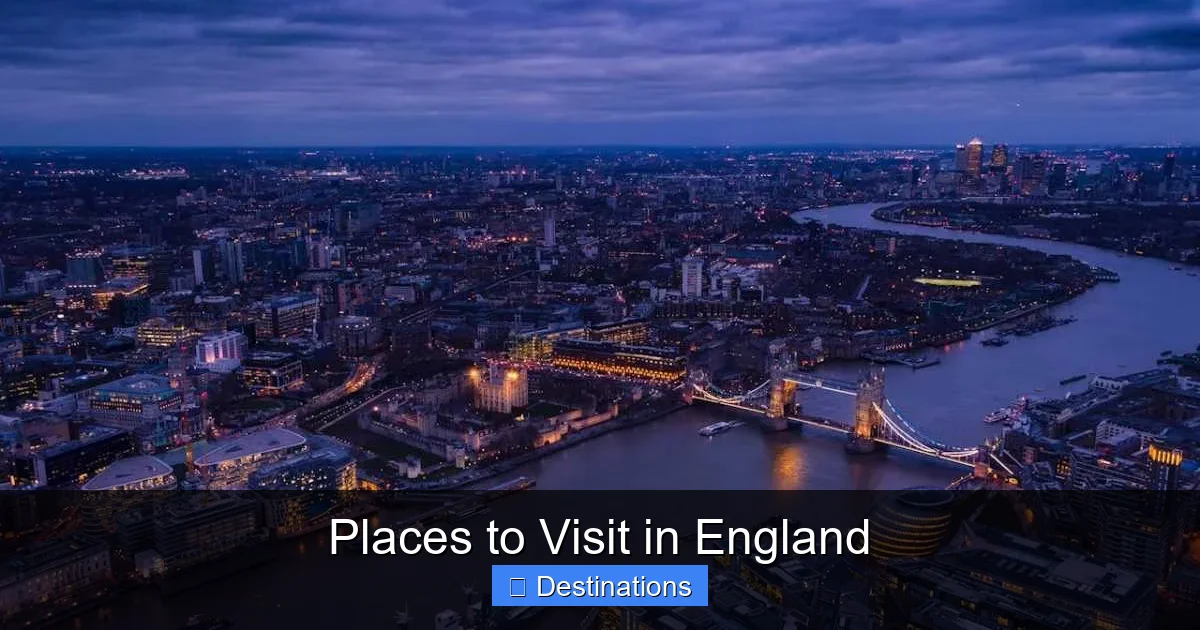
Start your journey at the Tower of London, where you can see the Crown Jewels and hear tales of royal intrigue. Just a short walk away, Tower Bridge offers stunning views of the Thames. For a dose of culture, head to the British Museum or the National Gallery—both are completely free to enter and house some of the world’s most important art and artifacts.
Don’t miss Buckingham Palace and the Changing of the Guard, a tradition that draws crowds from around the globe. If you’re lucky, you might even catch a royal event! For a quieter experience, stroll through Hyde Park or visit the serene Kyoto Garden in Holland Park.
Find the Best Accommodation Deals
Compare prices from multiple booking platforms and discover the best stay options available.
⭐ Trusted by thousands of travelers
💰 Budget to luxury options available
Neighborhoods to Explore
London is made up of distinct neighborhoods, each with its own personality. Camden is perfect for music lovers and alternative fashion, while Notting Hill charms visitors with its colorful houses and weekend market. For foodies, Borough Market is a must—sample everything from artisanal cheese to fresh oysters.
If you’re looking for a more local vibe, try Shoreditch for street art and trendy cafes, or Greenwich for maritime history and the Prime Meridian line. And if you’re traveling with kids, the interactive museums and green spaces like Regent’s Park will keep them entertained for hours.
Stonehenge and Bath: Ancient Wonders

Best Stay Deals Available
Compare prices across top booking platforms and find the best deal for your stay.
Check Available RoomsVisual guide about Places to Visit in England
Image source: arzotravels.com
Just a couple of hours from London, Stonehenge and Bath offer a glimpse into England’s ancient past. These two sites are often visited together on a day trip, and for good reason—they’re both UNESCO World Heritage Sites with fascinating stories to tell.
The Mystery of Stonehenge
Standing on Salisbury Plain, Stonehenge is one of the most famous prehistoric monuments in the world. Built over 4,000 years ago, its purpose remains a mystery—some believe it was a burial site, others a place of worship or astronomical observatory. Whatever the truth, walking among the massive stones is a humbling experience.
Visit early in the morning or late in the afternoon to avoid the crowds. The visitor center offers excellent exhibits that help explain the history and theories behind the site. You can even take a shuttle to the stones themselves and walk around the outer circle.
Roman Baths and Georgian Elegance
In the city of Bath, you’ll find beautifully preserved Roman baths dating back nearly 2,000 years. The thermal waters were once believed to have healing powers, and today, you can walk along the original Roman walkways and see the ancient Great Bath.
After exploring the baths, wander through the city’s elegant Georgian architecture. The Royal Crescent and the Circus are architectural masterpieces that showcase 18th-century design. Don’t forget to try the famous Bath buns—sweet, spiced pastries perfect with a cup of tea.
The Lake District: Nature’s Playground
Visual guide about Places to Visit in England
Image source: holidify.com
For those who love the outdoors, the Lake District is a dream destination. This national park in northwest England is famous for its rugged mountains, shimmering lakes, and charming villages. It’s also the home of poet William Wordsworth, who drew inspiration from the landscape.
Hiking and Scenic Drives
One of the best ways to experience the Lake District is on foot. Trails range from gentle lakeside walks to challenging mountain climbs like Scafell Pike, England’s highest peak. Popular routes include the trail around Lake Windermere and the ascent of Helvellyn, which offers breathtaking views.
If hiking isn’t your thing, scenic drives through the park are equally rewarding. The Kirkstone Pass and Honister Pass offer dramatic mountain scenery, while villages like Grasmere and Ambleside provide cozy cafes and local crafts.
Literary Connections and Local Flavors
Visit Dove Cottage in Grasmere, where Wordsworth lived and wrote some of his most famous poems. The nearby Wordsworth Museum offers insights into his life and work. And don’t leave without trying Grasmere Gingerbread—a local specialty that’s been made the same way since the 1850s.
York and Oxford: Historic Cities with Charm

Visual guide about Places to Visit in England
Image source: i.ytimg.com
England is full of historic cities, but York and Oxford stand out for their well-preserved architecture and rich academic traditions.
York: A Walk Through Time
York feels like stepping into a medieval storybook. The city’s narrow cobbled streets, known as “snickelways,” lead to landmarks like York Minster, one of the largest Gothic cathedrals in Northern Europe. The Jorvik Viking Centre offers an interactive journey into the city’s Viking past, complete with smells and sounds from 1,000 years ago.
Climb the city walls for panoramic views, or take a ghost walk to hear spooky tales from York’s haunted history. The Shambles, a倾斜的 medieval street lined with overhanging timber-framed buildings, is now home to quirky shops and Harry Potter-themed stores.
Oxford: The City of Dreaming Spires
Known for its world-famous university, Oxford is a city of dreaming spires, elegant colleges, and quiet quads. Take a guided walking tour to learn about the university’s 900-year history, or visit Christ Church College, which inspired parts of the Harry Potter films.
The Ashmolean Museum and the Bodleian Library are must-sees for history and art lovers. And if you’re feeling adventurous, try punting on the River Cherwell—just watch out for the ducks!
Cornwall: Coastal Beauty and Seaside Charm
At the southwestern tip of England, Cornwall offers a completely different vibe. With its rugged cliffs, golden beaches, and fishing villages, it’s the perfect place to unwind and enjoy the sea.
Beaches and Coastal Walks
Destinations like St Ives, Padstow, and Falmouth are known for their beautiful beaches and vibrant art scenes. The South West Coast Path runs through Cornwall, offering some of the best coastal hiking in the country. Sections like the walk from St Ives to Zennor are particularly scenic.
Food and Local Culture
Cornwall is famous for its seafood, especially fresh crab, lobster, and the iconic Cornish pasty. Many towns host weekly markets where you can sample local produce and handmade goods. Don’t miss a visit to the Eden Project, a futuristic botanical garden built in a reclaimed quarry.
Practical Tips for Traveling in England
To make the most of your trip, keep a few practical tips in mind. First, public transport is reliable and often the easiest way to get around. Trains connect major cities, and buses serve rural areas. Consider getting a rail pass if you plan to travel extensively.
Second, many museums and galleries in England are free, including those in London and Oxford. Always check opening times and book tickets in advance for popular attractions like Stonehenge or the Tower of London.
Finally, pack for unpredictable weather. Even in summer, it’s wise to carry a light rain jacket. And don’t forget your walking shoes—England is best explored on foot.
Whether you’re drawn to the energy of the cities or the peace of the countryside, England offers unforgettable experiences at every turn. From royal palaces to seaside cliffs, the places to visit in England are as diverse as they are beautiful.
Frequently Asked Questions
What are the must-see places in England for first-time visitors?
First-time visitors should prioritize London, Stonehenge, Bath, and the Lake District. These destinations offer a mix of history, culture, and natural beauty that represent the best of England.
Can I visit England without speaking English?
While English is the primary language, most signs are in English only. However, people are generally helpful, and major tourist areas often have multilingual staff.
Is it safe to travel alone in England?
Yes, England is considered very safe for solo travelers. Cities are well-lit, public transport is reliable, and locals are usually friendly and willing to help.
What should I pack for a trip to England?
Pack layers, a waterproof jacket, comfortable walking shoes, and a travel adapter. Weather can change quickly, so being prepared is key.
Are there family-friendly places to visit in England?
Absolutely. London’s museums, the Lake District’s nature trails, and Cornwall’s beaches are all great for families. Many attractions offer child discounts or free entry.
How do I get from London to other parts of England?
The easiest way is by train. Major cities like York, Oxford, and Bath are all reachable by direct trains from London, with journeys typically under 2.5 hours.