
Kuala Lumpur is a vibrant city blending modern skyscrapers, rich heritage, and delicious street food. Whether you’re exploring the Petronas Twin Towers or wandering through bustling markets, there’s something for every traveler. This guide covers the top places to visit in Kuala Lumpur for an unforgettable trip.
Key Takeaways
- Petronas Twin Towers: Iconic symbol of Malaysia, offering skybridge access and stunning city views.
- Batu Caves: A sacred Hindu site with a towering golden statue and 272 colorful steps to the temple caves.
- Merdeka Square: Historic landmark where Malaysia declared independence in 1957.
- Central Market: A cultural hub for local crafts, souvenirs, and authentic Malaysian snacks.
- KL Tower: Offers panoramic views and an open-air sky deck for photography lovers.
- Jalan Alor: Famous food street with sizzling street food and late-night dining.
- Islamic Arts Museum: Home to one of the world’s finest collections of Islamic artifacts and architecture.
Quick Answers to Common Questions
What is the most famous landmark in Kuala Lumpur?
The Petronas Twin Towers are the most famous landmark in Kuala Lumpur, known for their stunning architecture and skybridge views.
Check the latest prices and available rooms before they sell out.
Is Kuala Lumpur safe for tourists?
Yes, Kuala Lumpur is generally safe for tourists. Like any big city, be aware of your surroundings and avoid poorly lit areas at night.
What is the best way to get around Kuala Lumpur?
The best way to get around is by using the LRT, monorail, and MRT systems. Grab (ride-hailing) and taxis are also convenient and affordable.
What should I eat in Kuala Lumpur?
Must-try dishes include nasi lemak, char kway teow, satay, and roti canai. Visit Jalan Alor or Petaling Street for the best street food.
How many days do I need in Kuala Lumpur?
3 to 4 days is ideal to see the main attractions, enjoy the food, and explore cultural sites. Add more time if you plan day trips.
📑 Table of Contents
Introduction to Kuala Lumpur
Kuala Lumpur, often called KL, is the bustling capital of Malaysia and a melting pot of cultures, flavors, and experiences. From gleaming skyscrapers to colonial-era buildings, the city offers a fascinating contrast between old and new. Whether you’re a first-time visitor or returning for more, Kuala Lumpur never fails to surprise with its energy, diversity, and charm.
As one of Southeast Asia’s most accessible cities, KL is a perfect starting point for exploring Malaysia. It’s well-connected by public transport, has English widely spoken, and offers a range of accommodations for every budget. Whether you’re into history, food, shopping, or nature, the city has something to offer. In this guide, we’ll walk you through the best places to visit in Kuala Lumpur to help you make the most of your trip.
Iconic Landmarks You Can’t Miss
No trip to Kuala Lumpur is complete without visiting its most famous landmarks. These sites define the city’s skyline and history.
Find the Best Accommodation Deals
Compare prices from multiple booking platforms and find the best option for your stay.
Compare Hotel Prices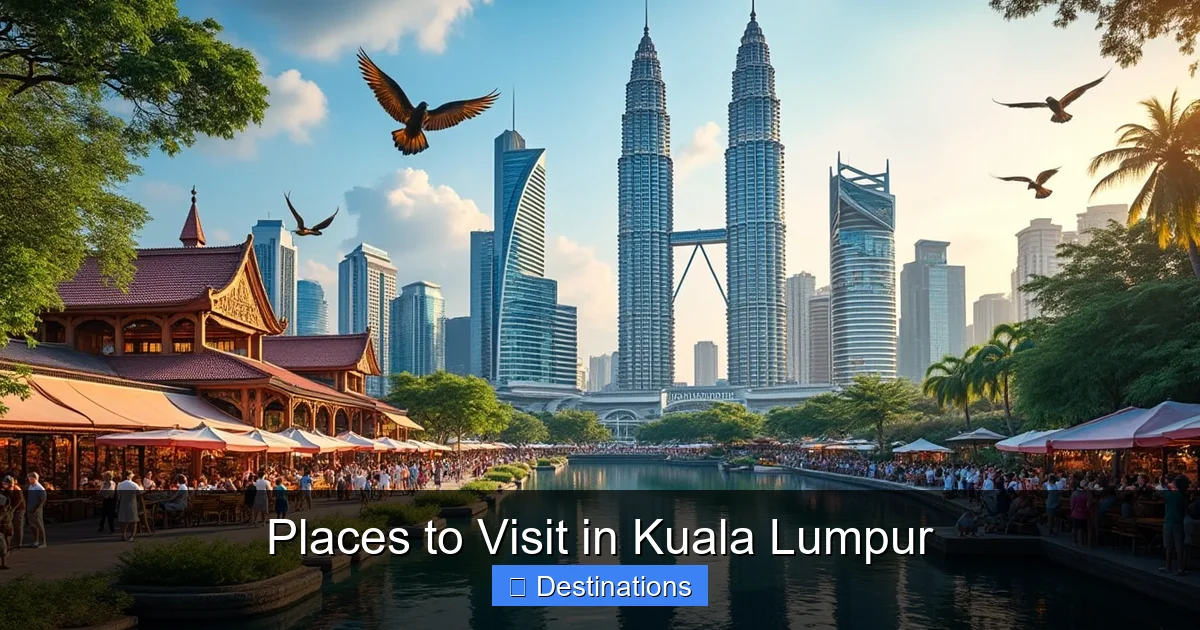
Visual guide about Places to Visit in Kuala Lumpur
Find the Best Accommodation Deals
Compare prices from multiple booking platforms and discover the best stay options available.
⭐ Trusted by thousands of travelers
💰 Budget to luxury options available
Image source: hellokualalumpur.com
Petronas Twin Towers
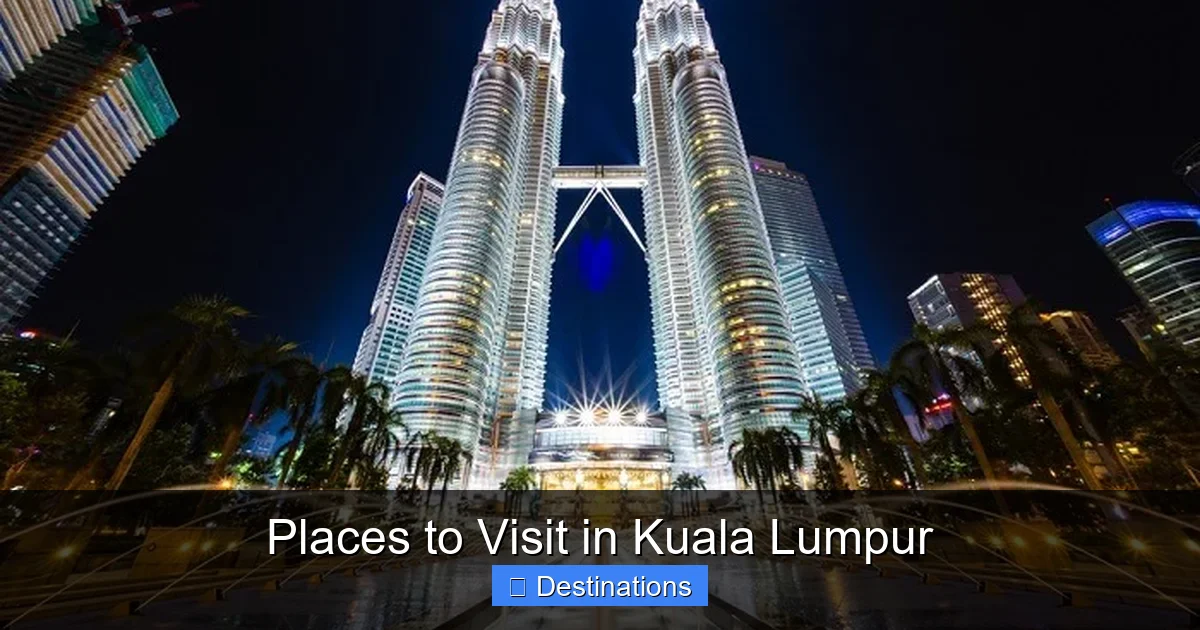
The Petronas Twin Towers are perhaps the most recognizable symbol of Kuala Lumpur. Standing at 452 meters, these twin skyscrapers were the tallest buildings in the world from 1998 to 2004. Today, they remain a must-see attraction. Visitors can walk across the Skybridge on the 41st and 42nd floors, which offers breathtaking views of the city below. The towers also house a shopping mall, Suria KLCC, and are surrounded by KLCC Park—a peaceful green space perfect for a stroll or a picnic.
Tip: Book your Skybridge tickets online in advance, especially during peak seasons. The towers are especially beautiful at night when illuminated.
Best Stay Deals Available
Compare prices across top booking platforms and find the best deal for your stay.
Check Available RoomsKL Tower (Menara Kuala Lumpur)
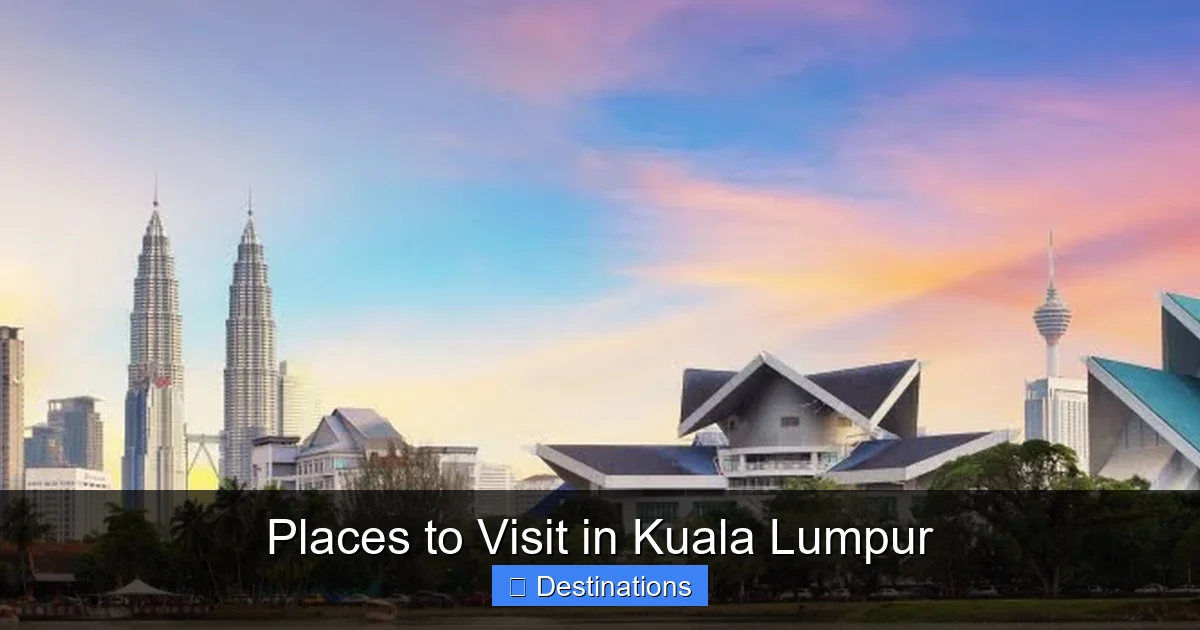
For an alternative view of the city, head to KL Tower. Located on Bukit Nanas, this communications tower offers 360-degree views from its observation deck. Unlike the Petronas Towers, KL Tower has an open-air sky deck, making it ideal for photography. You can even enjoy a meal at the revolving restaurant while taking in the scenery.
The tower is also surrounded by a small forest reserve, offering a rare patch of nature in the heart of the city. It’s a great spot for a morning walk before heading up the tower.
Historical and Cultural Sites
Kuala Lumpur is rich in history and culture, with sites that reflect its colonial past and multicultural present.
Visual guide about Places to Visit in Kuala Lumpur
Image source: d27k8xmh3cuzik.cloudfront.net
Merdeka Square (Dataran Merdeka)
Merdeka Square is where Malaysia’s independence was declared on August 31, 1957. The square is surrounded by historic buildings, including the Sultan Abdul Samad Building with its distinctive Moorish architecture. It’s a peaceful place to relax and reflect on the nation’s journey to freedom.
Nearby, you’ll find the Royal Selangor Club and the National Textile Museum. The square often hosts cultural events and festivals, so check the local calendar during your visit.
Central Market (Pasar Seni)
Originally a wet market in the 1880s, Central Market has been transformed into a vibrant cultural center. It’s the best place to shop for authentic Malaysian souvenirs, from batik fabrics to handcrafted jewelry. You’ll also find local snacks, art galleries, and live performances.
Don’t miss the Annalakshmi Restaurant, a vegetarian eatery run on a “pay as you wish” model. It’s a unique experience that supports a good cause.
Religious and Spiritual Destinations
Kuala Lumpur is home to temples, mosques, and shrines that reflect its diverse religious landscape.
Visual guide about Places to Visit in Kuala Lumpur
Image source: agoda.com
Batu Caves
About 13 kilometers north of the city center, Batu Caves is one of Malaysia’s most important Hindu shrines. The main attraction is a massive limestone hill with caves and temples. At the entrance stands a 42.7-meter-tall golden statue of Lord Murugan, the Hindu god of war.
To reach the temple cave, you’ll need to climb 272 colorful steps—challenging but rewarding. The view from the top is spectacular, and the cave itself houses ornate shrines and statues. The site is especially busy during Thaipusam, a major Hindu festival.
Tip: Wear comfortable shoes and bring water. The climb can be steep, especially in the heat.
Sultan Abdul Samad Mosque
Located near Merdeka Square, this mosque is one of the oldest and most beautiful in Kuala Lumpur. Built in 1909, it features a blend of Moorish, Mughal, and Islamic architectural styles. The mosque’s towering minaret and copper domes are particularly striking at sunset.
Visitors are welcome, but dress modestly—shoulders and knees must be covered. Women may be provided with a robe at the entrance.
Food and Nightlife Hotspots
Kuala Lumpur is a food lover’s paradise, with street food, fine dining, and everything in between.
Jalan Alor
Jalan Alor is Kuala Lumpur’s most famous food street. By day, it’s a quiet lane, but by night, it transforms into a bustling open-air dining hub. You’ll find everything from grilled squid and satay to durian and coconut ice cream. The prices are affordable, and the atmosphere is lively.
Popular stalls include Wong Ah Wah for roast chicken and T&J Seafood for chili crab. Arrive early to avoid long queues.
Petaling Street (Chinatown)
By day, Petaling Street is a bustling market selling everything from fake designer bags to souvenirs. But as the sun sets, food stalls pop up, offering local favorites like Hokkien mee and char kway teow. It’s a great place to experience the city’s multicultural flavors.
Tip: Bargaining is expected here, so don’t pay the first price quoted.
Museums and Art Spaces
For a deeper understanding of Malaysian culture and history, visit one of KL’s top museums.
Islamic Arts Museum Malaysia
This museum is one of the finest of its kind in the world. It houses over 7,000 artifacts, including intricate textiles, jewelry, and architectural models. Highlights include a full-scale replica of a Timurid-era mosque and a stunning collection of Qur’anic manuscripts.
The museum is family-friendly, with interactive exhibits and a children’s gallery. It’s located near KL Bird Park, making it easy to combine both visits.
National Museum (Muzium Negara)
The National Museum offers a comprehensive look at Malaysia’s history, from prehistoric times to the present. Exhibits cover indigenous cultures, colonial rule, and the independence movement. The outdoor gallery features traditional houses from different ethnic groups.
It’s a great stop for history buffs and those wanting to learn more about the country’s diverse heritage.
Nature and Green Spaces
Even in a bustling metropolis, Kuala Lumpur offers plenty of green escapes.
KLCC Park
Located beneath the Petronas Twin Towers, KLCC Park is a 50-acre urban oasis. It features walking paths, a children’s playground, and a lake with a fountain show. The park is especially beautiful in the evening when the fountains light up.
It’s a popular spot for locals to jog, relax, or enjoy a picnic. Free yoga sessions are sometimes held on weekends.
KL Bird Park
One of the world’s largest free-flight aviaries, KL Bird Park is home to over 3,000 birds from 200 species. You can walk among flamingos, hornbills, and parrots in a lush, tropical setting. The park also offers bird shows and feeding sessions.
It’s located in the heart of the city, making it an easy half-day trip. Perfect for families and nature lovers.
Conclusion
Kuala Lumpur is a city of contrasts—where ancient temples stand beside modern skyscrapers, and street food stalls thrive next to luxury malls. Whether you’re drawn to its iconic landmarks, rich culture, or vibrant food scene, there’s no shortage of places to visit in Kuala Lumpur.
To make the most of your trip, plan a mix of sightseeing, dining, and cultural experiences. Use the city’s efficient public transport, like the LRT and monorail, to get around easily. And don’t forget to explore beyond the tourist hotspots—hidden gems await in every neighborhood.
For budget travelers, check out our guide on how to visit Kuala Lumpur on a low budget to stretch your ringgit further. If you’re planning a longer trip, consider combining KL with other destinations in Malaysia—read our article on the best places to visit in Malaysia for inspiration. And if you’re wondering when to go, our guide on the best time to visit Kuala Lumpur and Langkawi will help you pick the perfect season.
No matter how long you stay, Kuala Lumpur promises an unforgettable adventure. Pack your bags, bring your appetite, and get ready to explore one of Asia’s most dynamic cities.
Frequently Asked Questions
What is the best time of year to visit Kuala Lumpur?
The best time to visit Kuala Lumpur is between December and February, when the weather is slightly cooler and less rainy. Avoid the monsoon season from March to October if possible.
Do I need a visa to visit Kuala Lumpur?
It depends on your nationality. Citizens of many countries, including the US, UK, and EU, can enter Malaysia visa-free for up to 90 days. Check with the Malaysian embassy before traveling.
Can I visit Batu Caves without a tour?
Yes, Batu Caves is easily accessible by public transport. Take the KTM Komuter train to Batu Caves Station, then walk about 10 minutes to the entrance.
Are the Petronas Twin Towers open to the public?
Yes, the Skybridge and observation deck are open to visitors. Tickets must be purchased in advance, especially during holidays and weekends.
Is Kuala Lumpur family-friendly?
Absolutely. Kuala Lumpur has many family-friendly attractions, including KL Bird Park, KLCC Park, and interactive museums like the Islamic Arts Museum.
What currency is used in Kuala Lumpur?
The Malaysian Ringgit (MYR) is the official currency. Credit cards are widely accepted, but it’s good to carry cash for street food and small vendors.