
Rome is more than just a destination—it’s a living history book with 2,500 years of stories carved into its streets, monuments, and culture. Whether you’re wandering through the Colosseum, savoring authentic pasta in Trastevere, or sipping espresso at a historic café, every corner of Rome offers something unforgettable. This guide covers the top experiences, hidden gems, and practical tips to make your trip truly magical.
Rome isn’t just a city—it’s a journey through time. Imagine standing beneath the arches of the Colosseum, tracing your fingers over the same stones where gladiators once battled, or sipping espresso in a sun-drenched piazza where poets and politicians once debated. This ancient capital blends millennia of history with vibrant modern life, offering something for every traveler: adventure seekers, art lovers, foodies, and dreamers alike. From the spiritual grandeur of Vatican City to the lively energy of Trastevere, Rome invites you to slow down and savor each moment.
Check the latest prices and available rooms before they sell out.
Whether you’re planning a weekend escape or a two-week deep dive, this guide will help you uncover the real Rome—beyond postcard-perfect photos. We’ll walk you through must-see landmarks, hidden neighborhood secrets, culinary delights, and practical tips to navigate the Eternal City like a local. Ready to fall in love with Rome? Let’s go!
Key Takeaways
- Explore ancient wonders: Visit the Colosseum, Roman Forum, and Pantheon to step back in time and see where emperors ruled and gladiators fought.
- Indulge in Roman cuisine: From cacio e pepe to supplì, enjoy regional dishes that define Italy’s culinary heart—don’t miss a gelato break too!
- Experience Vatican City: Marvel at St. Peter’s Basilica, climb to the dome, and tour the Sistine Chapel with Michelangelo’s breathtaking ceiling frescoes.
- Stroll through iconic neighborhoods: Wander cobblestone alleys in Trastevere, shop in Monti, and soak up views from Gianicolo Hill for a local’s perspective.
- Use public transport wisely: Buy a Roma Pass for free museum entries and unlimited metro rides—it’s a smart way to save time and money.
- Visit during shoulder seasons: Spring (April–June) and fall (September–October) offer pleasant weather, fewer crowds, and better deals on hotels.
- Plan ahead for major sites: Book skip-the-line tickets online for popular attractions like the Vatican Museums and Colosseum to avoid long waits.
Quick Answers to Common Questions
What is the best time of year to visit Rome?
Spring (April–June) and fall (September–October) offer ideal weather, fewer crowds, and lower prices. Summer is hot and busy, while winter can be quiet but chilly.
How many days do you need to see Rome?
At least 3–4 days is ideal for major highlights like the Colosseum, Vatican, and key neighborhoods. Five to seven days allows time to explore beyond the main sights.
Is it safe to walk around Rome at night?
Generally yes, but stick to well-lit, busy areas like Trastevere or near major piazzas. Avoid isolated streets after dark, especially in less touristy districts.
Can I visit the Vatican without a guide?
Yes, but booking a guided tour helps you skip long lines and learn deeper historical context. Self-guided visits are possible but require patience during peak times.
Are there free things to do in Rome?
Absolutely! Many churches (like St. Peter’s Basilica and Santa Maria Maggiore), parks (Villa Borghese), and neighborhoods (Trastevere at night) offer free experiences.
📑 Table of Contents
Must-See Historical Sites
No visit to Rome is complete without stepping into its ancient past. The city is a living museum, and these iconic sites will transport you back thousands of years.
Find the Best Accommodation Deals
Compare prices from multiple booking platforms and find the best option for your stay.
Compare Hotel PricesThe Colosseum and Roman Forum
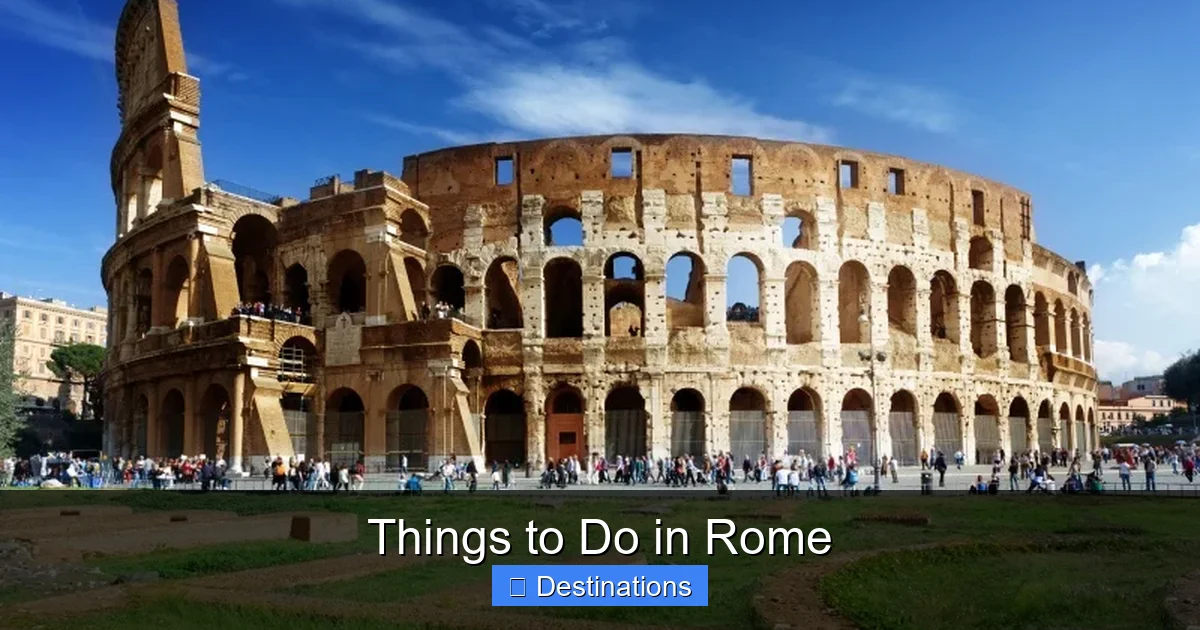
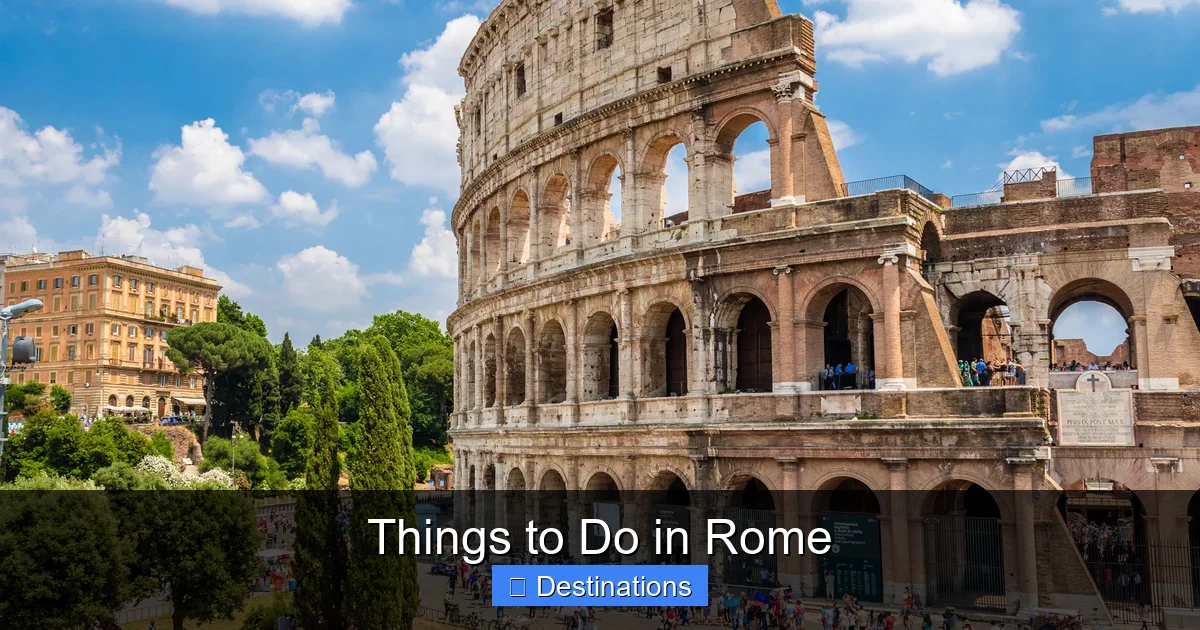
The Colosseum is perhaps Rome’s most famous landmark—and for good reason. This massive amphitheater once hosted gladiator battles and public spectacles for up to 80,000 spectators. Today, it stands as a powerful symbol of Imperial Rome. While climbing its tiers can be tiring, the view from the top is worth every step. Pro tip: Book a guided tour that includes access to the underground chambers and upper levels to avoid the longest lines.
Just across the street lies the Roman Forum—a sprawling complex of temples, basilicas, and government buildings that served as the political heart of ancient Rome. Walking through its crumbling ruins feels like flipping through a history book. Don’t miss the Temple of Saturn and the Arch of Titus.
Find the Best Accommodation Deals
Compare prices from multiple booking platforms and discover the best stay options available.
⭐ Trusted by thousands of travelers
💰 Budget to luxury options available
The Pantheon: A Marvel of Engineering
Built in 126 AD, the Pantheon is remarkably preserved and still used as a church today. Its dome remains the world’s largest unreinforced concrete dome—an architectural feat that stunned engineers for centuries. The oculus, the open hole at the top, lets in natural light that dances across the marble floor.
Entry is free, but it can get crowded. Visit early in the morning or late afternoon for fewer people and better lighting for photos.
Spiritual and Artistic Treasures
Best Stay Deals Available
Compare prices across top booking platforms and find the best deal for your stay.
Check Available RoomsVisual guide about Things to Do in Rome
Image source: infowiki.com
Beyond its ancient wonders, Rome shines as a center of art and faith. Vatican City, the world’s smallest independent state, is home to some of humanity’s greatest masterpieces.
Vatican Museums and Sistine Chapel
The Vatican Museums house an incredible collection of art spanning thousands of years—from Egyptian sarcophagi to Renaissance sculptures by Michelangelo and Raphael. But the real star is the Sistine Chapel. Michelangelo’s ceiling frescoes, including “The Creation of Adam,” are so awe-inspiring that words fall short. Tip: Arrive right when the museum opens (usually 9 AM) to beat the crowds.
St. Peter’s Basilica
As the largest church in the world, St. Peter’s Basilica is a masterpiece of Renaissance architecture. Climb to the dome for panoramic views of Rome—it’s challenging but rewarding. Inside, you’ll find Michelangelo’s “Pietà” and Bernini’s stunning baldachin above the altar.
If you want to go further, climb to the top of the dome for breathtaking views. Just bring comfortable shoes—the stairs are steep!
Neighborhoods Worth Exploring
Visual guide about Things to Do in Rome
Image source: media.timeout.com
Rome isn’t just about monuments—it’s also about neighborhoods. Each district has its own personality, from bohemian vibes to upscale shopping.
Trastevere: The Heartbeat of Local Life
Tucked across the Tiber River, Trastevere feels like the soul of Rome. Its narrow cobblestone streets are lined with family-run trattorias, colorful flower stalls, and lively bars spilling onto the piazzas. In the evenings, locals gather for cappuccino and people-watching. Must-try: Supplì (fried rice balls filled with mozzarella) at Da Enzo or a glass of Frascati wine at a rooftop bar.
Monti: A Hipper, Artsy District
One of Rome’s oldest neighborhoods, Monti blends ancient charm with modern creativity. Browse vintage shops, art galleries, and artisan bakeries. The area also offers great views of the Roman Forum from the top of the Capitoline Hill.
Gianicolo Hill: Sunset with a View
For a peaceful escape from the crowds, head to Gianicolo Hill. It’s home to the Giardino degli Aranci (Orange Garden), where you can watch the sunset over the city. On clear days, you can see St. Peter’s dome and even Mount Vesuvius in the distance.
Food and Drink Experiences
Visual guide about Things to Do in Rome
Image source: s.inyourpocket.com
Italian food isn’t just about pizza—it’s a culture. And Rome serves it up with pride.
Classic Roman Dishes to Try
– Cacio e pepe: A simple pasta dish made with pecorino cheese and black pepper—no cream needed!
– Carbonara: Eggs, Pecorino Romano, guanciale (cured pork cheek), and pasta tossed together.
– Supplì: Fried rice balls stuffed with mozzarella—perfect as a snack.
– Pizzelle: Thin, waffle-like cookies dusted with powdered sugar.
Where to Eat Like a Local
Skip the tourist traps near major attractions. Instead, head to:
– Da Francesco (Trastevere): Famous for carbonara.
– Pizzarium Bonci (Parioli): Known for creative, high-quality pizza slices.
– Supplizio (near Campo de’ Fiori): Best supplì in town.
Coffee Culture
In Rome, coffee is serious business. Order a caffè (espresso) at a bar and drink it standing at the counter—this is the authentic way. Avoid cappuccinos after 11 AM; Italians consider them a breakfast drink.
Free and Budget-Friendly Activities
Rome doesn’t have to cost a fortune. There are plenty of ways to enjoy the city without spending much.
Free Walking Tours
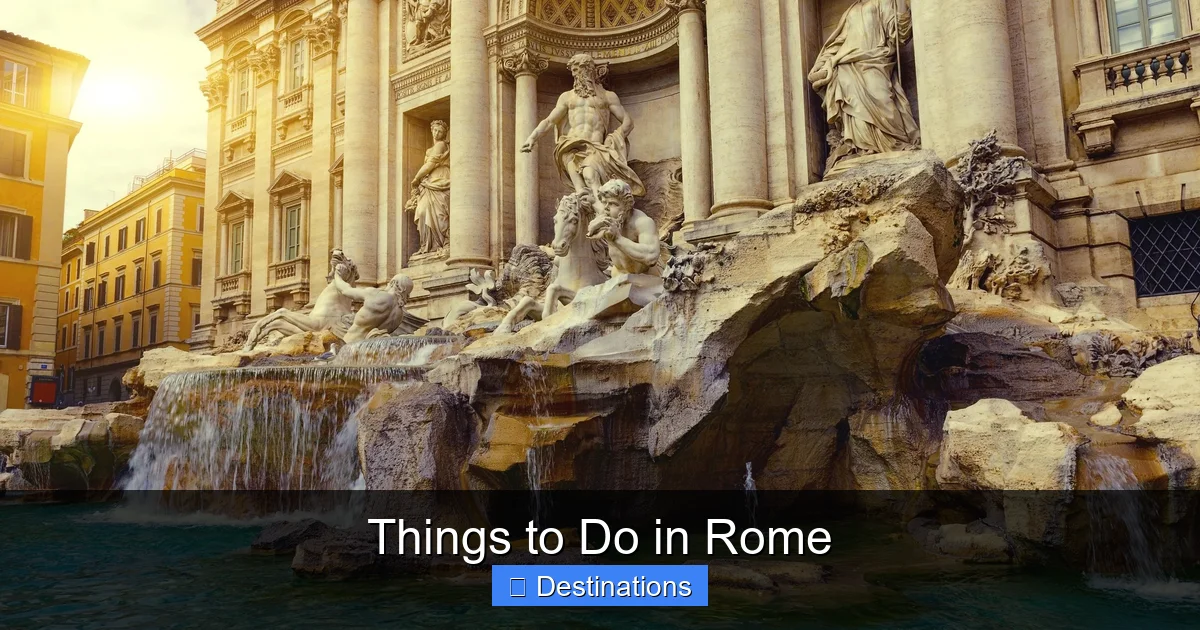
Many companies offer free walking tours led by local guides. Tips are based on your satisfaction—so pay what you feel the experience was worth. These tours cover highlights like the Pantheon, Trevi Fountain, and Spanish Steps.
Hidden Gems Off the Beaten Path
– Baths of Caracalla: Less crowded than the Colosseum, these ancient baths offer a glimpse into Roman leisure.
– Appian Way (Via Appia Antica): Walk or bike along this ancient road lined with catacombs and ruins.
– Piazza Venezia: A bustling square with views of the Altare della Patria and Vittoriano monument.
Parks and Gardens
– Villa Borghese: Rent a rowboat on the lake, visit the Galleria Borghese (book ahead!), or just relax on the lawns.
– Villa Pamphili: Rome’s largest park, perfect for jogging, picnics, or escaping the city buzz.
Practical Tips for Your Trip
Navigating Rome can be overwhelming if you’re not prepared. Here’s how to make the most of your time.
Getting Around
Rome’s metro system is efficient but limited. Most attractions are within walking distance of each other. Use buses or trams for longer trips. A Roma Pass gives you free entry to two museums or archaeological sites and free public transport—great value if you plan to see multiple sights.
Best Time to Visit
Avoid July and August—it’s hot, crowded, and expensive. Spring (April–June) and fall (September–October) offer mild weather, fewer tourists, and blooming gardens. Winter can be quiet and affordable, but some attractions close early.
Dress Code
When visiting churches or religious sites, cover your shoulders and knees. Women may need to bring a scarf. Comfortable shoes are a must—you’ll walk a lot!
Language Basics
While many Romans speak English, learning a few Italian phrases goes a long way:
– Buongiorno = Good day
– Grazie = Thank you
– Per favore = Please
Final Thought: Rome rewards curiosity and slow exploration. Don’t try to cram everything into one day. Take time to sit in a café, watch street performers, or get lost in a new neighborhood. That’s when you’ll truly feel the magic of the Eternal City.
Frequently Asked Questions
What are the top must-see attractions in Rome?
Don’t miss the Colosseum, Roman Forum, Pantheon, Vatican Museums, St. Peter’s Basilica, and Trevi Fountain. These iconic sites define Rome’s ancient and spiritual legacy.
How much does it cost to eat in Rome?
Meals range from €10–15 for a casual lunch at a trattoria to €30–50 for dinner at a mid-range restaurant. Gelato and coffee are affordable, usually under €5 each.
Is Rome walkable?
Yes! Most major attractions are within walking distance, especially in the historic center. Wear comfortable shoes and be prepared for cobblestones and hills.
Should I book Vatican tickets in advance?
Yes—skip-the-line tickets are highly recommended, especially during peak season. Booking online saves hours of waiting in long queues.
Are there good day trips from Rome?
Absolutely. Popular options include Tivoli (Villa d’Este), Ostia Antica (nearby Roman ruins), and Pompeii or Naples (with a train or tour). Day trips enrich your Roman experience.
What’s the best way to get around Rome?
Walking is best for central areas. Use the metro for longer distances, buses for hilly routes, and consider a Roma Pass for unlimited public transport and free museum entries.