
Sapa, nestled in the mountains of northern Vietnam, offers breathtaking landscapes, rich ethnic cultures, and thrilling outdoor activities. Whether you’re trekking through emerald rice paddies or chatting with local Hmong tribespeople, Sapa delivers an authentic and unforgettable experience. From sunrise views to homestays with mountain communities, here’s everything you need to know for an epic Sapa adventure.
Nestled in the misty mountains of northern Vietnam, Sapa is a dream destination for travelers seeking both natural beauty and cultural depth. Known for its rolling emerald terraced fields, dramatic limestone peaks, and vibrant ethnic communities, Sapa offers more than just postcard-perfect views. It’s a place where ancient traditions meet modern curiosity, and every path leads to a story. Whether you’re an adventure seeker, a culture lover, or someone who simply wants to slow down and breathe in the fresh mountain air, Sapa delivers.
Check the latest prices and available rooms before they sell out.
Unlike crowded coastal cities, Sapa remains relatively untouched by mass tourism. Its cooler climate, especially in spring and autumn, makes it a year-round escape. And while the region is famous for its rice terraces, the real magic lies in the people—the Hmong, Dao, Tay, and Giay communities who have lived here for generations. This guide will walk you through the top things to do in Sapa, so you can plan a trip that’s both meaningful and memorable.
Key Takeaways
- Trekking is the heart of Sapa: Explore iconic trails like Fansipan, Bamboo Forest, and Muong Hoa Valley for jaw-dropping views and cultural encounters.
- Meet ethnic minorities: Visit villages of the Hmong, Dao, Tay, and Giay people to learn about their traditions, clothing, and daily lives.
- Stay in a homestay: Experience local hospitality by sleeping in a family-run guesthouse in villages like Cat Cat or Ta Van.
- Capture stunning sunrises: Wake up early to watch the sun rise over Fansipan or over the terraced fields—especially magical in autumn.
- Try local cuisine: Savor dishes like thang co soup, bai bing, and fresh mountain tea, often served with a view.
- Visit rice terraces: The most famous are in Lao Cai province, with Mu Cang Chai and Me Linh offering less-crowded alternatives.
- Respect local customs: Always ask before photographing people, and dress modestly when visiting religious sites.
Quick Answers to Common Questions
What is the best time to visit Sapa?
Spring (March–May) and autumn (September–November) offer the best weather, clear skies, and colorful rice fields—perfect for trekking and photography.
How do I get to Sapa?
Fly to Noi Bai International Airport in Hanoi, then take a bus or private car to Sapa (about 5–6 hours). Trains are available but slower.
Do I need a guide for trekking in Sapa?
Yes, hiring a local guide is recommended for safety, cultural insights, and language support. It also directly benefits the community.
Is Sapa safe for solo travelers?
Yes, Sapa is generally safe for solo travelers. Just be cautious on uneven trails, carry cash (ATMs are limited), and respect local customs.
What should I pack for a Sapa trip?
Pack layers, waterproof boots, a rain jacket, sun protection, and a reusable water bottle. Don’t forget a camera and a small backpack.
📑 Table of Contents
- 1. Trek Through the World’s Most Famous Rice Terraces
- 2. Explore Ethnic Minority Villages
- 3. Ride a Bicycle Through the Countryside
- 4. Hike to Fansipan – The Roof of Indochina
- 5. Stay in a Homestay in the Mountains
- 6. Visit Local Markets and Try Street Food
- 7. Watch Sunrise Over the Terraces
- 8. Learn Traditional Weaving and Crafts
- 9. Take a Cable Car to Fansipan
- 10. Enjoy Local Music and Performances
- 11. Visit the Sapa Museum
- 12. Relax at a Hot Spring
- 13. Take a Motorbike Tour
- 14. Visit the Rice Sprout Waterfall (Thac Bac)
- 15. Plan Your Trip Around the Seasons
1. Trek Through the World’s Most Famous Rice Terraces
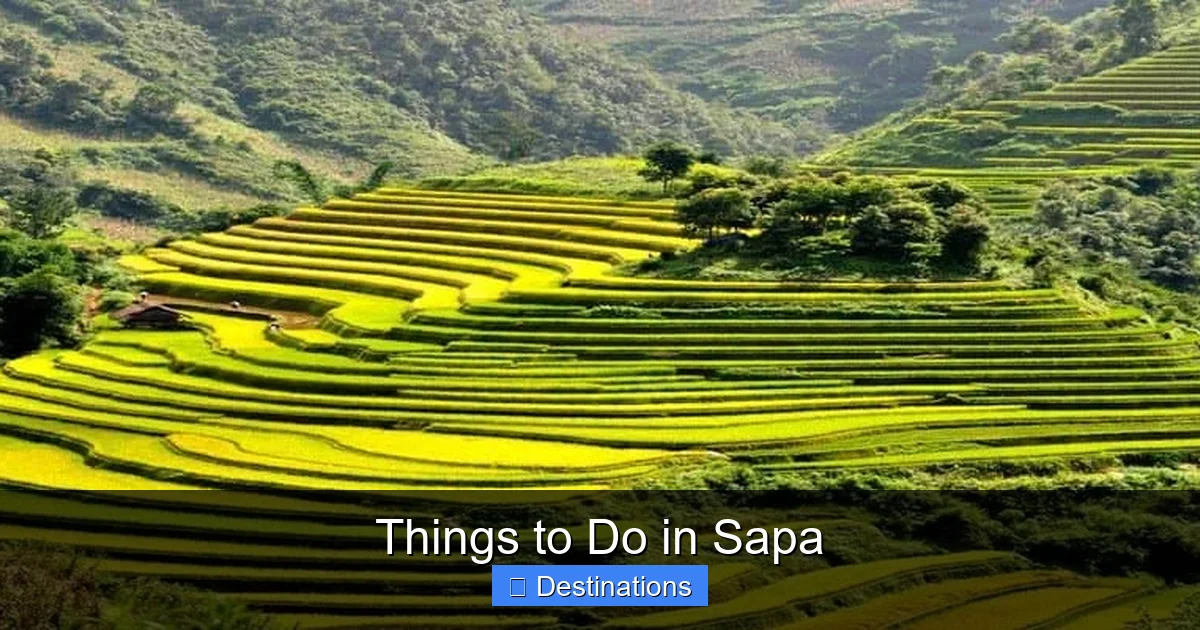
No trip to Sapa is complete without walking through its legendary terraced fields. These man-made stairways carved into mountainsides create a patchwork of green, gold, and terracotta that changes with the seasons. In spring, they’re lush and green; in autumn, they’re golden and ready for harvest.
Find the Best Accommodation Deals
Compare prices from multiple booking platforms and find the best option for your stay.
Compare Hotel PricesOne of the best ways to experience this is the Trek from Sapa Town to Ta Phin Village, a 6–8 km trail that takes you through rice paddies, small villages, and dense forests. Along the way, you’ll pass waterfalls, cornfields, and meet locals tending to their crops. For a longer adventure, consider the Fansipan Mountain hike—the “Roof of Indochina”—though it requires a full-day trek and good physical condition.
Pro tip: Hire a local guide. Not only will they help you navigate the trails, but they’ll also share stories about the land and its people. This adds depth to your journey and supports the community directly.
Find the Best Accommodation Deals
Compare prices from multiple booking platforms and discover the best stay options available.
⭐ Trusted by thousands of travelers
💰 Budget to luxury options available
2. Explore Ethnic Minority Villages
Visual guide about Things to Do in Sapa
Image source: vietnamdiscovery.com
Best Stay Deals Available
Compare prices across top booking platforms and find the best deal for your stay.
Check Available RoomsSapa is home to over a dozen ethnic minority groups, each with unique customs, clothing, and lifestyles. The most common you’ll encounter are the Hmong, Dao, and Tay. Visiting their villages is one of the most rewarding things to do in Sapa.
Start in Cat Cat Village, just outside Sapa town. Here, you’ll see a waterfall, traditional stone bathhouses, and the famous Hmong houses with wooden stilts. The village is lively in the morning when locals sell handmade crafts and coffee.
For a deeper cultural experience, trek to Ta Van or Giang Ta Chai. These villages are less touristy and offer opportunities to sleep in homestays, learn about weaving, and even try making local dishes like corn wine or sticky rice.
Remember: Always ask permission before taking photos, especially of children. Building trust with locals makes your visit more meaningful.
3. Ride a Bicycle Through the Countryside
Visual guide about Things to Do in Sapa
Image source: willflyforfood.net
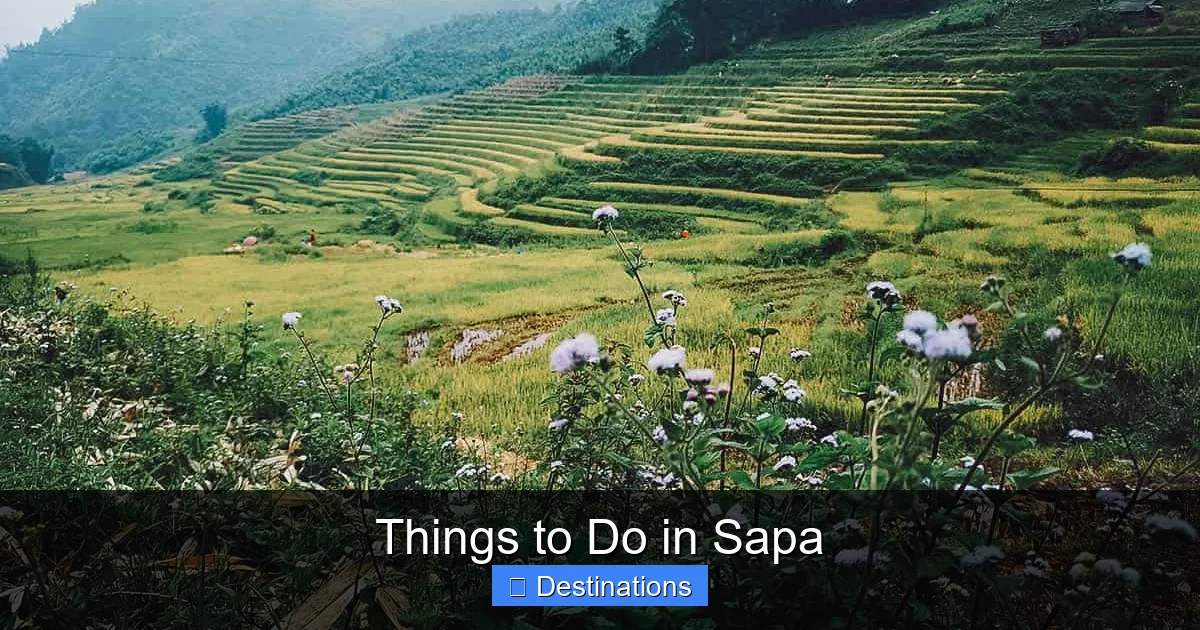
If you prefer a slower pace, rent a bicycle and explore Sapa at your own speed. The roads are mostly flat and scenic, winding through villages, fields, and small rivers.
One popular route is a ride from Sapa town to Can Cau Bridge, passing through rice paddies and quiet hamlets. You can also cycle to Ban Ho Village, where the Muong people live, and visit their traditional wooden houses built on stilts.
Biking is especially beautiful at sunrise or sunset. The light filters through the mountains, and the air feels crisp and clean. Plus, it’s a great way to avoid crowds and discover hidden spots.
4. Hike to Fansipan – The Roof of Indochina

Visual guide about Things to Do in Sapa
Image source: willflyforfood.net
For adventure seekers, the ultimate challenge in Sapa is climbing Fansipan, the highest peak in Vietnam at 3,143 meters. The hike is demanding—expect steep paths, rope ladders, and changing weather—but the panoramic views from the summit are worth every step.
Most trekkers start from Bai Tho Tay or Ham Rong Garden, both offering different perspectives of the mountain. The trail takes 5–7 hours round trip, depending on your pace and stops.
Many tour operators offer guided climbs with porters and meals. While it’s expensive, it ensures safety and support for local workers. If time or fitness is a concern, consider the Telepheric Cable Ride to Fansipan—a faster, easier way to reach the top.
5. Stay in a Homestay in the Mountains
One of the most authentic experiences in Sapa is staying in a homestay run by a local family. These guesthouses are often built into the hillside and offer stunning views of the terraced fields.
Popular homestay villages include Ta Van, Cat Cat, and Can Sat. In Ta Van, you might wake up to the sound of roosters and the smell of cooking corn. In Cat Cat, the waterfall provides a soothing backdrop to breakfast.
Homestays usually include meals—try the thang co soup, a local delicacy made from a rare green bean. You’ll also learn about daily routines, farming, and even traditional weaving techniques.
Staying in a homestay supports the local economy and gives you a real glimpse into mountain life. Plus, it’s often more affordable than hotels.
6. Visit Local Markets and Try Street Food
Every Saturday, Sapa hosts a bustling weekly market in the town square. It’s a colorful scene: vendors selling fresh produce, handmade textiles, and local snacks. You’ll see Hmong and Dao women in traditional clothes trading goods.
Don’t miss trying bai bing, a crispy pancake filled with herbs and mushrooms, or thang co, a nutritious soup made from a local green bean. Wash it down with mountain tea, grown at high altitude and known for its earthy flavor.
For a sweet treat, look for banh trang tron, a sweet rice paper roll with black beans or sesame.
7. Watch Sunrise Over the Terraces
One of the most magical things to do in Sapa is wake up early to catch the sunrise. The best spots include Fansipan, Ta Phin, and the fields near Sapa town.
In spring and autumn, the mist rolls through the valleys, revealing the terraces like a painted landscape. The golden light transforms the fields into shimmering waves of green and gold.
To make the most of it, stay in a homestay with a terrace or wake up at 5:30 a.m. with a local guide. Bring a warm jacket—it gets chilly at dawn, even in summer.
8. Learn Traditional Weaving and Crafts
Many ethnic groups in Sapa are skilled weavers. In villages like Ta Van and Can Sat, you can watch women use backstrap looms to create intricate patterns on cloth.
Some homestays offer workshops where you can try weaving yourself. It’s not easy—the threads are delicate, and the patterns require focus—but it’s a rewarding way to connect with tradition.
You can also buy handmade scarves, bags, and hats as souvenirs. Just make sure they’re ethically sourced and not mass-produced.
9. Take a Cable Car to Fansipan
If you don’t want to trek to Fansipan, the Sapa Cable Car is a scenic alternative. It takes you from Fansipan Base Camp to the summit in just 15 minutes.
The ride offers 360-degree views of the surrounding mountains and valleys. At the top, you’ll find a viewing platform, a small museum, and a restaurant.
While it’s more expensive than hiking, it’s a great option for families, elderly travelers, or those short on time. Just be aware that it’s still a commercial activity, and the experience is less immersive than trekking.
10. Enjoy Local Music and Performances
In the evenings, many homestays and guesthouses host cultural shows featuring traditional music and dance. These performances often include Dao and Hmong songs, played on handmade instruments like the dan bau (monochord).
Some villages also organize folk singing competitions or storytelling sessions. It’s a chance to hear legends, myths, and songs passed down through generations.
These events are usually low-key and welcoming to visitors. Arrive early to get a good seat and chat with the performers.
11. Visit the Sapa Museum
For a quick cultural intro, stop by the Sapa Museum near the town center. It features exhibits on the history, clothing, and daily life of the local ethnic groups.
The museum is small but informative, with photos, artifacts, and maps showing traditional villages. It’s a great way to prepare for your trekking or homestay experience.
Note: The museum is closed on Mondays, so plan accordingly.
12. Relax at a Hot Spring
After a long day of trekking, unwind at a hot spring in the area. The Thac Ba Hot Spring is a popular spot, offering mineral-rich waters in a peaceful setting.
Some resorts near Sapa also have private hot spring pools. Soak while watching the mountains rise in the distance—it’s pure relaxation.
13. Take a Motorbike Tour
For the adventurous, a motorbike tour is an exciting way to explore Sapa. Guided tours take you through winding mountain roads, past waterfalls, and into remote villages.
You’ll need a valid license and a helmet, but the experience is exhilarating. Just be cautious—roads can be narrow and steep in places.
14. Visit the Rice Sprout Waterfall (Thac Bac)
Hidden near Sapa town, Rice Sprout Waterfall is a lesser-known gem. It cascades down moss-covered rocks into a crystal-clear pool, surrounded by bamboo and ferns.
It’s easy to reach by foot or motorbike, and it’s a peaceful spot for a swim or photo shoot. The name comes from the rice-like droplets that splash from the rocks.
15. Plan Your Trip Around the Seasons
The best time to visit Sapa depends on what you want to see:
– Spring (March–May): Fields are green, flowers bloom, and the weather is mild.
– Autumn (September–November): Harvests begin, skies are clear, and it’s ideal for trekking.
– Winter (December–February): Cool and foggy, with occasional snow on Fansipan.
– Summer (June–August): Rainy season; trails can be muddy, but waterfalls are lush.
Avoid peak holidays like Tet (Vietnamese New Year) if you want fewer crowds.
—
Planning a trip to Sapa? Check out our guide on Top 10 Things To Do In Kandy For Family Fun for more cultural travel inspiration.
Frequently Asked Questions
What are the must-visit villages in Sapa?
Cat Cat, Ta Van, Giang Ta Chai, and Can Sat are among the most popular and culturally rich villages. Each offers unique homestays and traditional experiences.
Can I visit Sapa without trekking?
Absolutely. You can explore by bicycle, visit markets, stay in homestays, and take cable cars. Sapa has plenty to offer without long hikes.
How expensive is a trip to Sapa?
Sapa is moderately priced. A 3-day trip with homestays, meals, and guided tours costs around $50–$80 per day. Budget travelers can do it for less.
Are there any restrictions for photography in Sapa?
Always ask before photographing people, especially in ethnic villages. Some sacred sites may prohibit photography, so follow local guidelines.
What languages are spoken in Sapa?
Vietnamese is the official language. In villages, you’ll hear Hmong, Dao, Tay, and other local languages. English is limited outside tourist areas.
Can I visit Sapa in winter?
Yes, but expect cold, foggy weather and possible snow on higher peaks. It’s quieter and offers a unique, serene experience.