
Planning your first or next tent camping trip? Knowing what do I need to tent camp can make all the difference between a relaxing escape and a stressful ordeal. From a reliable tent and sleeping bag to cooking tools and navigation aids, the right gear ensures comfort, safety, and fun. This guide walks you through every essential item so you can pack smarter and enjoy nature with confidence.
Tent camping is one of the most rewarding ways to reconnect with nature—offering fresh air, starry skies, and peaceful solitude away from screens and city noise. Whether you’re a seasoned hiker or a weekend adventurer, knowing what do I need to tent camp sets the foundation for a successful trip. The key isn’t just bringing more gear; it’s bringing the right gear. Too much weight slows you down, while too little risks discomfort or danger.
Check the latest prices and available rooms before they sell out.
From selecting a dependable shelter to packing lightweight cookware, each piece of equipment plays a vital role in your experience. This guide breaks down everything you need to know about tent camping essentials, so you can focus on what really matters: enjoying the great outdoors.
Key Takeaways
- Tent Selection: Choose a waterproof, well-ventilated tent suited to the weather and number of people. A 3-season model is ideal for most beginners.
- Sleeping Gear: Invest in a quality sleeping bag rated for the lowest expected temperature and pair it with a sleeping pad for insulation and comfort.
- Cooking Essentials: Bring a portable stove, fuel, utensils, and food storage containers—avoid open flames when possible for safety and environmental reasons.
- Lighting & Power: Pack headlamps, extra batteries, and consider solar chargers or power banks to keep devices running without draining batteries.
- Safety & Navigation: Always carry a map, compass, first aid kit, whistle, and know basic wilderness first aid before heading out.
- Packing Smart: Use dry bags or waterproof stuff sacks to protect gear from rain and organize items by use (daily vs. occasional).
- Leave No Trace: Follow Leave No Trace principles—pack out all trash, minimize campfire impact, and respect wildlife.
📑 Table of Contents
1. Choosing the Right Tent
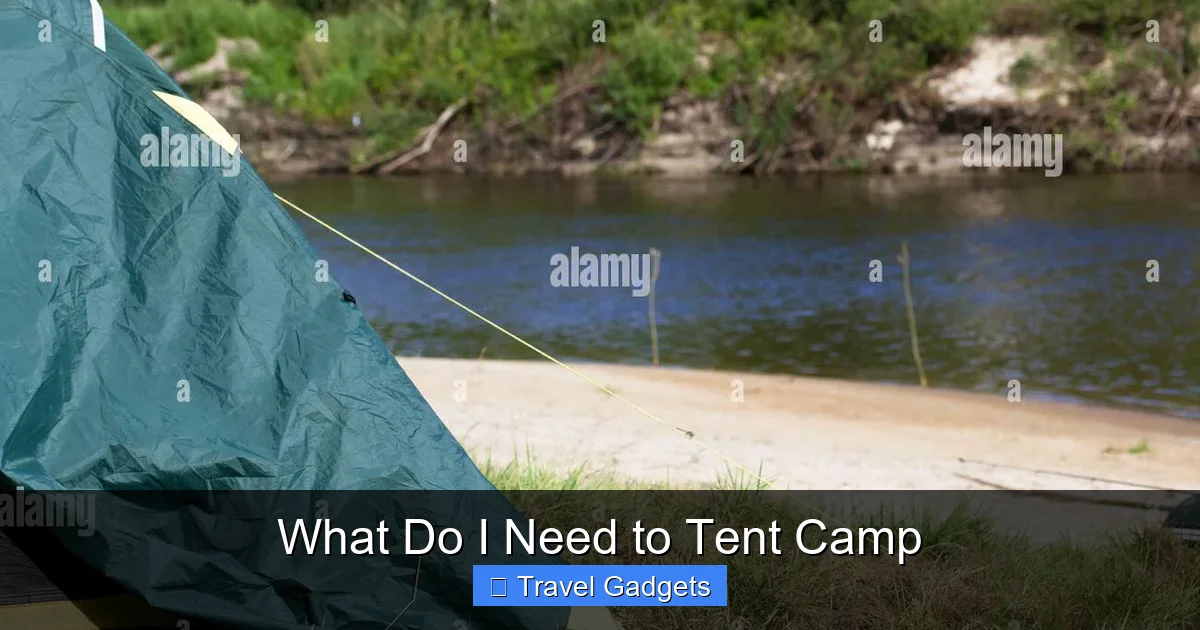
Your tent is your home away from home, so picking the right one is crucial. Consider the season, climate, and how many people will be inside. For most beginners, a 3-season tent offers the best balance of protection, weight, and versatility.
Size Matters
A two-person tent should comfortably fit two adults plus their gear. Look for models labeled “two-person” but allow extra space for comfort. If you plan to travel light, a single-wall ultralight option saves weight but may lack ventilation in humid conditions.
Weather Resistance
Always check the tent’s hydrostatic rating (measured in mm). A rating above 1,500mm is good for light rain, while 3,000mm+ handles heavy downpours. Poles made of aluminum are strong and durable, while fiberglass is lighter but less rigid.
Setup Ease
Look for freestanding designs with color-coded poles and clips. Practice setting up your tent at home before your trip. Nothing kills excitement like struggling with a complicated frame in the dark.
2. Sleeping Gear for Comfort and Warmth
Visual guide about What Do I Need to Tent Camp
Find the Best Accommodation Deals
Compare prices from multiple booking platforms and find the best option for your stay.
Compare Hotel PricesImage source: c8.alamy.com
Sleep is essential for energy and enjoyment. Your sleeping bag and pad work together to keep you warm and off the cold ground.
Find the Best Accommodation Deals
Compare prices from multiple booking platforms and discover the best stay options available.
⭐ Trusted by thousands of travelers
💰 Budget to luxury options available
Sleeping Bag Ratings
Choose a bag rated for at least 10–15°F below the coldest night forecast. Down bags are warmer and lighter than synthetic ones but lose insulation when wet. Synthetic bags dry faster and perform better in damp climates.
Insulation and Loft
Loft refers to how well the bag traps air. More loft means better warmth. Zipperless bags prevent heat loss from the foot end, while hooded designs help retain body heat.
Sleeping Pad Essentials
A sleeping pad provides insulation from the ground and adds cushioning. Closed-cell foam pads are cheap and durable; inflatable pads offer more comfort but risk punctures. R-value measures thermal resistance—aim for at least R-3 for three-season trips.
Best Stay Deals Available
Compare prices across top booking platforms and find the best deal for your stay.
Check Available RoomsPillow Options
Bring a compact inflatable pillow or roll up a fleece shirt for neck support. Many campers repurpose small water bottles as makeshift pillows—just fill them halfway.
3. Cooking and Food Supplies
Visual guide about What Do I Need to Tent Camp
Image source: thehollydogblog.com
Eating well keeps morale high and energy levels steady. Most campers opt for a portable stove over campfires for convenience and safety.
Portable Stoves
Canister stoves (like Jetboil) are efficient and wind-resistant. Liquid fuel stoves (e.g., MSR WhisperLite) work in extreme cold but require more maintenance. Always test your stove at home before departure.
Fuel ConsiderationsFuel Considerations
Check local regulations—some parks prohibit certain fuels. Propane canisters are widely available, but butane doesn’t perform well below freezing. Carry double the fuel you think you’ll need.
Utensils and Cookware
Pack a lightweight pot with lid, spork, knife, and biodegradable soap. A nesting set saves space. Don’t forget a mug—it doubles as a bowl and coffee cup.
Meal Planning
Prep meals at home when possible. Dehydrated dinners save time, but fresh ingredients like eggs, bread, and cheese taste amazing. Store food in bear-proof containers if required.
4. Lighting and Power Solutions
Visual guide about What Do I Need to Tent Camp
Image source: c8.alamy.com
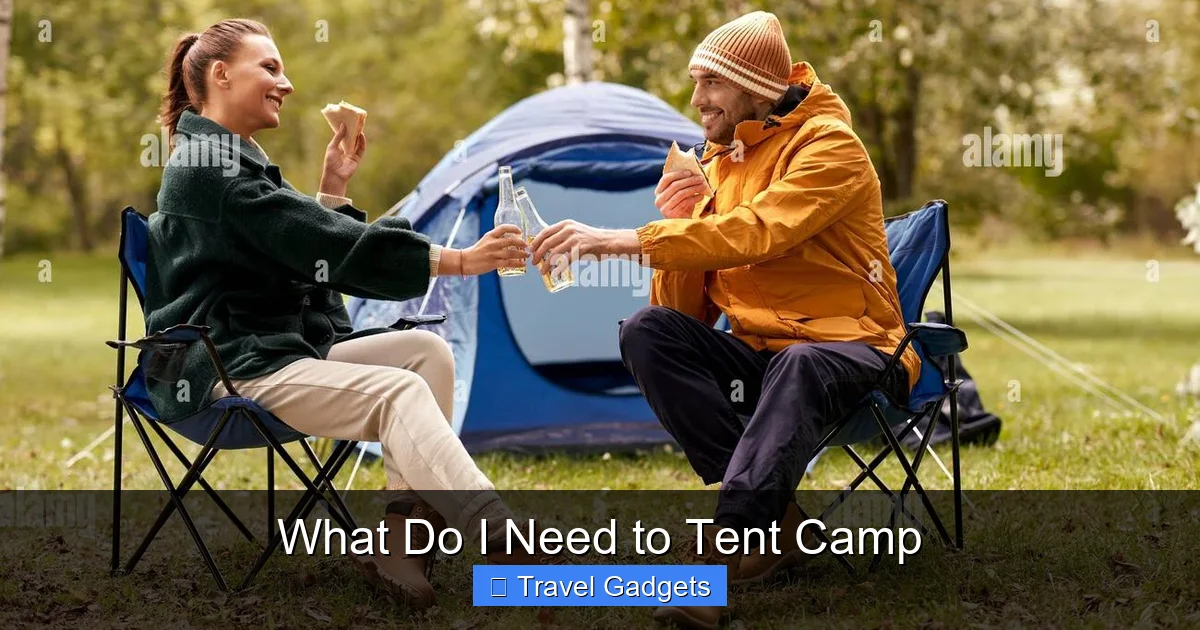
Darkness comes fast at camp. Reliable lighting ensures safety, navigation, and evening comfort.
Headlamps vs. Lanterns
Headlamps leave your hands free for cooking or reading. Lanterns provide ambient light but add weight. Many campers bring both—a headlamp for tasks and a lantern for the campsite.
Battery Life and Spares
Bring extra batteries or rechargeable packs. AA and AAA are common, but some LED lights use CR123As. Solar chargers can top up phone batteries, but don’t rely solely on them for critical gear.
Power Banks and USB Devices
If you need GPS or music, bring a lightweight power bank. Look for ones with multiple ports and high mAh ratings. Avoid leaving phones charging overnight—use them sparingly.
5. Safety and Emergency Gear
Preparation prevents panic. Always carry tools that could save your life or help you get rescued.
First Aid Kit
Include bandages, antiseptic wipes, blister treatment, tweezers, pain relievers, and any personal medications. Add a small notebook for tracking injuries.
Navigation Tools
Even with GPS, carry a paper map and compass. Learn how to use them before your trip. Tell someone your itinerary and expected return time.
Emergency Signaling
Whistles, signal mirrors, and personal locator beacons (PLBs) are lifesavers in remote areas. Carry a whistle clipped to your backpack—three short blasts mean “help.”
Multi-Tools and Knives
A good multi-tool can handle repairs, food prep, and emergencies. Fixed-blade knives are stronger but heavier. Choose based on your needs.
6. Packing and Organization Tips
How you pack affects how quickly you can find what you need—especially in the middle of the night.
Use Dry Bags
Waterproof stuff sacks keep clothes and electronics dry. Roll the top tightly and clip shut. Keep sleeping bags in breathable cotton sacks, not sealed plastic.
Separate by Function
Group similar items: cooking gear, toiletries, clothing, etc. Use color-coded bags for quick identification. Label everything if you share gear with others.
Pack Heavier Items LowPack Heavier Items Low
Place bulky or heavy items near your back in a backpack. Keep frequently used items (snacks, flashlight, jacket) easily accessible.
Test Your Setup
Before leaving, assemble your tent, test your stove, and charge all devices. Doing this at home avoids frustration at the trailhead.
7. Clothing and Footwear
What you wear makes or breaks your comfort level. Layering is your best defense against changing weather.
Moisture-Wicking Base Layers
Avoid cotton—it holds moisture and takes forever to dry. Merino wool or synthetic fabrics pull sweat away from your skin.
Insulating Mid-Layers
Fleece or down jackets trap heat. Pack light enough to remove during active hikes or cooking.
Waterproof Outer Shell
A rain jacket and pants protect against wind and precipitation. Ensure they’re breathable to avoid overheating.
Footwear Essentials
Sturdy hiking boots or shoes with ankle support are non-negotiable. Break them in before your trip. Bring extra socks—wool or synthetic blends dry faster than cotton.
Accessories Matter
Don’t forget hats (sun and beanie), sunglasses, gloves, and gaiters. A wide-brimmed hat protects your face, while a beanie keeps your core warm.
Conclusion: Be Prepared, Be Present
Knowing what do I need to tent camp isn’t about hoarding gear—it’s about being smart and ready. With the right preparation, even a beginner can have an unforgettable experience under the stars. Focus on quality over quantity, practice setups beforehand, and always prioritize safety.
Remember, the best campers aren’t those with the fanciest equipment—they’re the ones who respect nature, plan ahead, and adapt to challenges. So pack wisely, stay curious, and let the wild take care of the rest.
Frequently Asked Questions
What is the absolute minimum I need to tent camp?
The bare essentials include a tent, sleeping bag, sleeping pad, portable stove, headlamp, water filter or purification tablets, and a first aid kit. These cover shelter, warmth, cooking, light, hydration, and safety.
How much does it cost to start tent camping?
Entry-level gear can cost $200–$500 depending on brand and quality. You can rent tents or borrow gear initially. Prioritize spending more on durable tents and sleeping bags, which last years.
Can I sleep in a regular tent?
Yes! A properly sized tent designed for camping is ideal. Make sure it’s waterproof, ventilated, and fits your group. Avoid using tents meant for car camping unless they’re lightweight and easy to set up.
Do I need a permit to tent camp?
It depends on the location. National parks often require reservations; dispersed camping in forests may not. Always check regulations with the land management agency before your trip.
How do I stay warm at night while tent camping?
Wear moisture-wicking layers, use a sleeping bag rated for colder temps, and insulate yourself with a sleeping pad. Avoid eating heavy meals right before bed, as digestion generates heat.
Is it safe to camp alone?
Many experienced campers go solo safely by planning thoroughly, telling others their plans, carrying emergency gear, and choosing established campsites. Trust your instincts and avoid risky terrain.