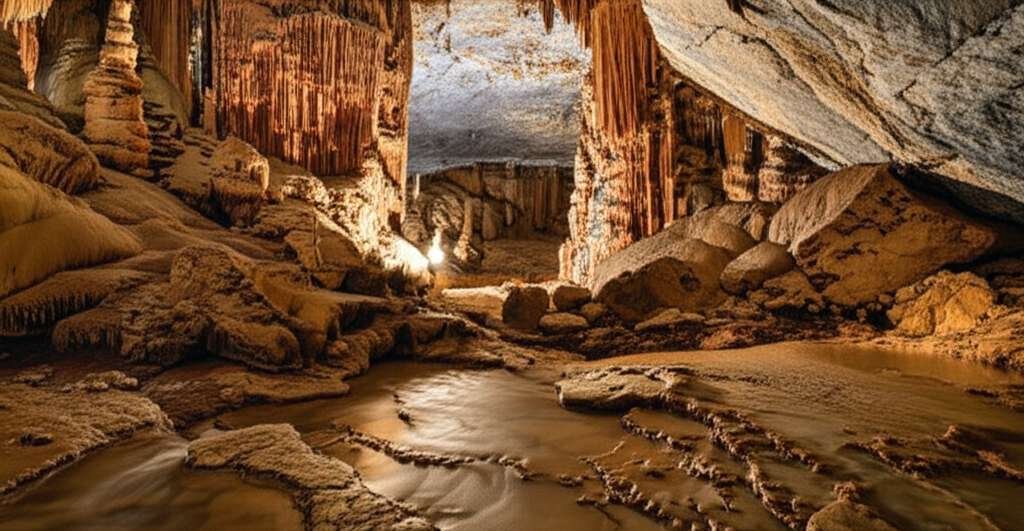
Discover Georgia’s 10 amazing caves and caverns for an unforgettable underground adventure. Perfect for beginners, this guide makes exploring Georgia’s hidden geological wonders simple and exciting.
Are you dreaming of an adventure unlike any other? Exploring the Earth’s hidden depths can feel a bit daunting, especially when you’re new to travel. Where do you even start with so many incredible places to see?
Check the latest prices and available rooms before they sell out.
Don’t worry; planning a trip to explore Georgia’s fascinating caves and caverns is easier than you think. We’ll guide you through some of the most spectacular underground sites the Peach State has to offer. Get ready to be amazed by stunning formations and unique natural beauty.
This guide is your friendly roadmap to uncovering Georgia’s underground treasures. We’ll break down everything you need to know to plan a fun and stress-free expedition into these remarkable places.
Get ready to explore the magical world beneath our feet! Let’s dive into the 10 most amazing caves and caverns in Georgia.
Unveiling Georgia’s Subterranean Wonders
Georgia is a state rich in natural beauty, and its underground landscapes are just as breathtaking as its rolling hills and scenic coastlines. From vast chambers adorned with shimmering stalactites and stalagmites to intricate passages carved by ancient water, these geological marvels offer a unique glimpse into the planet’s history. For beginner travelers, exploring these caves can be an incredibly rewarding experience, sparking wonder and a deeper appreciation for nature.
Planning your first cave exploration might seem tricky, but it doesn’t have to be. Many of Georgia’s caves are accessible with guided tours designed for all ages and experience levels. These tours provide safety, information, and access to areas that might otherwise be off-limits. We’ve handpicked 10 incredible caves and caverns that promise an unforgettable adventure, ensuring your first foray into the subterranean world is both easy and exciting.
Why Explore Georgia’s Caves?
There are many reasons why Georgia’s caves are a must-visit for any curious traveler. They offer a cool escape from the summer heat and a fascinating look at geological processes that have been at work for millions of years. Plus, visiting these natural wonders supports conservation efforts, helping to preserve these delicate ecosystems for future generations.
What Makes Georgia’s Caves Special?
The variety of cave types and formations in Georgia is astonishing. You’ll find limestone caves with classic speleothems, as well as other unique geological features. Each cave tells a story, shaped by water, time, and the very earth itself.
Find the Best Accommodation Deals
Compare prices from multiple booking platforms and find the best option for your stay.
Compare Hotel PricesA Note on Cave Safety and Conservation
Before we embark on our underground journey, a gentle reminder: caves are delicate environments. It’s crucial to follow all guidelines provided by tour operators. Stick to marked paths, avoid touching formations, and never remove anything from the cave. These simple actions help protect these natural wonders for everyone to enjoy. Understanding the importance of conservation is key to responsible travel. Organizations like the National Speleological Society offer valuable resources on cave preservation.
Top 10 Caves and Caverns in Georgia You Must Visit
Let’s journey into the subterranean heart of Georgia and uncover 10 incredible caves and caverns that promise adventure, beauty, and a touch of mystery.
Find the Best Accommodation Deals
Compare prices from multiple booking platforms and discover the best stay options available.
⭐ Trusted by thousands of travelers
💰 Budget to luxury options available
1. Luray Caverns, Virginia (Nearby Gem!)
While technically in Virginia, Luray Caverns is a frequently visited destination for those exploring the broader Appalachian region near Georgia. It’s often included in travel plans due to its sheer magnificence and accessibility. This is the largest and most popular cave in the eastern United States. Known for its incredible formations, including the famous “Stalacpipe Organ,” Luray offers a truly mesmerizing underground experience. The paved walkways and well-lit paths make it perfect for beginner explorers.
What to See: Dazzling stalactites, stalagmites, the world’s largest underground waterfall (partially simulated), and the unique Stalacpipe Organ.
Why it’s Great for Beginners: Easy, accessible pathways, extensive lighting, and informative guided tours.
Location: Luray, Virginia.
2. Etowah Indian Mounds State Historic Site (Caves are a Bonus Viewpoint!)
While the primary focus at Etowah is the impressive Native American mounds, the site is situated along the Etowah River, which has carved out fascinating geological features, including small, accessible overhangs and shallow cave-like formations that offer a glimpse into the area’s natural history. These aren’t deep caverns but rather interesting geological features within a significant historical context. It offers a blend of history and geology.
Best Stay Deals Available
Compare prices across top booking platforms and find the best deal for your stay.
Check Available Rooms What to See: Ancient Native American mounds, artifacts, and glimpses of natural rock formations shaped by the river.
Why it’s Great for Beginners: Easy walking paths, historical context adds another layer of interest, and the natural formations are accessible without strenuous activity.
Location: Cartersville, Georgia.
3. Cloudland Canyon State Park (Canyon Views with Cave-like Features)
Cloudland Canyon State Park boasts spectacular canyon views, but it also features unique geological formations that create cave-like environments, especially within the canyon walls. While not traditional deep caves, the erosion within the canyon has created overhangs and alcoves that are fascinating to explore. Hiking down into the canyon reveals stunning geological features and waterfalls.
What to See: Deep canyon vistas, waterfalls, hiking trails, and fascinating rock formations.
Why it’s Great for Beginners: Well-maintained trails offer access to stunning views. The “cave-like” features are more accessible geological formations within the canyon.
Location: Rising Fawn, Georgia.
4. Amicalola Falls State Park (Near Cave Systems)
Amicalola Falls is famous for Georgia’s tallest waterfall, but its surrounding area is rich in karst topography, meaning caves and sinkholes are common. While Amicalola itself doesn’t feature a prominent accessible cave tour, its proximity to various cave systems in North Georgia makes it a great starting point for an adventure. Exploring the trails around the falls can lead to interesting rock formations and smaller, less developed cave entrances (though these are typically not safe for unsupervised exploration).
What to See: The stunning Amicalola Falls, hiking trails, and the natural beauty of the North Georgia mountains.
Why it’s Great for Beginners: Accessible viewing platforms for the falls, well-marked hiking trails that offer natural exploration.
Location: Dawsonville, Georgia.
5. Tate’s or Tater’s Cave (Local Legend)
This is more of a local legend and a more rugged adventure. Tate’s Cave is known for its interesting passages, but it’s typically explored by experienced cavers. For beginners, it’s best appreciated from a distance or through historical accounts. It highlights the more wild and untamed side of Georgia’s cave systems. Access can be challenging and may require local knowledge.
What to See: Natural cave formations, rugged subterranean passages.
Why it’s Great for Beginners (with Caution): While not for direct beginner tours, it represents the natural cave environment. It’s a reminder of the rugged beauty found throughout Georgia’s karst regions.
Location: Near Chickamauga, Georgia.
6. Pettyjohn’s Cave (A More Challenging Option)
Pettyjohn’s Cave is a more advanced caving destination. It’s a long cave system that requires some spelunking skills and is not recommended for absolute beginners without an experienced guide. However, understanding its existence points to the extensive underground networks in Georgia. For those looking for a future challenge, it’s worth noting.
What to See: Extensive cave passages, unique geological features.
Why it’s Great for Beginners (as a future goal): While too challenging for an initial visit, its renown shows the depth of exploration available. It’s a popular spot for experienced cavers.
Location: Near Rome, Georgia.
7. Varmint Cave (Wild Caving Example)
Varmint Cave exemplifies the wild, undeveloped cave systems found in Georgia. It’s a more secluded spot and typically for experienced individuals or those on guided expeditions. It’s a good example of how many natural caves are not set up for public tourist access and require special knowledge to navigate safely.
What to See: Natural cave formations, raw underground environment.
Why it’s Great for Beginners (as an example): This cave serves as an example of the many unguided, natural caves. It underscores the importance of choosing developed caves or going with experts for safety.
Location: Near Lookout Mountain, Georgia.
8. Tumbling Creek Civil War Cave (Historical & Natural Interest)
This cave offers a unique blend of natural beauty and historical intrigue. During the Civil War, rumors spread about Confederate soldiers hiding valuables within the cave. While many treasures were found, the cave itself is a beautiful example of karst topography with impressive formations. It’s a fascinating spot that combines natural wonders with local history.
What to See: Stalactites, stalagmites, and an engaging history of Civil War lore.
Why it’s Great for Beginners: Offers a guided tour that blends natural wonder with captivating history, making it an engaging experience for all ages.
Location: Near Jasper, Georgia.
9. Nickajack Cave (Tennessee, but a popular nearby destination)
A short drive across the border into Tennessee, Nickajack Cave is a significant bat habitat and a fascinating historical site. It’s part of the South Cumberland Plateau and is known for its large opening and the incredible spectacle of bats emerging at dusk. While the interior cave exploration is limited due to bat conservation, the experience of witnessing the bat flight is a unique natural phenomenon.
What to See: A massive cave entrance, significant bat colony (seasonal), and interpretive trails.
Why it’s Great for Beginners: Easily accessible from the outside and a spectacular natural event (bat flight) to witness. Offers a different kind of cave “experience” focused on wildlife.
Location: Near Jasper, Tennessee.
10. Historic Wildwood Park (Cave Exploration Potential)
Wildwood Park, located near Athens, Georgia, offers natural beauty and opportunities for exploring the landscape. While it doesn’t feature a large, guided cavern tour like some other famous destinations, the park’s terrain includes interesting rock formations and features that hint at underground geological processes. It’s a place for appreciating the natural environment, including potential smaller geological hideaways.
What to See: Natural park scenery, wooded trails, and interesting rock outcroppings.
Why it’s Great for Beginners: Offers a relaxed natural environment to explore. The geological features are more about appreciating the landscape than deep spelunking.
Location: Near Athens, Georgia.
Planning Your Cave Adventure: A Beginner’s Checklist
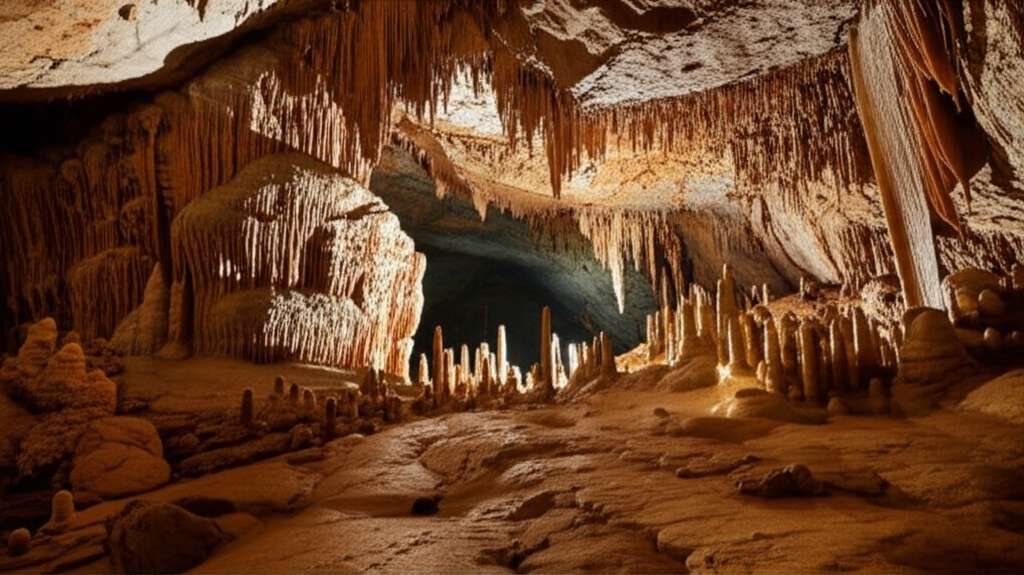
Ready to explore? Here’s a simple checklist to make your first cave adventure smooth and enjoyable.
Step 1: Choose Your Cave
Consider Accessibility: For your first trip, pick a cave with guided tours and well-maintained paths. This ensures safety and provides educational insights.
Look at Special Features: Are you interested in formations, history, or unique geological phenomena? Choose a cave that matches your curiosity.
Check Location: Factor in travel time and whether it pairs well with other attractions.
Step 2: Book Your Tour
Reserve in Advance: Popular caves can book up, especially during peak seasons. Booking online or by phone is recommended.
Check Tour Times and Durations: Ensure the tour fits your schedule and energy levels.
Step 3: What to Wear and Bring
Comfortable Walking Shoes: You’ll be on your feet, often on uneven surfaces.
Light Jacket or Sweater: Caves maintain a cool, constant temperature year-round, often in the 50s°F (around 10-15°C).
Camera: Capture the stunning formations (check cave rules on flash photography).
Small Backpack: To carry essentials like water and snacks.
Water Bottle: Stay hydrated.
Small First-Aid Kit: For minor scrapes.
Step 4: During Your Visit
Listen to Your Guide: They are experts and will share valuable information while ensuring your safety.
Stay on the Path: This protects fragile cave formations and prevents accidents.
Respect the Environment: Do not touch formations, take souvenirs, or leave anything behind. Caves are living ecosystems.
Be Aware of Your Surroundings: Watch your head and footing.
Understanding Cave Formations
The beauty of caves lies largely in their incredible formations, known as speleothems. Here’s a quick look at some common ones you might encounter:
| Formation Type | Description | How it Forms |
|---|---|---|
| Stalactites | Icicle-like pendants hanging from the cave ceiling. | Formed by dripping water rich in dissolved calcite. As water drips, it leaves behind tiny mineral deposits that build up over time. |
| Stalagmites | Conical or cylindrical mounds growing upwards from the cave floor. | Formed by dripping water that has splashed onto the floor. The mineral deposit builds upon itself, rising from the ground. |
| Columns | When a stalactite and a stalagmite meet and fuse together. | The result of stalactite and stalagmite growth connecting over thousands of years. |
| Flowstone | Smooth, sheet-like deposits that cover walls or floors, often resembling frozen waterfalls. | Formed by water flowing over surfaces, depositing minerals as it moves. |
| Helictites | Twisted, irregular formations that seem to defy gravity, growing in various directions. | Formed by capillary action and possibly by air currents or changes in water pressure, causing water to dispense minerals unpredictably. |
Budget-Friendly Cave Exploring Tips
Exploring Georgia’s natural wonders doesn’t have to break the bank! Here are some tips to make your cave adventure both memorable and affordable.
Pack Smart
Bring Your Own Snacks and Drinks: Food and water can be expensive at tourist sites.
Utilize Free Parking: If available, park further away and enjoy a short walk.
Look for Combo Deals
Bundle Attractions: Some parks offer discounts if you visit multiple attractions or book tours together.
Group Discounts: If you’re traveling with family or friends, inquire about group rates.
Travel Off-Season
Fewer Crowds, Lower Prices: Visiting during weekdays or off-peak seasons (like spring or fall, avoiding major holidays) can sometimes lead to lower prices or special offers.
Consider State Parks
* Affordable Entry: Many Georgia State Parks offer incredible natural beauty, including cave-like formations or access to nearby cave systems, at a lower cost than private attractions. A Georgia State Parks pass can also offer value.
Frequently Asked Questions About Georgia Caves
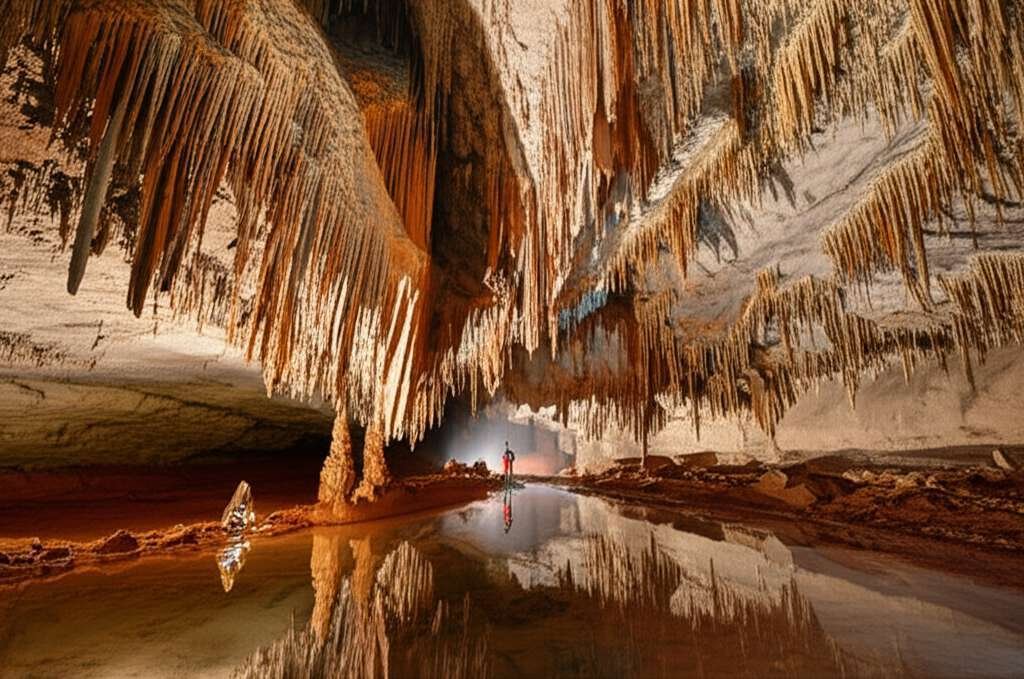
Here are some common questions beginner travelers have about exploring caves in Georgia.
Q1: Are Georgia caves safe for beginners?
A1: Yes, many caves offer guided tours on well-maintained paths, making them very safe and accessible for beginners and families. Always choose a cave with guided tours for your first exploration.
Q2: What is the best time of year to visit Georgia caves?
A2: Caves maintain a consistent cool temperature year-round, so any time is good. However, visiting during the shoulder seasons (spring and fall) can mean fewer crowds.
Q3: Do I need special gear to go caving?
A3: For guided tours, you typically just need comfortable walking shoes and a light jacket. More adventurous caving requires specific gear, but that’s for experienced cavers.
Q4: How long do cave tours usually last?
A4: Tours vary, but generally range from 45 minutes to 1.5 hours, depending on the cave and the tour option you choose.
Q5: Can I take photos inside the caves?
A5: Most caves allow photography, but some may restrict flash photography to protect the delicate formations and the bats (if present). Always check the specific cave’s policy.
Q6: What are the most common cave formations I’ll see?
A6: You’ll likely see stalactites (hanging from the ceiling) and stalagmites (growing from the floor), and possibly columns where they meet, as well as flowstone.
Q7: Are there any caves in Georgia that are known for unique wildlife?
A7: While many caves host various small creatures, Nickajack Cave in nearby Tennessee is famous for its massive bat colony, offering a spectacular viewing experience during emergence times.
Beyond the Caves: Other Georgia Adventures
Your trip to explore Georgia’s caves can be just one part of an amazing itinerary. The areas surrounding these natural wonders often boast other attractions perfect for beginners.
State Parks and Hiking
Many of the caves are located within or near beautiful Georgia State Parks. These parks offer numerous hiking trails, picnic areas, and scenic overlooks. Cloudland Canyon State Park, for instance, provides stunning canyon views and waterfalls that complement the underground exploration.
Historical Sites
Georgia is steeped in history. Sites like Et