
Discover North Dakota’s rich past at 10 amazing historic sites, perfect for beginners wanting to explore the state’s captivating history and natural beauty. Uncover hidden gems and plan your unforgettable journey today!
Hey there, fellow adventurers! Planning a trip to North Dakota and wondering where to start with its history? It can feel a bit overwhelming trying to figure out the best places to visit, especially when you’re looking for truly amazing discoveries. But don’t worry, I’m here to help! Think of me as your friendly guide, ready to walk you through the most incredible historic sites North Dakota has to offer.
Check the latest prices and available rooms before they sell out.
We’ll dive into places that tell stories of Native American heritage, pioneer life, and the wild frontier. You’ll learn what makes each spot special and how to make the most of your visit. Get ready to explore some truly awe-inspiring locations!
Step Back in Time: Your Guide to North Dakota’s Historic Treasures
North Dakota is packed with history, from ancient earth lodges to frontier forts. It’s a place where you can really feel the echoes of the past. Let’s uncover some of the most fascinating historic sites that will make your trip unforgettable.
1. Knife River Indian Villages National Historic Site
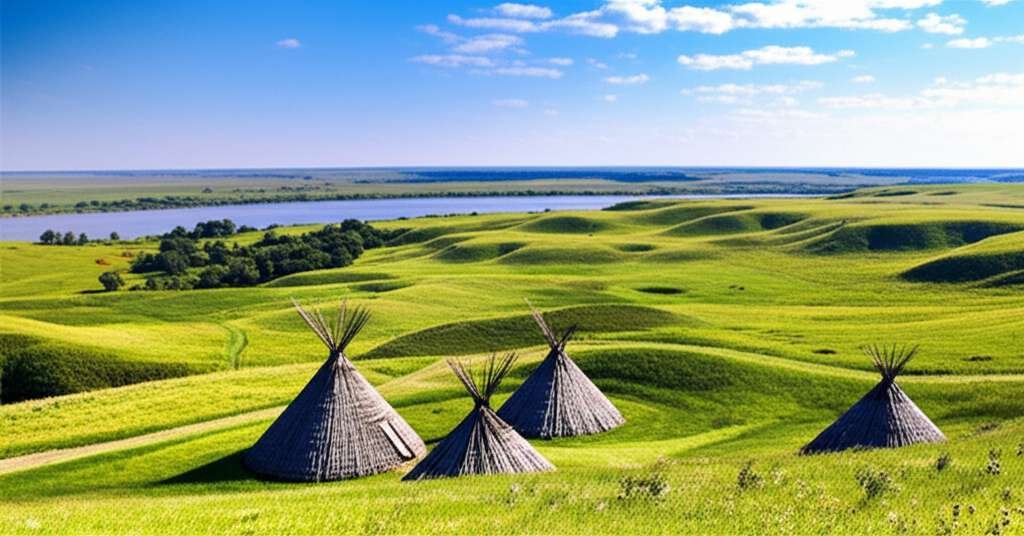
This is a must-visit for anyone interested in the history of the Mandan, Hidatsa, and Arikara tribes. Imagine living here centuries ago! You can see the remains of earth lodges and learn about the vibrant cultures that thrived along the Missouri River.
The site offers walking trails that guide you through the village areas. Look for the earth lodge depressions – they’re like footprints left by history. It’s a peaceful place that truly connects you to the land and its original inhabitants.
2. Fort Mandan State Historic Site
Step into the shoes of the Lewis and Clark Expedition! Fort Mandan was their winter encampment during 1804-1805. This replica fort brings their incredible journey to life.
You can explore the reconstructed fort and imagine the explorers interacting with the local tribes. It’s a fantastic spot for families and history buffs alike. The visitor center has great exhibits that explain the expedition’s challenges and triumphs.
Find the Best Accommodation Deals
Compare prices from multiple booking platforms and find the best option for your stay.
Compare Hotel Prices3. Theodore Roosevelt National Park (South Unit)
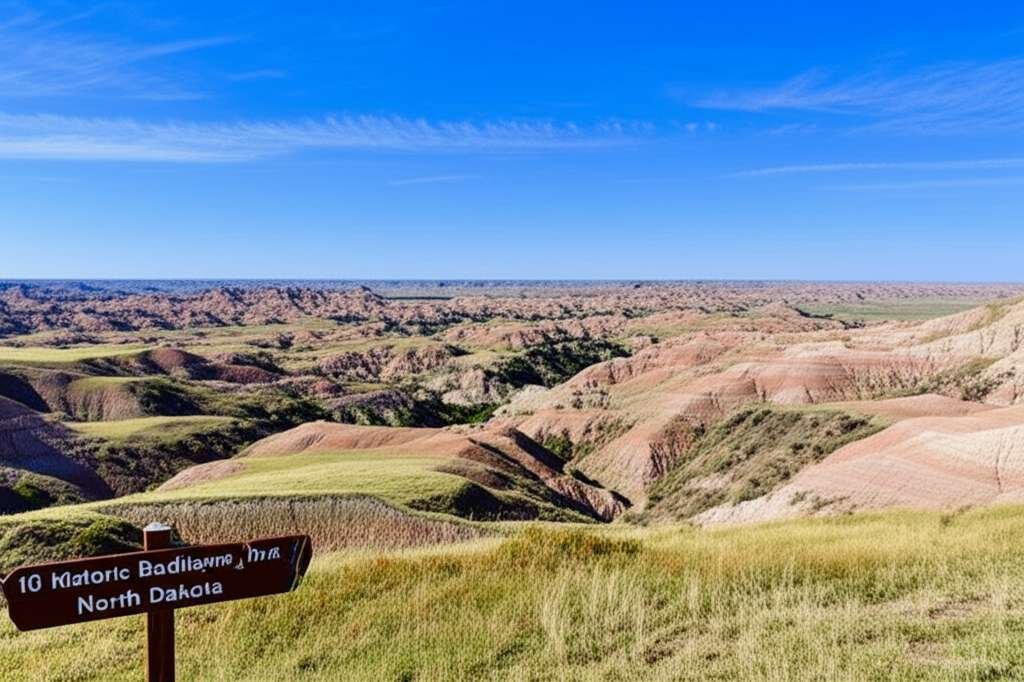
While known for its stunning badlands scenery, this park is also a treasure trove of history. Theodore Roosevelt himself loved this rugged landscape, and it shaped him into the president he became.
You can visit his Maltese Cross Cabin, where he lived as a rancher. Driving through the park, you’ll see historical markers and remnants of the past, including old ranching sites. It’s a beautiful blend of nature and history.
Find the Best Accommodation Deals
Compare prices from multiple booking platforms and discover the best stay options available.
⭐ Trusted by thousands of travelers
💰 Budget to luxury options available
4. Fort Union Trading Post National Historic Site
This was once the “Capital of the Upper Missouri.” Fort Union was a bustling hub for trade between Native American tribes and American fur traders in the 19th century. It was a melting pot of cultures.
A full-scale reconstruction of the fort stands today, offering a glimpse into the busy life of a frontier trading post. Rangers often do historical reenactments, making the experience even more vivid. You can almost hear the chatter of traders and the sounds of the busy post.
Best Stay Deals Available
Compare prices across top booking platforms and find the best deal for your stay.
Check Available Rooms5. Huff Indian Village State Historic Site
This site preserves one of the largest and best-preserved Mandan earth lodge villages ever found. It dates back to around 1550 AD. Walking among the lodge depressions feels like stepping onto sacred ground.
The village offers a fascinating look at the daily life of Plains Indians before European contact. It’s a quiet, reflective place that encourages you to appreciate the deep history of North Dakota’s Indigenous peoples.
6. Fort Abercrombie State Historic Site
Known as the “Key to the West,” Fort Abercrombie played a crucial role in the early settlement and military history of North Dakota. It was established in 1857.
The site features reconstructed buildings and exhibits that tell the story of the fort’s importance. You can explore the grounds and learn about the soldiers and settlers who passed through this strategic location. It offers a tangible connection to the frontier military era.
7. Chateau de Mores State Historic Site
Experience the opulent lifestyle of a 19th-century French nobleman! This impressive chateau in Medora was built by the Marquis de Mores as a summer home and headquarters for his meatpacking business. It’s quite a sight!
Take a guided tour of the furnished mansion and imagine the parties and business dealings that took place here. The site also includes other buildings from the Marquis’s ventures, offering a unique glimpse into frontier enterprise.
8. Sakakawea’s Winter Camp Site (Lewis and Clark State Park)
This beautiful park is believed to be the location of Sakakawea’s (Sacagawea’s) Mandan village where she spent the winter of 1806-1807. It’s a serene spot on the shores of Lake Sakakawea.
While not a reconstructed fort, the park offers interpretive signs and a peaceful environment to contemplate the role of Sakakawea and her people in the Lewis and Clark Expedition. It’s a place for reflection and connecting with nature.
9. Camp Hancock State Historic Site
Located in Bismarck, Camp Hancock was a frontier military post established in 1872. It served as a key supply point and base for troops during the period of westward expansion.
The site features the original guardhouse, which is the only remaining structure. It’s a small but significant piece of North Dakota’s military history, offering insight into the daily lives of soldiers on the frontier.
10. Pioneer Village Museum (Garrison)
For a broader look at early life in North Dakota, Pioneer Village Museum is fantastic. It’s an outdoor museum with relocated buildings that showcase life from the late 19th and early 20th centuries.
You can wander through historic homes, a schoolhouse, a church, and various other structures. It’s a charming way to see how settlers lived and worked, offering a hands-on feel for the pioneer era.
Planning Your Historic Adventure: Essential Tips
Ready to explore? Here are some practical tips to make your journey through North Dakota’s historic sites smooth and enjoyable.
Getting Around North Dakota
North Dakota is a big state, and many historic sites are spread out. Having your own vehicle is usually the easiest way to get around.
- Car Rental: Major airports like Bismarck (BIS), Fargo (FAR), and Grand Forks (GFK) have car rental agencies. Book in advance, especially during peak season.
- Driving Distances: Be prepared for some driving between sites. Use GPS or a good map to plan your routes.
- Road Conditions: Roads are generally well-maintained. However, always check weather conditions, especially during winter months.
Best Time to Visit Historic Sites
The weather in North Dakota can vary dramatically. Here’s a general guide:
| Season | Pros | Cons |
|---|---|---|
| Spring (April-May) | Fewer crowds, blooming wildflowers, mild temperatures for walking. | Can still be chilly, some sites might have limited hours. |
| Summer (June-August) | Warmest weather, all sites fully operational, long daylight hours. | Most crowded, higher prices for accommodation, can be hot. |
| Fall (September-October) | Beautiful autumn colors, pleasant temperatures, fewer crowds than summer. | Weather can become unpredictable, shorter daylight hours. |
| Winter (November-March) | Unique snowy landscapes, very few crowds, potential for winter activities. | Very cold, many outdoor sites have limited access or hours, driving can be challenging. |
Must-Have Travel Essentials
Pack smart to ensure comfort and preparedness:
- Comfortable Walking Shoes: You’ll be doing a lot of exploring on foot.
- Layers of Clothing: North Dakota weather can change quickly.
- Sun Protection: Hat, sunglasses, and sunscreen are important, even on cloudy days.
- Insect Repellent: Especially useful during warmer months near water.
- Water Bottle: Stay hydrated, especially when exploring outdoors.
- Camera: To capture all the amazing discoveries!
- Snacks: Some sites might be in remote areas, so having snacks is a good idea.
Budget-Friendly Tips
Exploring history doesn’t have to break the bank:
- National Park Passes: If you plan to visit multiple National Park Service sites (like Fort Union or Theodore Roosevelt NP), consider an America the Beautiful Pass.
- Pack Lunches: Many picnic areas are available at historic sites.
- Look for Free Sites: Some state historic sites have minimal or no entrance fees, or operate on a donation basis.
- Book Accommodation in Advance: Especially during summer, booking hotels or campgrounds early can secure better rates.
- Travel in Shoulder Seasons: Spring and fall often offer lower prices and fewer crowds.
Frequently Asked Questions About North Dakota’s Historic Sites
Here are some common questions beginners have when planning their historic adventures in North Dakota.
What is the best time to visit North Dakota’s historic sites?
The best time is generally late spring through early fall (May to October). The weather is more pleasant for exploring outdoors, and most sites are fully open. Summer offers the warmest weather, while fall provides beautiful scenery and fewer crowds.
How do I get around to these historic sites?
A personal vehicle or rental car is highly recommended, as many sites are spread across the state. Public transportation is limited outside of major cities. Renting a car at the airport upon arrival is a convenient option.
What are the top historical periods or themes I can explore?
You can explore a wide range of history, including Native American heritage (Mandan, Hidatsa, Arikara), the Lewis and Clark Expedition, frontier military forts, pioneer settlement life, and the ranching era of Theodore Roosevelt.
Are there budget-friendly accommodation options near the historic sites?
Yes! Many towns near historic sites offer a range of accommodations, from budget-friendly motels and campgrounds to more established hotels. Websites like VisitTheUSA.com and local tourism sites can help you find options. Booking in advance often secures better prices.
What local foods should I try while exploring North Dakota?
Don’t miss trying regional specialties! Look for dishes featuring bison, walleye (a popular fish), and German-Russian heritage foods like Knoephla soup or kuchen (a sweet cake/pastry). Many local diners and restaurants offer these authentic tastes.
How safe are these historic sites for solo travelers?
North Dakota is generally considered a safe state. Historic sites are typically well-maintained and visited by others. However, as with any travel, it’s always wise to stay aware of your surroundings, inform someone of your itinerary, and follow park safety guidelines.
How many days are typically needed to explore the main historic sites?
To get a good feel for the major historic sites, especially those like Theodore Roosevelt National Park and the Knife River Indian Villages, plan for at least 4-7 days. If you want to see a wider variety and cover more ground, 10-14 days would allow for a more relaxed pace and deeper exploration.
Conclusion: Your North Dakota History Adventure Awaits!
Wow, what an incredible journey through North Dakota’s past! From ancient earth lodges to frontier forts and the rugged badlands, these 10 historic sites offer amazing discoveries for every kind of traveler. You’ve got the inside scoop on where to go, what to expect, and how to make your trip a breeze.
Imagine standing where Lewis and Clark once stood, or walking the grounds of a thriving Native American village. These experiences are waiting for you. So pack your bags, grab your sense of adventure, and get ready to uncover the captivating stories etched into the landscape of North Dakota.
Happy travels, and may your explorations be filled with wonder and unforgettable memories!