
Discover Louisiana’s most stunning viewpoints for unforgettable photos! From historic streets to breathtaking bayous, these 10 spots offer amazing views for every photographer, especially beginners. Get ready to capture the unique beauty of the Pelican State with simple, inspiring ideas.
Louisiana is a place brimming with color, culture, and charm. But if you’re new to exploring, figuring out where to get those perfect shots can feel a little overwhelming. You want to capture the magic of the state, but where do you even begin?
Check the latest prices and available rooms before they sell out.
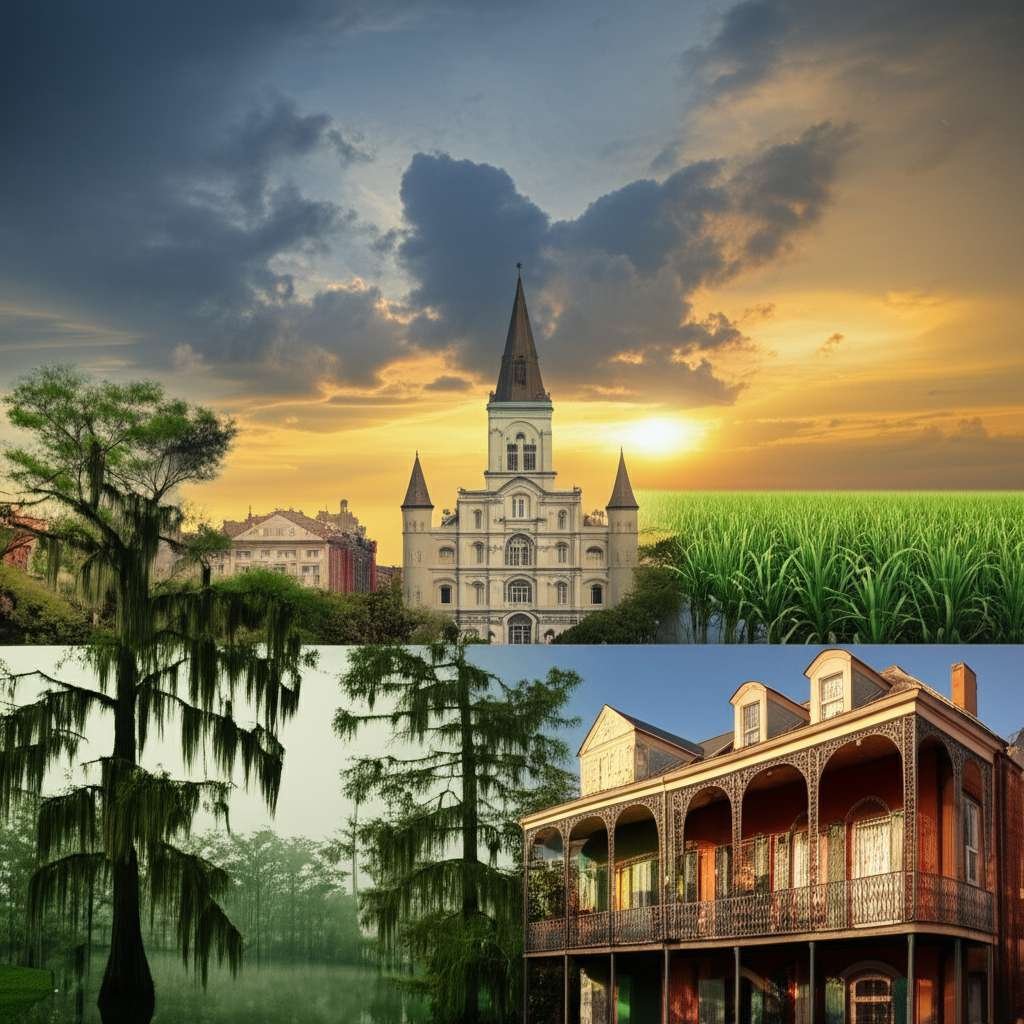
Don’t worry, planning your photo adventure in Louisiana is easier than you think! We’ve rounded up the most picturesque locations, perfect for beginners and experienced photographers alike.
Get ready to explore the beauty of the Bayou State and create memories that will last a lifetime. Let’s dive into some truly amazing Louisiana views!
10 Photography Spots in Louisiana: Amazing Views
Louisiana offers a feast for the eyes, with landscapes and architecture that tell stories of history, nature, and vibrant life. Whether you’re wielding a professional camera or just your smartphone, these 10 spots are guaranteed to give you incredible photos.
1. French Quarter, New Orleans
The French Quarter is a photographer’s dream. Its narrow streets, colorful Creole architecture, iron lace balconies, and lively atmosphere are iconic. Every corner offers a new perspective, from the grandeur of Jackson Square to the intimate courtyards hidden away.
What to capture: Historic buildings, wrought-iron balconies, street performers, vibrant street art, and the general buzz of New Orleans life. Don’t miss Bourbon Street at night for a different kind of energy, or the quieter charm of Royal Street during the day.
Pro-tip: Visit early in the morning to avoid crowds and capture the soft morning light on the historic buildings. Mid-day can be harsh, but the colors pop in the afternoon sun.
Find the Best Accommodation Deals
Compare prices from multiple booking platforms and find the best option for your stay.
Compare Hotel Prices2. Oak Alley Plantation, Vacherie
Imagine a grand, historic plantation home framed by an astonishing alley of ancient live oak trees. This is Oak Alley, one of Louisiana’s most photographed sites. The majestic oaks draped with Spanish moss create a surreal and stunning natural frame.
What to capture: The iconic oak alley leading to the mansion, the historic house itself, the surrounding grounds, and the reflections in any water features. The symmetry of the oaks is a photographer’s delight.
Find the Best Accommodation Deals
Compare prices from multiple booking platforms and discover the best stay options available.
⭐ Trusted by thousands of travelers
💰 Budget to luxury options available
When to go: Sunrise and sunset offer magical light, casting long shadows and a golden glow. Spring brings lush greenery, while fall adds a touch of amber to the leaves.
3. Atchafalaya Basin Swamp
This is the heart of Louisiana’s wild beauty. The Atchafalaya Basin is a vast, mysterious swampland filled with cypress trees, Spanish moss, and abundant wildlife. It’s a place where nature reigns supreme and offers a truly unique photographic experience.
What to capture: Cypress trees emerging from the water, Spanish moss hanging from branches, alligators, wading birds (like herons and egrets), and the misty atmosphere of the swamp. Boat tours are the best way to explore and get close to the scenery.
Best Stay Deals Available
Compare prices across top booking platforms and find the best deal for your stay.
Check Available RoomsGetting there: You can explore via guided airboat tours or kayak rentals. Check out the National Park Service’s information on the Atchafalaya Basin for areas and access points.
4. Lafayette Cemetery No. 1, New Orleans
One of New Orleans’ oldest and most famous above-ground cemeteries, Lafayette Cemetery No. 1 is a city of the dead that tells stories of the past. The unique burial vaults, often intricately designed and weathered by time, create a hauntingly beautiful scene.
What to capture: The rows of above-ground tombs, intricate details on the vaults, the weathered marble and stone, and the lush, often overgrown, vegetation that adds to the atmosphere. Look for unique architectural styles and historical markers.
Important Note: As of late 2023, Lafayette Cemetery No. 1 is closed for renovations. However, you can still photograph the exterior gates and the general atmosphere of historic New Orleans cemeteries, or visit nearby St. Louis Cemetery No. 1 (with a guided tour only).
5. The Lakefront, New Orleans
Stretching along the southern shore of Lake Pontchartrain, the New Orleans lakefront offers a refreshing change of pace from the city’s bustling streets. It’s a popular spot for locals and offers fantastic views, especially at sunset.
What to capture: The expansive lake, the city skyline in the distance, the Causeway Bridge (a very long bridge), sailboats, and people enjoying the waterfront. The sunset here can be absolutely spectacular, painting the sky with vibrant colors.
Best time to visit: Late afternoon into the evening for the best light and sunset views. Weekends are lively with families and joggers.
6. Cane Fields, Louisiana Countryside
Driving through rural Louisiana, you’ll encounter vast expanses of sugarcane fields. When the sun hits them, especially during sunrise or sunset, the golden stalks create a mesmerizing, almost surreal landscape that is uniquely Louisiana.
What to capture: The endless rows of sugarcane, the way the light filters through the stalks, farmhouses and barns interspersed within the fields, and tractors working the land. The texture and color are incredible.
Where to find them: Look for them along the Great River Road and in the parishes south of Baton Rouge. Be respectful of private property when photographing.
7. St. Charles Avenue Streetcar, New Orleans
A ride on the St. Charles Avenue streetcar is not just transportation; it’s a journey through one of New Orleans’ most beautiful residential districts. The vintage streetcars themselves are a photographic subject, as are the stunning mansions they pass.
What to capture: The iconic green streetcars against the backdrop of majestic oak trees and opulent mansions. Capture the motion of the streetcar, the details of the architecture, and the life along the avenue.
Photography tips: Try capturing the streetcar as it rounds a bend or heads down the avenue. Be patient, as they run on a schedule. The Garden District section of St. Charles Avenue is particularly famous for its architecture.
8. Avery Island, Louisiana
Home to the famous McIlhenny Company Tabasco Sauce factory, Avery Island is also a haven for nature lovers. Its lush, semi-tropical landscape and the Jungle Garden are a wonderland of exotic plants, ancient oaks, and abundant birdlife.
What to capture: The Bird City rookery (especially during nesting season), the unique flora in the Jungle Garden, ancient live oaks, and the scenic bayous. The vibrant colors of the plants and the wildlife are a photographer’s delight.
Visitor info: The island is privately owned and has an entrance fee. You can find more details on the official Avery Island website.
9. Louisiana State Capitol Building, Baton Rouge
The Louisiana State Capitol in Baton Rouge is an architectural marvel. Its striking Art Deco design and impressive height make it a landmark worth photographing. The grounds and surrounding areas also offer beautiful views.
What to capture: The towering skyscraper Capitol building from different angles, the reflection pool, the gardens, and the views from the observation deck on the 27th floor. The intricate details of the architecture are impressive up close.
Best photo spots: The main entrance plaza offers a grand view. For a different perspective, walk around the perimeter or head inside to the observation deck for panoramic city views.
10. Jean Lafitte National Historical Park and Preserve
This park offers a gateway to the Louisiana wetlands, including the Barataria Preserve. It’s a place to experience the natural beauty and rich cultural heritage of the region, with opportunities to see wildlife and learn about the bayou lifestyle.
What to capture: The bayou landscape, cypress swamps, boardwalks winding through the wetlands, alligators, birds, and the unique flora of the region. The preserve is accessible via various trails and boardwalks.
Plan your visit: The park has multiple units. The Barataria Preserve unit near Marrero is a popular spot for experiencing the bayou. Visit the official Jean Lafitte National Historical Park and Preserve website for maps and visitor center information.
Photography Tips for Beginners in Louisiana
Louisiana’s beauty is undeniable, but getting those stunning shots is even easier with a few simple tips. Here’s how to make the most of your photography adventures.
Gear Up Smart
You don’t need the most expensive camera. A smartphone with a good camera can capture amazing images. If you have a DSLR or mirrorless camera, a versatile lens (like an 18-55mm or 24-70mm) is perfect for most situations.
- Camera/Smartphone: Whatever you have! Ensure it’s charged.
- Extra Battery/Power Bank: You don’t want to run out of power when the perfect shot appears.
- Comfortable Shoes: You’ll be doing a lot of walking.
- Insect Repellent: Essential for bayou and swamp areas, especially during warmer months.
- Water Bottle: Stay hydrated, especially in the Louisiana heat and humidity.
Master the Light
Light is everything in photography. Louisiana’s sun can be intense, so understanding how to use it is key.
- Golden Hour: The hour after sunrise and the hour before sunset. The light is soft, warm, and creates beautiful shadows.
- Mid-day Sun: Often harsh and creates strong shadows. It’s best to seek shade or use it creatively for high-contrast shots.
- Overcast Days: Great for portraits and capturing vibrant colors without harsh glare.
Composition Basics
How you frame your shot makes a big difference. Try these simple techniques:
- Rule of Thirds: Imagine your frame divided into nine equal parts by two horizontal and two vertical lines. Place your main subject along these lines or at their intersections.
- Leading Lines: Use natural lines in the scene (like a road, a fence, or a row of trees) to guide the viewer’s eye into the photograph.
- Symmetry and Patterns: Look for repeating elements or balanced scenes, like the oaks at Oak Alley or the buildings in the French Quarter.
- Framing: Use elements in the foreground (like branches or doorways) to frame your subject.
Be Patient and Observe
Sometimes the best shots come from waiting for the right moment. Observe your surroundings, look for interesting details, and don’t be afraid to move around to find a better angle.
Louisiana Photography Spot Comparison
To help you decide where to start, here’s a quick look at what each spot offers for photography.
| Photography Spot | Best For | Key Features | Beginner Friendliness |
|---|---|---|---|
| French Quarter, New Orleans | Architecture, Street Life, Culture | Historic buildings, balconies, vibrant streets, people | Very High (easy to wander and find subjects) |
| Oak Alley Plantation | Nature, History, Iconic Scenery | Majestic oak trees, plantation house, Spanish moss | High (well-defined subjects) |
| Atchafalaya Basin Swamp | Nature, Wildlife, Atmospheric Landscapes | Cypress trees, Spanish moss, alligators, birds, mist | Medium (best with a guided tour for access) |
| Lafayette Cemetery No. 1 (Exterior view) | Unique Architecture, History, Moody Atmosphere | Above-ground tombs, historic markers, weathered stone | Medium (requires respectful observation, check access) |
| The Lakefront, New Orleans | Sunsets, City Views, Relaxed Atmosphere | Lake Pontchartrain, skyline, water, bridges | Very High (open space, easy to find good vantage points) |
| Cane Fields | Rural Landscapes, Textures, Light Play | Endless rows of sugarcane, farm elements, golden light | Medium (requires driving and finding accessible spots) |
| St. Charles Avenue Streetcar | Transportation, Architecture, Nostalgia | Vintage streetcars, grand mansions, oak-lined streets | High (easy to photograph from sidewalks) |
| Avery Island | Nature, Wildlife, Exotic Flora | Bird City, Jungle Garden, ancient oaks, bayous | High (well-maintained paths and attractions) |
| Louisiana State Capitol | Architecture, City Views, Grandeur | Art Deco building, observation deck, gardens | Very High (accessible and impressive subject) |
| Jean Lafitte National Park | Wetlands, Wildlife, Nature Trails | Bayou scenery, cypress swamps, boardwalks, birds | High (well-marked trails and visitor centers) |
Frequently Asked Questions About Louisiana Photography
Q1: What’s the best time of year to photograph Louisiana?
A1: Spring (March-May) offers blooming flowers and pleasant weather, while fall (September-November) brings beautiful light and cooler temperatures. Summer is hot and humid, but great for lush bayou scenes. Winter is mild and can offer unique misty conditions.
Q2: Do I need a special permit to photograph in Louisiana?
A2: Generally, no, for personal use in public areas. However, commercial photography or shooting in specific private locations (like plantations) may require permits or fees. Always check with the property owner or park authority.
Q3: What kind of wildlife can I expect to photograph?
A3: Louisiana is rich in wildlife! You can find alligators, various species of birds (herons, egrets, pelicans, roseate spoonbills), turtles, and even nutria in its wetlands and waterways. In more urban areas, you’ll see common city birds and perhaps squirrels.
Q4: How do I avoid mosquitoes and bugs when photographing outdoors?
A4: Use a good quality insect repellent containing DEET or picaridin. Wear long sleeves and pants, especially during dawn and dusk. Consider mosquito nets for your camera if you plan on long exposures in heavily infested areas.
Q5: Is it safe to photograph alone in Louisiana?
A5: For the most part, yes. However, always be aware of your surroundings, especially in busy urban areas or remote natural settings. Stick to well-trafficked areas, let someone know where you’re going, and trust your instincts.
Q6: What are some essential photography gear items for Louisiana’s humidity?
A6: Protect your gear from humidity by using silica gel packets in your camera bag. Keep your equipment in a dry, cool place when not in use. A rain cover for your camera can also be useful during sudden downpours.
Conclusion
Louisiana is a state that truly captivates the senses, and its visual richness offers endless opportunities for stunning photography. From the historic charm of New Orleans’ French Quarter to the untamed beauty of its bayous and the grandeur of its state capitol, there’s a perfect shot waiting around every corner.
Whether you’re a beginner just starting with your first camera or an experienced photographer looking for new inspiration, these 10 spots provide a fantastic starting point. Remember to embrace the light, experiment with composition, and most importantly, enjoy the journey of capturing the unique spirit of Louisiana.
So grab your camera, pack your sense of adventure, and get ready to discover the amazing views that make the Pelican State so special. Your next unforgettable photo awaits!