
Discover the 12 best hiking trails in Montana for unforgettable adventures, from easy strolls to challenging climbs. Explore stunning scenery and plan your perfect trip with this beginner-friendly guide.
Montana is a hiker’s paradise, often called “Big Sky Country” for good reason. Its vast landscapes offer endless opportunities for adventure, but with so many choices, planning your first hike can feel a little overwhelming. Where do you even begin?
Check the latest prices and available rooms before they sell out.
Don’t worry, I’m here to help! We’ll explore some of the most amazing hiking trails Montana has to offer, breaking them down so you can choose the perfect adventure for your skill level and interests.
Get ready to lace up your boots and experience the breathtaking beauty of Montana!
Your Guide to Montana’s Most Amazing Hiking Trails
Montana is a treasure trove of natural wonders, boasting towering mountains, crystal-clear lakes, and expansive valleys. For anyone looking to connect with nature and experience the grandeur of the American West, hiking is the perfect way to do it. This guide is designed to make your Montana hiking dreams a reality, no matter your experience level.
We’ve handpicked 12 incredible hiking trails that showcase the diverse beauty of Montana. From gentle lakeside paths ideal for a relaxing afternoon to more demanding ascents that reward you with panoramic vistas, there’s an adventure waiting for everyone. Let’s dive into these spectacular trails and start planning your next unforgettable journey.
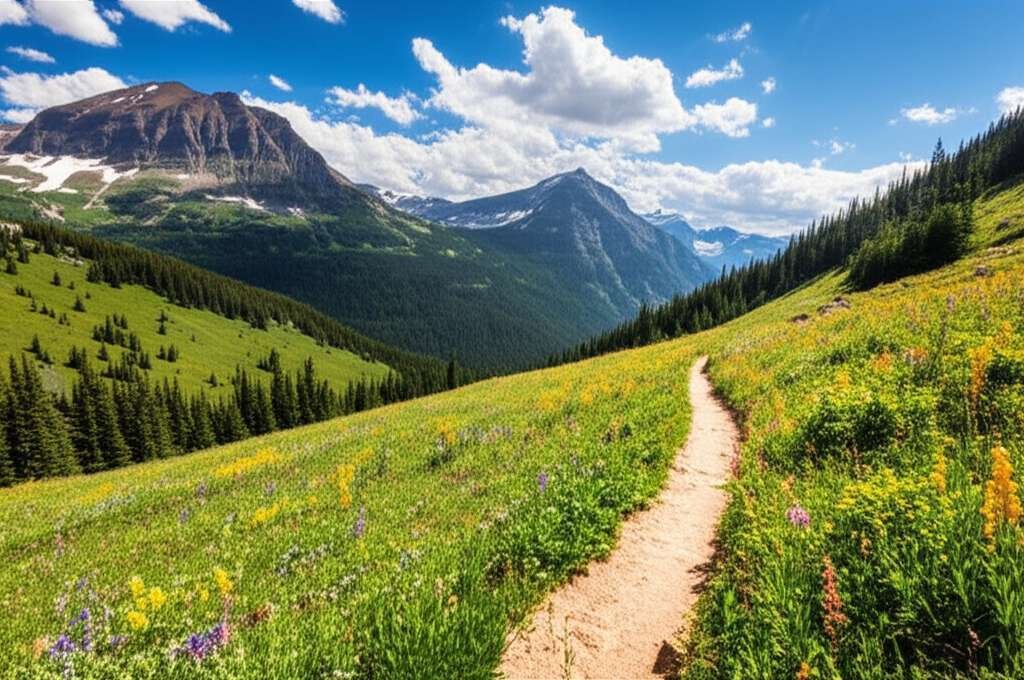
Choosing Your Montana Hiking Adventure: What to Consider
Before we hit the trails, let’s think about what makes a hike perfect for you. It’s all about matching the trail to your comfort level and what you want to see.
Your Fitness Level: Are you new to hiking, or do you have some experience? Be honest with yourself! Trails are rated by difficulty, and choosing one that matches your fitness will make the experience much more enjoyable.
What You Want to See: Are you dreaming of waterfalls, alpine lakes, sweeping mountain views, or maybe spotting some wildlife? Montana has it all! Think about your must-see sights.
Time of Year: Montana’s weather can change quickly. Summer and early fall are generally the best times for hiking, but some high-altitude trails might be snow-covered well into July. Always check current conditions.
Trail Length and Elevation Gain: Longer trails and those with significant elevation gain require more stamina. Beginners might prefer shorter hikes with less climbing.
Find the Best Accommodation Deals
Compare prices from multiple booking platforms and find the best option for your stay.
Compare Hotel Prices12 Incredible Hiking Trails in Montana for Every Explorer
Now for the best part! Here are 12 fantastic hiking trails in Montana, offering a taste of the state’s incredible diversity. We’ve included a mix of well-known favorites and hidden gems.
1. Avalanche Lake Trail (Glacier National Park)
This is a quintessential Glacier National Park hike and a fantastic choice for beginners. The trail winds through an ancient cedar forest, following Avalanche Creek.
Find the Best Accommodation Deals
Compare prices from multiple booking platforms and discover the best stay options available.
⭐ Trusted by thousands of travelers
💰 Budget to luxury options available
Distance: 4.5 miles roundtrip
Elevation Gain: 731 feet
Why it’s amazing: You’ll be rewarded with a stunning lake nestled at the base of sheer cliffs, with multiple thin waterfalls cascading down. The forest itself is magical.
Tip: Go early to avoid crowds, especially during peak season.
2. Grinnell Glacier Trail (Glacier National Park)
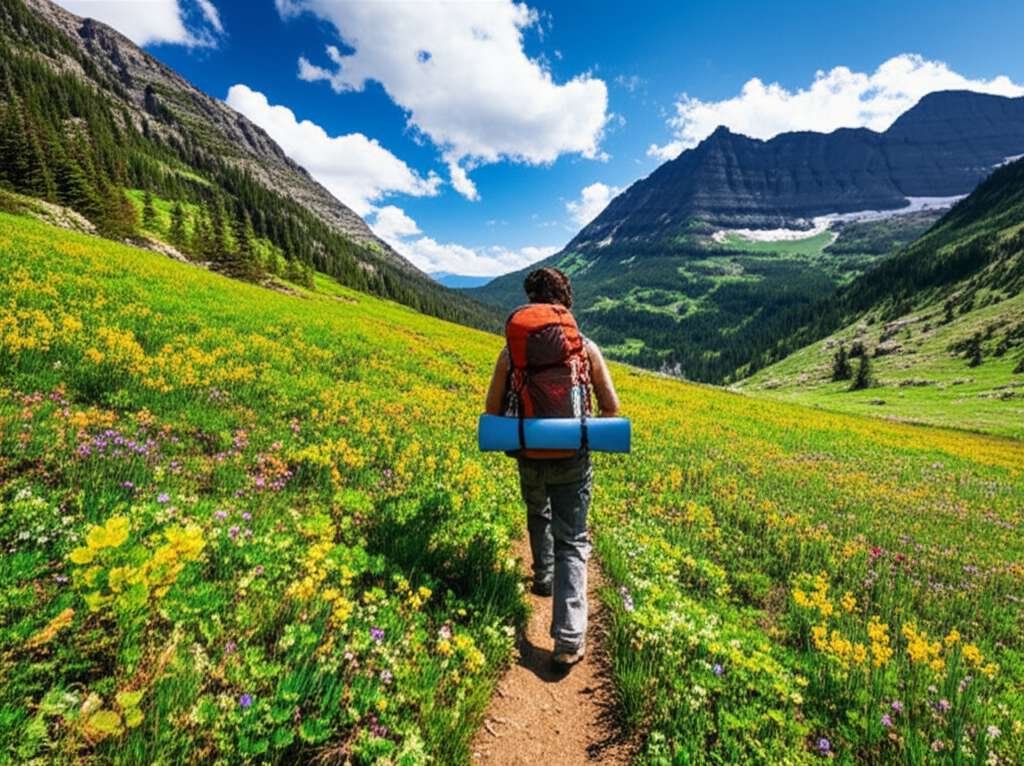
For those looking for a bit more of a challenge with a truly iconic reward, the Grinnell Glacier trail is a must. This hike offers unparalleled views of glaciers, turquoise lakes, and potentially mountain goats and bighorn sheep.
Best Stay Deals Available
Compare prices across top booking platforms and find the best deal for your stay.
Check Available Rooms Distance: 7.6 miles roundtrip (from Grinnell Glacier Trailhead) or 10.6 miles roundtrip (from Many Glacier Hotel)
Elevation Gain: 1,840 feet
Why it’s amazing: You get up close and personal with Grinnell Glacier and Upper Grinnell Lake, a breathtaking sight. The trail features dramatic overlooks and is surrounded by rugged peaks.
Tip: Consider taking the boat shuttle across Swiftcurrent Lake and Josephine Lake to shorten the hike and gain elevation more quickly. Check the Glacier National Park website for current trail status and shuttle information.
3. Highline Trail (Glacier National Park)
The Highline Trail is legendary for its dramatic ledge walking and sweeping alpine views. It’s a bucket-list hike for many, offering a unique perspective of Glacier National Park.
Distance: 11.4 miles one-way (to The Loop) or longer if you go further.
Elevation Gain: Minimal on the first section, but can be significant if you extend the hike.
Why it’s amazing: You’ll be hiking along the Garden Wall, with massive drop-offs (and a handrail for reassurance!) and unobstructed views of the park’s interior mountains.
Tip: This is an out-and-back or point-to-point hike. You can arrange for a shuttle to pick you up at The Loop, or hike back. Be prepared for exposure to sun and wind.
4. Iceberg Lake Trail (Glacier National Park)
This trail is famous for the large icebergs that often float in the lake well into the summer months, even on hot days! It’s a relatively moderate hike with a spectacular destination.
Distance: 9.7 miles roundtrip
Elevation Gain: 1,224 feet
Why it’s amazing: The destination is an incredibly scenic lake surrounded by sheer cliffs, often dotted with icebergs. The journey through meadows and forests is also beautiful.
Tip: Keep an eye out for wildlife like bears and mountain goats. Carry bear spray and know how to use it.
5. Trail of the Cedars Nature Trail (Glacier National Park)
While technically a nature trail and very short, it’s an essential stop for all visitors to Avalanche Lake and offers a magical introduction to Glacier’s ancient forests.
Distance: 0.7 miles loop
Elevation Gain: Minimal
Why it’s amazing: This accessible boardwalk trail takes you through a grove of old-growth cedar trees, creating a serene and almost mystical atmosphere. It’s a perfect gentle walk for all ages and abilities.
Tip: Combine this with the Avalanche Lake trail for a fuller experience.
6. Lava Lake Trail (Near Bozeman)
A popular and relatively accessible hike near Bozeman, Lava Lake offers beautiful mountain scenery and a lovely destination lake.
Distance: 5.9 miles roundtrip
Elevation Gain: 1,000 feet
Why it’s amazing: The trail climbs through aspen and pine forests, opening up to a picturesque lake surrounded by rugged peaks. It’s a great option for a day trip from Bozeman.
Tip: This trail can get busy, so aim for a weekday or early morning.
7. Hyalite Creek Trail (Near Bozeman)
This trail leads to a series of stunning waterfalls in the Hyalite Canyon area, making it a rewarding hike for waterfall enthusiasts.
Distance: Varies depending on how far you go, but a popular destination is 9.4 miles roundtrip to Palisade Falls (note: Palisade Falls itself has a very short, accessible trail, but this refers to going further up the creek).
Elevation Gain: Around 1,000 feet to popular waterfall spots.
Why it’s amazing: You’ll hike alongside Hyalite Creek, passing several beautiful waterfalls, including Grotto Falls and Hyalite Falls. The canyon is gorgeous.
Tip: Check for any trail closures due to bear activity, as this is a common area for wildlife.
8. Pictograph Cave State Park Trails (Billings)
For a dose of history and unique geological features, Pictograph Cave offers short, accessible trails with fascinating ancient artwork.
Distance: About 0.2 miles to the main cave, with a short loop.
Elevation Gain: Minimal
Why it’s amazing: You can see thousands of years old pictographs (rock paintings) left by early inhabitants. The cave formations are also impressive.
Tip: This is a great stop for families or those interested in archaeology and cultural history.
9. Emerald Lake Trail (Near West Yellowstone)
While technically just over the border in Wyoming within Yellowstone National Park, this hike is easily accessible from West Yellowstone, Montana, and is a stunning introduction to alpine lakes.
Distance: 3.2 miles roundtrip
Elevation Gain: 650 feet
Why it’s amazing: This trail leads to a stunning, jewel-toned alpine lake surrounded by dramatic peaks. It’s a relatively short hike with a huge payoff.
Tip: You’ll need a Yellowstone National Park pass to access this trail. Be aware of park regulations and wildlife.
10. Mount Edith Trail (Near Kalispell)
This hike offers incredible panoramic views of the Flathead Valley and surrounding mountain ranges, making it a favorite for its vistas.
Distance: 7.4 miles roundtrip
Elevation Gain: 2,280 feet
Why it’s amazing: The summit provides a 360-degree view that is simply breathtaking, especially during sunrise or sunset. You’ll see Flathead Lake, Glacier National Park, and the Swan Range.
Tip: This trail can be strenuous due to the elevation gain, but the views are well worth the effort.
11. Kootenai Falls Trail (Near Libby)
Known as the “Hanging Gardens of the West,” this area features a beautiful waterfall and unique geological formations. It’s also famous as a filming location for “The River Wild.”
Distance: 2.3 miles roundtrip to the Swinging Bridge and falls.
Elevation Gain: Minimal
Why it’s amazing: Kootenai Falls is a powerful, beautiful waterfall. The trail leads you to a unique Swinging Bridge and offers lovely views of the Kootenai River.
Tip: The trail is generally easy and accessible, making it a great option for families.
12. Beartooth Basin – Beartooth Plateau (Near Red Lodge)
This isn’t a single trail but a vast, high-altitude area offering numerous opportunities for exploration. It’s one of the most scenic alpine plateaus in the United States.
Distance: Varies greatly, from short walks to multi-day backcountry trips.
Elevation Gain: Varies greatly.
Why it’s amazing: Expect stunning alpine lakes, rugged peaks, glaciers, and vast, open tundra. It feels like a different world up here.
Tip: This area is at a very high elevation (often over 10,000 feet). Be prepared for cold weather, even in summer, and be mindful of altitude sickness. Access is typically via the scenic Beartooth Highway, which is closed in winter.
Essential Hiking Gear for Beginners
Packing the right gear can make all the difference between a great hike and a challenging one. For beginner hikers in Montana, focus on the essentials.
Sturdy Footwear: This is crucial! Hiking boots or trail shoes with good ankle support and grip are a must. Make sure they are broken in before your hike.
Layered Clothing: Montana weather can be unpredictable. Pack moisture-wicking base layers, an insulating layer (like fleece), and a waterproof/windproof outer shell.
Backpack: A comfortable daypack to carry your essentials.
Water: Carry more than you think you’ll need. Dehydration can happen quickly, especially at higher altitudes.
Snacks: High-energy snacks like trail mix, energy bars, or fruit.
Navigation: A map and compass, or a GPS device/app on your phone. Download offline maps as cell service can be spotty.
Sun Protection: Sunscreen, sunglasses, and a hat. The sun is intense at higher elevations.
Insect Repellent: Especially important during warmer months.
First-Aid Kit: A basic kit with bandages, antiseptic wipes, pain relievers, and any personal medications.
Bear Spray: If hiking in bear country (which is most of Montana!), carry bear spray and know how to use it.
Hiking Safety Tips for a Worry-Free Adventure
Safety should always be your top priority. A little preparation goes a long way!
Tell Someone Your Plans: Let a friend or family member know where you’re going and when you expect to be back.
Check the Weather: Always check the forecast before you head out and be prepared for changes.
Know Your Limits: Don’t push yourself too hard. Turn back if the trail becomes too difficult or if conditions worsen.
Stay on the Trail: This protects the environment and prevents you from getting lost.
Hike with a Buddy: It’s safer and more fun to hike with at least one other person.
Wildlife Awareness: Be aware of your surroundings and know how to react if you encounter wildlife. Never feed wild animals.
Leave No Trace: Pack out everything you pack in. Stay on durable surfaces, and minimize your impact. Learn more about the Leave No Trace principles at LNT.org.
Planning Your Trip: A Simple Checklist
To make your planning stress-free, here’s a quick checklist:
[ ] Choose your trail(s) based on difficulty and interest.
[ ] Check current trail conditions and weather forecasts.
[ ] Gather necessary hiking gear.
[ ] Pack plenty of water and snacks.
[ ] Download offline maps of the area.
[ ] Inform someone of your hiking plans.
[ ] Secure any necessary park passes or permits.
* [ ] Pack bear spray and know how to use it.
Understanding Trail Difficulty Ratings
Most trails come with a difficulty rating to help you choose. Here’s a general idea:
| Rating | Description | Suitable For |
| :——– | :————————————————————————– | :———————————————————- |
| Easy | Flat or gently rolling terrain, short distance, well-maintained. | Beginners, families with young children, casual walkers. |
| Moderate | Some elevation gain, uneven terrain, longer distance, may require some stamina. | Most hikers with a reasonable level of fitness. |
| Strenuous | Significant elevation gain, steep sections, rough terrain, long distance. | Experienced hikers in good physical condition. |
| Difficult | Very steep, long, technical sections, requires advanced navigation and fitness. | Experienced, conditioned hikers only. |
Remember that “moderate” can feel strenuous at higher altitudes or with an unexpected storm. Always err on the side of caution.
Frequently Asked Questions About Hiking in Montana
Q1: What is the best time of year to hike in Montana?
The best time for hiking in Montana is generally from late May or June through September or early October. Summer offers the warmest weather, but popular areas can be crowded. Fall provides beautiful foliage and fewer crowds, but be prepared for colder temperatures and potential early snow at higher elevations.
Q2: Do I really need bear spray in Montana?
Yes, absolutely. Montana is home to grizzly and black bears. While bear encounters are rare, it’s crucial to be prepared. Carry bear spray, know how to use it, make noise while hiking, and store food properly.
Q3: Are there any easy, scenic hikes in Montana suitable for families?
Definitely! The Trail of the Cedars in Glacier National Park is a perfect example of an easy, accessible, and incredibly scenic trail. Many state parks also offer shorter, flatter trails with beautiful views, like the trails at Pictograph Cave State Park.
Q4: What should I do if I get lost on a trail?
Stay calm. If you have a map and compass, try to orient yourself. If not, stay put, especially if you told someone your plans. Make yourself visible and listen for sounds of civilization. Conserve your energy and water.
Q5: How much water should I carry for a day hike?
A good rule of thumb is to carry at least 1 liter of water for every 2 hours of hiking. For longer or more strenuous hikes, or in hot weather, carry even more. It’s always better to have too much water than not enough.
Q6: Can I hike in Glacier National Park without a vehicle reservation?
Glacier National Park often implements a vehicle reservation system for certain areas, like the Going-to-the-Sun Road corridor, during peak season. It’s essential to check the official Glacier National Park website well in advance of your trip to understand current entry requirements, including any necessary reservations.
Conclusion: Your Montana Hiking Adventure Awaits!
Montana’s trails offer a gateway to some of the most spectacular natural beauty in the United States. From the iconic peaks of Glacier National Park to the serene lakes and rugged wilderness areas, there’s an adventure perfectly suited for every beginner.
Remember to choose a trail that matches your fitness level, pack smart, prioritize safety, and always embrace the journey. The crisp mountain air, the breathtaking vistas, and the sense of accomplishment are rewards you won’t soon forget.
So, what are you waiting for? Pick your trail, pack your bag, and get ready to experience the magic of Montana. Your unforgettable adventure is just a hike away!