
Discover 5 stunning lighthouses in Connecticut, perfect for beginner coastal explorations. These iconic structures offer breathtaking views, rich history, and unforgettable photo opportunities along the scenic Connecticut shoreline. Plan your visit with our easy-to-follow guide and experience these maritime treasures!
Dreaming of a seaside escape but feeling a little overwhelmed by where to start? Connecticut’s coastline is dotted with charming towns and fascinating history, and its lighthouses are some of the most beautiful you’ll ever see. They’re more than just pretty buildings; they’re beacons of maritime heritage, guiding ships for generations.
Check the latest prices and available rooms before they sell out.
Many travelers find planning a trip to these coastal gems a bit daunting. You might wonder which ones are accessible, what to expect when you visit, or even how to get there. Don’t worry, I’ve got you covered!
This guide is designed to make your Connecticut lighthouse adventure simple and exciting. We’ll explore five incredible lighthouses, sharing what makes each one special and how you can easily plan your visit. Get ready to be inspired and discover some truly amazing coastal gems.
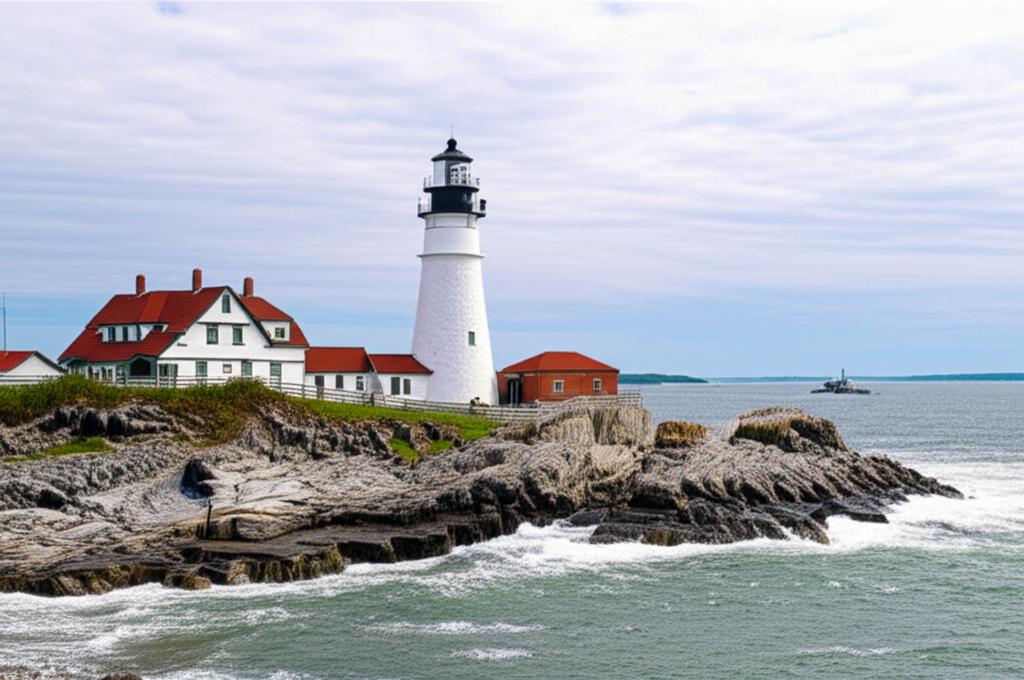
Why Visit Connecticut Lighthouses?
Connecticut’s lighthouses stand as proud sentinels along its beautiful coastline, each with a unique story to tell. They offer a wonderful glimpse into maritime history and provide stunning photographic opportunities. For beginners, they represent an accessible and rewarding way to connect with the sea and the rich past of New England.
Imagine the crisp sea air, the sound of waves crashing, and the sight of these historic towers against a backdrop of blue skies or dramatic sunsets. Visiting a lighthouse can be a truly magical experience, often combining beautiful scenery with fascinating historical insights. They are perfect for a relaxing day trip or a scenic addition to a longer New England journey.
Planning Your Lighthouse Adventure: Essential Tips
Before we dive into the specific lighthouses, let’s cover some quick tips to make your trip smooth sailing. Planning ahead ensures you can relax and enjoy the beauty and history of these coastal landmarks.
Always check the official website for each lighthouse before your visit. This is crucial for the most up-to-date information on visiting hours, tour availability, any admission fees, and accessibility. Some lighthouses are open for tours seasonally, while others may have limited access.
Find the Best Accommodation Deals
Compare prices from multiple booking platforms and find the best option for your stay.
Compare Hotel PricesConsider the weather! Coastal weather can change quickly. Always check the forecast and dress in layers. Comfortable walking shoes are a must, as you might be walking on uneven terrain or climbing stairs. Don’t forget your camera – these views are postcard-worthy!
The Top 5 Lighthouses in Connecticut to Explore
Connecticut boasts several magnificent lighthouses, each offering a unique charm and perspective. Here are five that are sure to capture your heart and provide an unforgettable experience for any beginner traveler.
Find the Best Accommodation Deals
Compare prices from multiple booking platforms and discover the best stay options available.
⭐ Trusted by thousands of travelers
💰 Budget to luxury options available
1. Stonington Lighthouse Museum
Perched at the eastern end of Connecticut’s shore, the Stonington Lighthouse (also known as Old Stonington Light) is a picturesque sentinel overlooking the entrances to Stonington Harbor and Little Narragansett Bay. This iconic lighthouse has a history stretching back to 1840, and today, it serves as a captivating museum.
Today, the lighthouse is beautifully preserved and open to the public as the Old Stonington Lighthouse Museum, managed by the Stonington Historical Society. Visitors can climb to the top for stunning panoramic views of the surrounding waters, including Block Island Sound and the charming village of Stonington.
The museum inside showcases fascinating artifacts and exhibits detailing the maritime history of Stonington, its role in seafaring, and the lives of lighthouse keepers. It’s a wonderful place to learn about the importance of lighthouses and the dedicated individuals who maintained them.
Best Stay Deals Available
Compare prices across top booking platforms and find the best deal for your stay.
Check Available RoomsWhy visit: Offers historical exhibits and incredible views. Great for understanding local maritime history. The adjacent park is perfect for picnics.
Getting there: Located in Stonington Borough. Parking is available nearby.
What to expect: Climbable tower, museum exhibits, beautiful harbor views. Check the Stonington Historical Society website for current hours and any admission fees.
2. Lynde Point Lighthouse (New London Harbor Light)
Standing guard over the entrance to New London Harbor, the Lynde Point Lighthouse is one of the oldest lighthouses in Connecticut. Its striking white tower and the turbulent waters it oversees tell tales of maritime bravery and navigational challenges.
This lighthouse has a long and storied past, with its origins dating back to 1803. Although the current tower was built in 1889, its historical significance remains immense. It’s located at the mouth of the Thames River, a crucial waterway for naval activities and commerce.
While direct public access to the tower itself can be limited due to its active role and location within a Coast Guard facility, the grounds around it offer excellent vantage points. The adjacent park provides a serene setting to appreciate the lighthouse’s grandeur and the bustling harbor activity.
Why visit: Historic significance and picturesque location. Offers views of the Thames River and Long Island Sound. It’s a prominent landmark in New London.
Getting there: Located on the western side of the Thames River in New London. Access to the immediate vicinity might be restricted; check local park resources for the best viewing spots.
What to expect: Excellent views from nearby parks. Photography opportunities. Explore the New London waterfront for a broader experience.
For more historical context on operational lighthouses in the United States, the National Park Service offers a wealth of information.
3. Race Rock Lighthouse
Race Rock Lighthouse is a truly unique and imposing structure situated on a submerged rock ledge at the southeastern tip of Long Island Sound, near Fisher’s Island. Its distinctive, octagonal tower sits atop a massive granite foundation designed to withstand the powerful currents and rough seas of the area, known as “The Race.”
Built in 1878, this lighthouse was a marvel of engineering for its time. The isolation and challenging conditions faced by its keepers made it one of the most formidable posts to serve. Its robust construction is a testament to the determination to ensure safe passage through these treacherous waters.
Due to its remote location and the rough seas, public access to Race Rock Lighthouse is extremely limited and often requires special boat tours that operate seasonally. However, its dramatic silhouette and powerful presence can be appreciated from various points along the Connecticut coast, particularly from Fishers Island or during boat excursions.
Why visit: Impressive engineering and dramatic location. A symbol of maritime resilience against harsh elements. Visually striking, especially from a distance.
Getting there: Best viewed from boat tours or from the shore near Groton or Fishers Island. Check with local charter companies for any possible tours.
What to expect: Primarily a visual experience. Its grandeur is best appreciated from the water or distant viewpoints. Note that it is an active aid to navigation and not open for interior tours.
The challenges of building and maintaining structures in such environments are detailed by resources like the U.S. Army Corps of Engineers, highlighting the engineering feats involved.
4. Morgan Point Lighthouse
Nestled in the charming town of Mystic, the Morgan Point Lighthouse stands as a beacon of history and a picturesque landmark. Originally established in 1868, the current tower was erected in 1905. It’s a beautiful example of a early 20th-century lighthouse designed to guide vessels into the Mystic River.
This lighthouse is situated on a picturesque point of land, offering lovely views of the Mystic River and its waters. It’s a beloved local landmark that adds to the maritime charm of Mystic, a town already famous for its maritime history and museums.
While the lighthouse itself is not open for tours, the surrounding parkland and coastline offer fantastic opportunities for viewing and photography. You can often see it from the water while exploring Mystic Seaport Museum or from scenic spots along the shore.
Why visit: Charming location in historic Mystic. Offers serene coastal views. A lovely spot for photography and enjoying the seaside atmosphere.
Getting there: Located in Mystic, accessible via local roads. Parking may be available at nearby public access points or parks.
What to expect: Exterior views and photo opportunities. Explore the surrounding Mystic area, including the renowned Mystic Seaport Museum, for a full maritime experience.
5. Saybrook Breakwater Lighthouse
The Saybrook Breakwater Lighthouse, also known as the Old Saybrook Breakwater Light, is a historic caisson lighthouse located at the mouth of the Connecticut River overlooking Long Island Sound. Its distinctive red tower has been a guiding light for mariners for over a century, assisting them in navigating the often-challenging entrance to the river.
Established in 1886, this lighthouse is an iconic structure known for its robust caisson foundation, designed to withstand the relentless forces of the sea. It stands as a testament to the enduring presence of maritime aids to navigation and offers a classic lighthouse silhouette against the coastal sky.
Access to the lighthouse itself is typically restricted, as it is an active aid to navigation and located offshore. However, spectacular views can be enjoyed from the nearby town of Old Saybrook, particularly from vantage points near the Plum Island of the Connecticut River, and from the water.
Why visit: Iconic design and historical significance. Provides excellent views and photographic opportunities from the shore. A classic New England lighthouse experience.
Getting there: Located offshore at the entrance to the Connecticut River. Best viewed from Old Saybrook’s shoreline, particularly near the causeway or from boat tours that explore the river mouth.
What to expect: Exterior views and photo opportunities. Consider a boat trip on the Connecticut River to get closer views. The town of Old Saybrook offers charming shops and restaurants.
Understanding Lighthouse Operations and Accessibility
It’s important for beginners to understand that not all lighthouses offer the same level of public access. Many are still active aids to navigation, managed by the U.S. Coast Guard, and therefore have restricted areas. Others are historic sites managed by local historical societies or preservation groups, which often allow public tours or access to grounds.
Key factors influencing accessibility include:
- Active Duty: Lighthouses that are still operational and vital for navigation might have limited grounds access to ensure safety and security.
- Location: Offshore or remote lighthouses are naturally harder to access and might only be viewable from a distance or via specialized boat tours.
- Preservation Efforts: Lighthouses managed by preservation societies are often the most accessible, offering tours, events, and educational programs.
Always verify the current status of access through the official websites of the lighthouse or its managing organization. This will save you potential disappointment and ensure you have the best possible experience.
A Quick Comparison of Connecticut Lighthouses
To help you choose which lighthouse might best suit your visit, here’s a quick table summarizing some key features. This can be especially helpful for beginners planning their first lighthouse excursion.
| Lighthouse Name | Location | Primary Access | Key Feature | Visitor Experience |
|---|---|---|---|---|
| Stonington Lighthouse Museum | Stonington | Museum & Tower Tours (seasonal) | Historic museum, harbor views | Educational, picturesque, climbable |
| Lynde Point Lighthouse (New London) | New London | Grounds viewing, park access | Oldest in CT (origins), harbor entrance | Scenic views, historic significance |
| Race Rock Lighthouse | Near Fishers Island (Long Island Sound) | Limited (boat tours, distant viewing) | Unique octagonal tower on rock, engineering marvel | Visual appreciation, impressive scale |
| Morgan Point Lighthouse | Mystic | Exterior viewing from shore/water | Charming setting in historic Mystic | Photogenic, peaceful seaside atmosphere |
| Saybrook Breakwater Lighthouse | Old Saybrook (mouth of CT River) | Exterior viewing from shore/water | Classic caisson structure, river entrance | Iconic silhouette, scenic waterfronts |
This table provides a snapshot, but remember to always check the specific details for each location before you go!
Beyond the Lighthouse: Exploring Connecticut’s Coast
Your lighthouse adventure can be part of a larger exploration of Connecticut’s beautiful coastline. Each lighthouse is typically located in or near charming towns with plenty to offer visitors.
For instance, when visiting the Stonington Lighthouse, you’re in the heart of Stonington Borough, known for its well-preserved 19th-century architecture, quaint shops, and waterfront dining. It’s a perfect spot for a leisurely stroll and to soak in a classic New England seaside village atmosphere.
Near the Lynde Point Lighthouse in New London, you can explore the impressive U.S. Coast Guard Academy, visit the Submarine Force Library and Museum, or enjoy the lively waterfront. This area offers a mix of history, education, and vibrant maritime activity.
If you’re venturing to the Mystic area for Morgan Point Lighthouse, the world-renowned Mystic Seaport Museum is an absolute must-visit. It’s a living history museum that recreates a 19th-century seafaring village and features historic vessels. You can also explore downtown Mystic with its unique shops and famous drawbridge.
Visiting the Saybrook Breakwater Lighthouse in Old Saybrook offers access to beautiful beaches, charming shops, and restaurants. It’s an excellent base for exploring the natural beauty and quaint towns along the lower Connecticut River and its connection to Long Island Sound.
Cost-Saving Tips for Your Trip
Traveling doesn’t have to break the bank! Here are a few ideas to help you enjoy Connecticut’s lighthouses on a budget:
- Pack a Picnic: Many lighthouse locations have beautiful scenic spots perfect for a picnic lunch. Loading up on snacks and sandwiches from a local grocery store is much more affordable than eating out for every meal.
- Visit During “Off-Peak” Times: If possible, consider visiting on weekdays or during the shoulder seasons (spring and fall) rather than peak summer weekends. You might find better deals on accommodations and fewer crowds at attractions.
- Look for Free Viewing Spots: While climbing some lighthouses might have a fee, many offer excellent viewing opportunities from public parks or shorelines at no cost.
- Utilize Public Transportation: In some areas, especially around larger towns like New London or Mystic, you might be able to use local buses to get around, saving on car rental or parking fees.
- Bundle Activities: If you’re visiting a town with multiple attractions (like Mystic Seaport), look for package deals or family passes that can offer savings.
Frequently Asked Questions about Connecticut Lighthouses
Q1: Are Connecticut Lighthouses open to the public?
A: Some are, but access varies greatly. Lighthouses managed by historical societies, like the Stonington Lighthouse Museum, often have tours. Others, especially active Coast Guard aids, may only offer exterior views from public grounds or the water.
Q2: Do I need to pay an entrance fee to see a lighthouse?
A: For lighthouses that function as museums or offer guided tours, there is typically an admission fee. However, many lighthouses can be viewed from public parks or shores for free.
Q3: What is the best time of year to visit Connecticut lighthouses?
A: The warmer months from late spring to early fall (May-October) generally offer the best weather for coastal exploration and when most lighthouse tours are operational. However, visiting in the shoulder seasons can mean fewer crowds.
Q4: Can I climb to the top of the lighthouses?
A: This depends. Lighthouses that are museums or regularly open for tours, such as Stonington Lighthouse, often allow climbing. Active aids to navigation or those with structural limitations generally do not.
Q5: Are these lighthouses still in use?
A: Many of Connecticut’s historic lighthouses are still active or have automated lights. They continue to serve as important navigational aids, although their light sources may have been modernized.
Q6: What should I wear when visiting a lighthouse?
A: Comfortable walking shoes are essential, as you might be walking on uneven terrain or climbing stairs. Dress in layers, as coastal weather can change quickly. Don’t forget sun protection and a camera!