
Discover five stunning nature reserves just a short drive from Mississauga, offering serene escapes for hiking, wildlife viewing, and reconnecting with the outdoors. Plan your perfect nature getaway with our expert guide.
Are you looking for a peaceful retreat from the hustle and bustle of city life? Mississauga, Ontario, is conveniently located near several breathtaking nature reserves, perfect for a day trip or a weekend adventure. These natural havens provide a refreshing escape, allowing you to immerse yourself in the beauty of the Canadian landscape.
Check the latest prices and available rooms before they sell out.
From lush forests and winding trails to serene wetlands and diverse wildlife, these reserves offer something for every nature enthusiast. Whether you’re a seasoned hiker or simply seeking a quiet spot to relax, these nearby escapes are sure to impress. Let’s explore everything you need to know before your trip.
Why Visit Nature Reserves Near Mississauga?
The Greater Toronto Area, including Mississauga, is fortunate to be surrounded by a rich tapestry of natural landscapes. These reserves serve as vital ecological corridors, preserving local flora and fauna while offering accessible recreational opportunities for residents and visitors alike. They are crucial for maintaining biodiversity and providing residents with much-needed green spaces for physical and mental well-being.
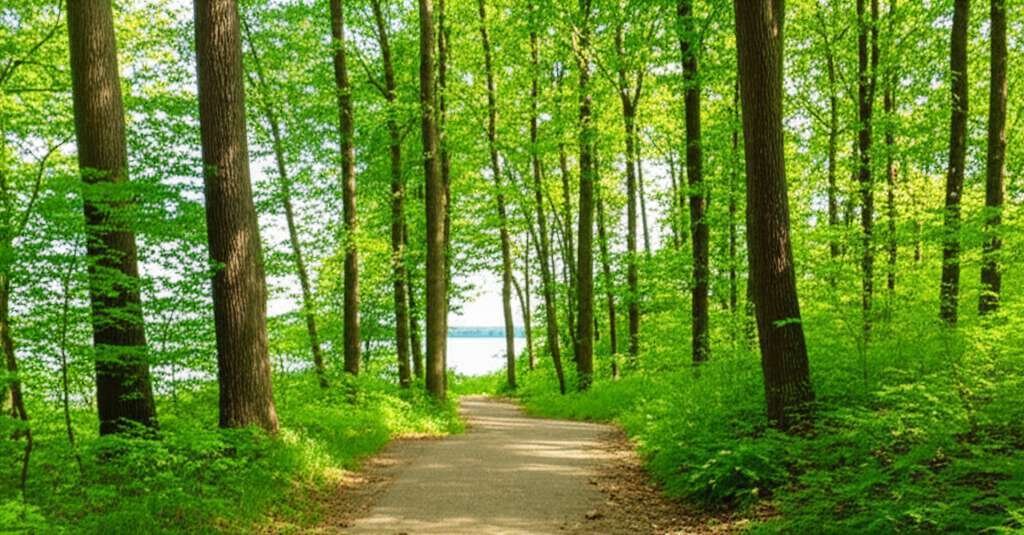
Visiting these natural areas offers a chance to unplug, de-stress, and engage in healthy outdoor activities. They are perfect for families looking for educational outings, couples seeking a romantic walk, or individuals wanting a moment of solitude. Experiencing these reserves firsthand provides a deeper appreciation for the natural world surrounding one of Canada’s largest urban centers.
1. Short Hills Provincial Park
Located in the Niagara Region, Short Hills Provincial Park is a gem offering a unique Carolinian forest ecosystem. This park is known for its rugged terrain, deep ravines, and a surprising variety of plant and animal life, some of which are rare in Ontario. It’s a fantastic spot for those who enjoy a more challenging hike and the thrill of discovering hidden natural beauty.
What Makes Short Hills Special?
The park’s geological features, carved by glacial meltwater, create dramatic landscapes with waterfalls and steep escarpments. This varied topography supports a rich biodiversity, making it a haven for birdwatchers and nature photographers. The park also boasts historical significance, with remnants of early settlement visible along some trails.
Getting There from Mississauga
Short Hills Provincial Park is approximately a 1-hour and 30-minute drive from Mississauga, heading south towards St. Catharines. The most direct route involves taking ON-403 E to QEW and then following signs for the park. Parking is available at various trailheads.
Find the Best Accommodation Deals
Compare prices from multiple booking platforms and find the best option for your stay.
Compare Hotel PricesTop Activities and Attractions
- Hiking the extensive trail network, including the popular main loop that showcases many of the park’s features.
- Discovering the various waterfalls, such as the main cascade, especially impressive after rainfall.
- Birdwatching – the diverse habitats attract a wide array of avian species.
- Exploring the unique flora of the Carolinian zone, which is less common in other parts of Ontario.
Best Time to Visit
Spring and fall offer spectacular scenery. Spring brings blooming wildflowers and returning migratory birds, while fall provides vibrant foliage. Summer is warm and ideal for longer hikes, though be prepared for humidity. Winter offers a quieter, more serene experience with potential for snowshoeing on certain trails.
Where to Stay Nearby
Accommodation options are plentiful in nearby Niagara-on-the-Lake, St. Catharines, or Niagara Falls. Options range from charming bed and breakfasts and boutique hotels to larger chain hotels catering to various budgets. Booking in advance is recommended, especially during peak tourist seasons.
Find the Best Accommodation Deals
Compare prices from multiple booking platforms and discover the best stay options available.
⭐ Trusted by thousands of travelers
💰 Budget to luxury options available
2. Lynde Shores Conservation Area
Situated in Whitby, east of Mississauga, Lynde Shores Conservation Area is a vital stopover point for migratory birds. This wetland ecosystem is a paradise for birdwatchers and nature lovers, featuring a network of trails winding through forests, meadows, and along the shores of Lake Ontario. It offers a more accessible and tranquil experience compared to some larger provincial parks.
What to Expect at Lynde Shores
The conservation area is managed by the Central Lake Ontario Conservation Authority and is renowned for its significant bird populations, particularly during migration seasons. The well-maintained boardwalks and trails make it easy to explore the varied habitats. It’s an excellent destination for families and casual walkers.
Travel Time from Mississauga
Lynde Shores is about a 45-minute to 1-hour drive east of Mississauga via ON-401 E. This makes it a convenient option for a half-day or full-day excursion. Ample parking is available at the main entrance.
Best Stay Deals Available
Compare prices across top booking platforms and find the best deal for your stay.
Check Available RoomsMust-Do Activities
- Birdwatching: Lynde Shores is an internationally recognized Important Bird Area. Look for waterfowl, songbirds, and raptors.
- Hiking and Walking: Enjoy easy to moderate trails suitable for all fitness levels.
- Picnicking: Designated picnic areas are available, perfect for a relaxing lunch amidst nature.
- Photography: Capture the beauty of the wetlands, wildlife, and diverse plant life.
Seasonal Highlights
Spring (April-May) and fall (September-October) are peak times for bird migration, offering the best opportunities for sightings. Summer provides lush greenery and opportunities for observing resident wildlife. Winter offers a peaceful, snow-dusted landscape, though trail conditions can vary.
Nearby Amenities
The town of Whitby offers various dining options, from casual cafes to family restaurants. For overnight stays, hotels are available in Whitby, Oshawa, or Ajax. These towns also provide essential services like grocery stores and pharmacies.
3. Hamilton Conservation Areas (Various)
The Hamilton area boasts an impressive collection of conservation areas managed by the Hamilton Conservation Authority, many of which are within easy reach of Mississauga. These areas showcase the stunning Niagara Escarpment, offering dramatic vistas, waterfalls, and diverse natural habitats. Some of the most popular include Dundas Valley Conservation Area, Christie Lake Conservation Area, and Spencer Gorge/Webster’s Falls.
Why Hamilton’s Escarpment is a Must-See
The Niagara Escarpment is a UNESCO World Biosphere Reserve, recognized for its unique geological features and ecological significance. These conservation areas protect vital watershed lands and provide critical habitat for many species. The rugged terrain and abundant waterfalls make for a visually spectacular experience.
Driving from Mississauga
Depending on the specific conservation area, the drive from Mississauga typically takes between 45 minutes and 1 hour and 15 minutes, heading southwest. Major routes include ON-403 W and ON-6 S. Each area has its own parking facilities, often with a fee.
Exploring Hamilton’s Natural Wonders
- Hiking and Biking: Trails range from easy paved paths to challenging escarpment climbs.
- Waterfall Chasing: Hamilton is known as the “City of Waterfalls” – visit Webster’s Falls, Tew’s Falls, and more.
- Picnicking and Recreation: Many areas offer picnic sites, playgrounds, and opportunities for swimming or fishing (check regulations).
- Geological Exploration: Witness the dramatic cliffs and unique rock formations of the Niagara Escarpment.
Planning Your Visit
The best times to visit are spring, summer, and fall. Spring offers blooming wildflowers and lush greenery. Summer is ideal for water activities and longer hikes. Fall provides breathtaking autumn colours. Some trails may have seasonal closures or require reservations, especially for popular waterfall sites like Spencer Gorge.
Accommodation and Dining
Hamilton offers a wide array of hotels, motels, and inns. The city also has a vibrant culinary scene with diverse restaurants. For a more rustic experience, camping is available at Christie Lake Conservation Area.
Here’s a quick look at some average weather conditions and best times to visit some popular Hamilton Conservation Areas:
| Month | Average High (°C) | Average Low (°C) | Precipitation (mm) | Best For |
|---|---|---|---|---|
| April | 13 | 4 | 70 | Wildflowers, fewer crowds |
| May | 19 | 10 | 85 | Blooming trees, pleasant hiking |
| June | 24 | 15 | 80 | Warmer weather, longer days |
| July | 26 | 17 | 85 | Water activities, peak greenery |
| August | 25 | 16 | 80 | Late summer hikes |
| September | 21 | 13 | 80 | Fall colours begin, comfortable temps |
| October | 15 | 7 | 75 | Peak fall foliage, crisp air |
Spring and Fall offer the most pleasant temperatures for hiking and viewing the vibrant seasonal changes of the Niagara Escarpment.
4. Lake Wilcox Park and Conservation Area
Located in Richmond Hill, just north of Mississauga, Lake Wilcox Park and Conservation Area provides a fantastic urban nature escape. This area features a beautiful lake, walking trails, picnic facilities, and a popular splash pad and playground, making it ideal for families. It’s a well-maintained space offering a refreshing dose of nature close to home.
What to Do at Lake Wilcox
The park is centered around Lake Wilcox, offering opportunities for leisurely strolls along its shores. The surrounding conservation area includes naturalized spaces and paved pathways. It’s a great spot for a relaxed afternoon outdoors, enjoying the water and green spaces.
Proximity to Mississauga
Lake Wilcox is approximately a 30- to 45-minute drive north of Mississauga, primarily via ON-400 N and then east. It’s one of the closest options for a quick nature break.
Key Features and Activities
- Walking and Jogging: Paved paths around the lake are perfect for easy walks and runs.
- Picnicking: Numerous picnic tables and open green spaces are available.
- Playgrounds and Splash Pad: Excellent facilities for children’s entertainment.
- Wildlife Viewing: Observe waterfowl on the lake and various birds in the surrounding trees.
- Fishing: Permitted in designated areas around the lake.
Best Time to Visit
Lake Wilcox is a year-round destination. Summer is popular for its amenities like the splash pad and warmer weather. Spring and fall offer beautiful scenery with blooming flowers or autumn leaves. Winter provides a quiet, snowy landscape suitable for short walks.
Local Services
Richmond Hill offers a wide range of restaurants and cafes. For accommodations, you’ll find numerous hotels and motels in Richmond Hill and the surrounding York Region. Grocery stores and other amenities are readily accessible.
5. Albion Hills Conservation Area
Further north from Mississauga, in the Caledon area, Albion Hills Conservation Area offers a more expansive outdoor experience. This large conservation area features rolling hills, forests, and meadows, providing ample space for hiking, biking, and exploring. It’s a popular destination for its natural beauty and recreational facilities.
What Sets Albion Hills Apart
The park’s varied terrain makes it a great spot for more adventurous outdoor activities. It’s known for its mountain biking trails, which are well-regarded in the region. The camping facilities also make it an ideal destination for an overnight nature stay.
Travel Distance from Mississauga
Albion Hills is about a 50-minute to 1-hour drive north of Mississauga, typically via ON-400 N and then west. It’s a manageable drive for a full day of outdoor recreation.
Popular Activities
- Mountain Biking: Numerous dedicated trails cater to various skill levels.
- Hiking: Explore the network of trails through forests and open fields.
- Camping: Offers both tent and trailer camping sites, making it a great weekend getaway.
- Picnicking: Designated areas are available for families and groups.
- Birdwatching: The diverse habitats support a variety of bird species.
Seasonal Considerations
Summer is the peak season, especially for camping and biking. Spring offers lush greenery and blooming nature. Fall provides stunning autumnal colours. Winter activities might include snowshoeing or cross-country skiing, depending on snow conditions.
Accommodation and Dining
While Albion Hills offers camping, nearby towns like Bolton and Orangeville provide hotels and motels for those seeking alternative accommodations. Dining options in these towns range from local diners to international cuisine.
Planning Your Nature Escape: Essential Tips
To make the most of your visit to these nature reserves, a little planning goes a long way. Understanding the basics of what to bring, when to go, and how to get there ensures a smooth and enjoyable experience.
When is the Best Time to Visit?
Each season offers a unique charm. Spring (April-May) is ideal for wildflowers and bird migrations. Summer (June-August) provides warm weather for hiking and water activities. Fall (September-October) is spectacular for autumn foliage and cooler hiking temperatures. Winter (December-February) offers a peaceful, snow-covered landscape for quiet contemplation or winter sports.
What to Pack for a Day Trip?
Packing appropriately ensures comfort and safety. Always bring essentials like water bottles, snacks, sunscreen, insect repellent, and a basic first-aid kit. Comfortable walking shoes or hiking boots are a must.
- Footwear: Sturdy, broken-in walking shoes or hiking boots.
- Clothing: Layers are key. Pack moisture-wicking shirts, a fleece or sweater, and a waterproof outer layer.
- Navigation: A trail map (downloaded or printed) or a reliable navigation app.
- Safety: First-aid kit, whistle, and a fully charged mobile phone.
- Comfort: Sunscreen, hat, sunglasses, and insect repellent.
- Refreshments: Plenty of water and high-energy snacks.
Transportation Options
Driving is the most common and convenient way to reach these nature reserves from Mississauga. Public transportation options are limited for reaching most of these more remote natural areas directly. Carpooling is a great option if traveling with friends or family.
Costs and Fees
Many conservation areas and provincial parks have entrance fees or parking fees. These vary by location and season. Provincial Parks often have daily vehicle permits. Conservation areas managed by local authorities may have lower or no fees, but it’s always best to check their official websites for the most current information.
| Category | Low Estimate | High Estimate | Notes |
|---|---|---|---|
| Transportation (Gas/Parking) | $10 | $30 | Depends on distance and vehicle |
| Park Entrance/Parking Fee | $0 | $25 | Varies by park; some are free, others have per-vehicle fees |
| Food & Snacks | $15 | $30 | Bringing your own saves money |
| Optional Activities (e.g., rentals) | $0 | $20 | If applicable |
| Total Estimated Cost | $25 | $105 | For a full day trip |
These cost estimates can help you budget for your trip; bringing your own food and choosing parks with lower fees can significantly reduce expenses.
Respecting Nature and Wildlife
When visiting these natural spaces, it’s important to practice responsible tourism. Stay on marked trails to protect fragile ecosystems and avoid disturbing wildlife. Pack out everything you pack in, leaving no trace behind. Never feed wild animals, as it can disrupt their natural behaviours and diets.
For more information on responsible outdoor recreation, the Ontario Parks website offers excellent guidelines.
Frequently Asked Questions
Q1: Are dogs allowed in these nature reserves?
A1: Policies vary by park. Generally, dogs are allowed on leash in most conservation areas and provincial parks, but there might be restrictions on specific trails or beaches. Always check the individual park’s regulations before your visit.
Q2: Do I need to book a time slot to visit?
A2: Some popular locations, especially during peak seasons or for specific attractions like waterfalls, may require advance booking or timed entry. It’s advisable to check the official website of the nature reserve you plan to visit for any reservation requirements.
Q3: What are the best nature reserves for beginner hikers?
A3: Lake Wilcox Park and Lynde Shores Conservation Area offer flatter, well-maintained trails suitable for beginners. Many of the Hamilton Conservation Areas also have easier sections, but always check trail difficulty ratings beforehand.
Q4: Are there facilities like washrooms and picnic areas available?
A4: Most larger conservation areas and provincial parks offer washroom facilities and designated picnic areas. However, the availability and type of facilities can vary, so it’s good to check the park’s amenities list online.
Q5: Can I swim in the lakes or rivers at these reserves?
A5: Swimming is permitted in designated areas at some conservation areas, like Christie Lake or Lake Wilcox, especially during summer. Provincial parks might have designated beaches. Always look for signage indicating safe and permitted swimming locations.
Q6: What should I do if I encounter wildlife?
A6: Maintain a safe distance and never approach or feed wildlife. If you see a large animal, remain calm, do not run, and slowly back away. Report any concerning wildlife encounters to park staff if available.
Q7: Are these locations accessible for strollers or wheelchairs?
A7: Trails vary significantly. Lake Wilcox and Lynde Shores often have paved or accessible paths. For other areas, especially those with rugged terrain like Short Hills or parts of Hamilton’s escarpment, accessibility may be limited. Check individual park websites for accessibility information.
Conclusion
Exploring nature reserves near Mississauga offers a wonderful opportunity to discover the natural beauty of Southern Ontario. From the rugged ravines of Short Hills Provincial Park to the bird-rich wetlands of Lynde Shores and the majestic escarpment landscapes of Hamilton, these destinations provide diverse and rewarding outdoor experiences.
Whether you’re seeking adventure on a challenging trail, a peaceful walk through the woods, or a family-friendly day out, these five nature reserves are excellent choices. By planning ahead, packing smart, and respecting the natural environment, you can ensure a memorable and rejuvenating escape.
Every great trip starts with a little smart planning — now you’re ready to explore!