
Discover Colorado’s 7 National Forests: Your Gateway to Unforgettable Outdoor Adventures! From majestic peaks to lush valleys, these forests offer everything from easy hikes to challenging climbs, making them perfect for first-time visitors and seasoned explorers alike. Plan your trip with this easy guide.
Colorado is a state brimming with natural beauty, and its national forests are its crown jewels. Planning a trip can feel like a lot, especially if you’re new to exploring America’s vast landscapes.
Check the latest prices and available rooms before they sell out.
But don’t worry, I’m here to help! This guide will break down seven incredible national forests in Colorado, highlighting their unique features and the amazing adventures waiting for you.
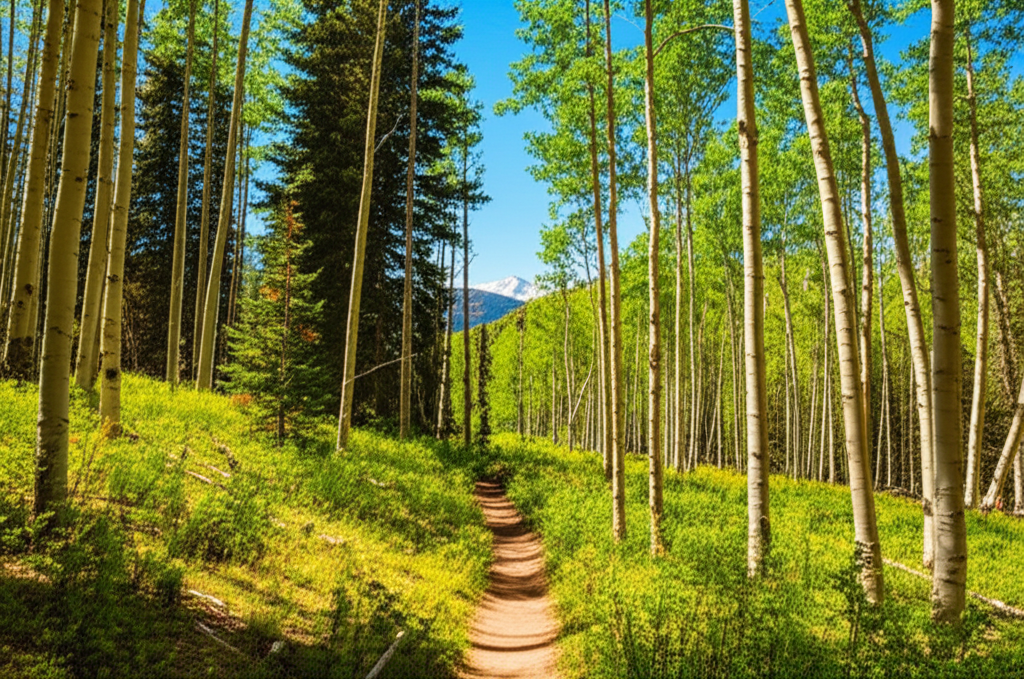
We’ll make planning your Colorado outdoor escape simple, exciting, and stress-free. Get ready to explore towering mountains, crystal-clear lakes, and endless trails!
Frequently Asked Questions About Colorado National Forests
What exactly are National Forests?
National Forests are large areas of land managed by the U.S. Forest Service. They are dedicated to conserving natural resources and providing public enjoyment, offering opportunities for recreation like hiking, camping, and wildlife viewing.
Are national forests free to enter?
Generally, entering most national forests is free. However, some specific areas, like developed campgrounds, historical sites, or popular recreation spots, might require a fee for parking or access. It’s always a good idea to check the specific forest’s website for any potential charges.
What should I bring on a hike in a Colorado national forest?
For any hike, always pack essentials: plenty of water, snacks, a map, a compass or GPS device, sunscreen, a hat, and layers of clothing. Sturdy hiking boots are a must. For Colorado’s high altitudes, be prepared for rapidly changing weather.
Find the Best Accommodation Deals
Compare prices from multiple booking platforms and find the best option for your stay.
Compare Hotel PricesAre dogs allowed in national forests?
Yes, dogs are usually welcome in national forests, but they must be kept on a leash, typically no longer than six feet. Always follow posted regulations and be mindful of wildlife and other visitors.
When is the best time to visit Colorado’s National Forests?
The best time depends on what you want to do! Summer (June-August) is great for hiking and camping, but can be crowded. Fall (September-October) offers stunning autumn colors and fewer crowds. Winter (December-March) is ideal for snow sports, but many roads and trails are inaccessible. Spring (April-May) can be beautiful but also muddy with melting snow.
Find the Best Accommodation Deals
Compare prices from multiple booking platforms and discover the best stay options available.
⭐ Trusted by thousands of travelers
💰 Budget to luxury options available
How do I plan a camping trip?
For developed campgrounds, reservations are often required, especially during peak season. You can usually book through the Recreation.gov website. For dispersed camping (boondocking), research the specific forest’s rules on where it’s allowed. Always practice Leave No Trace principles.
Is it safe to drive in the mountains?
Mountain driving can be challenging. Roads can be narrow, winding, and steep, often with sheer drop-offs. Always check road conditions, especially outside of summer. Be prepared for changing weather, and ensure your vehicle is in good condition. It’s wise to have a vehicle with good ground clearance if you plan to explore unpaved roads.
7 National Forests In Colorado: Amazing Adventures Await
Colorado is more than just snow-capped peaks; it’s a playground of wild spaces waiting to be explored. Its 11 national forests are protected lands offering everything from challenging hikes and serene camping spots to opportunities to witness incredible wildlife. For first-time visitors to the USA, navigating these natural wonders can seem daunting, but it’s incredibly rewarding.
Best Stay Deals Available
Compare prices across top booking platforms and find the best deal for your stay.
Check Available RoomsImagine breathing in crisp mountain air, surrounded by towering pines and the quiet majesty of nature. Colorado’s national forests offer this and so much more. They are some of the most accessible and breathtaking public lands in the country, perfect for a budget-friendly adventure or a stylish getaway.
This guide is your friendly roadmap to seven of Colorado’s most spectacular national forests. We’ll help you discover what makes each one unique and give you practical tips for planning your visit. Get ready to be inspired!
Why Choose Colorado’s National Forests for Your Adventure?
Colorado’s national forests are treasure troves of natural beauty and outdoor activities. They are managed by the U.S. Forest Service with the goal of providing a balance between resource conservation and public recreation.
For travelers, this means access to pristine landscapes where you can hike, camp, fish, bike, and simply immerse yourself in nature. They are perfect for travelers who want to experience America’s natural heritage without breaking the bank.
Each forest has its own distinct character, from the jagged peaks of the Rockies to the rolling hills and dense woodlands. This variety ensures there’s something for everyone, no matter your fitness level or interests.
Your Guide to 7 Amazing Colorado National Forests
Let’s dive into some of the most incredible national forests Colorado has to offer. We’ll highlight what makes them special and what kind of adventures you can expect.
1. White River National Forest: The Crown Jewel
Often called the “most visited national forest in the country,” White River National Forest is famous for its iconic peaks, including the Maroon Bells, which are arguably the most photographed mountains in North America. This forest surrounds several world-renowned ski resorts, but its summer and fall beauty is just as spectacular.
What to Do Here:
- Hike to the Maroon Bells: A must-do, though access may require reservations or shuttle buses depending on the season.
- Explore Aspen & Snowmass: Beyond skiing, these areas offer incredible hiking and mountain biking trails.
- Visit Hanging Lake: A stunning, fragile ecosystem requiring permits and a moderate hike.
- Camp under the stars: Numerous campgrounds offer breathtaking views.
It’s a busy place, so planning ahead is key, especially for popular attractions. Check the Aspen Chamber Resort Association for the latest access information regarding Maroon Bells.
2. Arapaho and Roosevelt National Forests: Close to the City, Wild at Heart
These two forests are managed as one and are easily accessible from the Denver metropolitan area. They offer high-alpine scenery, historic mining towns, and a vast network of trails, making them perfect for day trips or longer stays.
What to Do Here:
- Drive Trail Ridge Road: Part of this scenic byway runs through the Arapaho National Forest, offering stunning alpine tundra views within Rocky Mountain National Park, which borders this forest.
- Hike in the Indian Peaks Wilderness: Known for its dramatic peaks and pristine lakes.
- Explore Nederland: A charming mountain town with festivals and local shops.
- Discover Brainard Lake Recreation Area: Popular for hiking and photography, with beautiful lake reflections of surrounding peaks.
Because of their proximity to Denver, these forests can get crowded, especially on weekends. You can find more information and details on recreation passes from the U.S. Forest Service Arapaho & Roosevelt National Forests website.
3. Pike National Forest: Majestic Peaks and Historic Trails
Home to Pikes Peak, one of Colorado’s most famous fourteeners (mountains over 14,000 feet), Pike National Forest offers diverse landscapes, from rolling prairies to rugged mountain peaks. It’s a popular destination for hiking, camping, and scenic drives.
What to Do Here:
- Climb or drive Pikes Peak: The summit offers panoramic views. Consider the famous Pikes Peak International Hill Climb for a dose of adventure.
- Visit the Florissant Fossil Beds National Monument: Discover ancient plant and insect fossils.
- Hike the Section 16 Trail System: Offers varied terrain and beautiful vistas near Colorado Springs.
- Explore Garden of the Gods: While technically a city park now, its stunning red rock formations are adjacent to the forest and a breathtaking sight.
The forest is divided into two districts, leading to varied recreational opportunities. For specific trail conditions and area closures, always check the official forest service site.
4. San Isabel National Forest: Diverse Landscapes and Fourteeners
This sprawling forest boasts an incredible variety of scenery, including high mountain ranges, lush valleys, and scenic byways. It contains numerous fourteeners, making it a prime destination for serious hikers and climbers.
What to Do Here:
- Hike a Fourteener: Conquer peaks like Mount Elbert (Colorado’s highest) or Mount Massive.
- Explore the Collegiate Peaks Scenic Byway: A stunning drive through dramatic mountain scenery.
- Visit Turquoise Lake: A picturesque lake perfect for fishing, boating, and picnicking.
- Discover Lost Creek Wilderness: For those seeking remote wilderness backpacking.
San Isabel is known for its expansive wilderness areas and excellent opportunities for stargazing due to low light pollution. Planning for high-altitude hikes is crucial for safety.
5. Gunnison National Forest: Wildness and Wonder
Gunnison National Forest is characterized by its rugged terrain, deep canyons, and high mountain meadows. It’s a place where you can find solitude and truly connect with the wild. It’s less developed than some other forests, offering a more primitive outdoor experience.
What to Do Here:
- Explore the Black Canyon of the Gunnison National Park: Though a National Park, its surrounding wilderness areas are part of the forest, offering incredible views into the deep canyon.
- Hike to spectacular alpine lakes: Many trails lead to hidden gems.
- Visit Crested Butte: Famous for its wildflower displays in summer and as a “wildflower capital of Colorado.”
- Experience the Kebler Pass: One of the most beautiful autumn color drives in Colorado.
This forest is ideal for those seeking off-the-beaten-path adventures. Be prepared for rugged roads and limited services in many areas.
6. Grand Mesa, Uncompahgre, and Gunnison National Forests: A Triple Threat of Beauty
This is actually three forests managed under a single supervisor, offering a vast array of landscapes. Grand Mesa is the world’s largest flat-topped mountain, Uncompahgre boasts rugged peaks and historic mining towns, and Gunnison (as we’ve seen) offers wild beauty.
This combined forest offers amazing diversity:
- On Grand Mesa: Enjoy hiking around hundreds of lakes, fishing, and stunning overlooks.
- On Uncompahgre: Explore the San Juan Mountains, including the stunning Blue Lakes Wilderness and the historic mining town of Telluride (adjacent to the forest).
- On Gunnison: As mentioned, discover deep canyons and vast wilderness.
Key Highlights:
The combination allows for an incredible range of activities. The presence of thousands of lakes on Grand Mesa makes it unique. Uncompahgre offers some of the most dramatic mountain scenery in Colorado.
Check the GMUG Forests website for specific information on each of its component forests.
7. Rio Grande National Forest: Southern Colorado’s Wilderness Heart
Located in southern Colorado, the Rio Grande National Forest is a vast and wild landscape that offers incredible opportunities for adventure away from the biggest crowds. It’s known for its expansive wilderness areas and the headwaters of the Rio Grande River.
What to Do Here:
- Explore the Great Sand Dunes National Park and Preserve: Located at the edge of the forest, offering a surreal landscape of massive sand dunes against the backdrop of the Sangre de Cristo Mountains.
- Hike or backpack in the Weminuche Wilderness: Colorado’s largest wilderness area, offering remote and challenging terrain.
- Enjoy the scenic Los Caminos Antiguos Scenic Byway: Discover the rich culture and history of the region.
- Go fishing in the Rio Grande River: Known for its excellent trout fishing.
This forest is perfect for those seeking a more remote and rugged experience. The combination of mountains, rivers, and the nearby Great Sand Dunes makes it a truly unique destination.
Planning Your National Forest Adventure: Essential Tips for Beginners
To make sure your trip is smooth and enjoyable, here are some practical tips:
1. Research Your Forest:
Each forest has unique regulations, weather patterns, and popular attractions. Visit the official U.S. Forest Service website for the specific forest you plan to visit. Look for information on permits, camping, road conditions, and any fire restrictions.
2. Pack Smart:
Colorado’s weather can change in an instant, especially at higher elevations. Always pack layers of clothing, including waterproof and windproof gear. Essential items include plenty of water, high-energy snacks, sunscreen, insect repellent, a first-aid kit, and a reliable map and compass (don’t rely solely on your phone’s GPS!).
3. Altitude Awareness:
Many national forests are at high altitudes. Acclimatize gradually, drink plenty of water, and avoid strenuous activity on your first day. Symptoms of altitude sickness can include headache, nausea, and dizziness. If they persist, descend to a lower elevation.
4. Leave No Trace:
This is a crucial principle for enjoying and preserving our natural spaces. Pack out everything you pack in, stay on marked trails, respect wildlife, and minimize campfire impacts. You can learn more about Leave No Trace principles online.
5. Camping Options:
National forests offer various camping experiences:
- Developed Campgrounds: These often have amenities like restrooms, picnic tables, and fire rings. Reservations are frequently needed, especially for popular spots. Websites like Recreation.gov are your best friend for booking.
- Dispersed Camping (Boondocking): This is camping outside of designated campgrounds, often on forest roads. Rules vary widely, so always check forest-specific regulations. You’ll need to be self-sufficient with water and waste disposal.
6. Safety First:
Inform someone of your itinerary. Be aware of wildlife, including bears and mountain lions. Know how to use your gear, especially if you’re hiking or camping in remote areas. Check the National Weather Service for up-to-date forecasts.
A Table of Colorado’s National Forests at a Glance
To help you compare and choose your next destination, here’s a quick overview of some of Colorado’s national forests and their key features.
| National Forest | Main Attractions/Features | Best For | Notable Activities |
|---|---|---|---|
| White River | Maroon Bells, Aspen/Snowmass, Hanging Lake | Iconic scenery, photography, moderate hiking | Hiking, scenic drives, camping, wildlife viewing |
| Arapaho & Roosevelt | Indian Peaks Wilderness, Brainard Lake, proximity to Denver | Day trips, accessible adventures, alpine lakes | Hiking, fishing, scenic drives, rock climbing |
| Pike | Pikes Peak, Garden of the Gods (adjacent), historic towns | Summit challenges, varied terrain, proximity to Colorado Springs |