
Explore 8 amazing Georgia National Parks for unforgettable adventures! From mountain trails and historic sites to stunning coastlines, discover the best parks for hiking, wildlife viewing, and family fun. Plan your perfect Georgia getaway with this beginner-friendly guide.
Dreaming of exploring the natural beauty Georgia has to offer, but feeling a little lost on where to start? It’s totally understandable! The Peach State is packed with incredible national parks, each with its own unique charm and adventures waiting to be discovered.
Check the latest prices and available rooms before they sell out.
Trying to choose which park is best for your next trip can feel overwhelming with so many amazing options. But don’t worry, planning a fantastic national park adventure in Georgia is simpler than you think!
Together, we’ll uncover eight incredible Georgia National Parks. We’ll look at what makes each one special and what kinds of adventures you can expect. Get ready to discover your next favorite destination!
Frequently Asked Questions
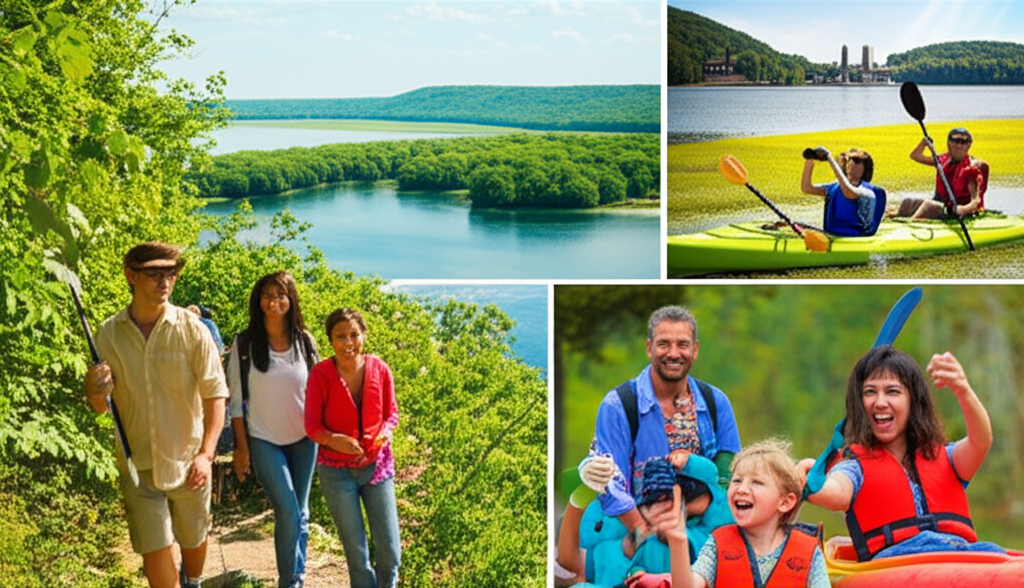
What are the most popular Georgia National Parks?
Some of the most popular national parks in Georgia for visitors include Cumberland Island National Seashore for its wild horses and beaches, and the Chattahoochee River National Recreation Area for its accessible urban nature and water activities. Chickamauga and Chattanooga National Military Park also draws many history enthusiasts.
Are there any national parks in Georgia with waterfalls?
While Georgia doesn’t have national parks with towering, famous waterfalls like some other states, areas within the Chattahoochee-Oconee National Forests (which are managed by the U.S. Forest Service and often explored alongside national park interests) and some state parks do feature beautiful cascades. For a true national park experience, consider parks with rivers and creeks where smaller, scenic waterfalls can be found, especially after rainfall.
Which Georgia National Parks are best for families?
Cumberland Island National Seashore is fantastic for families who love beaches and spotting wild animals. The Chattahoochee River National Recreation Area offers easy trails and picnic spots perfect for a day out. The Ocmulgee Mounds National Historical Park provides an engaging way for kids to learn about ancient history in a scenic setting.
What is unique about Cumberland Island National Seashore?
Cumberland Island is famous for its wild horses that roam freely on the beaches and through its maritime forests. It’s also home to historic ruins, pristine beaches, and a rich ecosystem, offering a truly unique, undeveloped coastal experience.
Find the Best Accommodation Deals
Compare prices from multiple booking platforms and find the best option for your stay.
Compare Hotel PricesCan you recommend a Georgia National Park for history buffs?
Absolutely! Chickamauga and Chattanooga National Military Park is a must-visit for those interested in Civil War history. It offers well-preserved battlefields, monuments, and interpretive programs. Ocmulgee Mounds National Historical Park is another excellent choice for exploring Native American history and impressive earthwork mounds.
Are there good hiking opportunities in Georgia’s National Parks?
Yes, hiking is a major draw for many Georgia National Parks. The Chattahoochee River National Recreation Area has miles of trails along the river. Kennesaw Mountain National Battlefield Park offers trails with historic significance and scenic views. Parks like Cumberland Island also have trails that wind through diverse natural landscapes.
Find the Best Accommodation Deals
Compare prices from multiple booking platforms and discover the best stay options available.
⭐ Trusted by thousands of travelers
💰 Budget to luxury options available
8 Georgia National Parks for Amazing Adventures
Discover Georgia’s Natural Wonders
Georgia is a treasure trove of diverse landscapes, from the Appalachian Mountains in the north to the golden coast in the south. Within this remarkable state lie eight incredible units managed by the National Park Service, each offering a unique window into America’s natural and historical heritage. These parks are perfect for those looking to explore the great outdoors, step back in time, or simply find a peaceful escape.
Planning a trip to a national park can sometimes feel like a big undertaking, especially if it’s your first time. You might wonder about the best parks for your interests, what activities are available, or the best way to get around. But finding the perfect national park adventure in Georgia is surprisingly straightforward when you know where to look.
This guide is designed to make your trip planning easy and exciting. We’ll walk you through eight spectacular Georgia National Parks, highlighting their standout features and the amazing adventures they hold. Get ready to be inspired!
Best Stay Deals Available
Compare prices across top booking platforms and find the best deal for your stay.
Check Available Rooms1. Cumberland Island National Seashore: Wild Horses and Pristine Beaches
Imagine stepping onto an island where untamed wild horses roam freely, where miles of undeveloped beaches stretch as far as the eye can see, and where the whispers of history echo through ancient live oaks draped in Spanish moss. This is Cumberland Island National Seashore, Georgia’s largest barrier island and a truly magical place.
Cumberland Island offers a distinctively wild and natural experience. It’s a place for reflection, exploration, and a deep connection with nature. If you’re seeking a getaway that feels worlds away from the everyday, this is it. Keep reading to see why this barrier island is a must-visit.
Things to Do on Cumberland Island
- Beachcombing and Strolling: Walk for miles on the undeveloped beaches, searching for shells and enjoying the vast ocean views. The soft sand and gentle waves make for a perfect, peaceful walk.
- Wildlife Viewing: Keep an eye out for the island’s famous wild horses, armadillos, deer, and a wide variety of coastal birds. Binoculars are a great addition to your packing list here!
- Exploring Historic Sites: Visit the ruins of the Dungeness Mansion, the Plum Orchard mansion (available for tours on select days), and the historic African Baptist Church. These sites offer a glimpse into the island’s past inhabitants.
- Camping: For the ultimate immersion, camp at one of the island’s primitive campsites. It’s a fantastic way to experience the island’s tranquility under the stars.
- Hiking and Biking: Explore miles of sandy trails that wind through maritime forests and lead to different parts of the island. Biking is a popular way to cover more ground.
Planning Your Visit to Cumberland Island
Access to Cumberland Island is by ferry from St. Marys, Georgia. Advance reservations are highly recommended, especially during peak seasons. Only a limited number of visitors are allowed on the island daily to preserve its natural character. Pack plenty of water, snacks, and sun protection, as amenities on the island are very limited. Be prepared for an experience that embraces the wild.
2. Chattahoochee River National Recreation Area: Urban Wilderness Escape
Nestled within the bustling metropolitan Atlanta area, the Chattahoochee River National Recreation Area (CRNRA) is a surprising oasis of nature. This isn’t your typical sprawling wilderness; instead, it’s a series of units stretching along 48 miles of the Chattahoochee River, offering accessible adventures right in the city’s backyard.
The CRNRA is perfect for those who want to enjoy nature without a long drive. It’s a place where you can kayak, hike, picnic, and even fish, all while being close to urban amenities. Discover how this unique park offers a refreshing break from city life.
Things to Do at CRNRA
- Boating and Paddling: The river is a hub for kayakers, canoeists, and paddleboarders. There are several access points and calm stretches perfect for a leisurely float or and more adventurous trip.
- Hiking and Walking Trails: Numerous trails wind through wooded areas along the riverbanks, offering beautiful views and opportunities for wildlife spotting. The Sope Creek Trail, with its Confederate powder mill ruins, is a popular choice.
- Fishing: Anglers can cast their lines in the river, hoping to catch trout, bass, and catfish. A Georgia fishing license is required.
- Picnicking and Relaxing: Many units feature designated picnic areas with tables and grills, making it an ideal spot for a family outing or a relaxing lunch surrounded by nature.
- Ranger Programs: Check the park’s schedule for educational programs and guided walks led by park rangers, which enhance the visitor experience.
Planning Your Visit to CRNRA
With multiple access points across several counties, visiting the CRNRA is quite flexible. Researching which unit best suits your desired activity is recommended. Some areas are more developed for recreation, while others are more natural. Wear comfortable shoes for the trails and bring insect repellent, especially during warmer months. For water activities, life jackets are a must for safety.
3. Ocmulgee Mounds National Historical Park: Ancient Native American History
Step back over 10,000 years into the past at Ocmulgee Mounds National Historical Park near Macon, Georgia. This incredible park protects a landscape shaped by thousands of years of Native American occupation, featuring impressive earthwork mounds built by the Mississippian culture over 1,000 years ago.
Ocmulgee Mounds is a destination for anyone fascinated by archaeology and the rich history of indigenous peoples in North America. It offers a tangible connection to ancient civilizations and a chance to explore unique cultural landscapes. Let’s explore what makes this park so significant.
Things to Do at Ocmulgee Mounds
- Explore the Great Temple and Earth Lodge: Walk the grounds of the Great Temple, the largest mound, and visit the reconstructed Earth Lodge, where you can see a replica of the bench and the original floor.
- Museum Visits: The park features an excellent museum displaying artifacts excavated from the mounds, providing insights into the lives, beliefs, and crafts of the people who lived here.
- Hiking the Trails: Several trails, including the River Trail and the Mound Trail, allow you to explore the park’s different areas, learn about the flora and fauna, and view mounds from various perspectives.
- Visitor Center: Start your visit at the visitor center to watch an informative film and learn about the park’s history from knowledgeable staff.
- Pictographic Rock: Discover a unique rock with painted images, offering clues to ancient spiritual practices.
Planning Your Visit to Ocmulgee Mounds
The park is open year-round, and the visitor center and museum have specific hours. It’s best to visit during cooler months for comfortable exploration of the outdoor mounds and trails. Wear sturdy walking shoes, and bring water, especially if you plan to hike the longer trails. The park is easily accessible off I-16, making it a convenient stop.
4. Kennesaw Mountain National Battlefield Park: Civil War History and Scenic Views
Kennesaw Mountain National Battlefield Park preserves a pivotal Civil War clash, the Battle of Kennesaw Mountain, fought in 1864. Today, this significant historical site offers visitors a chance to walk the same ground where soldiers fought and to enjoy breathtaking panoramic views of the surrounding landscape.
This park is a profound historical experience combined with rewarding outdoor recreation. It’s ideal for history enthusiasts, families, and anyone looking for a hike with a view that tells a powerful story. Let’s delve into the adventures awaiting you here.
Things to Do at Kennesaw Mountain
- Hiking the Battlefield: Explore over 24 miles of trails that wind through the park, leading to historic earthworks, artillery positions, and significant battlefield locations. The hike to the summit of Kennesaw Mountain is a popular choice.
- Visiting the Visitor Center and Museum: Learn about the battle and its context through exhibits, artifacts, and a film presentation at the well-appointed visitor center.
- Attending Ranger Programs: Participate in guided battlefield walks and historical presentations led by park rangers to gain deeper insights into the events that transpired here.
- Picnicking: Enjoy a picnic lunch at one of the designated areas while soaking in the historical ambiance and scenic beauty of the park.
- Cannon Firings: On select dates, witness live demonstrations of Civil War-era cannons, adding a dynamic element to your historical understanding.
Planning Your Visit to Kennesaw Mountain
The park is open daily, with the visitor center having specific hours. The summit offers stunning views, but reaching it involves a hike or a short shuttle ride during peak season (check availability). Wear comfortable hiking boots, bring water, and be prepared for varied terrain. The park’s proximity to Atlanta makes it an accessible day trip.
5. Fort Pulaski National Monument: Coastal Defense and History
Standing guard over the Savannah River, Fort Pulaski National Monument is a remarkable 19th-century brick fortification. This impressive structure played a crucial role during the Civil War, demonstrating the vulnerability of masonry forts to new artillery technology.
Fort Pulaski offers a captivating blend of military history and coastal Georgia scenery. It’s a must-visit for understanding coastal defense strategies of the past and for enjoying the natural beauty of its marshland surroundings. Discover the stories held within its formidable walls.
Things to Do at Fort Pulaski
- Exploring the Fort: Wander through the casemates, ramparts, and parade grounds of the fort. Imagine soldiers stationed here and learn about its construction and military importance.
- Ranger-Led Programs and Demonstrations: Attend guided tours that explain the fort’s history, its role in the Civil War, and the impact of rifled artillery. Cannon firings are also held on occasion.
- Hiking and Biking Trails: Explore the perimeter trail, which offers views of the surrounding marshlands and coastal habitat. The Cockspur Island Lighthouse is also accessible from here.
- Visitor Center: Begin your exploration here to view exhibits and learn about the fort’s significance before entering the structure.
- Nature Observation: The surrounding marshes are home to diverse birdlife and other coastal flora and fauna, making it a good spot for nature enthusiasts.
Planning Your Visit to Fort Pulaski
The monument is located on Cockspur Island, between Savannah and Tybee Island. It’s easily accessible by car. The fort is largely outdoors, so check the weather and dress accordingly. Comfortable walking shoes are essential for exploring the fort and trails. It’s a great stop to combine with a visit to Savannah or Tybee Island.
6. Fort Matanzas National Monument: A Spanish Sentinel
Step back into a different era of America’s early history at Fort Matanzas National Monument. Established by the Spanish in the late 18th century to guard the Matanzas River inlet, this historic fort offers a fascinating glimpse into colonial Florida and early American defense.
Fort Matanzas provides a compact yet richly historical experience. It’s perfect for those interested in military history, colonial America, and enjoying a scenic coastal setting. Let’s unearth the stories of this Spanish sentinel.
Things to Do at Fort Matanzas
- Ferry Ride to the Fort: Access to the fort itself is via a short, scenic ferry ride across the river. This adds to the adventurous feel of visiting a fort on a small island.
- Touring the Fort: Explore the striking coquina stone structure. Park rangers often provide informative talks about the fort’s history, its strategic importance, and the lives of the soldiers stationed there.
- Exploring the Nature Trails: Walk the boardwalk nature trail on Anastasia Island, which winds through coastal marsh and maritime hammock habitats. It’s a great place for birdwatching.
- Visitor Center Exhibits: Learn about the fort’s construction, its Spanish origins, and its role in protecting the coastline at the visitor center.
- Beach Access: Nearby public beaches offer opportunities for relaxation and enjoying the Atlantic coast after your historical exploration.
Planning Your Visit to Fort Matanzas
The monument is located south of St. Augustine. The ferry to the fort operates on a first-come, first-served basis and is free, but limited space means arriving early is wise. The fort is small, making it ideal for a half-day visit. Wear comfortable shoes and bring water, especially during warmer months.
7. Little River Canyon National Preserve: Georgia’s Grand Canyon
Often called “Georgia’s Little Grand Canyon,” Little River Canyon National Preserve showcases the dramatic beauty of the Appalachian Plateau. This vast preserve features a deep canyon carved by the Little River, offering breathtaking overlooks, challenging hiking trails, and stunning waterfalls.
Little River Canyon is an adventurer’s paradise, perfect for those who love rugged natural beauty, hiking, and scenic drives. It’s a chance to experience