
Explore 8 incredible national parks in Florida for unforgettable adventures. From sun-drenched beaches to unique ecosystems, discover the best of Florida’s natural wonders with easy-to-follow tips for every traveler.
Dreaming of Florida adventures beyond theme parks? The Sunshine State is bursting with natural beauty, holding a surprising number of national parks waiting to be explored. But where do you even start?
Check the latest prices and available rooms before they sell out.
It can feel a bit overwhelming figuring out which parks offer the experiences you’re looking for, especially if you’re new to this kind of travel. You want exciting trips, but easy to plan!
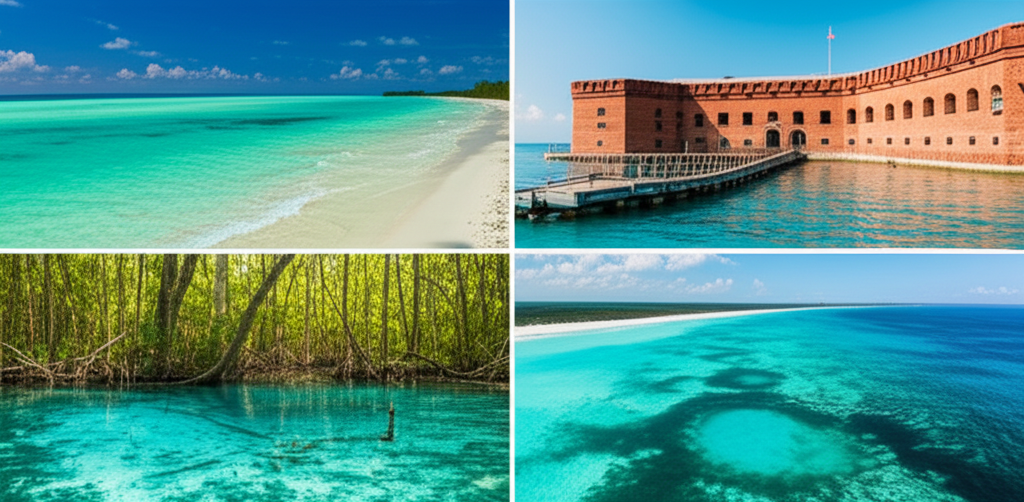
Don’t worry, I’ve got you covered! This guide will break down eight amazing national parks in Florida, highlighting their unique charm and what adventures await you. Get ready to plan your next unforgettable nature escape!
Why Florida’s National Parks Are a Must-Visit
Florida isn’t just about sand between your toes and vibrant city life. Beneath the surface, its national parks offer a diverse tapestry of landscapes and wildlife encounters you won’t find anywhere else. These protected areas are crucial for preserving delicate ecosystems and providing breathtaking backdrops for your travels.
From the unique Everglades to pristine Key shores, these parks are windows into Florida’s wild heart. They offer a chance to disconnect from the everyday and reconnect with nature’s incredible power and beauty.
Your Guide to 8 Amazing National Parks in Florida
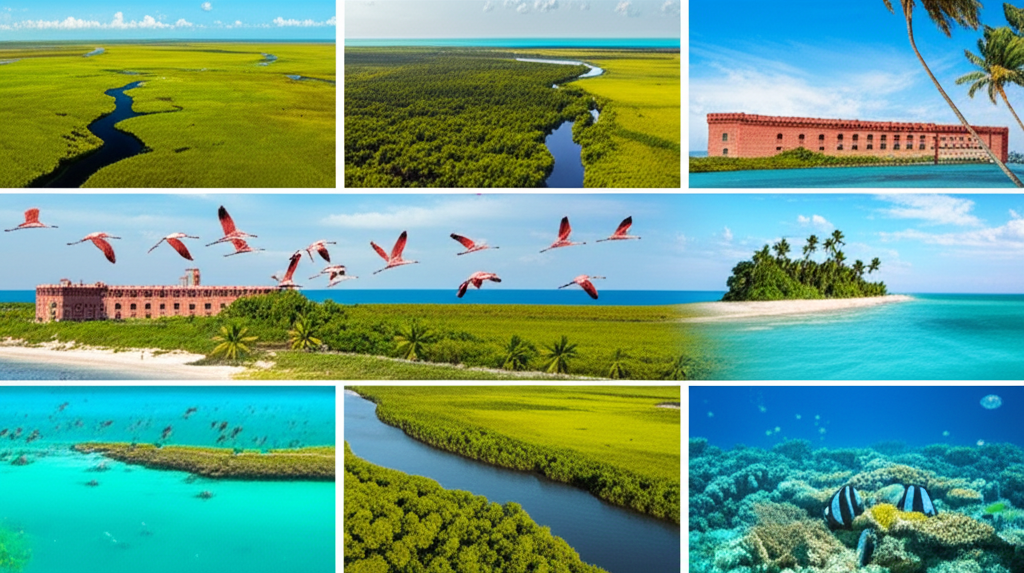
Ready to dive into some of Florida’s most spectacular natural treasures? Here are eight national parks that promise adventure, discovery, and memories to last a lifetime. We’ll explore each one, giving you the highlights and what makes them special for beginners.
Find the Best Accommodation Deals
Compare prices from multiple booking platforms and find the best option for your stay.
Compare Hotel Prices1. Everglades National Park: The River of Grass
Known as the “River of Grass,” Everglades National Park is a sprawling subtropical wilderness unique in North America. It’s a UNESCO World Heritage Site and an International Biosphere Reserve, teeming with diverse wildlife.
For a beginner-friendly introduction, focus on the main Ernest F. Coe Visitor Center area near Homestead. You can take easy walking trails, enjoy scenic drives, and even hop on a tram tour for narrated insights. Keep an eye out for alligators, diverse bird species, and maybe even a manatee!
Find the Best Accommodation Deals
Compare prices from multiple booking platforms and discover the best stay options available.
⭐ Trusted by thousands of travelers
💰 Budget to luxury options available
Must-Do for Beginners:
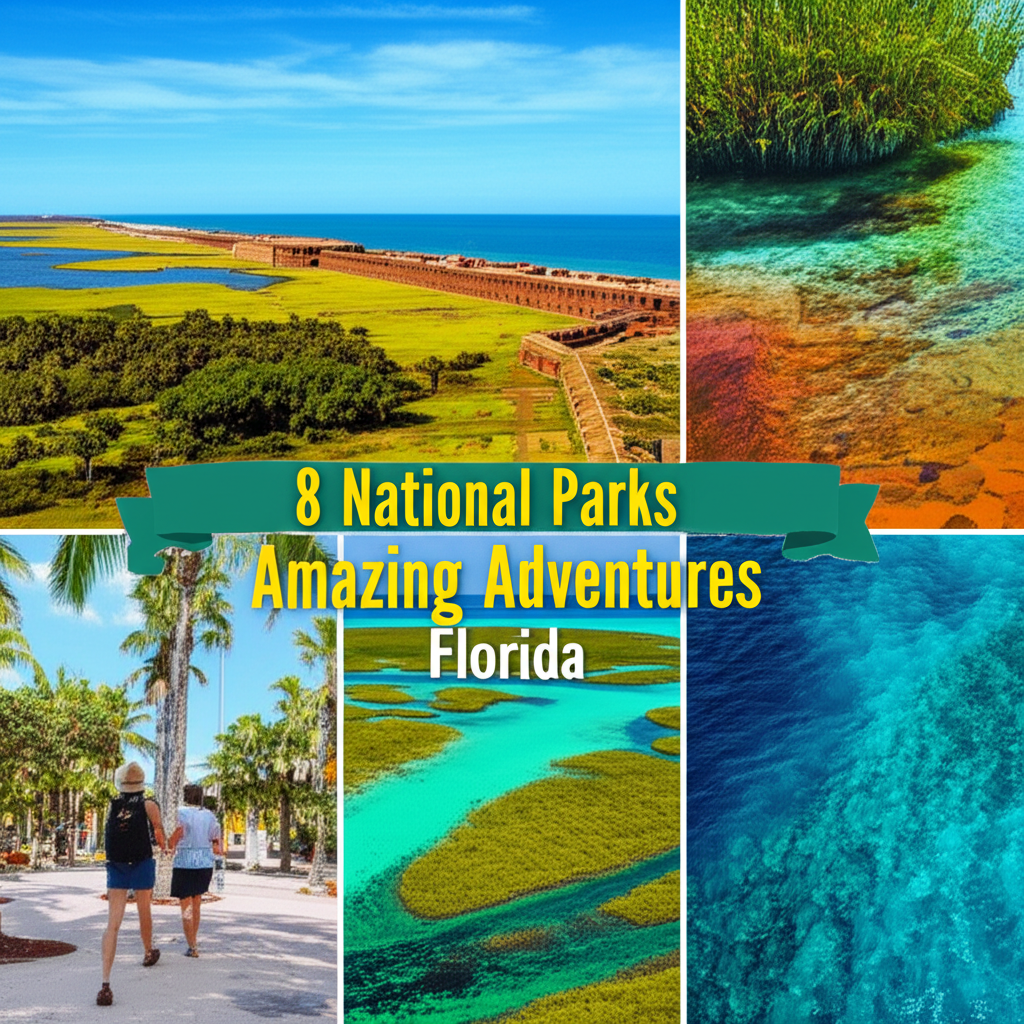
- Anhinga Trail: A short, elevated boardwalk loop perfect for spotting alligators and wading birds up close.
- Eco Pond: Another accessible spot great for birdwatching, especially during migration seasons.
- Shark Valley: Take the tram tour or rent bicycles on the 15-mile loop road for an immersive experience.
Best Time to Visit: December to April for cooler, drier weather and more concentrated wildlife viewing.
Best Stay Deals Available
Compare prices across top booking platforms and find the best deal for your stay.
Check Available Rooms2. Dry Tortugas National Park: Island Paradise & History
Imagine a remote island fortress surrounded by crystal-clear turquoise waters. That’s Dry Tortugas National Park, located about 70 miles west of Key West. Accessible only by boat or seaplane, it’s an adventure just getting there.
The park is famed for the historic Fort Jefferson, a massive 19th-century coastal fortress that covers most of Garden Key. Snorkeling and swimming in the vibrant coral reefs right off the shore are also huge draws. It’s perfect for those seeking a truly unique escape.
Must-Do for Beginners:
- Tour Fort Jefferson: Explore the massive brick structure and learn about its history.
- Snorkel or Swim: The waters around the forts are shallow and clear, teeming with colorful fish.
- Camp overnight (if adventurous): Experience the park without the day-trippers for a magical evening.
Best Time to Visit: Mid-January to April for calm seas and pleasant weather. May to October is hurricane season.
3. Biscayne National Park: Underwater Wonders
Did you know over 95% of Biscayne National Park is water? This park protects a stunning stretch of Biscayne Bay, its barrier islands, and the northernmost Florida Keys. It’s a paradise for boaters, snorkelers, and divers.
While you can see some of the park from the shore at Convoy Point, most of its magic lies beneath the waves. Activities like kayaking, paddleboarding, and boat tours offer fantastic ways to experience the coral reefs and mangrove shorelines. It’s a marine wonderland!
Must-Do for Beginners:
- Glass-Bottom Boat Tour: See the coral reefs without getting wet – perfect for a relaxed view.
- Snorkel or Dive Trip: Book a guided tour to the reefs; you’ll see amazing marine life.
- Kayak or Paddleboard: Explore the protected waters of Biscayne Bay or the mangrove trails.
Best Time to Visit: December to April for the driest and clearest conditions.
4. Canaveral National Seashore: Coastal Charm & Space Views
Stretching along Florida’s Atlantic coast, Canaveral National Seashore offers a more natural and less developed coastal experience. Think vast, undeveloped beaches, historic sites, and a surprising connection to space exploration.
This park is one of the most important sea turtle nesting sites in the Western Hemisphere, particularly Playalinda Beach. It’s also an incredible spot for birdwatching. Plus, its proximity to the Kennedy Space Center means you might even catch a rocket launch!
Must-Do for Beginners:
- Beachcombing & Swimming: Enjoy miles of pristine, undeveloped beaches.
- Visit Apollo Beach: This area offers fantastic views of the Kennedy Space Center launchpads and often provides opportunities to see launches.
- Birdwatching: Explore the numerous sites within the park that are hotspots for a variety of bird species.
Best Time to Visit: Year-round, though nesting season for sea turtles is typically May to October. Spring and fall offer pleasant weather and great bird migration viewing.
5. Timucuan Ecological and Historic Preserve: A Journey Through Time and Nature
Explore a unique blend of history and ecology at Timucuan Ecological and Historic Preserve, located in northeastern Florida near Jacksonville. This preserve protects diverse natural resources and significant historical sites, including Native American settlements and early European colonial life.
You can paddle through salt marshes, walk through ancient forests, and step back in time at locations like Fort Caroline National Memorial or the Kingsley Plantation. It offers a refreshing mix of active exploration and historical learning.
Must-Do for Beginners:
- Fort Caroline National Memorial: Explore the replica fort and learn about French and Spanish colonial history.
- Kingsley Plantation: Visit Florida’s oldest remaining plantation house and learn about plantation life.
- Kayaking or Canoeing: Paddle through the serene salt marshes and mangrove creeks.
Best Time to Visit: Spring and Fall for the most comfortable weather for outdoor activities.
6. Gulf Islands National Seashore: Florida’s Panhandle Gem
While part of Gulf Islands National Seashore lies in Mississippi, its Florida component boasts some of the most beautiful sugar-white sand beaches in the United States. This park protects pristine barrier islands that offer a classic Gulf Coast beach experience.
Enjoy swimming, sunbathing, fishing, and exploring historical forts like Fort Pickens. The West Beach and Johnson Beach areas offer easy access and great opportunities for relaxation and enjoying the clear, emerald waters.
Must-Do for Beginners:
- Relax on the Beaches: Enjoy the powdery white sand and clear emerald waters.
- Visit Fort Pickens: Explore this remarkably preserved 19th-century coastal defense fort.
- Go Camping: Several campgrounds offer direct beach access for an immersive experience.
Best Time to Visit: Spring (April-May) and Fall (September-October) for pleasant temperatures and fewer crowds.
7. Big Cypress National Preserve: A Different Kind of Everglades
Often overshadowed by its famous neighbor, Big Cypress National Preserve is a vital part of the South Florida wilderness. It’s a vast, wild expanse of cypress swamps, sawgrass prairies, and pineland hammocks, offering a more rugged and immersive Everglades experience.
This is the place for adventure seekers. While less developed, it offers incredible opportunities for airboat tours (on specific designated routes), hiking, camping, and wildlife viewing in a less controlled, more natural setting. It’s a raw, untamed Florida.
Must-Do for Beginners:
- Take an Airboat Tour: A quintessential Big Cypress experience to cover ground and see wildlife.
- Visit the Kirby Nature Center: Get information and learn about the preserve’s unique ecology.
- Take a Short Hike: Trails like the Anhinga Trail (different from Everglades NP) offer accessible looks into the ecosystem.
Best Time to Visit: The dry season, from November to April, is best for wildlife viewing and easier access.
8. St. Marks National Wildlife Refuge: Nature’s Haven on the Panhandle
While primarily managed as a National Wildlife Refuge, the St. Marks National Wildlife Refuge plays a significant role in conservation and offers incredible visitor experiences akin to national parks. Located on the Florida Panhandle, it’s a vital stopover for migratory birds.
Explore its diverse habitats, from coastal marshes to pine forests, on auto tours, short hikes, or by kayaking. The historic St. Marks Lighthouse is a focal point. It’s a peaceful escape for birdwatchers and nature lovers.
Must-Do for Beginners:
- Drive the Lighthouse Road: Offers numerous pull-offs for wildlife viewing and scenic overlooks.
- Visit the St. Marks Lighthouse: A historic landmark offering insight into the area’s maritime past.
- Birdwatching: It’s renowned for its diverse avian population, especially during fall and spring migrations.
Best Time to Visit: Fall and Spring for peak bird migration. Winter offers opportunities to see waterfowl.
Planning Your Florida National Park Adventure: A Simple Checklist
Ready to pack your bags? Here’s a simple checklist to help you prepare for your Florida national park adventures, ensuring a smooth and enjoyable trip.
- Choose Your Park(s): Based on this guide, pick one or two parks that spark your interest most for your first trip.
- Check the Season: Florida weather can be extreme. Aim for the dry season (roughly November to April) for more comfortable temperatures and fewer bugs.
- Book Accommodations: Decide if you want to camp within the park, stay in nearby towns, or book a hotel. Book early, especially for popular spots like Dry Tortugas.
- Transportation: Most parks are best explored with a personal vehicle. Some remote parks like Dry Tortugas require boat or seaplane access.
- Gear Up: Pack essentials like:
- Sunscreen, hats, and sunglasses
- Insect repellent (especially for Everglades and Big Cypress)
- Comfortable walking shoes
- Water bottles (stay hydrated!)
- Binoculars for wildlife viewing
- A rain jacket, as Florida weather can change quickly
- Park Passes: Consider an America the Beautiful Pass if you plan to visit multiple National Parks within a year. It covers entrance fees for a year for a single vehicle.
- Download Maps: Cell service can be spotty. Download offline maps of the park areas you plan to visit.
- Check Park Alerts: Always check the official park website (NPS.gov) for current conditions, closures, and any advisories before you go.
Making the Most of Your Visit: Tips for Beginners
National parks are about experiencing nature, but a little planning goes a long way, especially for your first time. These tips will help you have a fantastic and hassle-free adventure.
Embrace the Early Bird Mentality
Mornings are often the best time to explore national parks. Wildlife is more active, the temperatures are cooler, and you can beat the midday crowds and the heat.
Stay Hydrated and Sun Protected
Florida is hot and sunny! Carry plenty of water with you at all times, especially if you’re hiking or spending time outdoors. Apply sunscreen regularly, wear a hat, and seek shade when you can.
Respect Wildlife from a Distance
Florida is home to incredible, but sometimes wild, creatures like alligators, birds, and marine life. Never feed the wildlife, and always maintain a safe distance. This protects both you and the animals.
Safety First
Always stay on marked trails, be aware of your surroundings, and let someone know your plans if you’re venturing off on your own. If visiting coastal areas, pay attention to ocean conditions and lifeguard warnings.
Take Advantage of Visitor Centers
Park rangers are a wealth of knowledge! Stop by visitor centers when you arrive to pick up maps, talk to rangers about current conditions and recommended activities, and learn about the park’s unique natural and cultural history.
Florida National Parks: A Comparative Look
To help you visualize the differences and similarities, here’s a quick comparison of our featured Florida national parks. This might help you decide where to start your journey!
| Park Name | Primary Landscape | Key Activities | Best For Beginners | Accessibility Difficulty |
|---|---|---|---|---|
| Everglades National Park | Subtropical wetlands, mangroves, sawgrass prairies | Wildlife viewing, airboat tours, hiking, kayaking | Easy trails, visitor centers, tram tours | Moderate (many areas accessible, some remote) |
| Dry Tortugas National Park | Remote islands, coral reefs, historic fort | Snorkeling, diving, camping, history tours | Fort tours, easy snorkeling near shore | Difficult (boat/seaplane access only) |
| Biscayne National Park | Biscayne Bay, coral reefs, mangrove islands | Snorkeling, diving, boating, kayaking, glass-bottom boats | Glass-bottom boat tours, shore access at Convoy Point | Moderate (boat access essential for most) |
| Canaveral National Seashore | Undeveloped beaches, dunes, coastal lagoons | Beach activities, birdwatching, watching rocket launches | Easy beach access, Apollo Beach for launches | Easy to Moderate (some areas are primitive) |
| Timucuan Ecological and Historic Preserve | Salt marshes, maritime forests, historic sites | Hiking, kayaking, historical exploration | Visitor centers, easy historical site visits | Easy to Moderate (trails and water access) |
| Gulf Islands National Seashore (FL) | Barrier islands, sugar-white beaches, historic forts | Beach activities, swimming, fishing, exploring forts | Easy beach access, Fort Pickens exploration | Easy to Moderate (some undeveloped areas) |
| Big Cypress National Preserve | Cypress swamps, sawgrass prairies, hammocks | Airboat tours, hiking, camping, wildlife viewing | Visitor centers, short accessible trails, guided tours | Moderate to Difficult (less developed, requires preparedness) |
| St. Marks National Wildlife Refuge | Coastal marshes, pine forests, tidal flats | Birdwatching, auto tours, hiking, fishing | Auto tour road, visitor center, lighthouse area | Easy to Moderate (well-marked drives and trails) |
Frequently Asked Questions About Florida National Parks
Here are some common questions first-time visitors have about exploring Florida’