
Discover 9 historic towns in Louisiana for amazing getaways! This guide offers beginner-friendly tips for exploring charming Southern history, unique culture, and delicious food without the stress. Plan your perfect Louisiana adventure today.
Planning a trip can feel like a puzzle, especially when you’re new to exploring. Louisiana, with its rich history and vibrant culture, offers so many incredible places to visit. But where do you start?
Check the latest prices and available rooms before they sell out.
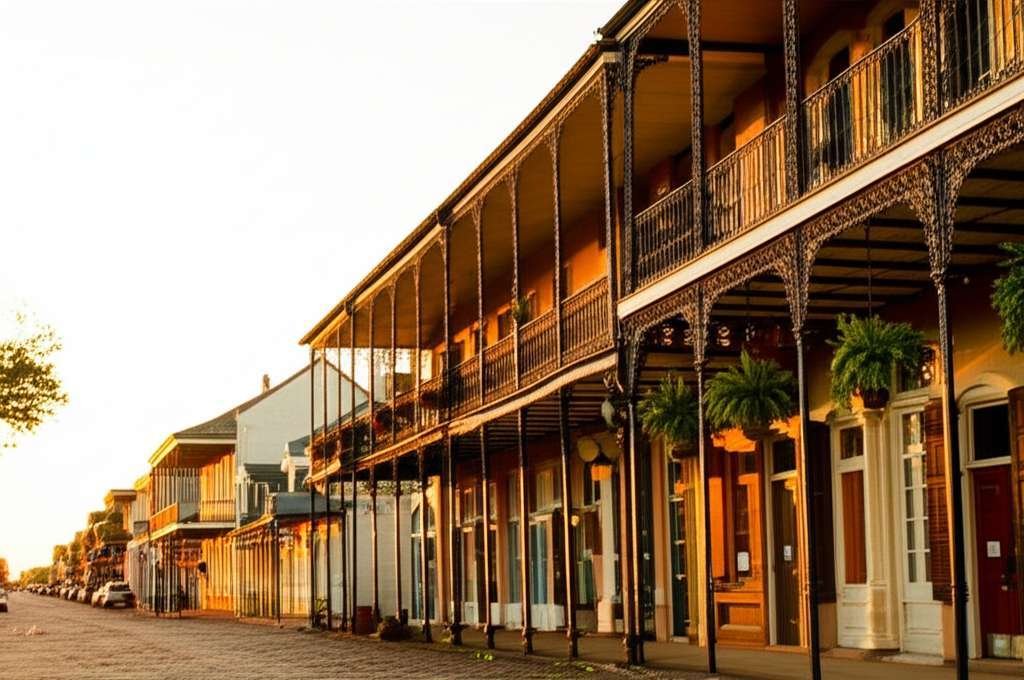
It’s easy to get overwhelmed by endless options. You want an adventure that’s both exciting and easy to manage. You’re looking for that perfect blend of history, charm, and maybe a little bit of magic.
This guide is here to help! We’ll take you on a journey through nine of Louisiana’s most captivating historic towns. You’ll find simple tips to make planning a breeze.
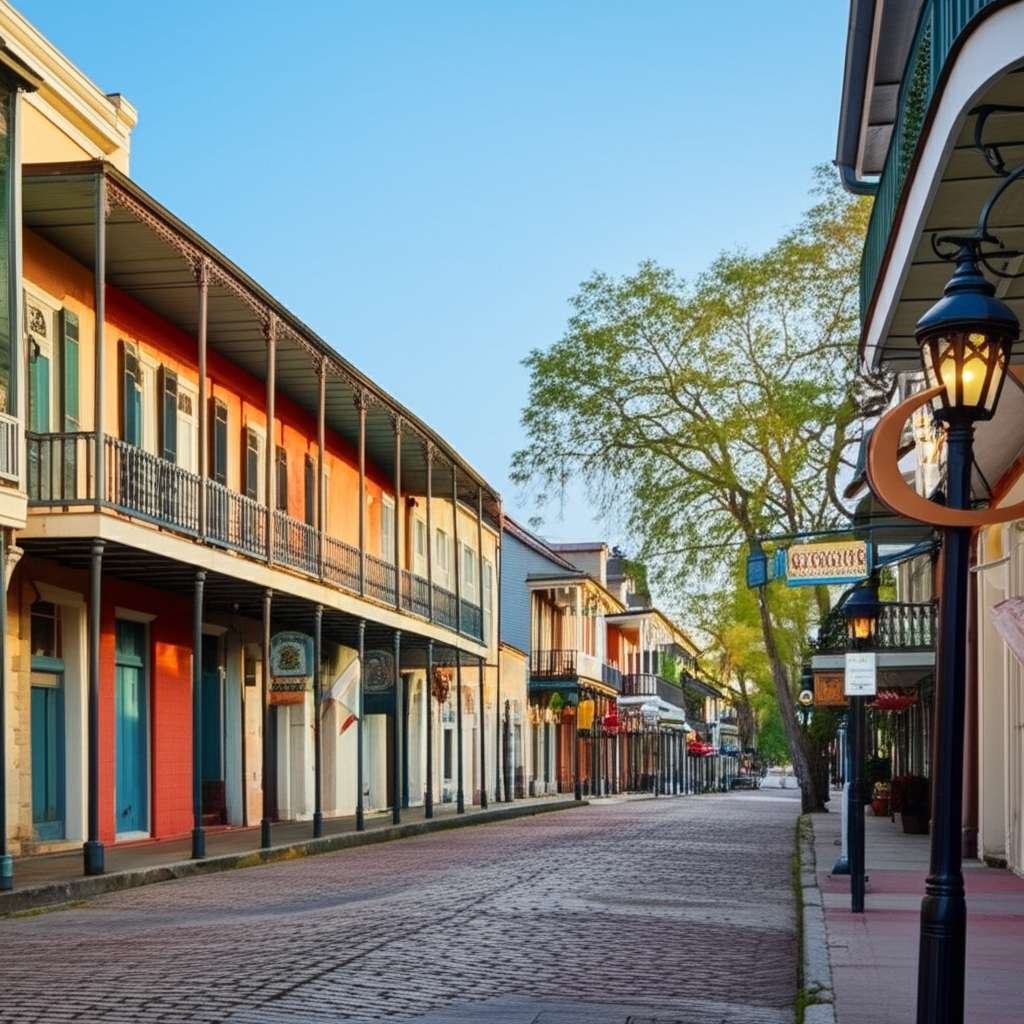
Get ready to uncover the hidden gems of the Bayou State and plan a getaway you won’t forget.
Why Explore Louisiana’s Historic Towns?
Louisiana is a treasure trove of stories, whispered through its architecture, its music, and its food. Historic towns offer a unique window into the past, allowing you to step back in time and experience a different era.
These towns aren’t just collections of old buildings; they are living museums. They showcase the diverse influences that shaped Louisiana, from French and Spanish colonial roots to African and Native American traditions. Exploring them is like reading a captivating history book, but with much better food and scenery!
Find the Best Accommodation Deals
Compare prices from multiple booking platforms and find the best option for your stay.
Compare Hotel PricesFor beginner travelers, these historic towns provide a more manageable and intimate travel experience compared to bustling metropolises. You can often explore them on foot, soaking in the atmosphere at your own pace. Plus, they offer authentic cultural immersion that’s both educational and deeply rewarding.
9 Historic Towns in Louisiana: Your Ultimate Getaway Guide
Let’s dive into the heart of Louisiana and discover some truly special places. Each town has its own unique charm and history waiting to be explored.
Find the Best Accommodation Deals
Compare prices from multiple booking platforms and discover the best stay options available.
⭐ Trusted by thousands of travelers
💰 Budget to luxury options available
1. New Orleans
No list of Louisiana’s historic towns is complete without mentioning New Orleans. It’s a city where history isn’t just in museums; it’s alive on every street corner. From the iconic French Quarter to the historic Garden District, the city is a vibrant tapestry of cultures and eras.
Wander through the narrow, gas-lit streets of the French Quarter, admiring the Creole architecture with its wrought-iron balconies. Visit Jackson Square, a historic park that has been the heart of the city for centuries. Don’t miss a streetcar ride down St. Charles Avenue to marvel at the grand mansions of the Garden District.
New Orleans is also a culinary capital. You can savor world-famous dishes like gumbo, jambalaya, and beignets. The city’s music scene is legendary, with jazz echoing from clubs and street performers.
Best Stay Deals Available
Compare prices across top booking platforms and find the best deal for your stay.
Check Available RoomsBeginner Tip: Consider a guided walking tour of the French Quarter. It’s a fantastic way to learn about the history and get your bearings without feeling overwhelmed.
2. St. Martinville
Known as the “Cradle of Acadiana,” St. Martinville is a charming town steeped in Cajun history and folklore. It’s a place where you can truly feel the spirit of the Acadians who settled here after being exiled from Canada.
The town’s centerpiece is the historic St. Martin de Tours Catholic Church, a beautiful example of early Louisiana architecture. Nearby, you can visit the Evangeline Oak, a majestic tree said to be the inspiration for Henry Wadsworth Longfellow’s famous poem, “Evangeline.”
St. Martinville offers a glimpse into traditional Cajun life. Explore the historic downtown, visit local shops, and enjoy authentic Cajun cuisine. The Bayou Teche runs through the town, offering scenic views and opportunities for boat tours.
Beginner Tip: Check the local event calendar. St. Martinville often hosts festivals celebrating Cajun culture, music, and food, offering a lively experience.
3. Natchitoches
Step back in time in Natchitoches (pronounced NAK-uh-tush), Louisiana’s oldest permanent settlement, founded by the French in 1714. This picturesque town on the Cane River boasts a beautifully preserved historic district that feels like a step onto a movie set.
The heart of Natchitoches is Front Street, a charming promenade overlooking the Cane River Lake. It’s lined with boutiques, art galleries, and restaurants housed in historic buildings. Don’t forget to try the famous Natchitoches meat pies – a delicious local specialty!
Explore the historic architecture, visit the Kaffie-Frederick General Store (Louisiana’s oldest general store), and learn about the town’s rich history at the Louisiana State Museum–Natchitoches. The nearby Cane River National Heritage Area offers further insights into the region’s plantations and cultural heritage.
Beginner Tip: Visit during the Christmas season when Natchitoches lights up with thousands of colorful lights. It’s a truly magical experience.
4. Thibodaux
Located in the heart of the Acadiana region, Thibodaux is a historic city with a strong connection to its Cajun roots and agricultural past. It offers a more relaxed pace and a genuine slice of Louisiana life.
The historic downtown area features beautiful antebellum homes and historic churches. Visit the E.D. White Historic Site, the former home of Louisiana’s only U.S. Supreme Court Justice, to learn about the region’s plantation era. The Wetlands Acadian Cultural Center offers exhibits on Cajun culture and the unique environment of the Louisiana bayou.
Thibodaux is a great place to experience authentic Cajun cooking and hospitality. Enjoy fresh seafood and local delicacies at one of its many restaurants. The town is also surrounded by beautiful bayou scenery, perfect for a leisurely drive or a quiet moment of reflection.
Beginner Tip: Take a drive along the bayou. Many scenic routes offer glimpses of local wildlife and the unique cypress-lined waterways.
5. Franklin
Franklin, situated on the banks of the Bayou Teche, is a beautifully preserved historic town known for its stunning antebellum architecture and rich cultural heritage. It was once a wealthy sugar plantation center.
The National Historic Landmark District in Franklin boasts over 200 historic structures, including magnificent Greek Revival and Italianate mansions. Take a stroll or a guided tour to admire these architectural gems. The Teche Theatre, a beautifully restored historic venue, often hosts performances.
Franklin also offers a connection to Louisiana’s maritime history. Visit the Steamboat Warehouse, a historic building that once served as a bustling center for riverboat trade. Enjoy fresh Gulf seafood and Southern hospitality in its charming downtown eateries.
Beginner Tip: Look for guided architectural tours. They provide fascinating insights into the history and stories behind the grand homes.
6. Donaldsonville
Donaldsonville, located at the confluence of the Mississippi and Amite Rivers, is a historic city with a strategic past. It served as Louisiana’s capital for a brief period in the early 19th century.
The town’s historic district features a variety of architectural styles, reflecting its long history. Visit the Ascension Catholic Church, a beautiful and historic place of worship. The Donaldsonville Historic Museum offers a glimpse into the city’s past, from its Native American roots to its role in the Civil War.
Donaldsonville provides a more laid-back historical experience. It’s a great place to explore local history and enjoy the slower pace of life along the Mississippi River. The city offers a genuine taste of Louisiana without the overwhelming crowds.
Beginner Tip: Visit the levee for views of the Mississippi River. It’s a simple but powerful way to connect with the natural forces that have shaped Louisiana’s history.
7. Opelousas
Opelousas, one of Louisiana’s oldest cities, is a vibrant hub of Creole and Zydeco culture. It’s a place where music, food, and history intertwine beautifully.
As the unofficial Zydeco capital of the world, Opelousas is a must-visit for music lovers. You can explore the Jim Bowie Museum, dedicated to the legendary frontiersman who spent his early years here. The Opelousas Museum & Interpretive Center offers a deep dive into the town’s rich history and diverse cultural influences.
Experience the unique Creole cuisine that Opelousas is famous for. The town also hosts lively festivals and events celebrating its cultural heritage. Walking through the historic downtown, you’ll find charming shops and a welcoming atmosphere.
Beginner Tip: If you’re visiting on a weekend, look for local Zydeco music venues. Even if you don’t dance, the energy and rhythm are infectious!
8. Plaquemine
Plaquemine, situated on the Mississippi River, is a historic town that offers a glimpse into Louisiana’s plantation past and its connection to the mighty river.
The star attraction is the stunning Rosedown Plantation State Historic Site, a meticulously restored 19th-century plantation home that showcases the grandeur of the era. Its beautiful gardens are a highlight. The historic downtown area of Plaquemine also features charming architecture and local businesses.
The town’s location on the river means you can experience the power and presence of the Mississippi. It’s a great spot for those interested in plantation history and the agricultural backbone of Louisiana.
Beginner Tip: Book your tour of Rosedown Plantation in advance, especially during peak season, to ensure your spot.
9. Morgan City
Morgan City, nestled between the Atchafalaya River and the Gulf of Mexico, has a rich history tied to the waterways and the burgeoning oil and gas industry. It’s a gateway to the Louisiana bayou.
Visit the International Petroleum Museum and Exposition to learn about the region’s significant role in offshore oil and gas exploration. The Atchafalaya Basin, the largest river swamp in the United States, is accessible from Morgan City, offering incredible opportunities for airboat tours and wildlife viewing.
The town’s waterfront provides scenic views and a connection to its maritime heritage. Morgan City offers a different kind of historic experience, focusing on industry and the unique relationship between people and the bayou environment.
Beginner Tip: Consider an airboat tour. It’s an exhilarating way to see the bayou and understand its importance to Louisiana’s ecosystem and culture.
Planning Your Historic Louisiana Getaway: Essential Tips
Now that you have a list of amazing towns, let’s talk about making your trip smooth and enjoyable. Planning ahead is key, especially for your first visit!
Best Time to Visit
The ideal time to visit Louisiana’s historic towns is during the spring (March-May) and fall (September-November). During these months, the weather is typically pleasant, with cooler temperatures and lower humidity.
- Spring: Enjoy blooming flowers and vibrant festivals.
- Fall: Experience crisp air and beautiful autumn colors.
- Summer: Can be very hot and humid, with a higher chance of rain.
- Winter: Generally mild, but can be cooler and rainier.
Getting Around
While some larger cities like New Orleans have public transportation, most historic towns are best explored by car. Renting a car gives you the flexibility to travel between towns and explore at your own pace.
Within the historic districts of most towns, walking is the best way to see the sights. Comfortable shoes are a must!
Accommodation
You’ll find a range of accommodation options, from charming historic inns and bed & breakfasts to standard hotels. Staying in a historic inn can enhance your immersive experience.
Beginner Tip: Book your accommodation in advance, especially if you’re traveling during a popular festival or holiday. This helps ensure you get the best rates and availability.
Packing Essentials
Pack light, breathable clothing. Louisiana can be humid, so moisture-wicking fabrics are a good idea. Don’t forget:
- Comfortable walking shoes
- Sunscreen and a hat
- Insect repellent (especially if visiting during warmer months or near the water)
- A light jacket or sweater for cooler evenings
- A camera to capture the memories!
Budgeting for Your Trip
Louisiana offers options for various budgets. Here’s how to manage your spending:
- Accommodation: Look for deals, consider B&Bs outside the most touristy areas, or travel during the shoulder seasons.
- Food: Enjoy delicious and affordable local eateries. Trying regional specialties from casual spots can be cheaper than fine dining.
- Activities: Many historic towns can be explored by simply walking around. Prioritize paid attractions that interest you most. Look for free walking tours or self-guided options.
Money-Saving Tip: Pack some snacks and water bottles to refill. This saves money and reduces waste as you explore.
A Glimpse into Louisiana’s History
Louisiana’s history is a fascinating blend of influences. Understanding a bit about this past can enrich your visit.
The region was initially inhabited by various Native American tribes for thousands of years. European colonization began with the French, who established the first permanent settlement at Natchitoches in 1714 and later founded New Orleans in 1718. France ceded Louisiana to Spain in 1763, and Spain introduced new architectural styles and cultural elements.
The Louisiana Purchase in 1803 brought the territory under U.S. control. This period saw significant growth and the development of distinct cultural regions, including the Creole culture in the south and the Acadian (Cajun) culture in the bayou country. The state also played a crucial role in the Civil War and the subsequent Reconstruction era.
These historical layers are visible in the architecture, the food, the music, and the very spirit of Louisiana’s towns. For a deeper dive into the historical context of the region, the National Park Service’s Louisiana travel guide offers excellent resources.
Experiencing Louisiana Culture
Beyond the historic buildings, Louisiana’s culture is what truly makes it special. It’s a sensory experience!
Music: From the jazz of New Orleans to the Zydeco and Cajun tunes of Acadiana, music is the soul of Louisiana. You’ll often find live music in bars, restaurants, and at local festivals.
Food: Louisiana cuisine is world-renowned. Don’t leave without trying:
- Gumbo
- Jambalaya
- Crawfish Etouffée
- Beignets
- Po’boys
- King Cake (especially during Mardi Gras season)
Festivals: Louisiana loves to celebrate! Mardi Gras in New Orleans is famous, but many smaller towns have their own unique festivals celebrating everything from crawfish to sugarcane.
Language: You’ll hear a unique blend of English, French, Spanish, and Creole dialects, adding to the distinctive charm of the state.
FAQ: Your Beginner’s Guide to Louisiana Historic Towns
Here are some common questions beginner travelers might have:
Q1: Is Louisiana safe for solo travelers?
Yes, Louisiana can be safe for solo travelers. Like any destination, it’s important to be aware of your surroundings, especially in larger cities or at night. Sticking to well-trafficked tourist areas and using common sense will help ensure a safe trip.
Q2: What’s the best way to experience Cajun culture?
The best way is to immerse yourself! Visit towns like St. Martinville and Opelousas, try authentic Cajun food, listen to Zydeco music, and perhaps take an airboat tour. Engaging with locals is also a great way to learn.
Q3: Are the historic sites in Louisiana accessible for people with mobility issues?
Accessibility can vary. Many major attractions like Rosedown Plantation and museums have made efforts to improve accessibility, but some historic buildings or older towns might have cobblestone streets or stairs. It’s advisable to check with specific sites in advance.
Q4: What kind of food should I absolutely try in Louisiana?
You must try gumbo, jambalaya, crawfish etouffée, and po’boy sandwiches. For a sweet treat, beignets are a must, especially in New Orleans. Don’t shy away from trying local seafood dishes!
Q5: How much time should I allocate for visiting these towns?
For a single town, a day trip or an overnight stay is often sufficient. If you plan to visit multiple towns, consider at least 3-5 days to allow for travel time and leisurely exploration. For New Orleans, you’ll want at least 2-3 days on its own.
Q6: Are there any specific etiquette rules I should be aware of?
Louisiana is known for its hospitality. A friendly demeanor and politeness go a long way. When visiting churches, dress respectfully. In restaurants, tipping is customary. Generally, being open and respectful of the local culture is appreciated.
Q7: What’s the difference between Creole and Cajun culture?
Creole culture, more prominent in New Orleans, is a blend of European, Caribbean, and African influences, often associated with urban settings and more refined cuisine. Cajun culture, found in the Acadiana region, stems from the descendants of French-Canadian exiles and is known for its hearty, rustic cuisine and Zydeco music.
Conclusion
Exploring Louisiana’s historic towns is an adventure that rewards you with rich culture, captivating stories, and unforgettable experiences. From the vibrant streets of New Orleans to the charming bayou communities, each destination offers a unique glimpse into the soul of the Bayou State.
We’ve covered nine incredible towns, from Natchitoches’ colonial charm to Opelousas’ Zydeco heart. We’ve also shared practical tips on timing your visit, getting around, and budgeting, making your trip planning simple and stress-free.
So, pack your bags, bring your sense of adventure, and get ready to discover the magic of historic Louisiana. Your amazing getaway awaits!